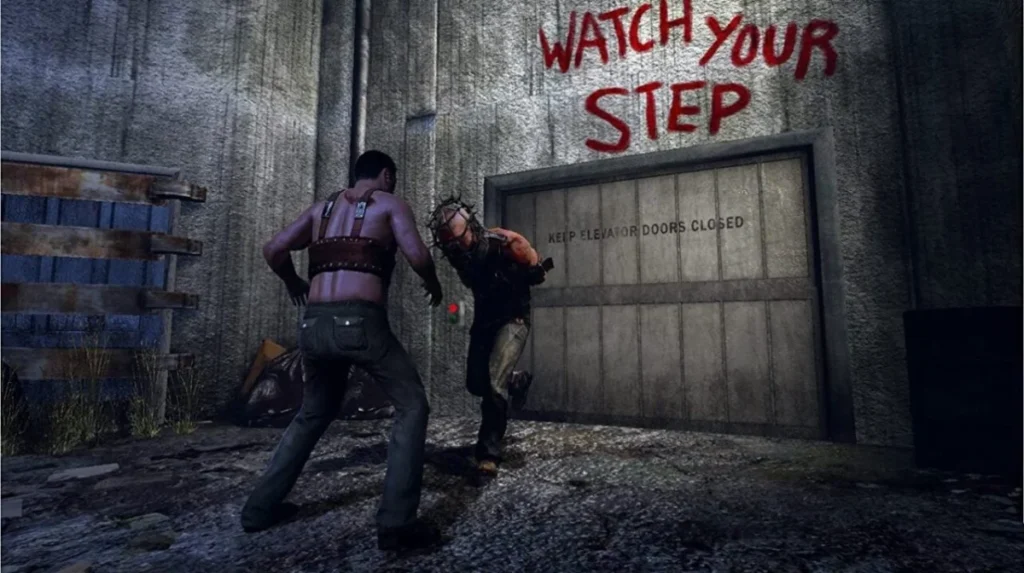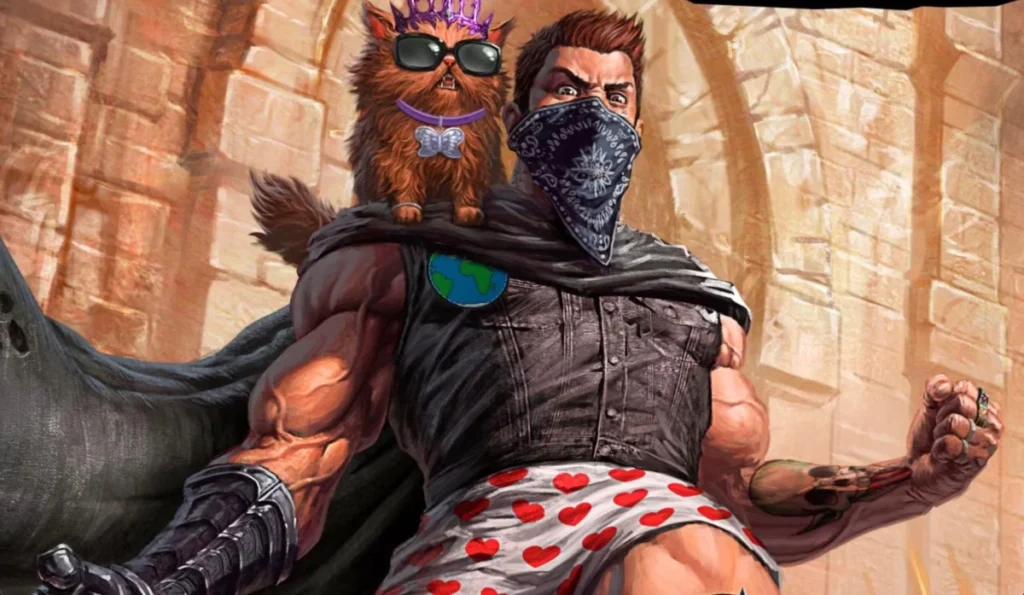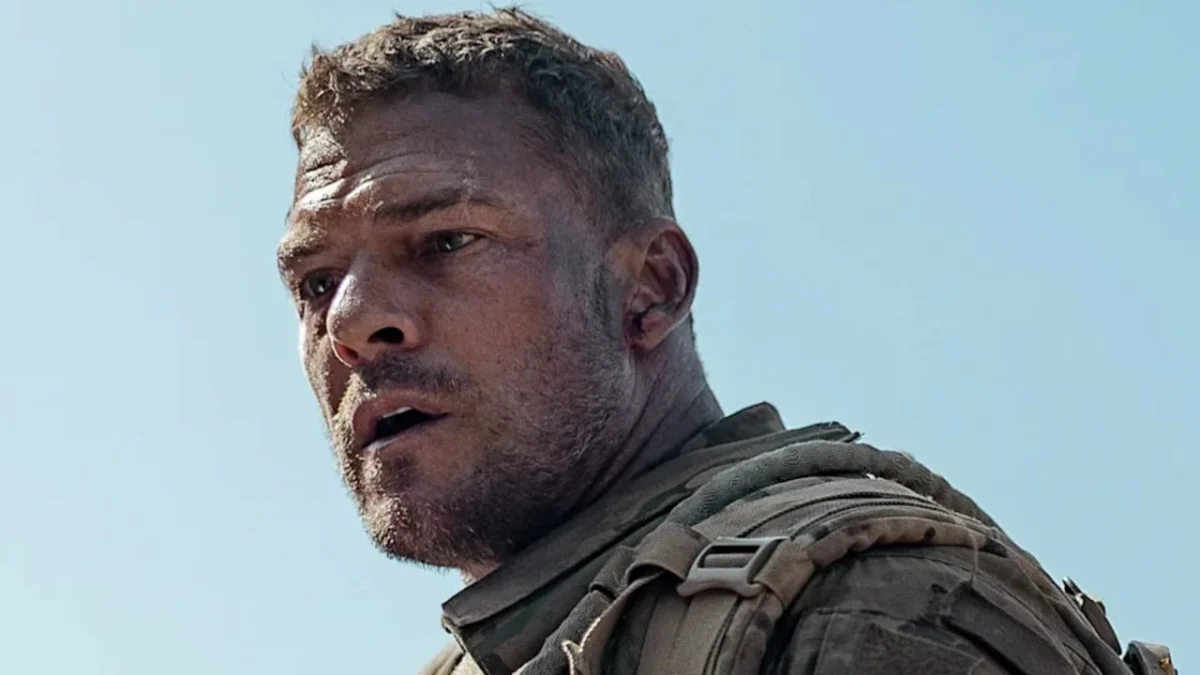
The landscape of video game adaptations continues to shift with the latest development in the highly anticipated cinematic take on the Helldivers franchise. Following the unexpected departure of Jason Momoa from the project this past June, industry reports indicate that Alan Ritchson, known for his imposing physical presence and command of action-heavy roles, is currently in negotiations to headline the production. This casting transition marks a significant pivot for the film, which remains under the directorial guidance of Justin Lin, a filmmaker widely recognized for his mastery of high-octane spectacle and ensemble-driven action sequences.
As Sony Pictures and PlayStation Productions move forward with their strategy to mine their vast intellectual property catalog for theatrical content, the Helldivers project stands as a centerpiece of their upcoming slate. With a firm theatrical release date set for November 10, 2027, the studio is under pressure to solidify its creative team and move into active production.
A Legacy of Strategic Expansion
The Helldivers franchise, initially developed by Arrowhead Game Studios, established its footprint in the gaming industry with the release of the original top-down shooter in 2015. While the inaugural title garnered a dedicated cult following, it was the 2024 launch of Helldivers 2 that propelled the intellectual property into the mainstream consciousness. The sequel’s shift to a third-person perspective and its satirical, ultra-patriotic depiction of "Managed Democracy" resonated deeply with global audiences, resulting in record-breaking concurrent player counts on PC and PlayStation 5.
This transition from digital storefronts to the silver screen represents a broader trend in Hollywood. PlayStation Productions, a division established to translate the company’s library into film and television, has seen notable success with projects like Uncharted and the critically acclaimed The Last of Us television series. The Helldivers adaptation is expected to leverage the franchise’s established visual identity—characterized by chaotic firefights, over-the-top military propaganda, and the threat of gargantuan extraterrestrial insects—to deliver a blockbuster experience that appeals to both established fans and general audiences.
The Casting Pivot: From Momoa to Ritchson
The departure of Jason Momoa in mid-2026 created a momentary vacuum in the production timeline. While specific reasons for his exit were never officially disclosed, the film industry often cites scheduling conflicts or creative differences for such departures. Momoa’s initial involvement had signaled a desire to anchor the film with a major action star capable of carrying the physical requirements of the role.
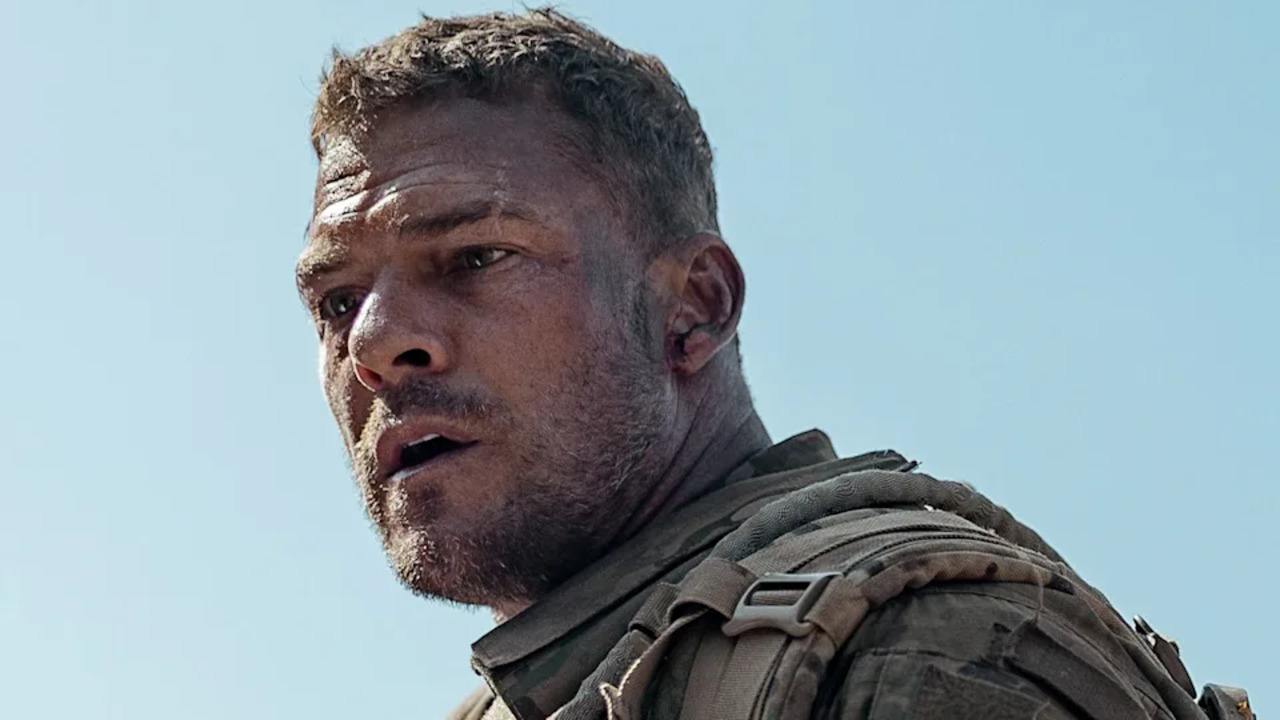
Alan Ritchson’s entry into talks is viewed by industry analysts as a natural progression for the project. Ritchson has solidified his reputation as a formidable leading man through his performance in the Prime Video series Reacher and his appearance in War Machine. His ability to blend physicality with a dry, stoic humor aligns closely with the tonal requirements of the Helldivers universe, which often relies on the juxtaposition of horrific interstellar warfare and rigid, bureaucratic military humor.
Directorial Vision and Production Oversight
Justin Lin’s involvement remains a key factor in the film’s development. Known for his work on the Fast & Furious franchise, Lin has a proven track record of managing large-scale action set pieces and complex production logistics. His company, Perfect Storm Entertainment, is co-producing the film alongside PlayStation Productions’ Asad Qizilbash and industry veteran Hutch Parker.
The collaboration between Lin and Sony suggests that the studio is prioritizing a cinematic experience that retains the kinetic energy of the source material. By maintaining continuity in the director’s chair, the studio aims to ensure that the creative vision remains stable despite the turnover in front of the camera. The production team is tasked with balancing the lore of the game—specifically the conflict between the Helldivers and the Terminid and Automaton threats—with the narrative constraints of a feature-length film.
Financial and Market Implications
The decision to fast-track the Helldivers film reflects the significant financial upside that Sony sees in its gaming franchises. With the video game industry increasingly operating on a "games-as-a-service" model, the cinematic adaptation acts as a critical marketing tool, driving interest back to the software.
Industry data suggests that successful video game adaptations, such as The Super Mario Bros. Movie and the Sonic the Hedgehog series, have significantly expanded the reach of their respective brands beyond traditional gaming demographics. By securing a high-profile talent like Ritchson and a seasoned director like Lin, Sony is positioning Helldivers to compete during the competitive late-2027 window. The film’s success will likely hinge on its ability to replicate the "emergent gameplay" feel of the source material—the sense that anything can happen in the chaos of battle—while grounding the stakes in a relatable human performance.
Challenges of Adaptation
Translating a cooperative, mission-based shooter into a narrative film presents unique structural challenges. Unlike narrative-driven games such as God of War or The Last of Us, Helldivers is built on the repetitive, procedural nature of its combat missions. The film must therefore create a compelling script that introduces characters and stakes while honoring the game’s core loop of deployment, combat, and extraction.
Screenwriters tasked with the adaptation are likely drawing on the game’s deep-seated lore regarding "Super Earth" and its citizens’ blind allegiance to a militarized government. This satirical undercurrent provides a rich vein for social commentary, which could elevate the film above standard action fare. If the writing can successfully integrate the game’s distinct visual aesthetic—the iconic capes, the orbital stratagems, and the brutal environments—with a character-driven arc for Ritchson’s character, the project could define a new standard for sci-fi war films.
Looking Ahead to November 2027
As of September 2026, the pre-production phase is intensifying. While the casting of Ritchson is not yet finalized, the progress being made suggests that the studio is confident in its trajectory. The coming months will likely see additional announcements regarding the supporting cast and the start of principal photography.
The production timeline for a film of this scale typically spans 18 to 24 months from the start of filming to the final theatrical release. With the November 10, 2027, release date fixed, the production team faces a tight schedule. However, the use of established digital assets from the game engines, combined with the logistical expertise of PlayStation Productions, provides a roadmap that could mitigate common delays.
For the gaming community, the adaptation of Helldivers represents a long-awaited transition. The game’s community-driven narrative, where players collectively influence the state of the "Galactic War," has fostered a sense of ownership among fans. Whether the film can capture the communal spirit of the Helldivers experience remains to be seen, but the hiring of Ritchson and the continued commitment of Justin Lin indicate a serious effort to deliver a high-quality product.
As the industry watches to see if this transition in talent will result in a successful production, one thing remains clear: Sony is doubling down on its commitment to its gaming properties. If successful, the Helldivers film will serve as a cornerstone of the company’s cross-media strategy, proving that even the most chaotic and action-focused games can find a permanent home on the big screen. The anticipation for the film’s first trailer and official promotional materials will undoubtedly grow as the release date approaches, marking a significant milestone in the intersection of digital entertainment and traditional cinema.