In a move that caught industry insiders and cinema enthusiasts off guard, director M. Night Shyamalan orchestrated a high-profile, unannounced premiere of his upcoming feature film, Remain, during the 2026 Beyond Fest. The screening, held on September 30, served as a prologue to a scheduled retrospective presentation of the filmmaker’s seminal 1998 supernatural classic, The Sixth Sense. While attendees had gathered at the genre-focused festival anticipating a nostalgic deep dive into his early career, they were instead treated to a first look at the highly anticipated project, which is not officially slated for wide theatrical distribution until February 5, 2027.
The decision to unveil the film months ahead of its commercial release suggests a significant degree of confidence from both Shyamalan and his studio partner, Warner Bros. Discovery. Following the moderate success of his 2024 thriller Trap—which grossed $84 million against a modest $30 million production budget—the studio appears to be shifting its promotional strategy for Remain to leverage grassroots enthusiasm and early critical discourse from festival circuits.
A Strategic Shift in Release Scheduling
The road to the screen for Remain has been characterized by iterative adjustments. Initially, the project was positioned for an October 23, 2026, release, a window typically reserved for horror and supernatural thrillers looking to capitalize on the Halloween season. However, Warner Bros. opted to delay the premiere to early 2027, aligning the film more closely with the Valentine’s Day corridor. This strategic pivot highlights the unique tonal identity of the film, which blends the visceral tension of supernatural suspense with the emotional stakes of a romance.
Industry analysts note that this shift serves a dual purpose: it avoids a crowded fall slate and provides the film with a "romantic thriller" marketing hook that could appeal to a broader demographic during the mid-winter lull. By introducing the film at Beyond Fest—a festival known for its curated, genre-savvy audience—Shyamalan has effectively initiated a long-lead marketing campaign that relies on "word-of-mouth" credibility.
The Convergence of Two Cinematic Giants
The narrative of Remain is unique in its provenance, stemming from a creative collaboration between M. Night Shyamalan and Nicholas Sparks, the prolific novelist responsible for quintessential romantic dramas such as The Notebook and Dear John. The duo first introduced the story to the public as a bestselling novel in 2025. Adapting a source text that merges the structural beats of a classic tear-jerker with the high-concept supernatural tropes for which Shyamalan is known has been described by the director as the most challenging, yet rewarding, endeavor of his career.
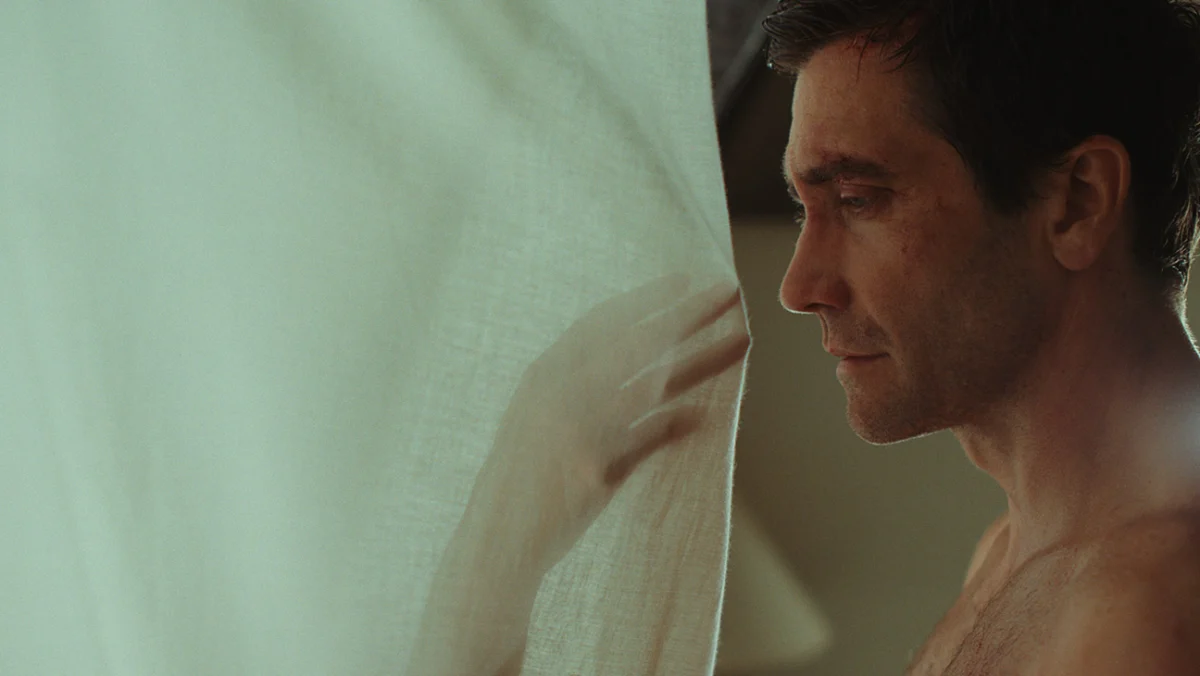
The film follows an architect—played by Jake Gyllenhaal—who, while struggling with the weight of depression, relocates to the atmospheric isolation of Cape Cod. His quiet solitude is interrupted by the arrival of a mysterious woman, portrayed by Phoebe Dynevor, whose presence forces him to confront questions of destiny, grief, and the nature of the human spirit. The cast is rounded out by industry veteran Julie Hagerty, who adds a layer of grounding, domestic gravitas to the otherwise ethereal proceedings.
Critical Reception and Early Social Sentiment
The immediate reaction from the Beyond Fest screening suggests that the film is hitting a distinct resonant frequency with audiences. Social media commentary from the event highlighted a consistent appreciation for the film’s tonal balancing act. Many early viewers remarked on the "calibration" of the movie, noting that Shyamalan manages to weave together humor, horror, and profound vulnerability in a manner reminiscent of his earlier works, such as Signs and The Sixth Sense.
Will Landman, a regular attendee of the festival circuit, characterized the film as "M. Night at his most calibrated," while other attendees noted the technical prowess of the score, composed by the frequent Shyamalan collaborator James Newton Howard. Critics in attendance observed that the film leans into the "pulpy" nature of its premise, utilizing the familiar, kitsch-adjacent tropes that have become hallmarks of the director’s style while simultaneously delivering a more earnest, sincere emotional core than his recent output.
Implications for Warner Bros. and the Director’s Legacy
The decision to preview the film so far in advance serves as a litmus test for the "Shyamalan brand" in the modern theatrical landscape. During an upfront presentation for advertisers in New York earlier this year, Shyamalan claimed that Remain had produced the "highest-testing" results of his entire career. Such statements often invite skepticism, yet the enthusiastic reception at Beyond Fest provides empirical evidence that the film’s "supernatural romance" hybridity is connecting with test audiences.
The implications for Warner Bros. are clear: the studio is positioning Remain as a prestige genre piece capable of sustaining a long promotional tail. By allowing the film to be discussed in the public sphere four months before its debut, the studio is betting that the discourse surrounding its emotional depth and structural ambition will generate a stronger opening-weekend box office than a traditional marketing campaign could achieve on its own.
The Evolution of the Shyamalan Aesthetic
To understand the trajectory of Remain, one must examine the progression of Shyamalan’s recent work. After a period of industry re-evaluation, the director has found a comfortable home at Warner Bros. His ability to produce high-concept, low-to-mid-budget features that resonate with internet culture—as evidenced by the meme-centric success of Trap—has made him a valuable asset for the studio.
Remain represents a stylistic evolution from the contained, high-tension settings of his previous work. By collaborating with Nicholas Sparks, Shyamalan has deliberately imported the pacing and emotional sincerity of the romantic novel, effectively "skinning" a supernatural ghost story with the heart of a drama. This synthesis is, according to the early reviews, what differentiates Remain from the director’s more cynical or purely suspense-driven projects. The film is being lauded as a "total return to form" for those who prioritize the humanistic elements of his filmmaking, while still offering the traditional "jump scares" and structural twists expected of his genre contributions.
Technical and Artistic Execution
Beyond the screenplay, the artistic execution of the film has drawn significant praise. The choice of Cape Cod as a setting provides a bleak, maritime aesthetic that complements the internal landscape of the protagonist. The collaboration between Gyllenhaal and Dynevor has been highlighted as the "electric" anchor of the film, providing a believable romantic dynamic that grounds the supernatural occurrences.
Furthermore, the integration of James Newton Howard’s score is being cited as a critical component of the film’s success. According to early reports, the score is not merely atmospheric but acts as a narrative device, underscoring the shift between the protagonist’s recovery and the encroachment of the supernatural. For long-time fans of Shyamalan, the return to this specific collaborative chemistry—reminiscent of their work on The Sixth Sense and The Village—is seen as a welcome return to the hallmarks of the director’s most critically acclaimed era.
Looking Ahead to February 2027
As the industry looks toward the February 2027 release date, the challenge for Warner Bros. will be maintaining the momentum generated by this surprise premiere. In an era where spoilers and leaks can diminish the impact of a film, the studio must navigate the marketing of a "ghost story" without revealing the specific mechanics of the narrative.
The early reception at Beyond Fest indicates that the audience is not only receptive to the film’s premise but is actively engaged in the "puzzle-box" nature of the story. Whether Remain will ultimately be remembered as a landmark in the director’s filmography remains to be seen, but the initial consensus is unanimous: the film is a bold, sincere, and technically refined entry into the supernatural genre.
For M. Night Shyamalan, the success of this surprise premiere reinforces his status as a singular voice in Hollywood—one capable of shifting the public’s expectations and delivering a film that bridges the gap between the high-stakes suspense of a thriller and the emotional vulnerability of a romantic drama. With the countdown to February now officially underway, the industry will be watching closely to see if this "highest-testing" film can translate its festival-bred goodwill into widespread commercial success.