The digital media landscape of the early 2010s was defined by a specific brand of viral optimism, characterized by headlines designed to provoke curiosity and content aimed at emotional resonance. At the center of this movement was Upworthy, a platform that leveraged social media algorithms to deliver "meaningful" content to millions. Today, the company is pivoting from its origins as a digital publisher toward a new frontier: Hollywood. Upworthy has officially announced the launch of Upworthy Studios, a dedicated production arm intended to translate its signature humanity-first storytelling into film, television, and multi-platform entertainment formats.
This move marks a significant evolution for the brand, which has undergone several corporate transformations since its founding in 2012. By transitioning into the entertainment production space, Upworthy aims to capitalize on its massive, pre-existing digital footprint, moving beyond the ephemeral nature of social media feeds into the more permanent, high-stakes world of content production.
A Legacy of Viral Growth and Corporate Evolution
To understand the weight of this expansion, one must look back at the trajectory of Upworthy. Founded by Eli Pariser, Peter Koechley, and Micah L. Sifry, the platform rose to prominence by mastering the art of the "curiosity gap" headline. In its early years, Upworthy served as a powerful aggregator, highlighting social issues and human-interest stories that resonated deeply with a socially conscious millennial demographic. At its peak, the platform boasted record-breaking traffic numbers, frequently surpassing established legacy media outlets in social engagement metrics.
However, the volatility of the digital publishing industry necessitated change. As social media platforms shifted their algorithms, the "clickbait" model that fueled Upworthy’s initial growth became less effective. In 2017, the company was acquired by Good Worldwide, a social impact media company. This merger signaled a pivot toward a more mission-driven, social-first strategy. Under this new banner, Upworthy leaned into its identity as a brand that champions optimism, kindness, and progress, focusing on content that aims to "bring out the best in us."
The launch of Upworthy Studios is the most ambitious step in this long-term strategy. It represents a departure from the company’s role as a platform for existing content and positions it as an originator of new creative intellectual property.
Strategic Leadership: A New Vision for Development
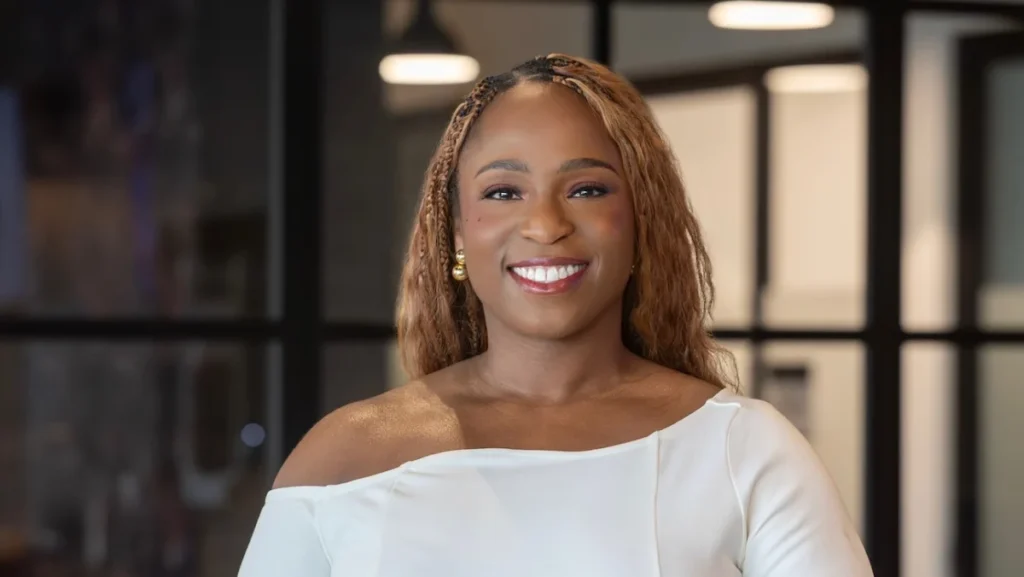
The studio’s launch is the inaugural major initiative of CEO Amanda Farrand, who took the helm at Upworthy earlier this summer. Farrand brings a wealth of institutional knowledge from the traditional entertainment sector, having previously served as a senior executive at Imagine Entertainment—the production powerhouse co-founded by Ron Howard and Brian Grazer. Her appointment suggests a deliberate attempt to bridge the gap between digital-native agility and the professional standards of the Hollywood studio system.
Joining her is Sarah Yourgrau, a two-time Emmy winner and the founder of Common Ground Studios. Yourgrau’s resume, which includes work on The Home Edit, Returning the Favor, and People You Should Know, provides the studio with immediate credibility in the unscripted and documentary space. Her expertise in crafting narratives that resonate with mass audiences aligns with Upworthy’s goal of producing content that is both commercially viable and socially additive.
The Community-First Production Model
A central tenet of the new studio’s philosophy is the "community-first" approach. In traditional television and film development, audience feedback is often an afterthought, typically gathered through test screenings after a project is near completion. Upworthy intends to invert this model. By utilizing its 17 million-strong digital community, the studio plans to involve its audience in the early stages of development, treating the creative process as a two-way dialogue.
This strategy is not entirely theoretical; it has historical precedent within the brand. For instance, the company successfully transitioned conversations from its Instagram comment sections into a New York Times bestselling book. The studio aims to replicate this success on a larger scale, using data-driven insights from its community to identify themes, topics, and human stories that are primed for long-form adaptation.
"Content may be king, but community is queen," Farrand stated in the official announcement. This mantra underscores the studio’s belief that in a fragmented media environment, brand loyalty and community engagement are the most valuable assets a production company can possess.
Implications for the Media Landscape
The move by Upworthy reflects a broader trend in the media industry: the "creator-to-studio" pipeline. As digital platforms become saturated, established brands are seeking longevity through long-form content. This shift is driven by a few key economic and cultural factors:
- Revenue Diversification: Digital advertising remains susceptible to platform-level algorithmic shifts. By producing content for streaming services and cable networks, Upworthy gains access to new revenue streams, including licensing and distribution fees.
- IP Ownership: Owning the intellectual property of a hit series or film is significantly more lucrative than relying on ad-supported traffic. Developing original slates allows the company to build a library of assets that retain value over time.
- Audience Retention: By moving from the "scrolling" consumption model of social media to the "viewing" model of streaming platforms, Upworthy hopes to deepen its relationship with its audience, moving from casual readers to dedicated viewers.
However, the transition from viral digital content to sustainable Hollywood production is fraught with challenges. The creative rigors of long-form storytelling differ substantially from the short-form, high-impact requirements of social media. The studio will need to demonstrate that its "uplifting" mission can sustain the narrative complexity required to compete in a prestige-heavy television market.
Future Outlook: Building the Slate
While the specific projects in the inaugural slate have not yet been fully disclosed, the industry expectation is that Upworthy Studios will focus on unscripted, documentary, and hybrid formats that emphasize the brand’s core values. Given Yourgrau’s track record, these projects will likely lean into the human-interest genre, leveraging the same "hero’s journey" narratives that defined the company’s viral success.
The studio is also positioning itself as a partner for creators who share its mission-driven ethos. By offering a platform that already has an established audience, Upworthy presents a compelling proposition for independent filmmakers and creators who want to ensure their stories find an immediate, receptive viewer base.
As the media industry continues to consolidate, the success of Upworthy Studios will serve as a bellwether for other digital-native brands attempting to break into traditional entertainment. If they can successfully leverage their digital community to greenlight and promote high-quality long-form content, it may redefine the standard for how production companies approach development in the 21st century.
Conclusion
The evolution of Upworthy from a 2010s viral content aggregator to a 2020s Hollywood production studio is a testament to the enduring power of brand identity. By prioritizing the community that sustained the platform through its various iterations, the leadership team is betting that the hunger for positive, humanity-first storytelling is not just a digital trend, but a foundational requirement for modern entertainment. Whether this "community-first" approach can disrupt the traditional studio model remains to be seen, but the initiative is undeniably one of the most interesting structural experiments in the current media landscape. As the company moves from the comments section to the soundstage, the industry will be watching closely to see if the "king of viral content" can effectively wear the "crown of Hollywood."