Reel Splatter Productions has officially released the first teaser trailer and promotional poster for Dead Format, an upcoming independent horror feature film directed by filmmaker and practical effects artist Mike Lombardo. Slated for release in 2027, the project is currently in the final stages of post-production. The feature-length film dives deep into the tangible nostalgia of the waning days of the physical media rental era, exploring the psychological intersection of grief, isolation, and analog obsession.
The announcement has already generated significant interest within independent horror circles, distinguishing itself from similarly titled media properties, such as the recently announced video game of the same name. While both projects share an aesthetic and thematic fascination with VHS culture, Dead Format stands as a distinct cinematic narrative centered around the haunting consequences of refusing to let go of the past.
Main Narrative Premise and Setting
Set during the twilight years of the brick-and-mortar video rental store—a cultural landscape defined by towering cardboard standees, glowing neon open signs, and the distinct scent of carpet cleaner and plastic cases—Dead Format follows a dedicated media collector. The protagonist, Kevin, portrayed by actor Mark Worth, is struggling to process the profound loss of his father. Clinging desperately to the familiar routines and artifacts of his youth, Kevin seeks comfort in the past.

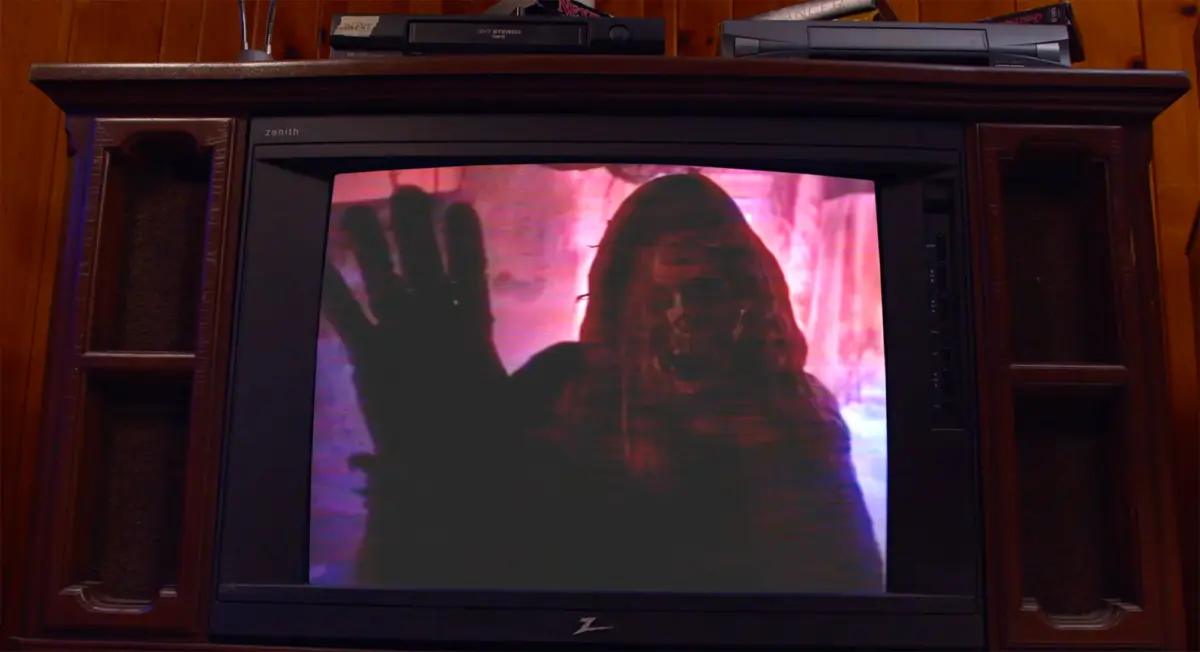
His routine takes a sinister turn when he visits his local neighborhood establishment, the meticulously recreated Video Castle, which serves as a central anchor for the film’s atmosphere. Within the dusty shelves of the dying storefront, Kevin uncovers a mysterious, unlabelled magnetic tape. What begins as a routine addition to his expanding collection quickly spirals into a harrowing psychological ordeal, revealing that absolute nostalgia can exact a terrifying toll.
The film’s promotional materials heavily emphasize practical effects, steering clear of excessive computer-generated imagery in favor of tangible, old-school creature designs and gore that pay direct homage to the golden age of 1980s and 1990s direct-to-video horror.
Cast and Creative Personnel
Dead Format marks Mike Lombardo’s second narrative feature film as a director, following his 2017 feature directorial debut, I’m Dreaming of a White Doomsday. Alongside his feature work, Lombardo has built a robust reputation within the genre community through a series of acclaimed horror short films and his foundational role in running Reel Splatter Productions, a dedicated indie filmmaking troupe based out of the United States.
Lombardo co-wrote the screenplay for Dead Format alongside Nathan Ludwig, working from an original story conceived by Lombardo himself. The production side features a collaborative team of genre veterans and creators, including producers Pat W. Dougherty, best-selling horror author Brian Keene, Samantha Kolesnik, Mike Lombardo, and Nathan Ludwig.

The ensemble cast supporting lead actor Mark Worth includes Joey Cook, Austin Greene, Fia Thomson, Mia Grichendler, Henry Sirota, Chet Williamson, and Matt Lake. Each brings a blend of indie film experience and dramatic execution to capture the gritty, grounded realism required for a period-accurate psychological horror piece.
Production Chronology and Timeline
The development of Dead Format represents a steady, organic progression for Reel Splatter Productions. While initial concept designs and writing phases began quietly, the production ramped up physical filming throughout the mid-2020s, utilizing practical locations and specialized set designs to accurately replicate the aesthetic of an authentic 1990s video rental outlet.
As of October 2026, the film has completed principal photography and is navigating the intricate phases of final sound mixing, color grading, and practical visual effects touch-ups. Creators have confirmed that the film has intentionally bypassed the traditional early-festival circuit for its initial unveiling, choosing instead to build direct-to-consumer anticipation via digital teaser trailers distributed through YouTube and official social media channels managed by @reelsplatter.
Current expectations place the completed film’s premiere window somewhere in calendar year 2027, though no specific theatrical or digital distribution platform has been publicly locked in at this nascent stage of the release cycle.

Broader Cultural Context and Industry Implications
The emergence of Dead Format arrives during a broader, sustained cultural revival of analog media, physical collecting, and 1990s nostalgia. In recent years, independent cinema has increasingly leaned into the tactile textures of VHS cassettes, CRT televisions, and abandoned commercial spaces as backdrops for elevated genre storytelling. This aesthetic movement—often referred to colloquially as analog horror or VHS-era pastiche—resonates strongly with audiences who experienced the era firsthand, as well as younger demographics fascinated by pre-digital technology.
Furthermore, the film highlights the ongoing viability and creative resilience of micro-budget and regional independent filmmaking. By utilizing a tightly knit crew of genre specialists, recognizable figures from the horror literary community (such as Brian Keene), and practical effects artists, Reel Splatter Productions exemplifies how modern indie filmmakers can bypass studio gatekeepers to cultivate dedicated global audiences. The deliberate choice to anchor a supernatural or psychological threat to a physical object—the VHS tape—taps into universal anxieties surrounding obsolescence, memory retention, and the digital erasure of physical history.
As post-production concludes over the coming months, industry observers and horror enthusiasts will be watching closely to see how Dead Format positions itself within the competitive landscape of independent genre distribution. For now, the initial teaser trailer serves as a stark reminder that while formats may inevitably change and fade into obsolescence, the terrors we unearth from the past remain remarkably permanent.