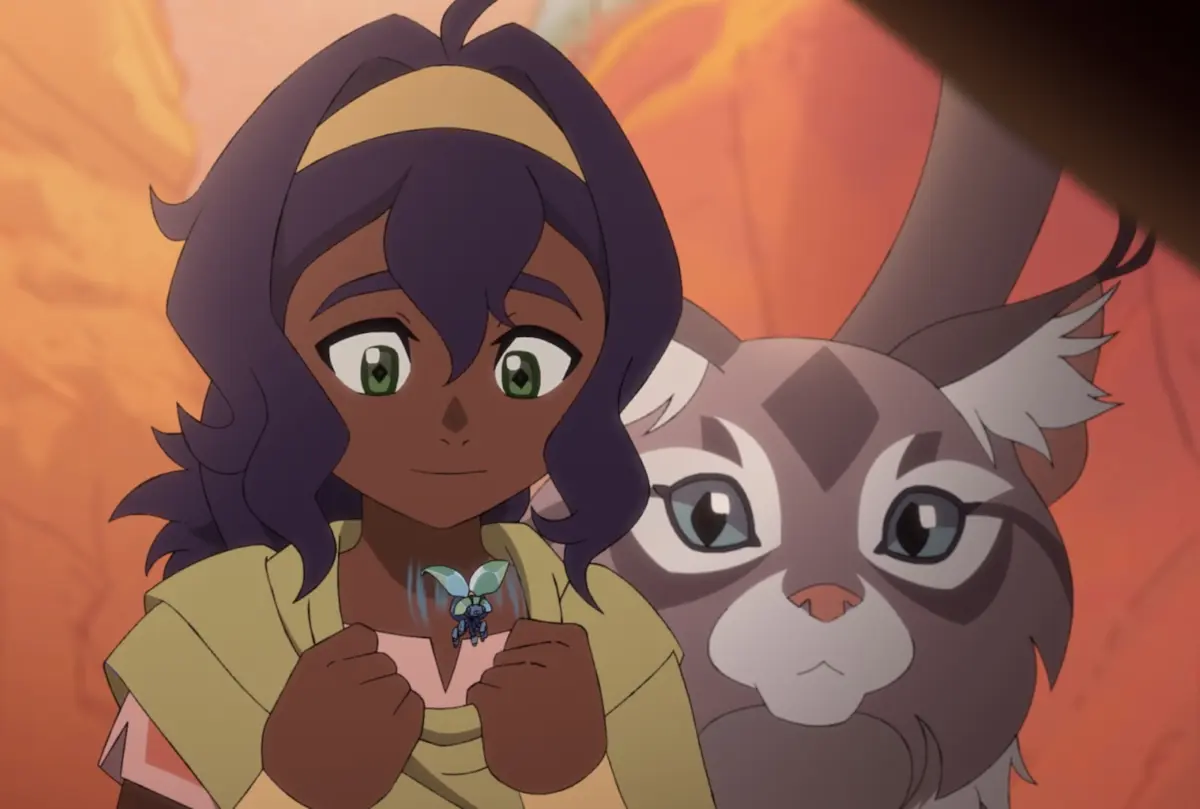
The highly anticipated animated television series Avatar: Seven Havens is officially slated to premiere on Paramount+ on October 9, 2026, bringing a fresh narrative chapter to the beloved universe created by Michael Dante DiMartino and Bryan Konietzko. Following the rich chronological lineage established by Avatar: The Last Airbender, its direct sequel series The Legend of Korra, and the theatrical animated feature Avatar Aang: The Last Airbender released earlier this year, this upcoming 26-episode, two-part epic ventures into unexplored territory within the franchise’s extensive lore. Rather than standing as an isolated side adventure, Seven Havens is designed to intricately weave together the overarching history of the Avatar world, addressing the lingering questions left in the wake of Korra’s era while introducing a brand-new generation of characters, conflicts, and mythological mysteries.
Chronological Placement and Historical Context
To fully appreciate the significance of Avatar: Seven Havens, audiences must examine the timeline of the broader franchise. The narrative universe began with the century-long war and subsequent restoration led by Avatar Aang, followed by the industrialization and societal modernization of Republic City under Avatar Korra, which culminated in the merging of the spiritual and physical worlds. Seven Havens steps forward in the timeline, positioning itself in the post-Korra epoch.
However, rather than pushing the civilization further into the modern age, the creators have deliberately chosen to pivot away from the rapid industrial and technological advancement that defined Korra’s tenure. According to series co-creator Michael Dante DiMartino in a recent interview with Animation Magazine, the society depicted in Seven Havens inherits the infrastructural developments of the Korra era but shifts its primary thematic focus away from machinery and urbanization. This creative decision bridges the technological progression of the past with a more grounded, mythic storytelling format, allowing viewers to see the natural consequences of the industrial boom while refocusing the narrative on interpersonal dynamics, societal misunderstandings, and spiritual exploration.
A Mystery-Driven Narrative Structure
At the core of Avatar: Seven Havens is a deliberate embrace of mystery and suspense. While earlier entries in the franchise frequently dealt with geopolitical warfare, imperial conquest, or revolutionary socio-political uprisings, Seven Havens prioritizes an investigative and atmospheric storytelling style. DiMartino revealed that the driving creative inspiration behind the series was the desire to construct a narrative anchored by enigmatic elements that gradually unfold across the episodes.
This mystery is directly tied to the historical gap separating the conclusion of The Legend of Korra and the present day of the new series. Events that occurred in the interim period serve as narrative catalysts, shaping the political landscape, the state of the four nations, and the collective perception of the Avatar. At the center of this intrigue is a brand-new Avatar protagonist who must navigate the immense burdens of her divine and earthly responsibilities while grappling with public skepticism. In a society that fundamentally misunderstands her true role and identity, the protagonist faces internal and external friction, elevating the emotional stakes beyond traditional elemental mastery.
Artistic Direction and Aesthetic Influences
A hallmark of the Avatar franchise has always been its distinct visual identity, transitioning from traditional hand-drawn aesthetics to sophisticated digital integrations. For Seven Havens, the production team has reaffirmed its commitment to 2D animation, ensuring stylistic continuity with its predecessors while drawing heavily from external cinematic inspirations.
Most notably, the aesthetic framework of Seven Havens is profoundly influenced by the celebrated works of Japanese animation master Hayao Miyazaki, particularly his landmark feature films Spirited Away and Princess Mononoke. DiMartino and Konietzko sought to recapture the ethereal, organic beauty and folkloric depth found in Miyazaki’s filmography. By leaning into these fantasy-based aesthetics rather than pursuing a sci-fi or overly futuristic visual language, the series establishes a timeless, wondrous atmosphere. This artistic choice reinforces the thematic shift away from Korra-era technology, enveloping the audience in sweeping landscapes, ancient ruins, and mystical phenomena reminiscent of classic fable-telling.
Production Details and Distribution Strategy
The logistical rollout of Avatar: Seven Havens reflects a massive institutional investment by Paramount Global in the enduring commercial viability of the franchise. Officially greenlit for a substantial 26 half-hour episodes, the series has been structured into two distinct storytelling parts to optimize pacing and narrative delivery.
The premiere date of October 9, 2026, on Paramount+ marks a strategic distribution milestone for the platform, which continues to position the Avatar franchise as a premier cornerstone of its original animation library. The decision to commission a 26-episode order upfront underscores the network’s confidence in DiMartino and Konietzko’s vision, granting the creators adequate space to fully flesh out complex character arcs, world-building lore, and the central multi-part mystery without the narrative compression that often plagues shorter television runs.
Broader Industry Implications and Franchise Expansion
The release of Avatar: Seven Havens arrives at a pivotal time for serialized animation, as major streaming platforms increasingly rely on established intellectual properties to secure subscriber retention and global engagement. Since the founding of Avatar Studios—a dedicated division within Paramount and Nickelodeon formed specifically to expand the universe—the franchise has transformed from a standalone television property into a sprawling multimedia cinematic universe.
The inclusion of Seven Havens alongside the recent theatrical release of Avatar Aang: The Last Airbender demonstrates a synchronized cross-platform strategy. By simultaneously producing content that explores the ancient origins of the franchise alongside futuristic or post-sequel eras, DiMartino and Konietzko are building a comprehensive narrative tapestry that spans thousands of years of fictional history.
From an analytical perspective, the success of Seven Havens will serve as a crucial bellwether for the longevity of long-running animated universes. By subverting audience expectations regarding technological progression—stepping backward from futuristic urban landscapes into a more mystical, Miyazaki-inspired paradigm—the creative team is testing whether viewers are receptive to cyclical history over linear modernization. Furthermore, focusing the narrative on an misunderstood Avatar provides a mature psychological angle that resonates with contemporary audiences accustomed to complex, morally ambiguous protagonists.
As October 9, 2026, approaches, anticipation among the global fanbase continues to intensify. With its unique blend of traditional 2D animation, a mystery-driven plot bridging the gap from The Legend of Korra, and a deliberate return to fantasy-centric mythmaking, Avatar: Seven Havens stands poised to redefine the boundaries of the Avatar universe and cement its legacy as a masterclass in modern serialized storytelling.