Distributor Kino Lorber has officially released the first teaser trailer for Soul Patrol, an acclaimed feature-length documentary directed by J.M. Harper that chronicles the untold history of the Vietnam War’s first Black special operations unit. The film, which earned significant critical praise and secured the prestigious U.S. Documentary Directing Award at the 2026 Sundance Film Festival, is scheduled for a theatrical release in select United States cinemas on November 6, 2026.
Soul Patrol examines a deeply buried chapter of American military history, focusing on an elite group of African-American soldiers who operated deep behind enemy lines during the Vietnam conflict. Rather than relying solely on traditional archival talking-head interviews, director J.M. Harper utilizes a striking narrative framework: coinciding with the 50th anniversary of the war’s conclusion, the surviving members of the unit reunite inside a hotel that functions as a surreal, liminal space. In this environment, memory, wartime brotherhood, and decades of unresolved trauma visually and emotionally collide.
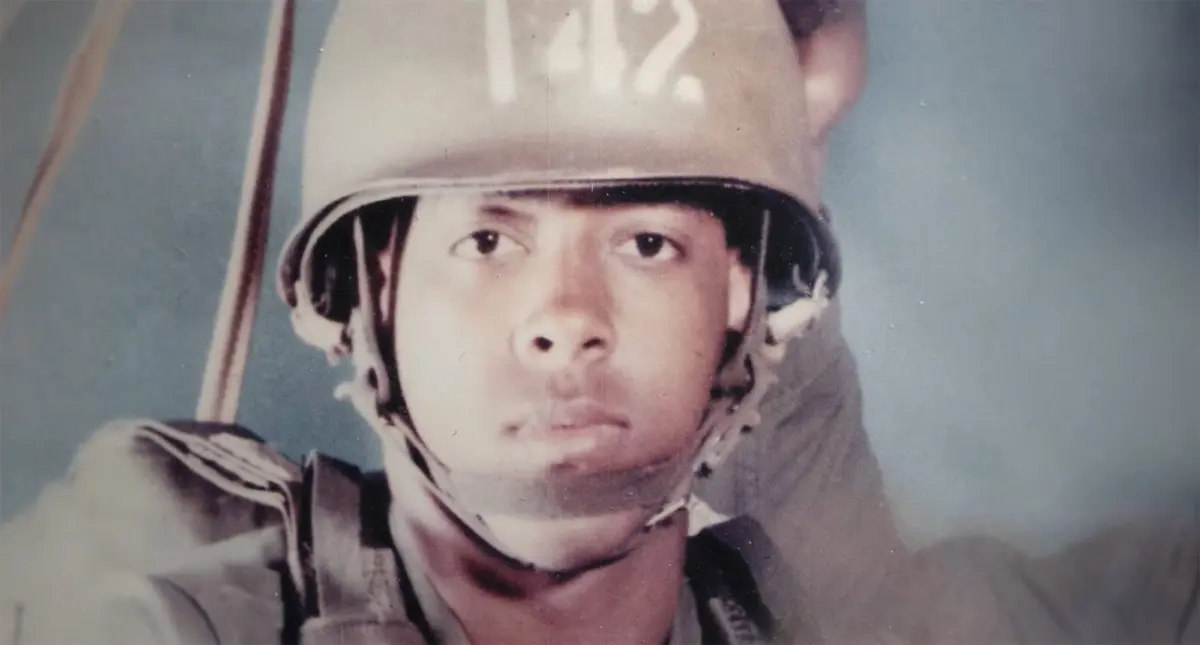
The documentary combines unprecedented access to the veterans with rare, firsthand archival materials. Harper reconstructs the unit’s perilous wartime missions using raw Super 8 film footage, personal photographs, and contemporaneous audio recordings sourced directly from the soldiers’ personal archives. Beyond detailing tactical operations, Soul Patrol offers an intimate portrait of survival, examining the heavy psychological toll borne by those ordered into combat. The film also investigates the profound societal contradictions faced by these servicemen, who fought abroad in the name of global freedom while simultaneously confronting systemic racial inequality and civil rights struggles at home.
The Journey from Sundance to Theaters

The documentary’s path to distribution began in January 2026 at the Sundance Film Festival, where it debuted to strong critical notices. Festival reviewers praised Harper’s distinct stylistic approach, which eschewed standard historical recitations in favor of a visceral, immersive exploration of memory and brotherhood. The jury recognized these directorial achievements by awarding Harper the Directing Award for U.S. Documentary.
Following its Park City premiere, Soul Patrol maintained a robust festival circuit presence throughout the spring, summer, and fall of 2026, screening at prominent cinematic gatherings, including a notable showcase at DOC NYC. These festival screenings helped build critical momentum and established the film as a major contender in the documentary feature space ahead of its commercial rollout. Kino Lorber acquired distribution rights, positioning the film for a targeted theatrical release designed to maximize its awards season visibility.
Historical Context: African-Americans in the Vietnam War
To fully understand the gravity of Soul Patrol, industry analysts and historians emphasize the broader historical context of African-American military service during the Vietnam War era. During the peak years of the conflict between the mid-1960s and early 1970s, Black Americans served in disproportionately high numbers relative to their percentage of the total U.S. population, particularly in combat infantry divisions during the early phases of the draft.
Despite their high rates of service and sacrifice, Black soldiers frequently encountered institutional racism both within the armed forces and upon returning to civilian life. Military units were officially desegregated following President Harry S. Truman’s 1948 executive order, yet racial tensions persisted within barracks and on the battlefield. Special operations units—requiring specialized, high-risk training and deep levels of trust among personnel—operated under unique pressures. The unit featured in Harper’s documentary represents a pioneering, yet largely unrecognized, component of this history, having executed high-stakes reconnaissance and combat missions that remained classified for decades.

Production and Creative Leadership
Soul Patrol is helmed by J.M. Harper, a multidisciplinary filmmaker whose previous credits include the critically acclaimed documentary feature As We Speak: Rap Music on Trial, alongside various short films and extensive work as a film editor, producer, and cinematographer. Harper’s background in editing heavily influences the rhythmic, visual pacing of Soul Patrol, allowing the archival footage and modern-day reunion sequences to seamlessly intertwine.
The film boasts a high-profile production team. It is produced by Sam Bisbee, Danielle Massie, J.M. Harper, Peter Bittenbender, and legendary hip-hop artist and entrepreneur Nasir "Nas" Jones. The involvement of such diverse creative producers highlights the project’s ambition to bridge historical documentary filmmaking with a culturally resonant, contemporary cinematic language.
Thematic Analysis and Critical Implications
Cultural critics and documentary specialists note that Soul Patrol arrives at a time of heightened public interest in the re-examination of historical narratives through marginalized perspectives. By focusing on the intersection of military service, racial identity, and psychological trauma, the film contributes to a broader cinematic and historical reckoning regarding the Vietnam War’s multi-generational impact.

The central premise of the documentary—that the surviving veterans must confront their past in a liminal space to achieve a measure of peace—reflects modern understandings of post-traumatic stress disorder (PTSD) among combat veterans. Historically, the psychological wounds of Vietnam veterans, particularly men of color, were frequently overlooked or misdiagnosed by medical professionals and government institutions. By giving these specific veterans a platform to speak collectively about their experiences, Soul Patrol offers a form of communal catharsis and historical validation.
Market Outlook and Distribution Strategy
Kino Lorber’s decision to launch Soul Patrol in select U.S. theaters on November 6, 2026, aligns with traditional specialty distribution models for prestige documentaries. By targeting independent arthouse cinemas and key metropolitan markets, the distributor aims to build word-of-mouth momentum among cinephiles, history enthusiasts, and audiences interested in social justice and military history.
The release date also places the film squarely within the window for end-of-year critical awards consideration, positioning Harper’s work as a strong contender in upcoming documentary guild and academy discussions. Audiences seeking additional information regarding theatrical showtimes, festival updates, and educational screening resources can access the distributor’s official platform via the Kino Lorber website.