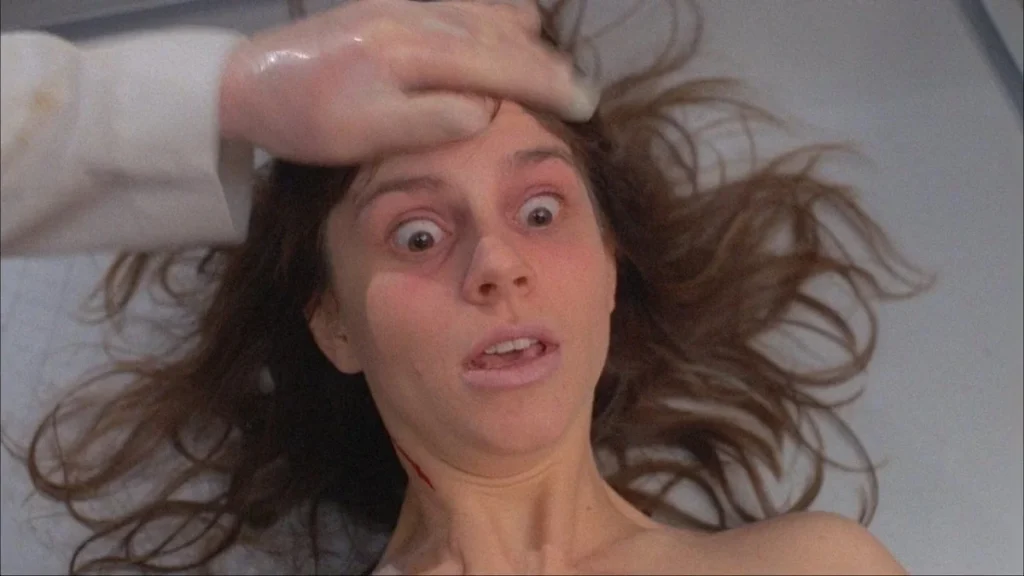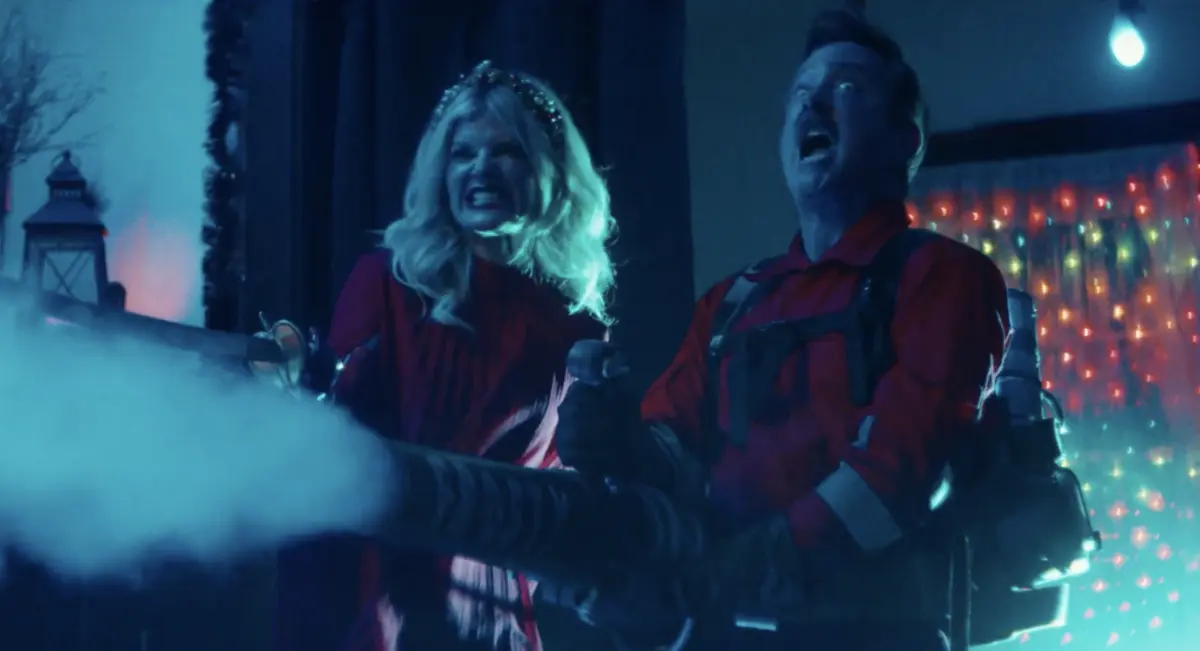
As the calendar turns to October, the retail and entertainment sectors are once again witnessing the familiar, if contentious, overlap of Halloween and Christmas iconography. While supermarkets begin their annual transition from pumpkin displays to tinsel-laden aisles, the horror film industry is capitalizing on this cultural phenomenon with the upcoming release of Christmas at the Kringles. Distributed by Briarcliff Entertainment, the film is scheduled for a wide theatrical release on October 30, positioning itself as a hybrid holiday event that bridges the gap between the season of the macabre and the season of goodwill.
Production Background and Creative Team
The project represents the latest directorial effort from Kevin Lewis, known for his work on the cult horror-action film Willy’s Wonderland. Working from a screenplay penned by Zack Imbrogno, who previously wrote the horror-comedy Slayers, the film aims to blend dark humor with traditional slasher elements. The narrative centers on the Severson family, who relocate to a seemingly idyllic neighborhood only to discover that their neighbors, the Kringles, operate under a disturbing, year-round commitment to Christmas festivities.
The plot escalates when the protagonist, Mark, uncovers a clandestine effort by the Kringles to employ hypnotic indoctrination techniques against his family. To secure his family’s safety, Mark is forced into an uneasy alliance with a rogue, vengeful iteration of Santa Claus. This premise allows the filmmakers to subvert traditional holiday tropes, transforming domestic cheer into a catalyst for suburban warfare.

The Cast: A Fusion of Comedic and Dramatic Talent
The production has assembled a notable ensemble cast, balancing seasoned comedic actors with performers experienced in the thriller and horror genres. Thomas Lennon, widely recognized for his work in Reno 911! and various character-driven comedies, headlines the film. His involvement is perceived by industry analysts as a strategic move to ground the film’s absurdity in high-caliber comedic performance.
Joining Lennon are Ron Livingston, known for his dramatic turn in The Conjuring; Rachel Bilson; Rob Riggle; Arden Myrin; and Beverly D’Angelo, who brings a meta-layer of genre credibility given her iconic role in National Lampoon’s Christmas Vacation. The addition of Donald Faison, who previously appeared in the horror-comedy Idle Hands, further solidifies the production’s intent to maintain a precarious balance between genuine tension and slapstick violence.
Trailer Analysis and Stylistic Choices
The recently released full-length trailer serves as the primary marketing vehicle for the film, emphasizing a grindhouse aesthetic that prioritizes visual impact and rapid-fire editing. Following a teaser released in September, this extended look provides a clearer indication of the film’s tonal identity. While horror elements—including the use of chainsaws, improvised weaponry, and graphic imagery—are present, the trailer highlights a heavy reliance on dark satire.
A notable visual sequence involves the desecration of holiday decor, specifically the use of a severed human head as a Christmas tree topper. This imagery mirrors recent trends in the slasher subgenre, where filmmakers increasingly utilize high-contrast, holiday-themed settings to amplify the shock value of their antagonists’ actions. Industry observers have drawn comparisons between this visual language and the Terrifier franchise, which has found commercial success by pushing the boundaries of practical effects and seasonal juxtaposition.

Industry Context: The Rise of the Holiday Slasher
The release of Christmas at the Kringles on October 30 places it firmly within the “Halloween weekend” box office window. Historically, this period is dominated by horror and thriller films. However, by introducing Christmas-themed antagonists, the film attempts to capture two distinct market segments. This strategy is not entirely new; the "holiday horror" subgenre has seen a resurgence in the last decade, with films like Krampus, Better Watch Out, and Silent Night, Deadly Night remakes finding consistent audiences on streaming platforms and in limited theatrical runs.
Data from the Motion Picture Association (MPA) indicates that horror films remain among the most cost-effective genres to produce, often yielding high returns on investment due to dedicated fan bases and lower marketing overhead compared to tentpole superhero or action franchises. By utilizing a recognizable holiday aesthetic, Christmas at the Kringles effectively lowers the barrier to entry for casual moviegoers who may be seeking a film that offers seasonal atmosphere without the commitment to a traditional, sentimental Christmas movie.
Narrative Implications and Thematic Scope
The central theme of the film—suburban paranoia—is a recurring motif in American cinema. By contrasting the "perfect" family unit of the Seversons against the eccentric, hyper-focused Kringles, the film explores the dark side of consumerist obsession and the pressure of maintaining a facade of domestic perfection. The inclusion of hypnosis as a plot device serves to heighten the stakes, moving the film away from a standard slasher-in-the-woods trope and into the realm of psychological thriller.
The involvement of a "rogue Santa" figure functions as an inversion of the archetype of the gift-giving protector. In the context of the film’s promotional material, this character acts as the primary agent of chaos, suggesting that the film will prioritize action-oriented sequences over purely atmospheric dread.

Commercial Expectations and Distribution Strategy
Briarcliff Entertainment’s decision to release the film on the eve of Halloween suggests a focus on the “event” aspect of the movie-going experience. With competition for screen time high during the autumn months, the distributor is likely banking on the film’s high-concept premise to drive word-of-mouth engagement. The repetitive and aggressive branding seen in the trailer—characterized by the persistent vocalization of the film’s title—reflects a marketing strategy designed to ensure immediate brand recognition in a crowded theatrical marketplace.
While official box office projections remain speculative, the combination of a recognizable cast and a niche, high-demand genre suggests that the film is well-positioned for a robust performance among audiences seeking a "fun" horror experience. The success of the film will likely be measured by its ability to transition from its October debut into the early holiday shopping season, potentially finding a second life on Video-on-Demand (VOD) services as December approaches.
Conclusion: A Seasonal Hybrid
Christmas at the Kringles stands as a reflection of the current cultural landscape, where the lines between distinct holidays have blurred significantly in the public consciousness. By leaning into the absurdity of its premise—featuring everything from bondage to chainsaw-wielding conflict—the film aims to provide a cathartic experience for audiences weary of traditional holiday sentimentality. Whether the film succeeds in its ambition to become a permanent fixture of the holiday horror canon will depend on its execution of these comedic and violent elements in tandem.
As the industry prepares for the film’s October 30 debut, the discourse surrounding the title serves as a reminder of the enduring power of the slasher subgenre to adapt to changing seasonal trends. For viewers looking to start their holiday season with a subversive, high-octane twist, Christmas at the Kringles offers an unconventional alternative to the standard theatrical fare of late 2026. The film invites audiences to reconsider the "most wonderful time of the year," suggesting that sometimes, the most festive celebrations are those that require a chainsaw to keep the peace.