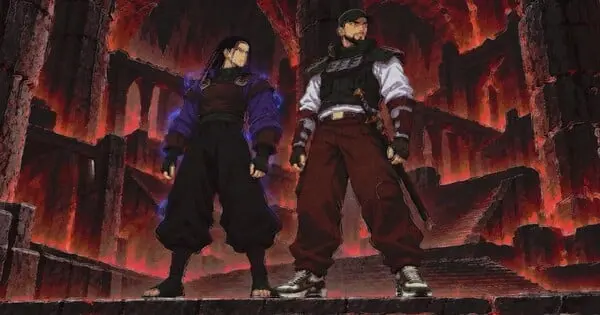
The global music landscape witnessed a striking convergence of hip-hop culture and Japanese animation aesthetics this past Friday, as Marshall Mathers—professionally known as Eminem—released a high-profile track titled "MADARA." The song, a collaborative effort with Filipino-American rapper Ezekiel "EZ Mil" Sapiera, draws thematic inspiration from one of the most iconic antagonists in modern manga history: Madara Uchiha from Masashi Kishimoto’s Naruto series. The production notably features contributions from Neil Kaplan, the English voice actor for the titular villain, and Japanese rapper Hideyoshi, signaling an increasingly common trend of genre-blending between the music industry and Japanese pop culture.
Thematic Foundations and Production Context
The track "MADARA" serves as a lyrical exploration of dominance and legacy, using the character of Madara Uchiha as a metaphor for lyrical supremacy in the rap game. Within the Naruto lore, Madara Uchiha is recognized as a legendary shinobi who sought to reshape the world through absolute power, a narrative arc that Eminem adapts to reflect his own storied career in the hip-hop industry.
The collaborative nature of the project spans multiple continents. Eminem, signed to Shady Records, has been a vocal supporter of EZ Mil, a Filipino rapper who has rapidly gained international traction. By incorporating Neil Kaplan—who provided the definitive English dub voice for the character—the track bridges the gap between voice acting performance and musical composition. While the track is heavily stylized around the character, participants have clarified that the song does not utilize specific plot elements such as the "Divine Tree," a central component of the character’s plan in the series, opting instead to focus on the character’s aura of unrivaled power.
Chronology of the Release
The rollout for "MADARA" was characterized by a coordinated social media campaign that built anticipation throughout early October 2026. The timeline of the release reflects a modern digital marketing strategy:
- October 9, 2026: EZ Mil officially updated his social media profiles, signaling a shift in branding toward the "MADARA" project. Simultaneously, Neil Kaplan hinted at the complexity of the track on social media, noting that "there is also another voice on this track," sparking speculation among fans regarding hidden cameos or additional layers within the audio production.
- October 10, 2026: Eminem formally announced the track on his official X (formerly Twitter) account. He provided a direct quote from the lyrics: "Out of all the rappers I’ve slain who have come at me I never felt guilt, cuz it wasn’t murder, just suicide ‘Cause really they all got themselves killed." This sentiment echoed the cold, detached arrogance characteristic of Madara Uchiha, effectively setting the tone for the release.
- October 11, 2026: The official music video was made available for streaming, accompanied by the announcement that the track was live across all major digital music platforms.
Industry Impact and Artist Perspectives
The inclusion of voice acting talent in mainstream hip-hop is a burgeoning niche. Neil Kaplan’s participation marks a rare instance where the voice of an anime villain is credited as a primary contributor to a high-charting musical release. Kaplan’s cryptic social media interaction regarding "another voice" on the track has led to extensive discussions within the anime fan community, further driving engagement with the song.
Hideyoshi, the Japanese rapper featured on the track, underscored the synergy between the two cultures in a promotional video, stating, "A thousand shadow clones… but only one Shady. The final presence has awakened." This phrasing intentionally references the "Shadow Clone Jutsu," a signature technique of the Naruto series, effectively tying the musical aesthetic to the source material’s vocabulary.
Historical Significance of the Naruto Franchise
The Naruto manga, written and illustrated by Masashi Kishimoto, remains one of the most influential works in the history of the medium. Serialized in Shueisha’s Weekly Shonen Jump from 1999 to 2014, the series transcended its origins as a comic book to become a multi-billion-dollar global franchise. Its influence extends to television, feature films, video games, and theater productions.
The release of "MADARA" coincides with a period of renewed interest in the Naruto intellectual property. At the New York Comic Con on October 10, 2026, Masashi Kishimoto confirmed plans for a new Naruto manga series, an announcement that has generated significant momentum for the brand. Additionally, the Naruto production team revealed a crossover project with the ninja series Ninku, indicating that the franchise is moving toward an era of cross-pollination and collaborative storytelling.
Analyzing the Intersection of Rap and Anime
The fusion of Eminem’s aggressive, technical rap style with the mythos of Naruto is not merely a marketing gimmick; it reflects a deeper cultural shift where anime has become a primary touchstone for pop culture icons. Historically, hip-hop has frequently referenced martial arts cinema and urban struggle, and the transition to anime—specifically the "shonen" genre—is a logical evolution.
From a commercial perspective, this collaboration leverages the massive, multi-generational appeal of Naruto. By tapping into a fanbase that has matured alongside the series, Eminem and EZ Mil are reaching a demographic that values technical lyrical prowess and deep-seated nostalgic references. The track functions as an "event" release, designed to trigger social media discussion and algorithmic discovery through the shared interest in both the Naruto fandom and the hip-hop community.
Technical and Cultural Implications
The decision to feature a voice actor like Neil Kaplan, rather than simply sampling audio, represents an evolution in how intellectual property is utilized in music. It requires legal clearance and collaboration with rights holders, suggesting that Shueisha and the Naruto production staff are increasingly open to high-profile brand integrations.
Furthermore, the participation of international artists like EZ Mil and Hideyoshi reflects the globalized nature of modern music consumption. By blending Filipino, Japanese, and American artistic perspectives, the song "MADARA" acts as a microcosm of the interconnected digital world. It is highly probable that this will serve as a template for future collaborations, where music labels partner with animation studios to create cross-media experiences that extend beyond standard promotional tie-ins.
Future Prospects
As the Naruto franchise enters its next chapter, the success of "MADARA" suggests that the series will continue to permeate non-traditional channels. The track is not merely an homage; it is a assertion of the brand’s enduring relevance. With the announcement of the new Naruto manga and the Ninku crossover, the momentum behind the franchise is at its highest point in a decade.
For the music industry, the success of this collaboration will likely lead to increased interest in anime-inspired themes. As platforms continue to prioritize engagement, the overlap between the anime community—known for its high digital activity—and the music industry is set to grow. Eminem’s involvement, in particular, validates this trend, moving anime references from niche "Easter eggs" to central components of mainstream artistic expression.
In summary, the release of "MADARA" is a significant moment that underscores the enduring power of the Naruto narrative. By bridging the gap between historical anime villainy and contemporary hip-hop, the artists involved have created a unique cultural artifact that serves both as a tribute to Kishimoto’s creation and a testament to the evolving nature of the music industry in the age of global digital fandom. The track stands as a definitive example of how legacy franchises can remain vibrant and influential, provided they are willing to engage with the modern, interconnected cultural landscape.