The International Documentary Film Festival Amsterdam (IDFA) has officially unveiled the comprehensive competition lineups for its 39th edition, solidifying its reputation as the world’s most influential gathering for non-fiction cinema. Running from November 12 through November 22, 2026, the festival will showcase an expansive program of 253 titles representing 80 countries, ranging from immersive personal portraits to critical geopolitical investigations. As the festival prepares to open its doors in the Dutch capital, the curated selections reflect a cinematic landscape increasingly preoccupied with the intersections of human resilience, the legacy of conflict, and the deconstruction of traditional narratives.
Opening the 39th Edition
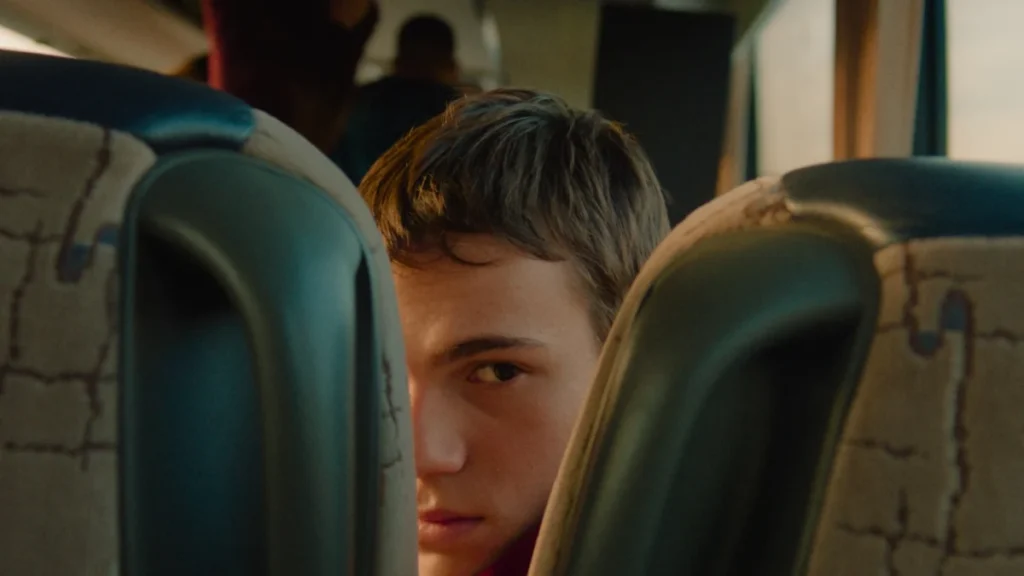
The festival’s opening night will feature the world premiere of White Tiger Column, a high-stakes documentary directed by Robert Mentov, Dwight Jantzi, and Bryan Dickie. Selected for the prestigious International Competition, the film offers an intimate, high-tension look at the Myanmar resistance movement. By tracking a cohort of young volunteers through 45 days of rigorous jungle training, the directors provide a rare glimpse into the daily lives and psychological pressures of those preparing for armed struggle.
Festival organizers have lauded White Tiger Column as a defining example of modern documentary filmmaking, noting that it serves as a "moving portrait of a courageous generation" willing to risk everything for political and personal autonomy. The selection of this film as the opener underscores IDFA’s historical commitment to highlighting human rights and the grassroots struggles for freedom in regions often obscured from the mainstream global lens.
A Structural Overview of the Competitive Program
IDFA 2026 is organized into several key competitive and non-competitive sections, each designed to highlight specific methodologies within the documentary medium. The festival’s structural philosophy for this year focuses on "critical reflection" and "formal experimentation."
The International Competition features 13 films that challenge viewers to engage with the world’s most pressing complexities. These works were chosen for their ability to weave layered, multifaceted perspectives on the present moment, moving beyond simple reportage into the realm of profound, investigative art.
Parallel to this, the Envision Competition—comprising another 13 titles—serves as the festival’s hub for formal innovation. In these works, the narrative is driven by visual strategy and structural audacity. The prevalence of memory as a thematic pillar in the Envision category, highlighted by multiple titles explicitly referencing the concept, suggests a collective directorial focus on how the past haunts or informs current lived experiences.
The Luminous section, exclusively dedicated to premieres, presents 21 features and shorts that explore the "big questions of life" through deeply personal narratives. With 19 world or international premieres and nine debut features, this section serves as a barometer for emerging talent and experimental storytelling. Notable entries include Laura Bermúdez and Jorge García’s Where the Sun Is Born, an immersive exploration of Afro-Caribbean roots, and the IDFA Bertha Fund-supported She Was Not Alone by Hussein Al-asadi, which captures the fragile, nature-bound existence of an elderly woman in Iraq’s rapidly diminishing southern marshlands.
Addressing the Front Lines: Social and Political Realities
The "Frontlight" section, a premiere-only program consisting of 16 films, serves as the festival’s most direct engagement with current affairs. Rather than focusing solely on battlefield dynamics, the program captures the "front lines" of social, cultural, and artistic struggle.

Among the standout features in this category is Afsaneh Salari’s Tehran, Under the Skin. The film acts as a sociological mirror, examining the cosmetic surgery industry in Iran. By focusing on the intersection of physical perfection, conservative state mandates, and the intense social pressure exerted on women, Salari provides a nuanced critique of bodily autonomy in a restrictive environment. Other entries in the program, such as Sergii Bazhenov’s Every Death Diminishes Me, bridge the gap between human experience and the grim realities of modern warfare, documenting the harrowing daily life of medics on the front lines.
Chronology and Evolution of the Festival
Since its inception, IDFA has evolved from a niche event for industry professionals into a massive public-facing cultural phenomenon. The 2026 edition represents a culmination of nearly four decades of growth. In the early years, the festival focused largely on European output; today, it is a truly global ecosystem.
- 1988: IDFA is founded in Amsterdam, establishing a primary mission to promote independent documentary film.
- 2000s: The festival expands its influence, introducing the IDFA Bertha Fund to support filmmakers in developing countries, a move that significantly diversified the festival’s submissions.
- 2020-2025: The festival navigates the digital transition, implementing hybrid screening models and increasing its focus on "New Media" and interactive storytelling.
- 2026: The 39th edition reaches a milestone of 253 titles, reflecting a post-pandemic surge in independent production and a renewed focus on complex, long-form documentary journalism.
Economic and Cultural Implications
The impact of IDFA on the global documentary market cannot be overstated. As a key marketplace for sales agents, distributors, and streaming platforms, the festival dictates which films will receive global distribution in the coming year. The inclusion of high-profile names such as Alex Gibney, whose film Musk is featured, alongside Nathan Fielder, Lance Oppenheim, and Albert Serra, highlights the festival’s unique ability to attract both established industry titans and avant-garde auteurs.
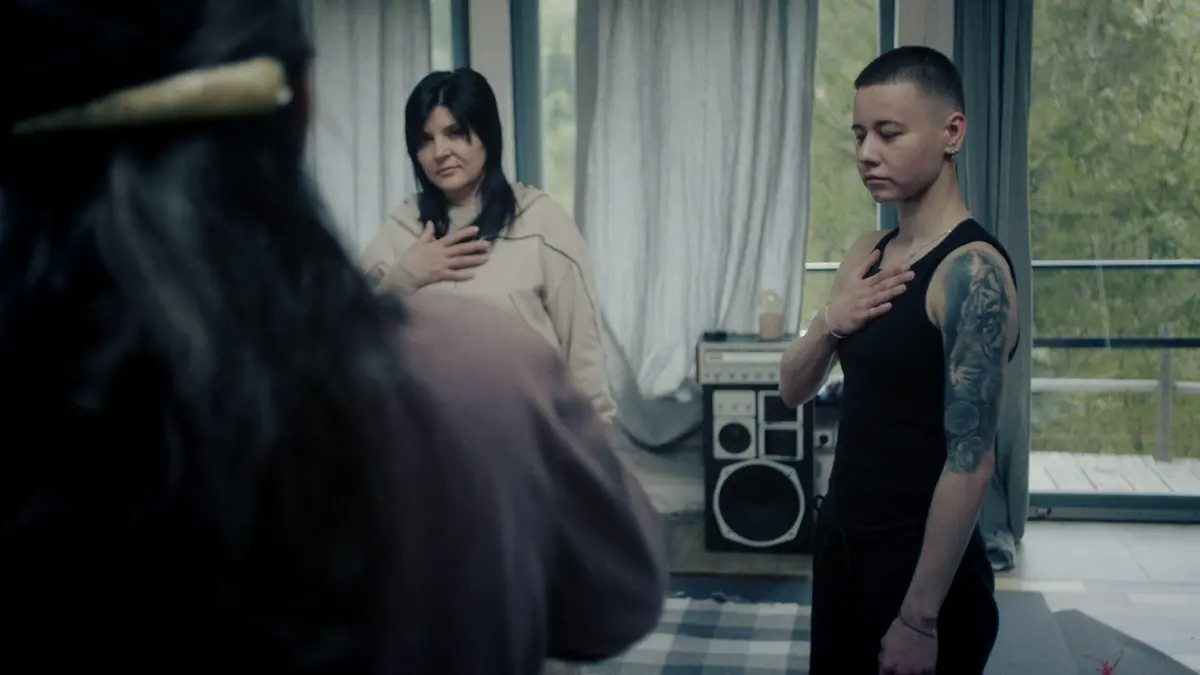
The emphasis on films from 80 countries ensures that the festival remains a vital platform for diverse geopolitical narratives. By providing a stage for stories from Myanmar, Iraq, Iran, Honduras, and beyond, IDFA acts as a conduit for cross-cultural empathy. This year’s focus on the "restraints of patriarchal traditions," as seen in Raluca Lupașcu’s A Modern Roma Fairytale, demonstrates the festival’s role in elevating marginalized voices and stories that might otherwise be stifled by commercial or political interests.
Institutional Strategy and Response
In a press briefing following the announcement, IDFA organizers emphasized that the 2026 lineup is a response to a world in flux. "The selected works invite curiosity and critical reflection on our world today," a festival spokesperson stated. The curatorial team expressed that by prioritizing "distinctive visual approaches," they hope to provide audiences with "new ways of seeing and understanding" the subjects they explore.
The decision to feature works that grapple with the "human cost of war" and the "pressures of conservative societies" is not merely a thematic choice but an intentional push to keep documentary film relevant in an era of polarized media. By selecting films that require sustained attention—such as the 118-minute Small Expectations or the 111-minute Lyrical Vengeance—the festival is positioning itself against the rising tide of short-form, algorithmic content, asserting that long-form documentary remains the most effective tool for deep-dive analysis.
Conclusion: A Barometer for 2027
As the global film industry looks toward the 2026-2027 award season, the selections at IDFA will serve as the primary indicators of which topics will define the upcoming year in non-fiction cinema. With an emphasis on memory, the preservation of identity, and the struggle against systemic oppression, the 39th edition of the festival is poised to leave a significant mark on the cultural consciousness.
From the quiet, meditative marshlands of Iraq to the chaotic, high-pressure cosmetic clinics of Tehran, the films of IDFA 2026 offer a comprehensive, if often sobering, survey of the human condition. For the thousands of professionals, filmmakers, and enthusiasts set to descend upon Amsterdam this November, the festival represents more than just a screening schedule; it is an essential assembly for those who believe that, in a world of fractured truths, the documentary lens remains one of our most reliable instruments for clarity.