The entertainment industry and television critics have closely monitored the rapid trajectory of Paramount+’s latest animated expansion, Avatar: Seven Havens, which made its highly anticipated debut on the streaming platform last week. Garnering largely positive reviews from both long-term enthusiasts and new viewers alike, the fantasy-focused series achieved a significant milestone when Paramount announced a rare dual-season renewal, greenlighting Seasons 3 and 4 prior to the conclusion of the first batch of episodes. Despite this immediate commercial and critical success, the series has unexpectedly ignited a firestorm within the fandom. Much of the discourse surrounding the premiere centers not on the new roster of characters or the shifted world-building, but rather on the controversial in-universe portrayal of Avatar Korra, the protagonist of the franchise’s preceding television series, The Legend of Korra, which aired from 2012 to 2014.
Chronology of the Controversy and In-Universe Lore
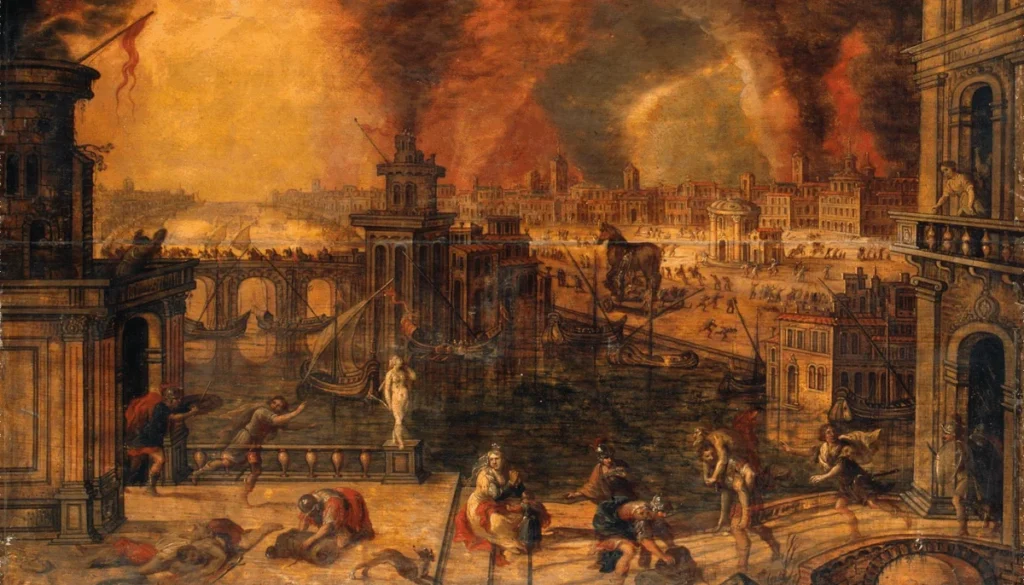
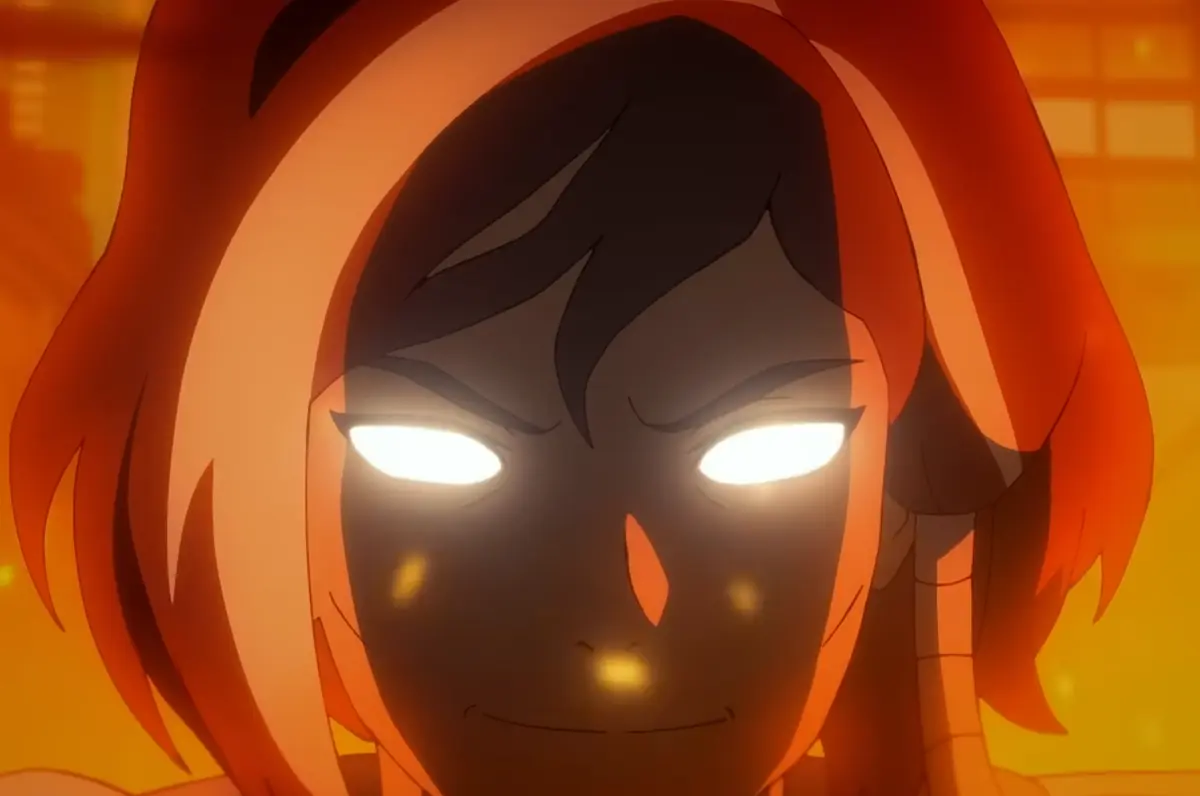
The narrative catalyst for the controversy occurs within the opening episodes of Seven Havens. Set approximately 225 years after a global catastrophe referred to simply as the "Cataclysm," the series introduces a world drastically altered by historical trauma. In this era, the historical perception of Avatar Korra has undergone a radical and dark revision. Rather than being remembered as a savior who restored balance to the physical and spiritual realms, Korra is publicly vilified by the post-Cataclysm society. The premiere depicts a civic festival that re-enacts historical events, explicitly framing Korra’s tenure as the direct and intentional cause of the near-apocalyptic destruction that nearly wiped out human civilization.
To contextualize this within established franchise lore, such a depiction diverges significantly from the actual events of The Legend of Korra. Throughout the four seasons of her original series, Korra navigated immense geopolitical and spiritual crises. Her most defining decisions included keeping the spiritual portals open following the convergence of the physical and spirit worlds, a choice designed to reintegrate spirits into human society. While this decision yielded immediate systemic challenges—such as the sudden manifestation of airbending abilities across the global population and subsequent socio-political unrest—the narrative of her series never depicted her actions as deliberately malicious or cataclysmic on the scale alleged by the citizens in Seven Havens. Furthermore, Korra’s loss of connection to her past lives—a trauma inflicted upon her by her uncle Unalaq during the Harmonic Convergence—has historically been viewed by fans as a tragic consequence of her battles rather than a failure of her stewardship.
Background Context: Real-World Reception of The Legend of Korra
The decision by the Seven Havens writers’ room to portray Korra as a historically reviled figure has struck a raw nerve, largely because it mirrors the genuine, often polarized real-world controversies that followed The Legend of Korra during its original broadcast run. Throughout its four-season broadcast, Korra as a character and the series as a whole faced intense scrutiny from specific segments of the audience.
Criticisms ranged from systemic biases—including backlash against the show’s prominent LGBTQ+ themes, notably Korra’s concluding romantic relationship with Asami Sato—to comparative friction from fans loyal to the original series, Avatar: The Last Airbender. Critics within the fandom frequently argued that Korra was impulsive, less effective as a diplomat than her predecessor Aang, and prone to making policy decisions that destabilized global security. This intersection of genuine narrative critique and external socio-cultural pushback created a uniquely divisive legacy for the character, making her treatment in Seven Havens a potent touchstone for long-standing debates regarding the handling of female protagonists in legacy franchises.
Reactions from the Cast and Creative Leadership
The creative choice to position Korra as a villainous historical figure has elicited strong emotional responses from those closely associated with the franchise. Janet Varney, who provided the voice for Korra throughout the original series, publicly shared her distress regarding the premiere episodes during a recent media appearance. Varney admitted to being deeply unsettled by the narrative trajectory, noting that she wept through the pilot episode and felt profound anxiety for the dedicated fanbase that has defended the character for over a decade. Varney expressed particular heartbreak over scenes depicting children within the narrative discussing Korra as if she were a monstrous entity, describing the experience as personally devastating for someone who spent years humanizing the character.
In contrast, series co-creators Michael Dante DiMartino and Bryan Konietzko have urged fans to exercise patience, indicating that the initial framing of Korra is designed to be contextualized as the narrative unfolds. Speaking in recent promotional interviews, Konietzko addressed the persistent double standards applied to Korra by a vocal faction of the audience. He drew parallels between Korra’s struggles and those of Aang, noting that while Aang’s entire nomadic culture was eradicated—a tragedy external to his actions—Korra has historically been held to an unyielding standard of perfection. Konietzko explicitly pointed to lingering misogyny and homophobia as underlying factors in the disproportionate criticism leveled against Korra’s character arc, emphasizing that her overarching narrative remains a powerful exploration of resilience, trauma recovery, and systemic repair.
DiMartino echoed these sentiments, reassuring the audience that Korra remains one of his personal favorite figures within the broader mythology. He noted that the franchise has consistently refused to present its Avatars as infallible demigods, preferring to depict them as flawed individuals navigating monumental responsibilities. Both creators strongly implied that the accusations hurled against Korra in the early episodes of Seven Havens are narrative red herrings meant to subvert expectations rather than a definitive condemnation of her legacy.
Broader Implications and Industry Analysis
From an analytical perspective, the inclusion of Korra’s controversial legacy in Avatar: Seven Havens serves multiple functions within modern serialized storytelling. Financially and strategically, tapping into established fan discourse generates substantial organic engagement, driving social media metrics and weekly viewership retention as audiences tune in to discover the true nature of the historical record. Creatively, it represents a bold meta-narrative risk. By weaponizing the real-world grievances of a polarized fanbase and injecting them directly into the fictional universe’s historical canon, the writers are actively engaging with the sociology of memory and how societies construct historical narratives around powerful figures.
Industry analysts suggest that this storytelling mechanism carries both high rewards and considerable risks. If the forthcoming episodes deliver a satisfying resolution that vindicates Korra and recontextualizes the villagers’ misunderstandings, the narrative arc will likely be praised as a clever deconstruction of fandom toxicity and historical revisionism. Conversely, if the execution alienates the core demographic that championed the character through her original run, it risks fracturing goodwill across the broader multi-generational fanbase.
As Avatar: Seven Havens continues its inaugural run on Paramount+, all eyes remain on the writers’ room to see how the historical mystery of the Cataclysm is resolved. While the immediate shock of Korra’s in-universe vilification has caused understandable distress among cast members and longtime devotees, the creators’ assurances suggest a more nuanced and redemptive payoff awaits. For now, the series has successfully reignited one of modern animation’s most passionate debates, proving that the legacy of the Avatar continues to resonate deeply across generations of viewers.