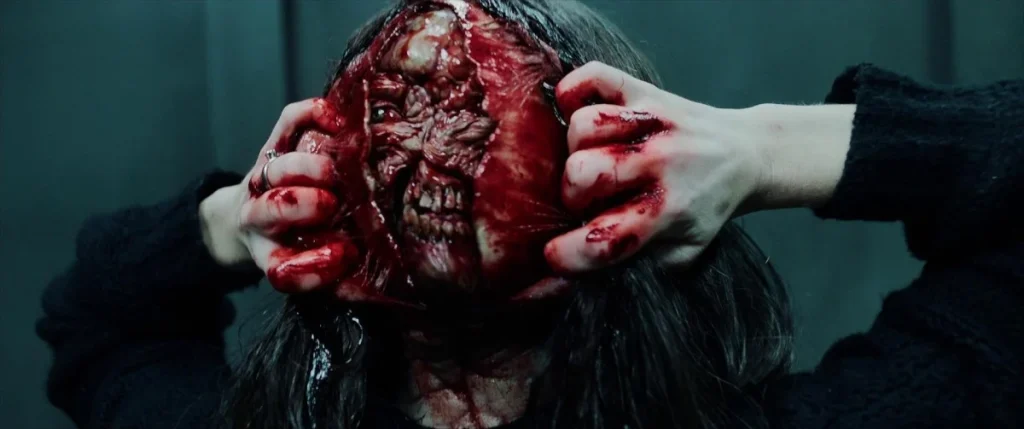
The upcoming DC cinematic venture, Clayface, has officially been classified with an 18 rating by the British Board of Film Classification (BBFC), signaling a definitive departure from the traditional, family-friendly superhero fare typically associated with comic book adaptations. The regulatory body cited "strong bloody violence" and "injury detail" as the primary drivers for this restrictive classification, which prohibits individuals under the age of 18 from attending theatrical screenings in the United Kingdom. This decision aligns with the film’s previously established R-rating in the United States, where the Motion Picture Association (MPA) similarly identified high levels of gore, profanity, and thematic intensity as key components of the production.
Contextualizing the Shift Toward Mature DC Content
The decision to pursue an adult-oriented rating for a character historically tied to the Batman mythos represents a broader strategic shift within the DC Universe. For decades, characters like Matt Hagen—the tragic figure behind the Clayface persona—were confined to the parameters of PG-13 narratives. However, the success of standalone, darker character studies has emboldened studios to explore the visceral horror potential inherent in the source material.
By focusing on the physical and psychological disintegration of the protagonist, the film production team has moved away from the archetypal "hero vs. villain" dynamic toward a grounded, body-horror exploration of identity and trauma. The BBFC’s decision confirms that this is not merely a stylistic choice but a fundamental aspect of the film’s narrative structure, one that prioritizes a graphic portrayal of the antagonist’s transformation over broader, franchise-wide accessibility.
Chronology of Production and Classification
The development of the project has been characterized by a transparent commitment to its dark tone. Below is a timeline of the key milestones leading up to the film’s release:
- Initial Concept Phase: Announced under the vision of director James Watkins, the project was framed as a psychological thriller rooted in the DC lore but detached from the expansive interconnectedness of standard superhero cinematic universes.
- Production and Principal Photography: Filming proceeded under the guidance of Watkins, known for his work on Eden Lake and Speak No Evil, establishing an expectation of intense, high-stakes storytelling.
- MPA Rating (US): In the weeks leading up to the release, the Motion Picture Association confirmed an R rating for the film, noting "strong bloody violence, gore, language, some nudity and brief drug use."
- BBFC Classification (UK): The British Board of Film Classification finalized the 18 certificate in October 2026, officially setting the runtime at 108 minutes and 20 seconds.
- Theatrical Premiere: The film is scheduled to arrive in global theaters on October 23, 2026.
The Creative Team Behind the Transformation
The project’s gravity is bolstered by a significant creative team. James Watkins, a director with an established pedigree in the horror genre, brings a specific visual language to the screen that favors suspense and physical dread. The screenplay, penned by Mike Flanagan—a visionary in modern horror—and Hossein Amini, ensures that the film’s violence is not incidental but tied to the protagonist’s descent.
Tom Rhys Harries portrays Matt Hagen, an actor whose life is irrevocably altered by a disfiguring incident involving a powerful crime syndicate. The plot hinges on an experimental medical intervention intended to restore his former life, which instead results in a horrific, malleable physiological state. The supporting cast, including Naomi Ackie, Max Minghella, and Eddie Marsan, provides the necessary dramatic weight to balance the film’s more extreme visual sequences.
Analysis of Financial and Narrative Implications
From a market perspective, the decision to secure an 18/R rating carries distinct economic implications. While such classifications limit the available ticket-buying audience, they also serve as a signal to a specific demographic of adult horror enthusiasts. By prioritizing creative integrity over mass-market appeal, the studio is betting on the "prestige horror" model—a strategy that has yielded high returns for independent and mid-budget films in recent years.

The choice to lean into "strong bloody violence" serves as a narrative necessity for the character of Clayface. Unlike traditional supervillains who rely on weaponry or tactical intellect, Clayface’s primary weapon is his own body. Representing this on screen requires a degree of visceral detail that would be impossible to convey within a more restrictive, lower-rated framework. The 18 rating essentially provides the filmmakers with the clearance to visualize the tragedy of Matt Hagen without the constraints of self-censorship, thereby creating a more authentic, albeit disturbing, portrayal of the character.
Regulatory Standards and Audience Safety
The BBFC’s role in this classification process is to ensure that content is categorized accurately based on the potential for harm or offense. The inclusion of "injury detail" as a specific note in the rating suggests that the film contains prolonged or graphic depictions of bodily harm, which is consistent with the nature of a character who is defined by his ability to reshape his flesh.
This classification also serves as a safeguard for audiences. In an era where comic book films are often perceived as "safe" for all ages, the 18 rating acts as a clear warning to parents and exhibitors. For the UK market, the 18 certificate is the most restrictive category available for commercial exhibition, ensuring that theaters have the legal backing to refuse entry to minors, thereby maintaining the integrity of the exhibition environment.
Broadening the Scope of the DC Universe
The release of Clayface marks a significant pivot point for DC’s portfolio. By allowing directors and writers to experiment with genre-specific tones, the studio is effectively diversifying its output. The implication for future projects is clear: the company is no longer interested in maintaining a singular, monolithic tone across all its properties. Instead, the focus has shifted toward bespoke storytelling that respects the source material’s more mature, darker edges.
Whether this move will trigger a long-term trend remains to be seen, but the industry response to the film’s promotional material suggests a high level of anticipation for a more adult-centric take on DC’s roster. As audiences move toward more sophisticated narrative structures, the demand for films that do not shy away from the darker implications of their premises is growing.
Conclusion: A New Era of Comic-Book Horror
As the October 23 release date approaches, Clayface stands as a testament to the maturation of the comic book genre. By embracing the horror inherent in the character’s condition, the filmmakers have crafted a work that demands an 18 rating—not for the sake of being provocative, but for the sake of being honest to the story they have chosen to tell.
The 108-minute runtime promises a focused, intense experience that avoids the bloat often found in larger franchise entries. With a strong cast and a clear vision from a seasoned director, Clayface is positioned to be a pivotal case study in how to transition iconic, established characters into the realm of adult-oriented cinema. For those seeking a visceral, high-stakes exploration of a character pushed to the edge, the film represents the most direct, unvarnished look at the tragedy of Matt Hagen to date. As the industry looks forward, the success of this endeavor may well determine the future of other "villain-centric" projects currently in the development pipeline.