Jane Austen’s timeless 1811 novel Sense and Sensibility has once again made its way to the silver screen, courtesy of Focus Features, in a 2026 cinematic adaptation that reinterprets the beloved literary classic for contemporary audiences. Directed by acclaimed filmmaker Georgia Oakley from a sharply observed screenplay by Diana Reid, the period romantic drama explores the enduring themes of love, sisterhood, financial vulnerability, and societal expectation. To mark the theatrical release of the film, lead actress Daisy Edgar-Jones and director Georgia Oakley sat down with the Next Best Picture Podcast to discuss the creative process, character development, and the unique challenges of modernizing a foundational text of English literature.
The narrative framework of the 2026 film remains faithful to Austen’s original premise while offering a fresh psychological depth. The story centers on the Dashwood sisters—Elinor and Marianne—alongside their younger sister and widowed mother, Mrs. Dashwood. Following the sudden death of Mr. Dashwood, the family is disinherited due to English inheritance laws of the era, which favor male heirs. Stripped of their family estate and financial security, the women are forced to relocate from their comfortable ancestral home in Sussex to Barton Cottage, a modest dwelling in Devonshire provided by a generous relative. There, the pragmatic and reserved Elinor navigates her quiet heartbreak over the unavailable Edward Ferrars, while the passionate and romantic Marianne falls headlong into a tumultuous affair with the charming but mercurial John Willoughby, all under the watchful, steady devotion of the older, melancholic Colonel Brandon.
A Star-Studded Ensemble Cast
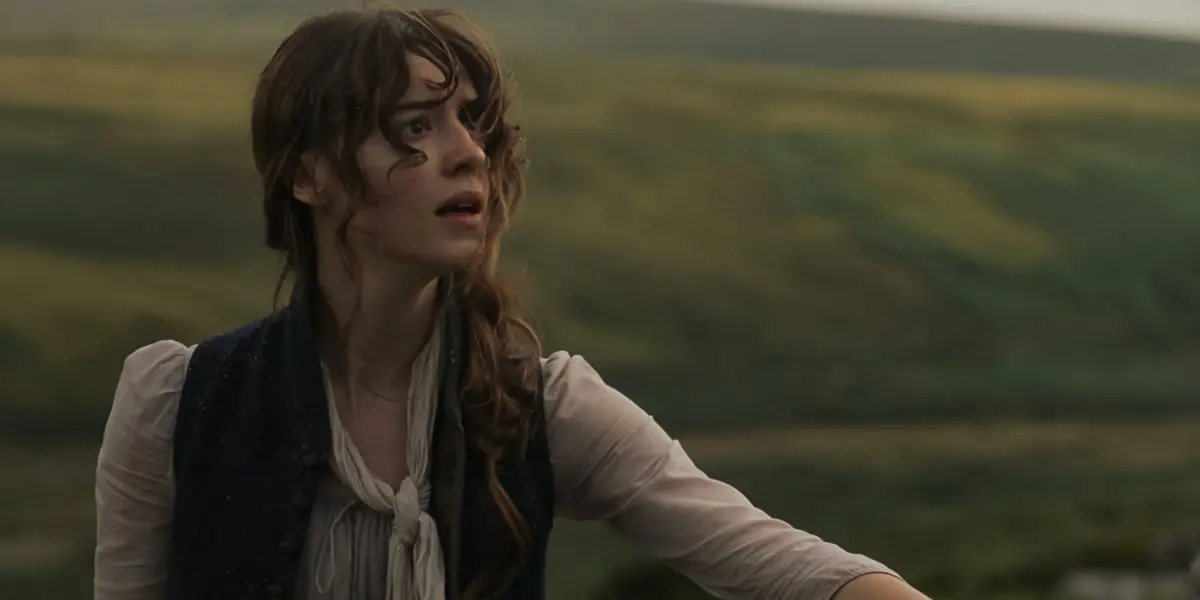
The production boasts an impressive roster of contemporary talent, bringing nuance and emotional resonance to Austen’s iconic archetypes. Daisy Edgar-Jones, widely recognized for her breakout performances in Normal People and Where the Crawdads Sing, steps into the role of Elinor Dashwood, portraying the character’s characteristic restraint, quiet fortitude, and deep emotional capacity. Opposite her, rising talent Esmé Creed-Miles takes on the role of Marianne Dashwood, capturing the fiery idealism and romantic fervor that drives the character’s dramatic arc.
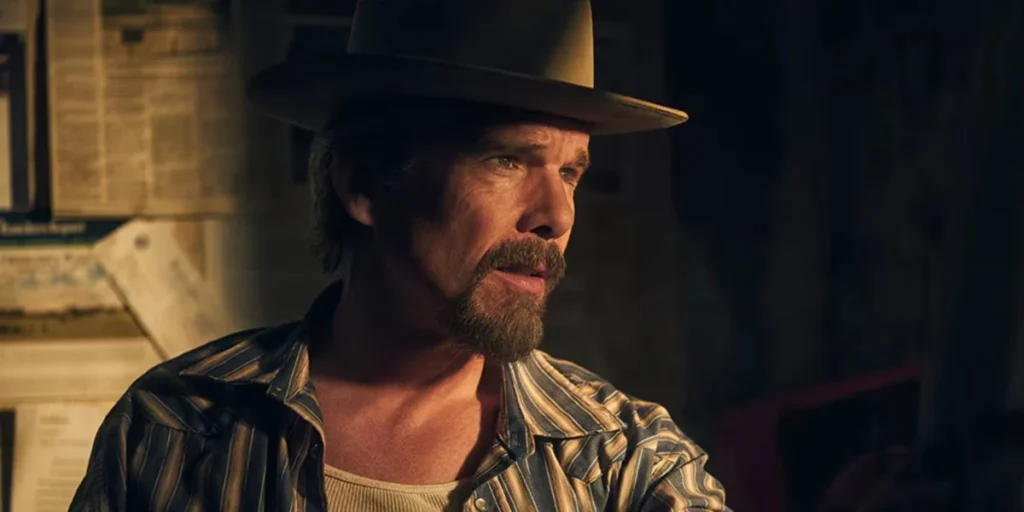
Caitríona Balfe assumes the pivotal role of Mrs. Dashwood, anchoring the family with maternal warmth and resilience. The romantic and social entanglements of the sisters are further fleshed out by a stellar supporting cast, including George MacKay as the earnest and hesitant Edward Ferrars, Frank Dillane as the charismatic and ultimately complex John Willoughby, and Herbert Nordrum as the steadfast and contemplative Colonel Brandon. Rounding out the ensemble is veteran actress Fiona Shaw, who brings her signature comedic timing and gravitas to the role of the irrepressible gossip Mrs. Jennings.
Behind the scenes, the creative pairing of Georgia Oakley and screenwriter Diana Reid represents a deliberate choice by Focus Features to infuse the project with a distinct, modern female perspective. Oakley, whose previous directorial work has been praised for its psychological acuity and careful handling of complex social dynamics, approaches the material with an eye toward contemporary relevance. In her interview with Nadia Dalimonte, Oakley elaborated on the challenges of translating a 19th-century novel into a cinematic language that resonates with 21st-century viewers without losing the historical specificity that defines Austen’s work.
Chronology of the Production and Release
The journey of bringing this new adaptation of Sense and Sensibility to fruition began several years prior to its 2026 premiere. Development commenced as Focus Features sought to revitalize classic literary properties through the lens of emerging filmmaking talent. Screenwriter Diana Reid was attached to the project early in the cycle, tasked with condensing Austen’s densely plotted novel into a streamlined feature screenplay that emphasizes character interiority and interpersonal relationships.

Principal photography took place across various historic estates and rural landscapes in the United Kingdom, designed to authentically replicate the socio-economic contrasts between the affluent Norland Park and the rustic charm of Barton Cottage. Costume design and production design were subjected to rigorous historical research, ensuring that the visual language of the film underscored the financial precariousness experienced by the female protagonists—a central thematic engine of Austen’s original critique of Regency-era England.
Following the completion of post-production in late 2025, Focus Features scheduled the theatrical rollout for early 2026, positioning the film as a prestige dramatic release. The marketing campaign heavily emphasized the star power of Edgar-Jones and MacKay, alongside the pedigree of the director and writer, culminating in a robust theatrical footprint across North America and international territories.
Insights from the Cast and Crew
During their respective appearances on the Next Best Picture Podcast, both Daisy Edgar-Jones and Georgia Oakley offered profound insights into the thematic underpinnings of the film. Edgar-Jones discussed the intricate balance required to portray Elinor, a character whose primary dramatic function is to suppress her inner turmoil for the sake of her family’s stability. The actress highlighted how working closely with Esmé Creed-Miles helped establish an authentic sibling dynamic on screen, which serves as the emotional bedrock of the entire narrative.
Oakley, speaking with Nadia Dalimonte, expanded upon her directorial vision. She emphasized that while previous adaptations—most notably Ang Lee’s 1995 Academy Award-winning film—set a high benchmark, her version aims to interrogate the economic realities faced by women in Regency England with heightened urgency. By focusing closely on the precarious nature of female inheritance and social standing, Oakley’s adaptation seeks to draw parallels between the historical constraints faced by the Dashwood women and ongoing conversations regarding autonomy and economic security.
Broader Impact and Critical Reception
The release of Sense and Sensibility in 2026 arrives at a time of renewed Hollywood interest in high-end period dramas, particularly those re-examining classic texts through contemporary ideological frameworks. Industry analysts have noted that prestige literary adaptations continue to serve as a reliable draw for specialized theatrical audiences, offering counter-programming to high-budget franchise blockbusters.
Early critical reception of Oakley’s film has highlighted its lush cinematography, strong lead performances, and intelligent screenplay. Critics have particularly praised the chemistry between the principal cast members and the decision to lean into the melancholic undertones of Austen’s text, distinguishing it from more overtly comedic or lighthearted adaptations of the author’s bibliography. Furthermore, the film’s theatrical distribution model by Focus Features underscores the studio’s ongoing commitment to supporting mid-budget, director-driven cinema tailored for theatrical exhibition before transitioning to home entertainment platforms.
As Sense and Sensibility continues its theatrical run, the discussions generated by the cast and crew on platforms like the Next Best Picture Podcast offer audiences a deeper appreciation of the collaborative artistry required to breathe new life into a two-century-old classic. Through meticulous attention to character, tone, and historical context, the 2026 adaptation successfully bridges the gap between historical fidelity and modern cinematic storytelling.