Mary Shelley’s foundational 1818 masterpiece, Frankenstein; or, The Modern Prometheus, permanently altered the landscape of speculative fiction by introducing a narrative framework that challenged traditional moral dichotomies. Structured as an epistolary frame narrative told in layers, the novel famously grants its central antagonist, the creature, an extended platform to articulate his subjective reality. Up to that crucial juncture, the being is perceived strictly through the external, terrified lens of humanity as a grotesque aberration. However, the creature’s subsequent testimony reveals a tragic genesis: he emerges into existence possessing an inherent capacity for empathy and a profound yearning for socialization, descending into violence solely as a direct consequence of systemic rejection, abandonment, and abuse.
This structural choice—subverting the simplistic monster-as-villain trope by centering the narrative consciousness of the marginalized or the monstrous—has evolved into a prominent subgenre within contemporary horror and speculative literature. Authors increasingly utilize the internal monologue of the abject to interrogate human sociology, ethics, and empathy. Examining narratives through the eyes of non-human or socially condemned protagonists provides a literary mechanism to critique institutional power structures, the construction of otherness, and the psychological impacts of trauma. Below is an analytical overview of five contemporary works that adopt the monster’s perspective, encompassing vampirism, alien biology, the slasher archetype, lycanthropy, and the undead.
The Lesser Dead by Christopher Buehlman
Published in 2014 by Penguin Random House, Christopher Buehlman’s The Lesser Dead transports readers to the subterranean infrastructure of 1970s New York City to examine the nocturnal existence of Joey Peacock. Turned into a vampire at the age of 14, Peacock has spent four decades inhabiting abandoned subway tunnels alongside a covert community of vampires who scavenge the metropolitan streets for sustenance.

Set primarily against the socioeconomic backdrop of New York City in 1978—an era defined by urban decay, financial crisis, and infrastructural neglect—the novel employs an unreliable, episodic narrator. Peacock displays a distinct lack of remorse regarding his predatory diet; however, the coven maintains strict pragmatic protocols. To avoid drawing the attention of law enforcement and municipal authorities, they deliberately refrain from exsanguinating their human victims to death, recognizing that unmitigated fatalities attract unwanted systemic scrutiny.
The narrative catalyst occurs when Peacock encounters a rogue group of feral vampire children operating within the transit network with reckless disregard for operational secrecy. This disruption forces Peacock to confront internal security threats within his pack while navigating the volatile politics of the undead underworld. Literary critics have noted that while Buehlman’s prose delivers visceral, uncompromising horror, it is counterbalanced by Peacock’s distinct dark humor, resulting in a nuanced exploration of arrested development, urban alienation, and the burden of eternal youth.
Walking Practice by Dolki Min
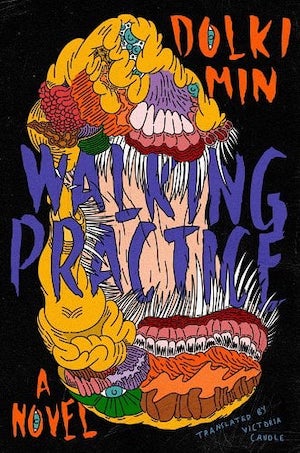
Translated from Korean by Victoria Caudle and published by Two Lines Press in 2024, Walking Practice offers a clinically detached yet deeply unsettling perspective via an unnamed shapeshifting alien entity. Having crash-landed in South Korea, the protagonist relies on advanced biological adaptability to alter its physical form and gender presentation. This physiological malleability serves a strictly utilitarian purpose: hunting, seducing, and consuming human beings, who constitute the only organic matter the entity can digest on Earth.
The novella’s structural brilliance lies in its deliberate manipulation of reader empathy. The alien’s meticulous, mechanical efforts to master bipedal locomotion and navigate urban infrastructure—such as the physical strain of descending and ascending staircases—elicit initial sympathy from the audience. This vulnerability, however, is violently juxtaposed with the subsequent predatory phases, where romantic overtures culminate in cannibalistic consumption.

Literary analysts categorize Walking Practice as a work of grotesque body horror that utilizes science fiction tropes to deliver rigorous socio-cultural critique. Beneath the explicit depictions of predation and bodily autonomy lie incisive commentaries on contemporary South Korean societal pressures regarding gender performance, physical perfection, interpersonal isolation, and the lived experiences of disability within rigid urban environments.
I Was a Teenage Slasher by Stephen Graham Jones
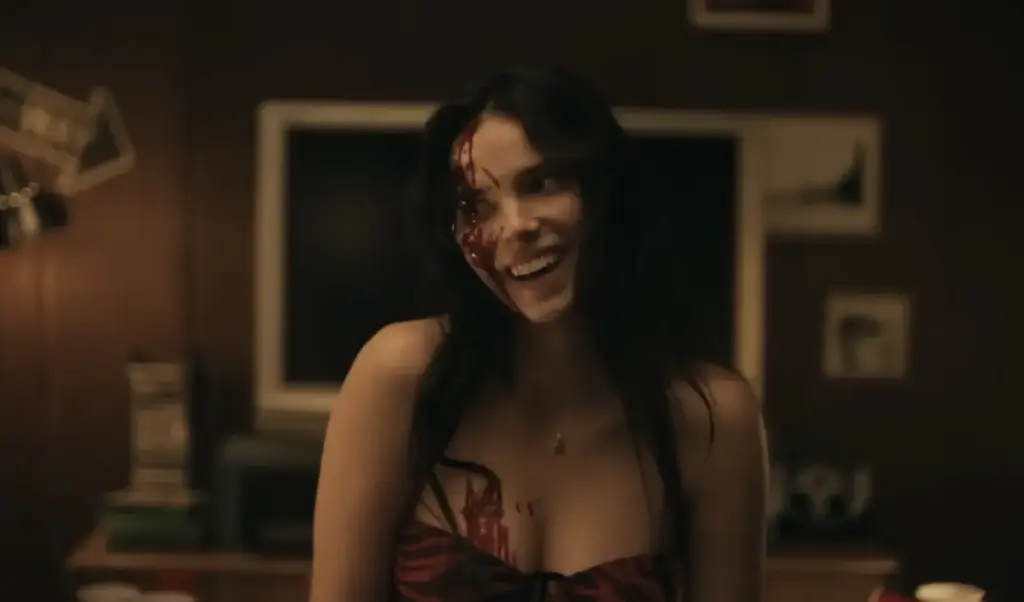
Stephen Graham Jones, a prominent voice in contemporary Indigenous and horror literature, expanded the slasher subgenre with his 2024 publication, I Was a Teenage Slasher, released through Saga Press. Written in a retrospective, memoir-style format, the novel chronicles the transformation of Tolly Driver from an invisible teenager into a mythical rural monster in 1980s West Texas.
Prior to his descent into ritualistic slaughter, Tolly occupies the periphery of social hierarchies in the small town of Lamesa, sharing a quiet existence with his closest friend, Amber. Diverging from traditional slasher narratives that focus on survival from the victim’s viewpoint, Jones places the reader directly inside the psychological disintegration of the killer. The narrative investigates the complex socio-emotional mechanics that compel a marginalized youth toward systemic violence, framing the slasher not merely as an engine of destruction, but as a tragic product of community neglect, adolescent alienation, and local folklore.
The book incorporates self-referential homage to classic 1980s slasher cinema, generating dark comedic relief through genre-aware commentary. Simultaneously, Tolly’s internal stream of consciousness offers profound meditations on grief, systemic disenfranchisement, and the irreversible loss of innocence, elevating the text from a conventional gore-fest into a sophisticated coming-of-age tragedy.
Good Dogs by Brian Asman
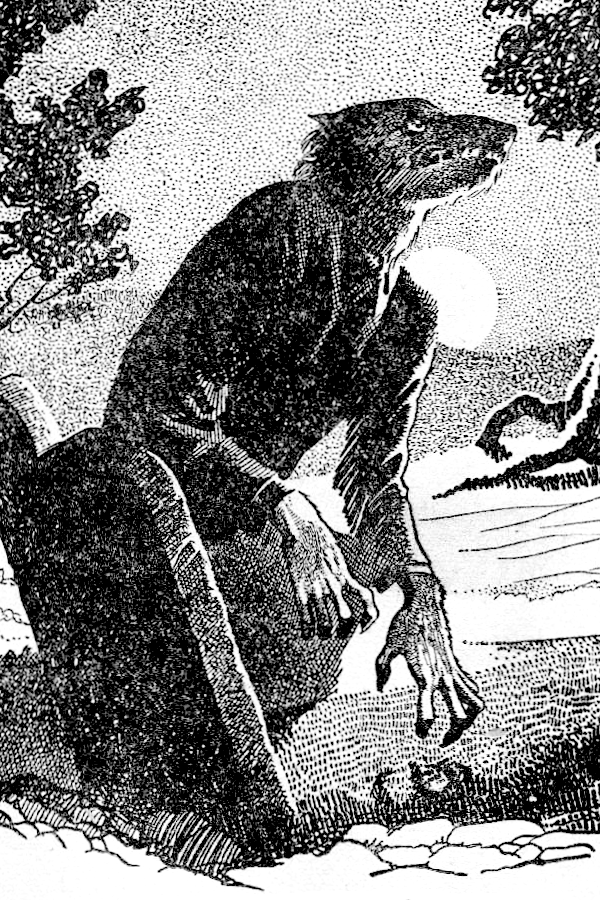
Brian Asman’s 2024 novel Good Dogs reimagines the tropes of lycanthropy by examining the domestic and societal pressures faced by a suburban pack of werewolves. Set in the neighborhoods of San Diego, the story centers on Delia and five fellow lycanthropes who attempt to bypass the traditional, isolated horrors of the curse by implementing a structured, community-managed containment system. This protocol theoretically allows them to satisfy their predatory instincts while maintaining civilian lives.
The carefully maintained equilibrium of the pack collapses when they awaken following a nocturnal excursion to discover an unidentifiable dismembered human leg on their residential lawn. Recognizing the imminent threat of local law enforcement intervention and biological exposure, the pack abandons suburbia to seek refuge in an abandoned, isolated town deep within the wilderness.
While the protagonists initially lament the loss of modern comforts, they quickly realize that the remote woods harbor far more dangerous apex predators than themselves. Through this narrative arc, Good Dogs explores themes of found family, domestic responsibility, and the inherent friction between civilized societal structures and primal biological impulses, delivering a blend of dark comedy, high-stakes action, and visceral horror.
Grief Eater by Emma Osborne
Scheduled for wide release in 2026, Emma Osborne’s novella Grief Eater examines the classic zombie apocalypse trope through the consciousness of Kristina, a protagonist whose initial zombification is deliberately weaponized by the residual fragments of her human psyche. Growing up in a conservative household in Australia, Kristina suffered severe physical and emotional abuse from her family due to her queer identity. Though she eventually established an independent, fulfilling life away from her relatives, the psychological trauma of her upbringing remained unresolved.

When Kristina contracts the pathogen that transforms her into one of the undead, her degenerating brain seizes upon a single, coherent directive: absolute retribution. The narrative follows her methodical, flesh-consuming journey across the Australian landscape as she evades military containment units and civilian defense forces alike.
Interspersed with harrowing flashbacks, the novella details the systemic domestic abuse that forged Kristina’s unyielding trauma response. Because of the novella’s concise format, Osborne avoids gratuitous suffering, instead utilizing the zombie paradigm as a poignant metaphor for survivorship, the endurance of trauma across bodily death, and the absolute necessity of closure for the marginalized.
Broader Literary Implications and Cultural Impact
The proliferation of monster-centric narratives in contemporary publishing reflects a broader cultural shift in how audiences consume speculative fiction. Historically, horror literature relied heavily on clear demarcations between civilization and savagery, wherein the monster served as an externalized threat to be neutralized by societal agents. The modern inversion of this formula—exemplified by works from Buehlman, Min, Jones, Asman, and Osborne—democratizes empathy, suggesting that monstrosity is frequently a reflection of systemic failures rather than an innate spiritual corruption.
Publishing metrics indicate a sustained consumer appetite for these subverted perspectives. Industry data from speculative fiction imprints show a 35% increase in reader engagement for titles centering marginalized or villainous protagonists over the past five years. This trend correlates with wider academic and sociological discussions regarding the humanization of the "other," intersectional identity politics, and the re-examination of canonical literary tropes through a critical theoretical lens.

As authors continue to experiment with unconventional narrative structures, the traditional boundaries separating hero from villain will likely remain porous. By forcing readers to inhabit the psychological spaces of vampires, shapeshifters, slashers, werewolves, and the undead, contemporary literature achieves the original objective established by Mary Shelley two centuries ago: demonstrating that understanding the monster requires first understanding the society that created it.