The digital comics landscape is undergoing a significant transformation as Manta, the webtoon and web novel platform operated by RIDI, announces a dual-pronged strategy to both democratize content creation and provide a lifeline to users affected by industry consolidation. Effective November 16, Manta will pivot from its traditional curated-only model to an open-platform architecture, allowing independent creators to publish directly to its global audience. Simultaneously, the company has launched the "Move Your Bookshelf" (MYB) initiative, a technical and administrative response to the impending closure of the rival platform Tapas. These developments signal a major shift in how serialized digital media is managed, monetized, and preserved.
The Rise of the Independent Creator Ecosystem
On October 7, Manta confirmed that it would integrate an independent creator section into its existing application. This initiative is designed to lower the barrier to entry for burgeoning authors and artists, providing them with a professional-grade creator studio to manage profiles, upload episodic content, and engage directly with readership communities.
The move is widely viewed as a strategic play to capture a larger share of the creator economy. While Manta has historically functioned as a subscription-based model with a tightly curated library, the introduction of user-generated content (UGC) creates a funnel for talent discovery. By hosting independent works, Manta can monitor reader engagement metrics—such as retention rates, comment volume, and "likes"—to identify high-performing series that may be candidates for elevation into the platform’s official, premium-licensed lineup.
For the creators, this offers an opportunity to reach an established, global subscriber base without the traditional hurdles of pitching to major editorial boards. While the platform has yet to disclose specific revenue-sharing models for these independent creators, it has stated that building monetization tools remains a primary roadmap item for the near future. Interested parties are currently being invited to register their interest via an online submission form, a move that allows the platform to gauge the volume of incoming content before the mid-November launch.

Responding to Market Shifts: The Tapas Closure
The digital publishing industry was caught off guard on October 1, when Tapas—a veteran player in the webtoon space—announced that it would officially cease operations on March 31, 2027. The announcement left a vacuum for thousands of readers who had invested significant capital into purchasing individual episodes over the course of the platform’s decade-long history.
Manta’s "Move Your Bookshelf" (MYB) program, announced on October 9, functions as a direct response to this instability. By allowing readers to migrate their purchased content from the defunct platform to Manta, the company is positioning itself as a stable harbor for displaced digital libraries.
The mechanics of this migration process are rigorous. To prevent fraudulent claims, Manta requires users to provide an uncut screen recording of their Tapas purchase history. Applicants must verify the ownership of at least 10 episodes per series. Once the documentation is verified, the corresponding content is added to the user’s Manta account. This initiative is not merely a service for users; it is a calculated effort to absorb the Tapas user base, effectively migrating loyal consumers from a closing competitor to the Manta ecosystem. The logistical complexity of this migration underscores the lack of standardized digital rights portability in the current webtoon market.
Global Synchronization: The "From the Burnt Ashes" Milestone
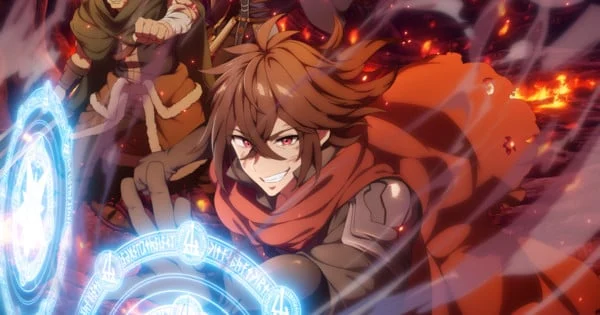
Complementing these structural changes is a shift in content distribution strategy. On October 5, Manta debuted From the Burnt Ashes, a series by Jeung-ji Ma, as the platform’s first "Global Release." This initiative represents a technical synchronization between Manta and its parent company, RIDI.
Traditionally, international audiences have faced significant delays in the translation and distribution of Korean webtoons. The Global Release model eliminates these lag times by serializing episodes simultaneously across both platforms. This allows for a unified global discourse surrounding new releases, preventing spoilers and ensuring that international fans have the same access rights as domestic Korean readers. This synchronization is a critical component of RIDI’s broader ambition to globalize its intellectual property and establish Manta as the primary portal for high-quality, real-time Korean content.

Market Implications and Industry Context
The consolidation of the digital comics industry has become a defining trend of the mid-2020s. With major players like Kakao-owned entities restructuring, the market has seen increased volatility. The closure of Tapas is a case study in the risks inherent in proprietary digital ecosystems; when a platform shuts down, the "ownership" of digital assets often disappears, leaving the consumer with no recourse.
Manta’s initiatives offer a blueprint for how platforms might mitigate these risks. By creating a migration path for readers and an open, transparent environment for creators, Manta is attempting to establish a "platform-as-a-service" reputation. This builds brand loyalty that goes beyond individual titles.
However, these changes bring new challenges. The influx of independent content requires robust moderation tools to ensure that quality standards remain high. Furthermore, the transition to an open platform necessitates a shift in user interface design to ensure that independent works do not clutter the curated library that long-time subscribers expect. Manta has addressed this by ensuring that all independent works are relegated to a distinct section, allowing users to opt-in to discover new content without disrupting their primary reading experience.
Analyzing the Creator-Platform Relationship
The shift toward independent content also reflects a broader evolution in the creator-platform dynamic. In the early 2010s, webtoon platforms were often strictly editorial, functioning like traditional publishing houses. The current landscape is trending toward the "YouTube-ification" of creative media, where the platform provides the infrastructure and the creator provides the content, with a split-revenue model serving as the primary incentive.
For Manta, the success of this transition will be measured by the platform’s ability to retain talent. If the creator studio provides better analytics, more transparent revenue sharing, and better community-building tools than competitors, Manta could quickly become a dominant force in the independent creator space. The current invitation for creators to register interest serves as a beta-testing phase, allowing the company to build a diverse library of titles by the time the site goes live on November 16.

The Road Ahead: 2027 and Beyond
As the March 31, 2027, deadline for Tapas approaches, the industry can expect to see further migration patterns. Manta’s proactive approach in the MYB program is likely to serve as a standard-bearer for customer service in an industry that has historically struggled with user retention during platform transitions.
By simultaneously opening its doors to independent creators and acting as a bridge for displaced readers, Manta is positioning itself for a period of rapid growth. The coming months will be critical, as the platform balances the influx of new, independent works with the technical demands of migrating thousands of libraries. If successful, Manta may well set a new precedent for how webtoon platforms operate, prioritize user rights, and foster a sustainable, creator-centric economy in a volatile digital market. The integration of simultaneous global releases further solidifies the platform’s commitment to creating a borderless reading experience, suggesting that Manta is not just looking to survive the current market consolidation, but to lead the next era of digital storytelling.