The film is slated for a contentious, limited theatrical window, debuting exclusively in IMAX venues on November 25 before migrating to Netflix on December 23. This release strategy has sparked significant industry discourse regarding the changing landscape of theatrical distribution, particularly for prestige projects that serve as sequels to major studio tentpoles.
A New Chapter for a Cult Icon
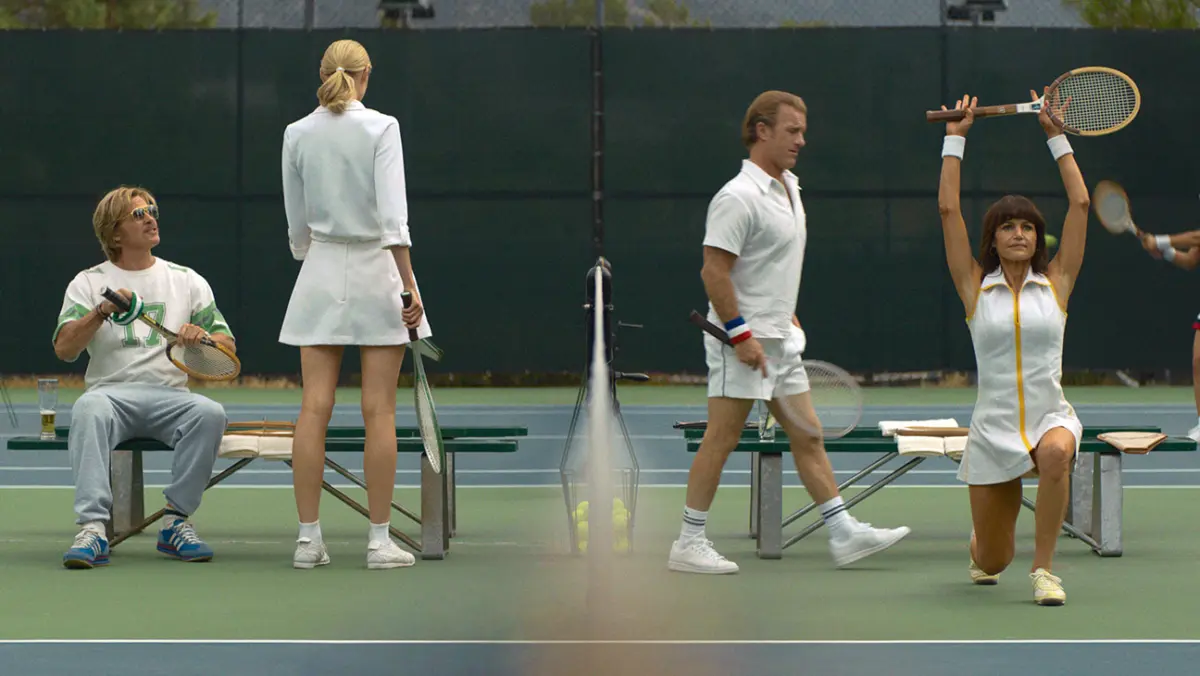
Brad Pitt reprises his Academy Award-winning role as Cliff Booth, the laconic, effortlessly cool stuntman whose stoicism became one of the most recognizable screen archetypes of the last decade. In this sequel, the narrative shifts from the sun-drenched, optimistic, yet volatile atmosphere of 1969 to the grittier, more cynical reality of 1977 Los Angeles. Booth is no longer the full-time stunt double for a leading man; he has transitioned into a part-time operator, navigating the shadows of the industry by taking on odd, often perilous assignments that place him in the orbit of a new, eclectic cast of characters.
The ensemble supporting Pitt is extensive, featuring Elizabeth Debicki, Scott Caan, Yahya Abdul-Mateen II, Carla Gugino, Peter Weller, Matt Groove, JB Tadena, Corey Fogelmanis, and Karren Karagulian. Notably, Timothy Olyphant returns as Western actor James Stacy, serving as the only major connective tissue to the original 2019 film.
From 230 Pages to the Silver Screen
The path to production for The Further Mis-Adventures of Cliff Booth was unconventional. In 2025, Netflix acquired the rights to the script from Tarantino, with the explicit agreement that David Fincher would take the helm as director. According to internal production reports, Tarantino’s original draft was an expansive 230-page manuscript. Fincher, known for his methodical editing process and obsession with pacing, reportedly excised 60 pages to tighten the narrative focus, effectively transforming the project from a potentially sprawling limited series into a feature-length motion picture.

This creative friction between the two directors has been a focal point of the pre-release press. Despite stepping back from the director’s chair, Tarantino has remained a visible presence in the film’s promotional cycle. He recently provided a 17-minute sneak preview at the AFI Fest in October and is simultaneously preparing a companion novel, The Adventures of Cliff Booth, slated for publication by HarperCollins this December.
The Legacy of Once Upon a Time in Hollywood
To understand the weight of expectations surrounding the sequel, one must look at the performance of its predecessor. Sony Pictures’ 2019 release was a landmark event, grossing $410 million globally against a production budget of approximately $90 million. It secured 10 Academy Award nominations, ultimately winning for Best Supporting Actor (Pitt) and Best Production Design. The film’s success solidified the cultural footprint of the character of Cliff Booth, establishing him as a mythic figure in the fictionalized history of 1960s Hollywood.
The absence of Leonardo DiCaprio’s Rick Dalton, the protagonist of the first film, was a notable point of discussion at the Monday premiere. Pitt addressed the media directly, clarifying that attempts to include a cameo for the iconic actor ultimately fell through due to scheduling constraints and narrative structural shifts, a revelation that has disappointed some fans while fueling speculation about how the film handles the passage of time for the original characters.
Critical Reception and Social Media Discourse
The social media reactions following the premiere suggest a film that thrives on atmosphere. Critics such as Clayton Davis praised the film as a “wild, hilarious hangout movie,” while others highlighted the stylistic fusion of the two directors. "David Fincher’s play at a nostalgic bygone era Quentin Tarantino loves works like gangbusters," noted critic Courtney Howard, who specifically cited the performances of Pitt and Debicki as a highlight.
However, the reception is not without nuance. Some observers, such as Todd Gilchrist, have expressed skepticism regarding the compatibility of the two directors’ styles. "I’m not yet convinced Tarantino’s shambling, novelistic approach and Fincher’s precision are exactly compatible," Gilchrist remarked. This tension between Tarantino’s penchant for digressive, character-driven banter and Fincher’s lean, tension-building architecture appears to be the defining characteristic of the film’s critical debate.

Industry Implications and Theatrical Strategy
The decision to grant the film an exclusive, limited IMAX release is a calculated move by Netflix to maintain the prestige status of the project before it hits the streaming platform. By positioning it as a "must-see" theatrical event for a short duration, the studio is signaling a shift in how it handles legacy IP (Intellectual Property). This strategy, while controversial among some traditional exhibitors, aligns with a growing trend of streaming services attempting to capture the cultural "water cooler" effect that only exclusive theatrical releases can provide.
Furthermore, the involvement of Trent Reznor and Atticus Ross, who composed the film’s score, has been singled out by critics as a vital element that anchors the film’s tone. The soundtrack, described by several early viewers as "injectable," is expected to be a major selling point for the film’s aesthetic identity.
Broader Impact: The "Fincher-Tarantino" Hybrid
The Further Mis-Adventures of Cliff Booth serves as an auteur anomaly. It is rare for a director of Tarantino’s stature to hand off a character as iconic as Cliff Booth to another director of equal pedigree. The experiment has resulted in a film that is being described as "slower-burning," "darker," and "more cynical" than the original, signaling a departure from the colorful, revisionist history of the 1969-set predecessor.
As of late 2026, the industry is closely watching the box office performance of this limited run. If successful, the model of "Auteur Hand-off"—where a creator writes a script and a peer directs it—could become a blueprint for future high-budget projects within the streaming ecosystem. It bypasses the traditional franchise-building machine, instead focusing on artistic legacy and creative crossover.
As the November 25 theatrical release approaches, the focus will shift from social media impressions to formal critical reviews. The film is currently positioned as a potential awards contender, particularly for Pitt’s performance and the film’s technical craft. Whether the audience finds the blend of Tarantino’s script and Fincher’s direction to be a coherent evolution of the Booth mythos or an ambitious misfire remains to be seen. For now, the "further mis-adventures" of a stuntman in 1977 Los Angeles remain the most talked-about subject in Hollywood, proving that even years later, the world of Cliff Booth continues to command the attention of both the public and the industry at large.