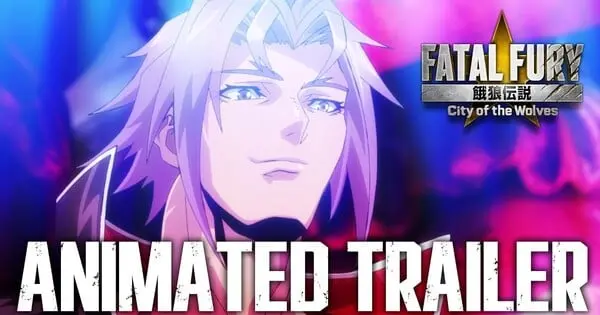
SNK has officially expanded the roster of its acclaimed fighting game, Fatal Fury: City of the Wolves, with the addition of Laocorn, the iconic antagonist from the 1994 animated feature film Fatal Fury: The Motion Picture. The character, who officially joined the playable roster on November 19, was introduced via a high-octane animated trailer released this past Thursday. The promotional material, produced by Studio G-1 Neo and spearheaded by director and creative producer Masami Ōbari, serves as a testament to SNK’s ongoing commitment to blending its rich legacy of 1990s animation with modern, high-fidelity gameplay.
Ōbari, a legendary figure in the anime industry known for his work on The King of Fighters XV and Battle Arena Toshinden, brings a distinct visual flair to these trailers. By reuniting the aesthetic sensibilities of the original motion picture with the contemporary engine powering City of the Wolves, SNK is effectively bridging the gap between its classic cinematic roots and the current generation of competitive gaming.
A Robust Season 3 Strategy
The arrival of Laocorn marks a significant milestone in the game’s third season of post-launch content, which officially commenced on July 23. This season has been characterized by a diverse mix of returning fan-favorites and high-profile crossover guest characters. The roster expansion began in earnest with the addition of Rick Strowd, followed by the high-energy brawler Duck King in August and the disciplined martial artist Kim Kaphwan in September.
Perhaps most notably, October saw the integration of Manjiro "Mikey" Sano and Ken "Draken" Ryuguji from the popular Tokyo Revengers series. This crossover highlighted SNK’s willingness to leverage external intellectual properties to keep the meta-game fresh and appealing to a broader demographic. With the upcoming arrival of Reina in December, SNK is maintaining a consistent cadence of releases that ensures the title remains a focal point in the competitive fighting game community (FGC).
Evolution of a Modern Classic
Since its debut in April 2025, Fatal Fury: City of the Wolves has established itself as a cornerstone of the modern fighting game landscape. Originally launching on PlayStation 5, PlayStation 4, Xbox Series X|S, and PC via Steam and the Epic Games Store, the title has benefited from a multi-platform strategy that prioritizes accessibility and performance.
The recent launch on the Nintendo Switch 2, which occurred digitally on October 22, represents a tactical expansion into the portable hardware market. A physical retail release for the Switch 2 version is currently slated for January 21, providing collectors and enthusiasts with a tangible edition of the game. This multi-pronged hardware approach, combined with regular content updates, has allowed SNK to sustain high player engagement metrics across various demographics.
Historical Context and Development Timeline
The development of City of the Wolves has been defined by an ambitious, data-driven post-launch roadmap. The following timeline outlines the major content milestones since the game’s inception:
- April 2025: Game launch on current-gen consoles and PC.
- June 2025: Andy Bogard joins the roster.
- August 2025: Street Fighter collaboration introduces Ken Masters.
- October 2025: Joe Higashi enters the fray; Kizuna update rollout.
- November 2025: Chun-Li joins the crossover effort.
- December 2025: MR. BIG introduced as a playable combatant.
- January 2026: Season Pass 2 begins with Kim Jae Hoon.
- February 2026: Nightmare Geese added to the roster.
- March 2026: Blue Mary makes her debut.
- April 2026: Wolfgang Krauser arrives during the game’s first anniversary.
- May 2026: Mr. Karate added to the character select screen.
- June 2026: Kenshiro from Fist of the North Star enters the game.
- July 2026: Season Pass 3 launches with Rick Strowd.
- October 2026: Tokyo Revengers collaboration (Mikey and Draken).
- November 2026: Laocorn joins the roster.
Crossovers and Cultural Integration
SNK’s approach to DLC has transcended traditional fighting game character additions. By incorporating non-gaming entities, such as professional soccer player Cristiano Ronaldo and electronic music artist Salvatore Ganacci, the studio has engaged in a form of lifestyle branding rarely seen in the genre.

These unconventional additions, alongside the inclusion of Hokutomaru and the game’s core roster—which includes staples such as Terry Bogard, Rock Howard, Tizoc, and B. Jenet—create a unique ecosystem. The juxtaposition of established Fatal Fury legends with surprise crossovers like Kenshiro and the Tokyo Revengers cast serves to reinforce the "City of the Wolves" as a multiversal hub where disparate fighting styles and cultural icons can converge.
Analysis: The Impact of Legacy Content
The decision to include Laocorn is indicative of a broader strategy: the capitalization on "nostalgia-driven innovation." By pulling from the 1994 film, SNK is not only rewarding long-time fans but is also introducing classic character archetypes to a new generation of players. From a design perspective, this is a calculated move. Legacy characters already possess established lore, move sets, and visual identities that require minimal re-conceptualization, allowing developers to focus on the technical implementation of these fighters within the modern engine.
Furthermore, the involvement of Masami Ōbari underscores the importance of visual fidelity in the current market. In an era where fighting games are judged as much by their presentation and "hype" potential as their frame data, the production value of animated trailers has become a critical marketing tool. By maintaining a consistent visual language across these trailers, SNK creates a sense of cohesion that reinforces the game’s brand identity.
Broader Implications for the Fighting Game Genre
The success of Fatal Fury: City of the Wolves suggests that the "live-service" model, when executed with a steady stream of high-quality content, is a viable path for the fighting game genre. Rather than relying on iterative sequel releases, SNK has chosen to deepen the existing experience, thereby maintaining a stable, active player base.
The cross-pollination with other media—such as the Street Fighter and Fist of the North Star collaborations—acts as a catalyst for growth, pulling in audiences from adjacent gaming communities. As the industry shifts toward more integrated, long-term service models, the strategies employed by SNK serve as a template for balancing fan service with technical evolution.
Future Outlook
As the community looks toward December and the final character release of Season 3, the conversation has already shifted to what lies beyond. The successful launch of the Nintendo Switch 2 version and the continued high-frequency release of content indicate that SNK is fully invested in the longevity of City of the Wolves.
With the physical release of the Switch 2 version on the horizon and a robust roster that currently features some of the most iconic names in Japanese fighting game history, the title remains in a strong position. The focus now turns to how the developers will balance the competitive landscape as the roster continues to expand, ensuring that the game remains accessible to newcomers while providing the depth required for high-level professional play.
For now, the inclusion of Laocorn serves as a reminder of the franchise’s enduring weight in the global gaming market. By respecting the past while aggressively pursuing new collaborative ventures, SNK has successfully positioned Fatal Fury: City of the Wolves as not just a fighting game, but a comprehensive celebration of the medium’s history.