The 30th edition of the Tallinn Black Nights Film Festival (PÖFF) has served as the global stage for the world premiere of When She Hears the Bells, a harrowing debut feature from writer-director Chabname Zariab. The film, which competed in the festival’s prestigious First Feature Competition, features internationally acclaimed actress Golshifteh Farahani in a lead role that explores the intersection of systemic abuse, political collapse, and the struggle for human dignity. Set against the backdrop of the Taliban’s return to power in 2021, the film serves as both a visceral thriller and a poignant reflection on the human rights crises currently unfolding in Central Asia.
Plot Synopsis and Narrative Context
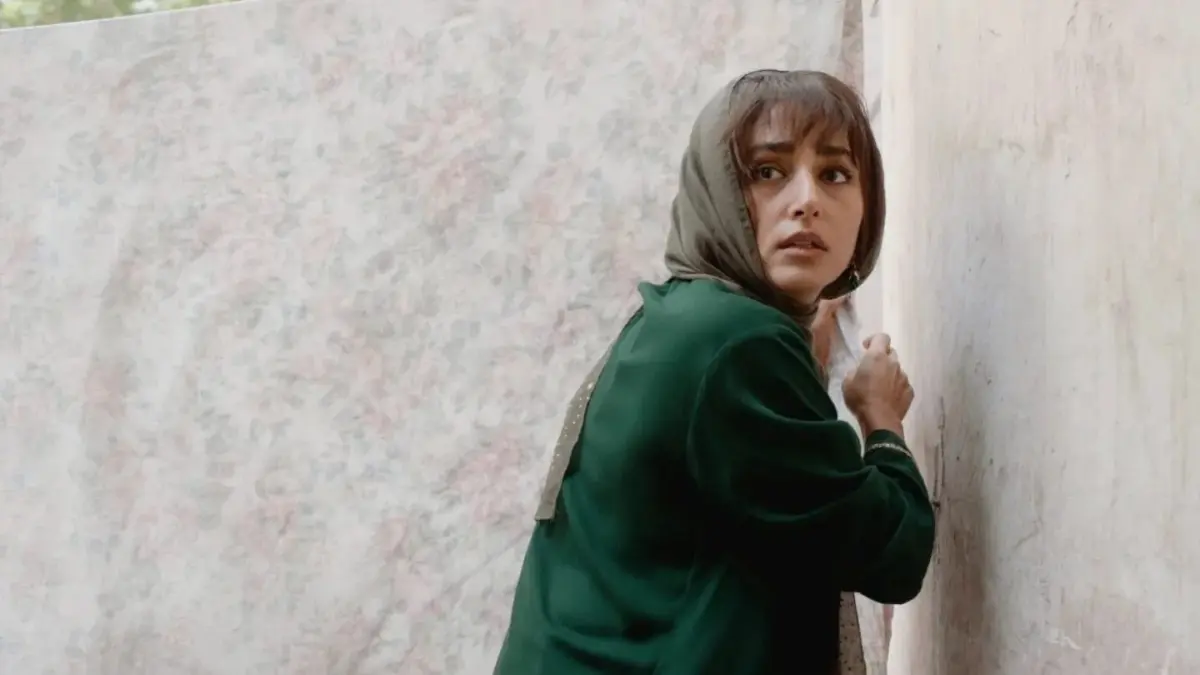
The narrative centers on Leila, a young widow who arrives in Kabul seeking to build a semblance of a normal life. However, her hopes are quickly dismantled when she discovers that the kitchen where she has secured employment serves as a front for a bacha bazi house. Bacha bazi—a historical and deeply controversial practice in Afghanistan—involves the exploitation of young boys who are forced to dress in feminine attire and perform for audiences, often followed by systematic sexual abuse.
The film, which features authentic footage captured within Afghanistan, captures the palpable tension of 2021 as the Taliban intensified their military campaign. As the government in Kabul nears collapse, the story evolves into a desperate survival mission. Leila finds herself tasked with not only securing her own escape from the city but also orchestrating a perilous flight for the group of boys trapped within the house. Co-starring Sayed Hashimi, known for his work in 13 Days, 13 Nights, the production utilizes the claustrophobic setting of the bacha bazi house to mirror the closing geopolitical windows for the Afghan people.
The Production Journey and Directorial Debut
Chabname Zariab’s transition to feature-length directing has garnered significant critical attention. For Farahani, a France-based Iranian actress whose filmography includes diverse international projects such as Alpha and Pirates of the Caribbean: Dead Men Tell No Tales, the decision to join the project was a culmination of the director’s persistence.
Farahani noted in a post-screening discussion at PÖFF that she was initially hesitant to accept the role, citing her previous performance in The Patience Stone, a film also set against the backdrop of war-torn Afghanistan. "Chabname insisted and insisted," Farahani explained. "She ultimately stated that the project would not proceed without my involvement." The actress ultimately accepted the script without prior review, a testament to her professional relationship with Zariab and her belief in the necessity of the story.
The film’s technical execution has been noted for its ability to convey extreme trauma without relying on gratuitous on-screen violence. Farahani observed that the film’s efficacy lies in its restraint, forcing the audience to engage their imagination rather than "zapping out" of the experience due to sensory overload. This narrative choice, she argues, is vital for Western audiences who may otherwise struggle to process the stark realities of the situations depicted.
The Significance of the Tallinn Black Nights Film Festival
The Tallinn Black Nights Film Festival has established itself as an A-list festival, consistently attracting high-caliber global cinema. For the 30th anniversary of the event, the inclusion of When She Hears the Bells underscores the festival’s commitment to highlighting humanitarian issues through the lens of emerging filmmakers.
Farahani is a repeat guest at the festival, having presented three films in Tallinn over the past three years: Reading Lolita in Tehran, Oh, What Happy Days!, and now, When She Hears the Bells. Her continued participation highlights the importance of such platforms in providing visibility to stories that challenge the status quo and demand international attention. In an era where many independent festivals face significant budgetary pressures and industry consolidation, PÖFF remains a vital hub for regional and global dialogue.
Analytical Perspective: The Global Crisis
The themes explored in When She Hears the Bells are mirrored by the current geopolitical climate, particularly regarding the rights of women and children in territories under Taliban control. Since the U.S. withdrawal from Afghanistan in August 2021, the humanitarian situation has deteriorated, with international organizations reporting widespread violations of human rights.
Farahani’s reflections on the film extend beyond the cinematic frame, as she expressed a somber outlook on the current state of global affairs. She remarked that the world is increasingly becoming a "minefield," with geopolitical instability appearing to threaten multiple regions simultaneously, from Taiwan to Europe and the Americas. She posited that the current era feels like the precipice of a "new order," prompting her to shift her focus away from traditional artistic pursuits and toward a state of readiness for potential global upheaval.
The Intersection of Art and Human Rights
The release of When She Hears the Bells coincides with a broader conversation in the film industry regarding the role of cinema in advocacy. While the film is a work of fiction, its roots in the reality of bacha bazi and the fall of Kabul provide a sobering reminder of the issues that persist long after media cycles have moved on.
Data from the United Nations and various human rights NGOs confirm that the practice of bacha bazi, while outlawed, has persisted across different regimes in Afghanistan due to deep-seated socio-cultural factors. The film’s decision to center on a female protagonist witnessing this abuse provides a unique perspective on the gendered nature of power and violence in the region.
Furthermore, the logistical success of filming in Afghanistan, despite the extreme security risks, speaks to the dedication of the production team, including sales agent Le Pacte. By capturing footage within the country, the film achieves a level of authenticity that differentiates it from traditional Hollywood portrayals of the region, which are often shot in neighboring countries or reconstructed sets.
Critical Implications and Future Outlook
The reception of When She Hears the Bells at the Tallinn Black Nights Film Festival suggests a strong interest in narratives that blend genre-based tension with profound social commentary. As the film moves into broader distribution, its impact will likely be measured by its ability to maintain public discourse on the Afghan humanitarian crisis.
Farahani’s performance has been highlighted as the emotional anchor of the film. Her ability to portray a character living in a state of constant, normalized horror—rather than an externalized judgment of that horror—is being cited as a masterclass in nuanced acting. By refusing to play the character as an outsider looking in, Farahani forces the audience to experience the crushing weight of the environment alongside her.
In the broader context of her career, this project represents a pivot toward work that the actress views as essential for survival, rather than mere entertainment. Her recent comments regarding the "end of our world" suggest that she perceives her future roles, if any, to be inherently tied to the themes of endurance and the preservation of humanity in the face of inevitable, systemic collapse.
Conclusion
When She Hears the Bells serves as a bridge between the intimate struggle of a single woman in Kabul and the expansive, often overwhelming, anxieties of the 21st century. Through the collaboration of Chabname Zariab and Golshifteh Farahani, the film succeeds in its primary objective: to move an audience to ask difficult questions about the world they inhabit.
As the film continues its festival run, it stands as a testament to the power of independent cinema to document the invisible and the suppressed. Whether it will catalyze a shift in public perception remains to be seen, but its presence at the 30th Tallinn Black Nights Film Festival ensures that the conversation surrounding the rights of the vulnerable in Afghanistan remains firmly in the spotlight. With its unflinching gaze at the reality of life under the shadow of extremist rule, the film serves as a critical document of our time, capturing the terror of the past and the uncertainty of the future.