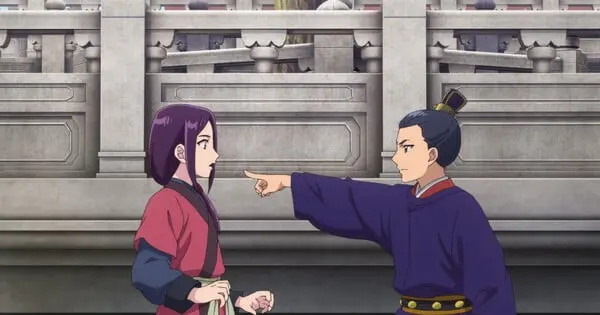
The recent developments in the Western Capital have brought a confluence of environmental, political, and spiritual tensions to the forefront of the imperial administration. As the traveling party—which includes key figures such as Jinshi, Maomao, and the former consort Ah-Duo—arrives in the western territories, the convergence of an impending locust infestation and the rising influence of local folk superstitions has created a volatile climate. This situation presents a significant challenge to the stability of the current reign, as local populations grapple with the intersection of natural disaster and perceived divine omens.
Environmental Indicators and Historical Precedent
The threat of a locust plague in the Western Capital is not merely an agricultural concern; it carries heavy historical and cultural weight. Historically, locust infestations in agrarian-based empires were frequently interpreted as portents of dynastic decline or the loss of the "Mandate of Heaven." Agricultural records from similar historical periods indicate that such swarms often decimated seasonal harvests, leading to widespread famine, economic destabilization, and civil unrest.
In the context of the series, the presence of these insects serves as a catalyst for social anxiety. While the protagonist Maomao maintains a scientific approach, focusing on the biological and environmental conditions that facilitate such outbreaks, the local populace is increasingly turning to spiritual explanations. The emergence of the "White Lady" mythos—a local belief centered on a supernatural figure—has provided a framework for residents to interpret these environmental hardships. From an administrative perspective, the exploitation of these beliefs by bad actors remains a primary concern for the imperial party. If the infestation is leveraged to undermine the authority of the central government, the resulting instability could necessitate a rapid and forceful response from the emperor’s envoys.
The Chronology of the Western Expedition
The decision to send high-ranking members of the inner court to the Western Capital was a calculated move by the emperor, indicating that the situation has been monitored for some time. The timeline of the mission reflects a desire for both diplomacy and intelligence gathering:
- Initial Reports: Intelligence gathered regarding the "White Lady" and unusual bandit activity in the west prompted the emperor to dispatch senior officials.
- Departure: The imperial party, including Jinshi and Ah-Duo, departed the capital to investigate the veracity of these rumors.
- The Arrival: Upon reaching the Western Capital, the party encountered a region already steeped in superstition, with public displays—such as the depiction of a white snake at a market—serving as markers of the current cultural shift.
- Current Status: Maomao and the accompanying medical and administrative staff are currently navigating a landscape where the boundary between legitimate grievance and orchestrated dissent is increasingly blurred.
Political Implications and the Succession Question
The presence of Jinshi in the Western Capital is multifaceted. Nominally, the trip is framed as a search for a suitable marriage match, a move that aligns with the emperor’s desire to secure his son’s future. However, political analysts within the court would argue that the mission serves a dual purpose: removing Jinshi from the immediate pressure of the capital while testing his ability to handle regional administration.
The relationship between the emperor and Jinshi is defined by a desire to break the cycle of traditional succession, which the emperor himself found restrictive and isolating. By keeping Jinshi in a subordinate role, the emperor attempts to shield him from the burdens of the throne. However, this strategy is complicated by the shifting power dynamics in the Western Capital. If the imperial party fails to contain the influence of the "White Lady" cult or fails to address the agricultural crisis, the legitimacy of the emperor’s administration will be questioned. The involvement of Lishu and the historical connection to Ah-Duo further complicate these dynamics, as personal history and familial obligations frequently intersect with statecraft.

Analyzing the "White Lady" Phenomenon
The "White Lady" myth is rooted in cultural symbolism, specifically the association of the snake with deities such as Nüwa. In many historical Chinese contexts, these figures are associated with creation and protection. However, the weaponization of these symbols by local factions suggests a sophisticated understanding of the local population’s psychological needs during times of scarcity.
From an analytical standpoint, the phenomenon is a classic example of social engineering during a crisis. By framing the locusts as a divine judgment, agitators can effectively shift the blame from ineffective local governance to perceived moral or spiritual failings of the central administration. For Maomao, the challenge lies in decoupling the biological reality of the infestation from the narrative being constructed by those in power. If the bandits mentioned in recent reports are indeed actors in this larger drama, their actions are likely designed to maximize the visibility of the "White Lady" while minimizing the influence of the imperial envoys.
Security and Administrative Responses
The imperial party’s security, overseen by figures such as Basen, is currently in a state of high alert. The integration of Suirei into the group provides essential medical support, which is critical should the locust infestation lead to a public health crisis. However, the presence of such high-value targets in a region that may be actively hostile to the central government poses significant security risks.
Official statements from the court regarding the purpose of the trip remain vague, focusing on diplomatic outreach and administrative oversight. Yet, the selection of the team—which includes individuals with deep ties to the emperor’s past—suggests that the mission is far more personal and critical than a simple diplomatic tour. The emperor’s reliance on those he trusts, such as Ah-Duo and Gaoshun, underscores the precarious nature of his position. He is effectively operating through a proxy, attempting to manage a remote crisis while contending with the limitations of his own history.
Broader Impact and Future Outlook
The outcome of the Western Capital mission will have lasting implications for the empire. If the administration successfully addresses the locust threat through practical, scientific measures while navigating the cultural sensitivities of the "White Lady" myth, it could restore faith in the central government’s ability to govern. Conversely, any misstep could lead to a resurgence of regionalism and a loss of control over the Western provinces.
The intersection of familial love, the burden of duty, and the cold reality of agricultural disaster provides a backdrop for a complex political struggle. As the series continues to unfold, the focus will likely remain on whether the individuals tasked with resolving these issues can reconcile their personal desires with the overwhelming demands of the state. Maomao’s ability to remain objective in the face of widespread, irrational belief will be the decisive factor in whether the imperial party can unravel the mystery of the "White Lady" and stabilize the region before the locusts arrive in full force.
In conclusion, the situation in the Western Capital is a microcosm of the larger tensions present in the empire. It is a conflict between the old world of tradition and superstition and the emerging need for rational, evidence-based governance. The fate of the mission rests on the shoulders of an unconventional team, and the potential for structural change within the empire has never been higher. With the season currently streaming, the developments in these episodes serve as a critical turning point for both the characters and the geopolitical landscape of the story.