The landscape of modern horror is undergoing a significant transformation, moving away from traditional supernatural tropes to explore the anxieties of contemporary life. On December 15, Junghal Studios will release Namaslay, a feature film that positions the multi-billion-dollar wellness industry under a microscopic lens. Written and directed by the filmmaking duo Rish and Kanish, the project promises to bridge the gap between high-concept genre cinema and the aesthetic sensibilities of masala film traditions, offering a narrative that is as much a social commentary as it is a chilling thriller.
Plot Overview and Narrative Arc
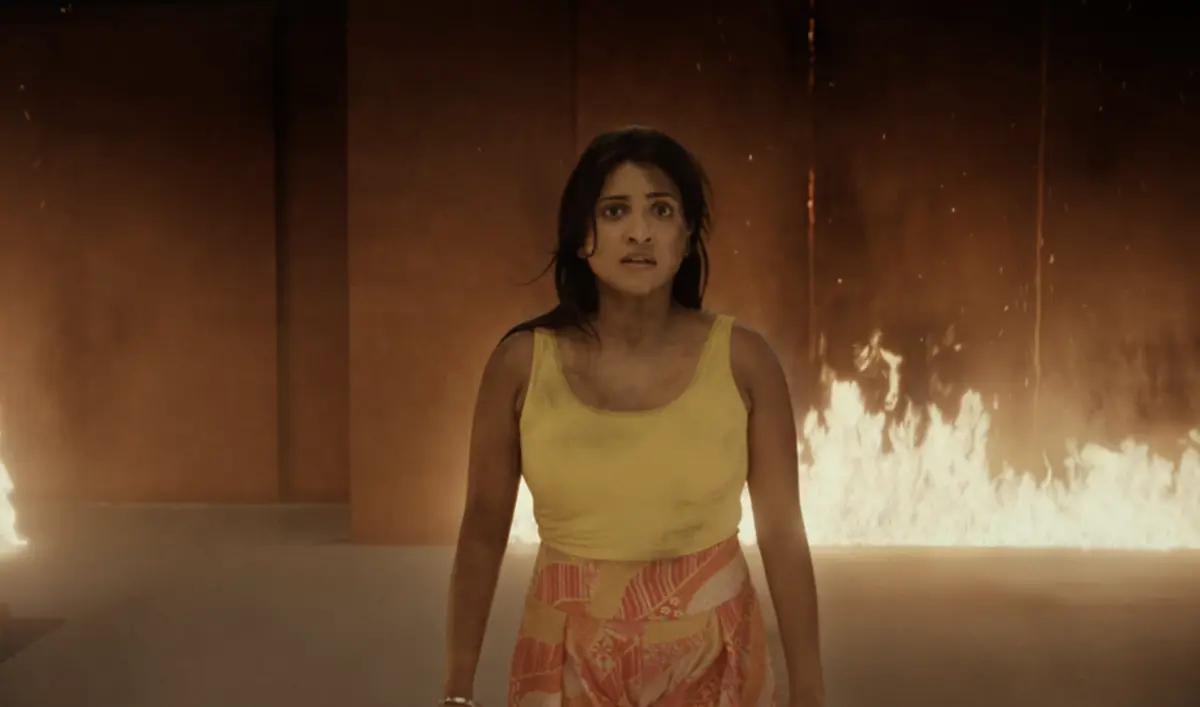
The film follows the journey of Gayatri, a protagonist whose relocation to Los Angeles serves as the catalyst for the story’s central conflict. Upon arriving in the city, Gayatri is encouraged by her friend, Judy, to visit an upscale, trendy yoga studio. The narrative tension begins when the studio owner, Reyna, recruits Gayatri for an exclusive instructor training program.
Despite the red flags and the clearly eccentric nature of the establishment’s leadership, Gayatri accepts the position. Her decision is fueled by a desire to reconnect with the authentic roots of yoga—a practice she originally learned from her grandmother. However, the veneer of spiritual enlightenment quickly erodes once Gayatri is invited to a prestigious instructor’s retreat. It is here that the film shifts into full horror, as the true, darker nature of the studio’s invitation is revealed. The film stars Kirunthuja Srikanth-Talim, Angela Sant’Albano, Alicia Mitchell-Mangual, Usha Krishnan, and Christina Moore, each playing a critical role in the unraveling of the studio’s secrets.
The Rise of Wellness Horror as a Genre
The release of Namaslay comes at a time when the "wellness industry" has become a pervasive fixture in global consumer culture. According to data from the Global Wellness Institute, the wellness economy reached a valuation of approximately $5.6 trillion by the end of 2023. As the industry has ballooned, so too has its presence in popular culture, often becoming a target for satire and critique.
Cinema has increasingly reflected this cultural discomfort. Films like The Menu or the television series Nine Perfect Strangers have already begun to capitalize on the public’s skepticism regarding high-end, exclusive retreats and the gurus who lead them. Namaslay joins this growing sub-genre by specifically interrogating the appropriation of Eastern traditions within Western commercial spaces. By blending the heightened emotional stakes of masala cinema with the pacing and atmospheric tension of horror, the directors aim to illustrate the collision between ancestral heritage and modern commodification.

Production and Creative Direction
The development of Namaslay was a collaborative effort led by production company Khrisp Entertainment, with Venk Potula serving as the primary producer. Rish and Kanish, the film’s writers and directors, have positioned the project as an experiential piece of media. The directors noted that the film was crafted specifically to provoke conversation, focusing on the intersection of identity politics and the spiritual marketplace.
"We made this film to be experienced, shared and talked about," the directors stated in a recent press release regarding the upcoming digital launch. "We are excited that audiences across the country will have the opportunity to discover the world we created. As we continue our awards campaign, we are grateful to everyone who has supported the film and look forward to its next chapter with audiences wherever they watch."
The film’s aesthetic choices are expected to reflect its dual identity: the vibrant, often saturated colors typical of masala cinema juxtaposed against the cold, sterile, and minimalist visuals often associated with luxury yoga studios in Los Angeles. This visual dichotomy is intended to mirror the protagonist’s internal struggle as she attempts to reconcile the yoga of her upbringing with the hollow, profit-driven version she encounters in her new environment.
Industry Implications and Market Strategy
The digital release on December 15 marks a critical milestone for independent films in the current theatrical climate. By opting for a direct-to-digital distribution strategy via Junghal Studios, the producers are likely aiming to capture the demographic that consumes horror content primarily through streaming services.
Industry analysts suggest that this strategy is increasingly viable for niche, genre-specific films that rely on word-of-mouth and social media discourse. In an era where box office success is often dominated by major franchise tentpoles, independent films that offer high-concept social commentary are finding a stronger foothold in the digital space. Furthermore, the film’s ongoing awards campaign indicates that the production team is aiming for critical recognition, potentially using the digital release as a springboard to gain momentum during the industry’s awards season.
Cultural Significance: Appropriation vs. Appreciation
At the heart of Namaslay lies a potent critique of the commercialization of yoga. For decades, the practice of yoga has been a point of contention regarding cultural appropriation. The film explores the nuances of this debate by contrasting Gayatri’s genuine connection to her grandmother’s teachings with the superficial, "zen-washed" environment of the Los Angeles studio.

By grounding the horror in these real-world cultural tensions, the directors are inviting the audience to consider the human cost of the wellness boom. The "ulterior nature" of the retreat mentioned in the film’s synopsis serves as a metaphor for the way traditional knowledge is often extracted, rebranded, and sold back to the public at a premium, often stripping it of its original meaning and community-focused intent.
Moving Forward
As the release date approaches, anticipation within the independent horror community continues to build. The film’s trailer, which features a blend of serene imagery and sudden, jarring shifts in tone, has already garnered significant attention. For viewers, the primary draw will be whether the film can maintain its balance between being a compelling horror story and a sharp-witted critique of the wellness industry.
If successful, Namaslay could set a new benchmark for how independent films address contemporary social issues through the lens of genre fiction. The combination of strong performances, a clear thematic focus, and a unique directorial voice suggests that the film will be a significant addition to the 2026 horror slate. As the industry shifts further toward digital-first distribution models, the success of Namaslay may also provide a roadmap for future filmmakers looking to bridge the gap between culturally specific narratives and broad, mainstream appeal.
With the digital release scheduled for mid-December, the film is positioned to be a topic of discussion for audiences during the holiday season—a time when both the stresses of modern life and the desire for "wellness" are often at their peak. Whether it serves as a cautionary tale or a satirical mirror, Namaslay is poised to challenge the status quo of the yoga studio, both on-screen and off.