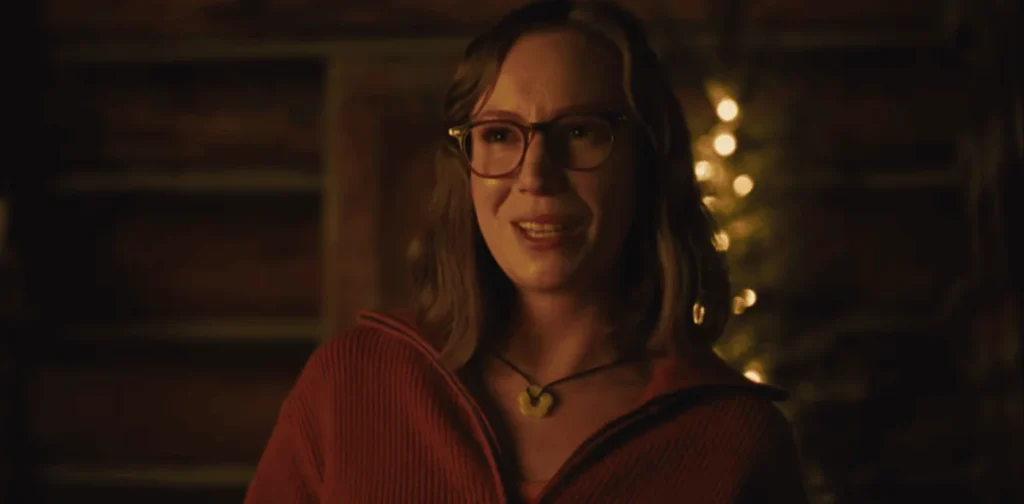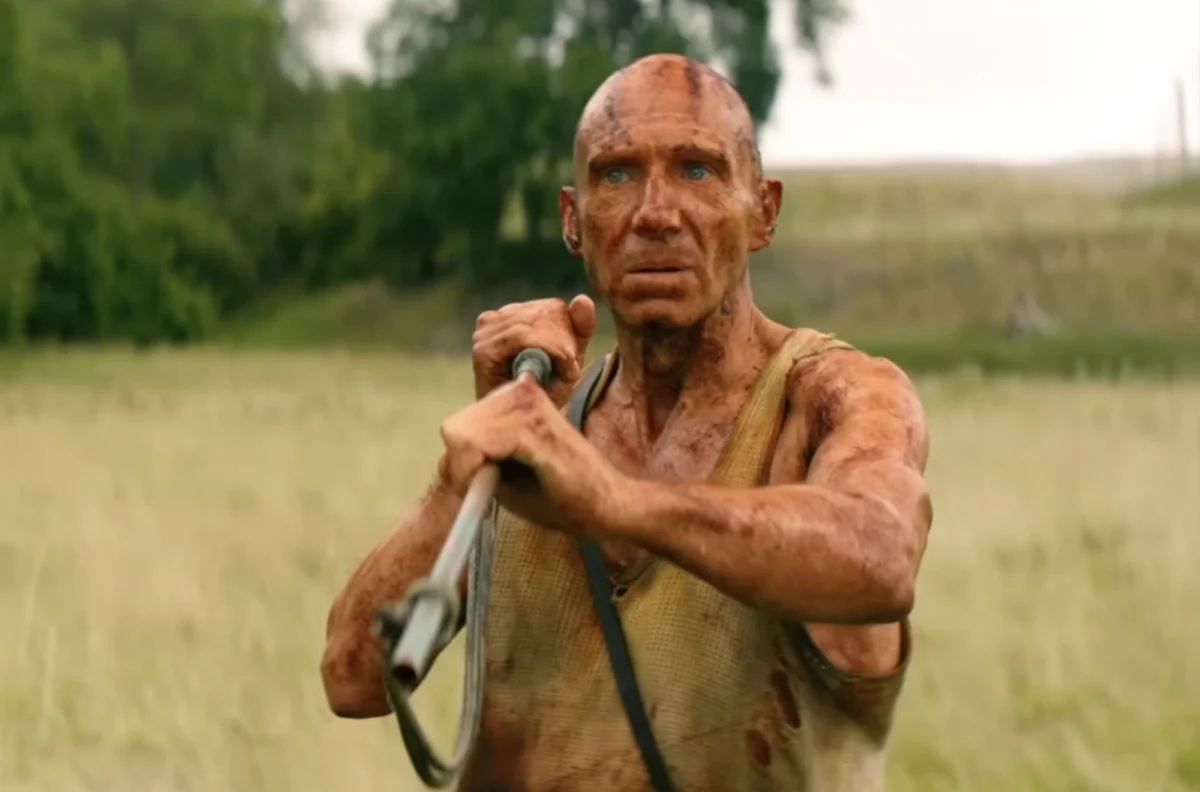
The highly anticipated horror film 28 Years Later: The Bone Temple is set to make its exclusive streaming debut on Netflix in the United States on March 31. This early arrival on a major streaming platform follows a relatively brief theatrical run, a trajectory influenced by modern distribution strategies and the film’s performance at the box office. For audiences who missed the cinematic release, the Netflix debut offers a prime opportunity to experience the latest installment in a franchise known for its visceral thrills and thematic depth.
A Swift Transition to Streaming
The release of 28 Years Later: The Bone Temple on Netflix less than three months after its theatrical premiere on January 16, 2024, highlights a significant shift in the film industry’s release models. This accelerated transition is largely facilitated by existing distribution agreements, specifically the partnership between Sony Pictures and Netflix. Under this arrangement, Sony Pictures films are often made available on Netflix once their exclusive theatrical and premium video-on-demand windows have concluded.
While such early streaming debuts are becoming more common, the swiftness of The Bone Temple‘s arrival also points to factors beyond standard contractual obligations. The film’s performance in cinemas, by traditional metrics, was notably underwhelming. Box office analysts have cited several potential contributing factors to this underperformance, including a title that some found ambiguous or less immediately appealing than previous installments, mixed critical and audience reactions to the broader 28 Years Later franchise’s direction, and the persistently high cost of cinema tickets, which can deter casual moviegoers. The result is that a substantial portion of the film’s intended audience may not have had the opportunity to see it on the big screen.
Critical Acclaim Amidst Box Office Disappointment
Despite its box office struggles, 28 Years Later: The Bone Temple has garnered significant praise from critics who have lauded its artistic merits and directorial vision. Director Nia DaCosta, already recognized for her compelling work on films such as Hedda and Little Woods, is being celebrated for her ambitious exploration of new creative territories within the Bone Temple narrative. The film is described as being intrinsically linked to its franchise predecessors, yet distinct enough to transcend the simple label of a sequel.
Reviewers have frequently drawn parallels between DaCosta’s direction and the influential work of George A. Romero, particularly in the film’s adept balancing of horror, dark humor, graphic violence, and social commentary. A standout element highlighted by critics is the performance of actor Ralph Fiennes, whose portrayal in The Bone Temple is being hailed as one of his most impactful and emotionally resonant performances to date, a testament to the character’s depth and the actor’s commitment.
The critical consensus suggests that The Bone Temple is a film that pushes boundaries and offers a unique cinematic experience, making its underperformance at the box office a point of concern for those invested in original and daring filmmaking. The hope among supporters is that its availability on Netflix will allow it to find a larger, more appreciative audience.
Franchise Context and Narrative Evolution
The 28 Years Later franchise, which began with the critically acclaimed 28 Days Later in 2002, has consistently explored the ramifications of a devastating rage virus that transforms its victims into hyper-aggressive, fast-moving infected individuals. The original film, directed by Danny Boyle, was lauded for its gritty realism, intense pacing, and the introduction of a terrifying new iteration of the zombie apocalypse. 28 Weeks Later, released in 2007, expanded the narrative with a different directorial vision and a focus on the societal collapse and military efforts to contain the outbreak.
28 Years Later: The Bone Temple picks up the narrative thread two decades after the initial outbreak, presenting a world irrevocably altered by the persistent threat of the virus. The "Bone Temple" moniker itself suggests a potentially new element or location of significance within this post-apocalyptic landscape. Early reports indicate that the film delves into the long-term consequences of societal breakdown, the emergence of new factions or communities struggling to survive, and the psychological toll of living under constant threat. The franchise has historically used its horror elements as a vehicle to explore deeper societal anxieties, and The Bone Temple appears poised to continue this tradition, examining how humanity adapts, or fails to adapt, in the face of prolonged existential crisis.
Director Nia DaCosta’s involvement brings a fresh perspective to the established universe. Her previous work has demonstrated a knack for character-driven narratives and atmospheric tension. In The Bone Temple, she is said to have injected a unique visual style and a willingness to experiment with the franchise’s established tropes. This creative ambition is a key reason why the film is being championed by critics as a potential cult classic, a work that might be rediscovered and celebrated by a wider audience over time, much like other ambitious films that initially struggled to find commercial success.
The Business of Film Distribution in the 21st Century
The rapid migration of 28 Years Later: The Bone Temple from theatrical release to Netflix is emblematic of the complex and evolving landscape of film distribution. The traditional model of a long theatrical window followed by physical media releases and then television rights has been largely supplanted by a more fluid and interconnected ecosystem.
Timeline of Release:
- January 16, 2024: 28 Years Later: The Bone Temple receives its initial theatrical release in the United States.
- Late January – Early February 2024: The film experiences a limited theatrical run, with box office figures falling short of projections.
- February 2024: Discussions and arrangements are finalized for the film’s streaming debut, facilitated by existing distribution deals.
- March 31, 2024: 28 Years Later: The Bone Temple becomes available for streaming on Netflix in the United States.
This compressed timeline offers both advantages and disadvantages. For studios, it allows for quicker recoupment of investment through multiple revenue streams and broad accessibility. For audiences, it means more content is available at their fingertips sooner. However, it also raises questions about the perceived value of a theatrical experience and the potential for films to be overlooked if they don’t achieve immediate box office success. The economic realities of the modern film industry often prioritize volume and broad reach over sustained theatrical engagement for certain types of films.
The success of this strategy for The Bone Temple will likely be measured not only by Netflix viewership numbers but also by its ability to generate cultural conversation and potentially influence future franchise installments. The film’s critical reception suggests it possesses qualities that resonate beyond immediate commercial appeal, making its Netflix release a critical juncture in its lifecycle.
Broader Impact and Implications
The trajectory of 28 Years Later: The Bone Temple offers a compelling case study in the contemporary film industry. Its journey from a theatrical release that underperformed to an early streaming debut on a major platform underscores the interconnectedness of these distribution channels. The film’s critical acclaim, despite its box office disappointment, highlights a growing trend where films with strong artistic merit can find a significant audience through streaming services, potentially becoming "underrated gems" of their release year.
For the 28 Years Later franchise, this approach allows for continued engagement with its fanbase and the potential to introduce the series to new viewers who may not have been aware of its theatrical release. It also speaks to the power of directorial vision and performance, as exemplified by Nia DaCosta’s work and Ralph Fiennes’s celebrated performance.
The implications for future film releases are significant. Studios will continue to weigh the benefits of traditional theatrical releases against the immediate accessibility and broader reach of streaming platforms. Films that are perceived as having niche appeal or facing challenging market conditions may increasingly opt for shorter theatrical windows or direct-to-streaming releases.
However, the enduring appeal of the theatrical experience, particularly for event films and franchise entries, cannot be entirely discounted. The debate over the ideal release strategy remains ongoing, with 28 Years Later: The Bone Temple serving as a prominent example of a film navigating these complex dynamics in the current media landscape. Its arrival on Netflix on March 31 will undoubtedly be closely watched by industry observers and fans alike, eager to see if this accelerated path to streaming leads to the wider recognition and appreciation that its critical reception suggests it deserves.