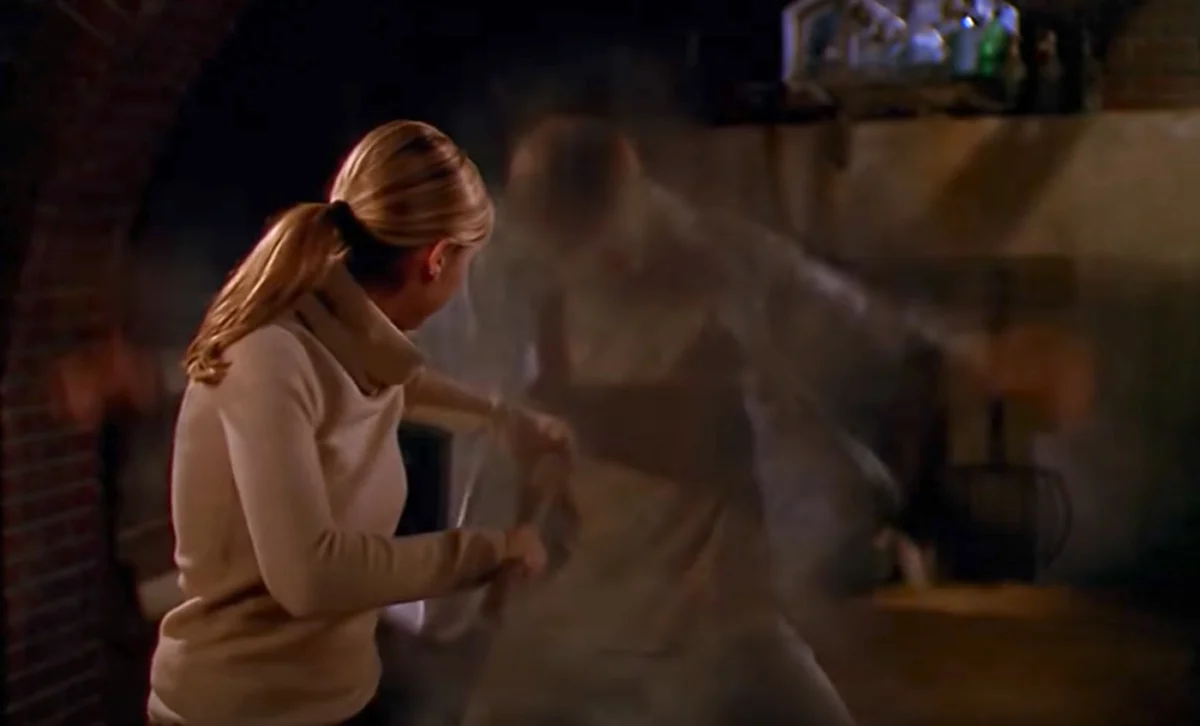
The highly anticipated return of Buffy the Vampire Slayer to television has been abruptly curtailed, with Hulu reportedly deciding not to move forward with the sequel series, tentatively titled New Sunnydale. The decision, revealed on March 14, 2026, has sent ripples through the fandom and the industry, particularly given the seemingly coincidental timing of the news. Star and executive producer Sarah Michelle Gellar was promoting her upcoming film Ready or Not 2 at SXSW Film & TV Festival, while pilot director and acclaimed filmmaker Chloé Zhao was preparing for the Academy Awards, where her film Hamnet was nominated for eight Oscars.
The Unexpected Blow
Sources close to the project, speaking to Deadline, reported receiving the call about the show’s cancellation on the evening of Friday, March 14th. For many involved, the news was a genuine shock. "Nobody saw this coming," Sarah Michelle Gellar shared in an exclusive interview with People. She expressed her profound disappointment, particularly for the new talent involved. "I’m gutted that no one will see her as a Slayer," Gellar stated, referring to Ryan Kiera Armstrong, who was set to portray the new Slayer in the series.
Gellar also pointedly questioned the timing of the cancellation announcement. "For them to call us on the Friday of what should have been Chloé’s victory lap for an incredible film, and my world premiere of something that I worked very hard for is… That says something," she remarked, her pause underscoring the perceived insensitivity of the decision.
Adding to the narrative of internal friction, Gellar revealed an ongoing struggle with an executive who, she claimed, was not only an antagonist to the original series but also openly dismissive of its legacy. "We had an executive on our show who was not only not a fan of the original but was proud to constantly remind us that he had never seen the entirety of the series and how it wasn’t for him," Gellar stated. "So that tells you the uphill battle that we had been fighting since day one, when your executive is literally proud to tell you that he didn’t watch it."
Unpacking the Pilot’s Shortcomings
An update from Variety, citing "sources close to the show," has shed more light on the specific issues Hulu allegedly had with the pilot episode and the overall direction of the project. The report suggests that Hulu executives felt the pilot did not adequately feature Sarah Michelle Gellar’s Buffy Summers and was too narrowly targeted towards a younger demographic.
According to the report, the original script for the pilot reportedly delayed Buffy’s appearance until the very end of the episode. Her introduction would have revealed her working in an insurance company in New York City, with a single line of dialogue. The bulk of the pilot’s narrative was said to take place in Sunnydale, focusing on the new Slayer, Nova (played by Ryan Kiera Armstrong), battling a resurgence of vampires in the town.
While writers Nora and Lilla Zuckerman reportedly undertook rewrites to "age the show up" and give Buffy a more substantial role, Hulu ultimately concluded that the project would not proceed.
Creative Differences and Executive Disconnect
Further insights from anonymous sources suggest that some within Hulu and its parent companies harbored reservations about Chloé Zhao’s suitability for television directing and her overall fit for the Buffy franchise. The report mentions that reshoots might have been necessary to address a perceived lack of "coverage" in the original footage. Additionally, some of the newly introduced characters were reportedly deemed "under-directed."
Variety has also confirmed that the anonymous executive Gellar referenced in her comments is indeed Craig Erwich, the head of Hulu Originals, who now also oversees 20th Television and 20th Television Animation. This detail underscores the significant internal power dynamics at play.
As of the latest reports, Zhao, Gellar, the Zuckerman sisters, and other key creative figures involved in the project have not publicly commented on the validity of these new reports or offered their perspectives in light of the information.
The Development Journey: A Timeline of Hope and Uncertainty
The development and eventual cancellation of the Buffy reboot offer a compelling case study in the complexities of reviving beloved intellectual property.
- Early Stages & Greenlight: The initial concept for a Buffy the Vampire Slayer sequel series, focusing on a new Slayer and featuring Sarah Michelle Gellar in a potentially mentor-like role, began to take shape. The involvement of Chloé Zhao as director and producer signaled a significant artistic ambition for the project. Nora and Lilla Zuckerman were brought on board to write the series.
- Pilot Production: A pilot episode was produced, with Sarah Michelle Gellar and Ryan Kiera Armstrong in key roles. Reports suggest that the initial script may have prioritized the introduction of the new Slayer over Buffy’s presence.
- Rewrite and Studio Approval: Following initial feedback, Nora and Lilla Zuckerman reportedly conducted a rewrite of the pilot. This revised script, described as being 90 minutes long, "more adult," and featuring a more prominent role for Buffy Summers, was reportedly well-received by the involved studios, 20th Television and Searchlight Television. Sources indicated that a pickup for the pilot seemed "imminent" as of the week prior to the cancellation.
- Hulu’s Rejection: Despite positive studio feedback and apparent progress, Hulu ultimately decided not to greenlight the series. This decision came as a shock to the creative team.
- Cancellation Announcement: The news of Hulu’s decision broke on March 14, 2026, coinciding with major professional events for both Sarah Michelle Gellar and Chloé Zhao.
- Post-Cancellation Revelations: Subsequent reports from Deadline and Variety, drawing on anonymous sources, have illuminated potential reasons for Hulu’s decision, including concerns about the pilot’s target audience, the perceived underutilization of Buffy, and creative differences regarding the directorial vision.
The "Foundation Issues" Metaphor
One source close to the project offered a stark metaphor to explain Hulu’s decision to Deadline: "One source close to the project compared the situation to completing a $3M renovation only to find out that the house has foundation issues. Instead of fixing the foundation, you just walk away." This analogy highlights the perceived fundamental flaws that Hulu may have believed existed, making further investment untenable. However, as the article rightly notes, the studios were responsible for building the "house" and could have theoretically addressed such foundational issues earlier in the development process.
Disney’s Stake and Strategic Realignment
The interconnectedness of the studios and the streamer within the Disney corporate umbrella is a crucial aspect of this story. Both 20th Television and Searchlight Television are subsidiaries of Disney, and Hulu is majority-owned by Disney. Deadline reported that Disney Television Group President Craig Erwich made the final call to cancel the show. This aligns with Gellar’s prior comments about an unsupportive executive.
Interestingly, a recent restructuring within Disney, as of Monday, March 10, 2026, saw Erwich add oversight of 20th Television and 20th Television Animation to his responsibilities. Notably, 20th Television holds the rights to iconic franchises such as Buffy the Vampire Slayer and Firefly. This expansion of Erwich’s portfolio suggests a broader strategic consolidation within Disney’s television divisions.
The Future of the Buffy IP
Despite the cancellation of this particular reboot, Deadline indicated that Hulu "remains high on the Buffy IP and plans to regroup and mull a possible new incarnation of the beloved franchise." This suggests that the door is not entirely closed on the Buffy universe finding a new home or form. However, it remains unclear whether Sarah Michelle Gellar would be involved in any future iterations, given her expressed frustrations with the development process of this project.
The Buffy the Vampire Slayer franchise, which originally ran from 1997 to 2003 and garnered a significant cultural following, has a history of reinvention. The original series explored themes of adolescence, friendship, and the struggle against evil through a unique blend of horror, drama, and humor. Its enduring appeal has consistently fueled speculation about potential revivals or continuations.
The cancellation of the Hulu series raises broader questions about the challenges of reviving established franchises in a competitive streaming landscape. The delicate balance between honoring a beloved legacy and adapting to contemporary audience expectations and network priorities is a tightrope walk for any studio. As the industry continues to evolve, the path forward for the Slayer will undoubtedly be closely watched.