The 40th annual SXSW Film & TV Festival, set to electrify Austin, Texas, in 2026, promises an unparalleled showcase of cinematic innovation, cultural commentary, and a robust blend of established and emerging talent. Filmmaker Magazine, a long-standing chronicler of independent cinema, will be on the ground, deploying a dedicated team of journalists and contributors to navigate the festival’s expansive program. With a staggering 119 feature films alone, alongside episodic premieres, documentaries, and interactive experiences, the festival’s ruby anniversary is poised to be a pivotal moment for the entertainment industry, reflecting and shaping its future trajectories. This milestone edition underscores SXSW’s enduring legacy as a launchpad for groundbreaking content and a vibrant hub for creative exchange, from buzzy world premieres to the hidden gems that define independent filmmaking.
SXSW at 40: A Legacy of Innovation and Cultural Convergence
The South by Southwest festival, colloquially known as SXSW, began its journey in 1987 as a local music festival in Austin, Texas. Over the decades, it organically evolved, incorporating interactive media in 1993 and the film component in 1994, transforming into a unique multi-faceted event that champions the convergence of music, film, and technology. The 40th edition in 2026 marks a significant historical milestone, celebrating four decades of fostering creativity, discovery, and industry networking. From its humble beginnings, SXSW has grown into one of the most influential festivals globally, attracting tens of thousands of attendees, including filmmakers, musicians, tech innovators, journalists, and enthusiasts from across the world. Its reputation for unveiling future trends and launching the careers of countless artists, from Lena Dunham and Greta Gerwig to Jordan Peele, firmly establishes its critical role in the cultural landscape.
Austin, Texas, itself plays an indispensable role in the festival’s identity, providing a dynamic backdrop that mirrors SXSW’s spirit of innovation and independent ethos. The city’s unique cultural vibrancy, often encapsulated by its "Keep Austin Weird" motto, perfectly complements the festival’s eclectic programming. This year’s immense lineup, as Filmmaker Magazine prepares to cover, is a testament to the festival’s continued growth and its commitment to presenting a diverse array of voices and narratives. The scale of the 2026 program suggests a robust health within the independent film sector, even amidst evolving industry landscapes and distribution models. Festival organizers are likely to emphasize this landmark anniversary, celebrating past achievements while looking forward to how the next generation of storytellers will continue to push creative boundaries.
Genre Takes Center Stage: High-Octane Premieres and Strategic Releases
A notable trend at the 40th SXSW Film & TV Festival is an anticipated emphasis on genre fare, signaling a robust appetite within the industry for compelling horror, thrillers, and dark comedies. This focus reflects a broader shift in independent cinema, where genre films are increasingly recognized not just for their commercial viability but also for their capacity to deliver profound social commentary and artistic innovation.
One of the most anticipated titles in this category is Hokum, directed by the Irish low-budget maverick Damian McCarthy. Known for his atmospheric and chilling work, McCarthy scales up his ambition with this folk-tinged rental house horror. Early buzz, fueled by its provocative trailer alone, suggests a film poised to deliver genuine scares and a unique aesthetic. The strategic release plan for Hokum further highlights industry trends: it is set to debut via Neon just two and a half weeks after its SXSW premiere. This rapid turnaround from festival launch to theatrical distribution underscores the growing importance of festivals like SXSW as crucial platforms for building immediate buzz and securing expedited commercial releases, allowing filmmakers to capitalize on critical reception and audience excitement almost instantly. For festivalgoers, experiencing Hokum on the big screen at SXSW offers a unique opportunity to engage with a film at the ground floor of what could become a significant horror sensation.
Another high-profile genre entry is Over Your Dead Body, marking The Lonely Island member Jorma Taccone’s first directorial effort since the critically acclaimed mockumentary Popstar: Never Stop Never Stopping (2016). Taccone, known for his comedic sensibilities, pivots to a darker narrative, focusing on a couple, played by the formidable duo Jason Segel and Samara Weaving, whose relationship has deteriorated to the point of mutual murder plots during a remote cabin vacation. This promises a darkly humorous and suspenseful ride, showcasing Taccone’s versatility beyond traditional comedy. Samara Weaving, a standout in contemporary genre cinema, makes a double appearance at the festival, also returning in Radio Silence’s much-anticipated sequel, Ready or Not 2: Here I Come. The follow-up picks up directly from her bloodied bride character in the gonzo 2019 original, promising more of the high-octane, darkly comedic, and visceral action that made the first installment a cult favorite. The presence of these genre heavyweights, combining established talent with innovative concepts, solidifies SXSW’s position as a premier destination for horror and dark comedy.
Voices of Vision: Independent Filmmakers and Filmmaker Magazine’s Spotlight
Filmmaker Magazine’s extensive coverage of SXSW 2026 extends beyond daily dispatches, with two prominent films from the festival slated to grace the pages of its forthcoming Spring 2026 print issue, further cementing their status as significant works. This editorial decision underscores the magazine’s role in championing independent voices and providing in-depth analysis of films that resonate with the zeitgeist.
Boots Riley, the visionary behind the critically acclaimed Sorry to Bother You (2018) and the SXSW-premiering episodic series I’m a Virgo (2023), returns with I Love Boosters. The official synopsis from the festival’s website offers a tantalizing glimpse: "A crew of professional shoplifters take aim at a cutthroat fashion maven. It’s like community service." True to Riley’s distinctive style, the film is expected to blend sharp social commentary with surreal humor, exploring themes of economic inequality and the subversive potential of collective action, echoing the anti-capitalist undertones of his previous work. The casting of Keke Palmer, known for her vibrant performances and comedic timing, appears perfectly calibrated to Riley’s unique brand of absurdist humor and incisive social critique. Her presence suggests a dynamic and engaging lead who can navigate the film’s likely blend of satire and genre-bending elements.
Also featured in the magazine’s upcoming issue is Chandler Levack’s Mile End Kicks. This film, which immerses itself in Montreal’s vibrant music scene, arrives at SXSW following its world premiere at the Toronto International Film Festival (TIFF) last fall. Its inclusion in a festival known for its longstanding concert showcase makes it a particularly fitting selection, bridging the film and music components of SXSW. The magazine will also publish a conversation between Levack and fellow Canadian filmmaker Sophy Romvari, delving into their shared penchant for self-referential narratives—a discussion that promises to offer valuable insights into contemporary Canadian independent cinema and the craft of storytelling. These selections highlight Filmmaker Magazine’s commitment to not only reviewing films but also providing a platform for filmmakers to discuss their creative processes and the broader implications of their work.
Documenting the Human Experience: Identity, Body, and Society
SXSW 2026 also offers a powerful lineup of documentaries that delve into deeply personal narratives and pressing social issues, reflecting the festival’s commitment to non-fiction storytelling that challenges perceptions and sparks dialogue. These films serve as crucial barometers of contemporary anxieties and evolving societal norms.
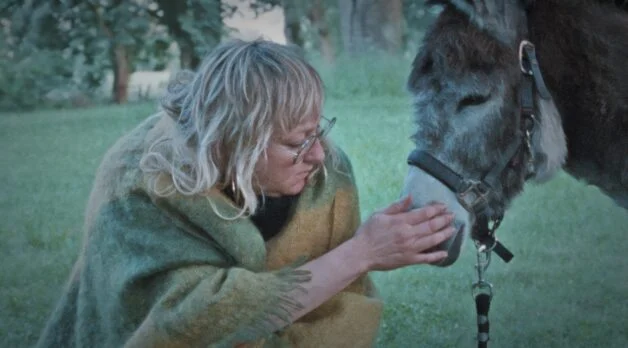
Adam’s Apple, a collaborative non-fiction project by visual artist and filmmaker Amy Jenkins and her son, Adam, stands out as a poignant exploration of gender identity and familial love. The film chronicles Adam’s coming-of-age as a trans teen, distinguished by Jenkins’s decision to concede her camera to Adam. This deliberate artistic choice moves beyond a cisgender maternal perspective, allowing for a nuanced and authentic portrayal of Adam’s gender identity directly from his viewpoint. The incorporation of twenty years of archival footage enriches the narrative, providing a holistic portrait of Adam’s journey and offering a profound meditation on the inevitability of change—a universal theme that resonates with all parents and individuals grappling with personal evolution. This approach exemplifies how documentary filmmaking can foster empathy and understanding through intimate collaboration.
In a starkly different yet equally compelling exploration of the body and identity, Daniel Lambroso’s Manhood investigates the burgeoning world of cosmetic penis enlargements. The documentary shadows Dallas-based bio-hacker Bill Moore as he pioneers a newfangled procedure, testing it on diverse subjects including an OnlyFans creator and a father of four. Lambroso meticulously captures the profound emasculation anxieties and the volatile power of body dysmorphia that drive individuals to seek such procedures. The film is executive produced by Penny Lane, a Filmmaker Magazine "25 New Faces" alum and an expert chronicler of niche communities, known for her incisive and often humorous examinations of unconventional subjects (Our Nixon, Nuts!). Lane’s involvement suggests Manhood will offer a similarly rigorous and socially scrutinizing look at this frontier of "looksmaxxing," a term reflecting the contemporary obsession with optimizing physical appearance, and its complex implications for masculinity and self-worth in the digital age.
The Evolution of Indie: Family Affairs and Sci-Fi Futures

The independent film landscape continues to evolve, with SXSW serving as a key venue for established indie voices to experiment and for new talent to emerge, often within the framework of family collaborations or speculative fiction. These films highlight the enduring appeal of personal storytelling and the exploration of societal anxieties through imaginative lenses.
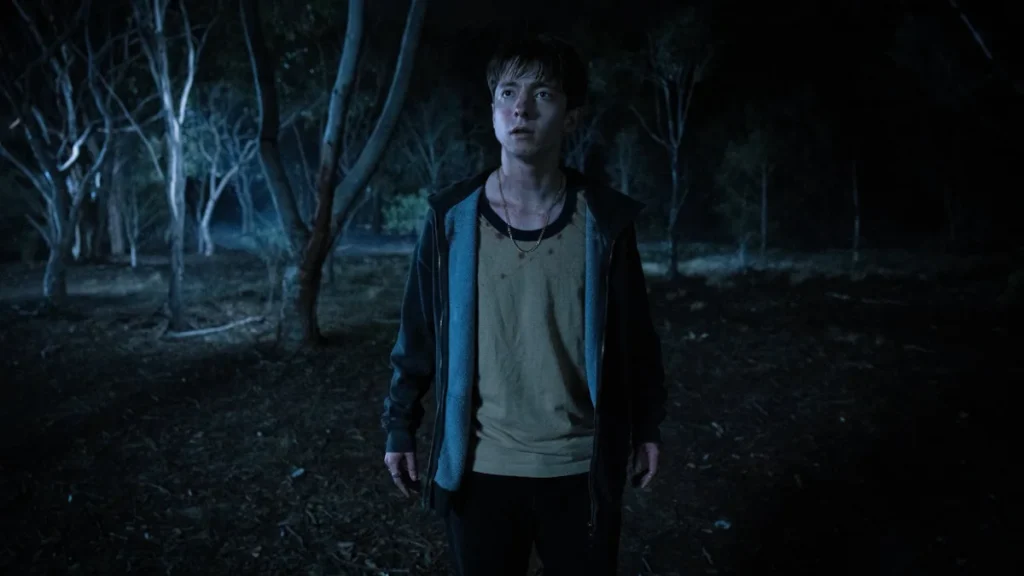
Their Town is a quintessential indie family affair, embodying the collaborative spirit often associated with the Duplass brothers. Written by Mark Duplass, produced by brother Jay Duplass, and directed by Mark’s wife Katie Aselton, the film also marks the feature film debut of their daughter, Ora Duplass, in a starring role. Shot on location in Bangor, Maine, the film follows high school classmates Abby (Ora Duplass) and Matt (Chosen Jacobs) during a cool autumn night. Ostensibly rehearsing lines for a school play, their conversation veers into intimate territories, covering romantic hang-ups and mental health struggles. True to the Duplass Bros’ signature mumblecore style, Their Town is characterized by its lo-fi aesthetic, naturalistic performances, and dialogue-heavy script, with some exchanges in Spanish, adding another layer of authenticity. This project, while firmly rooted in a recognizable indie tradition, is thoughtfully packaged for a new generation through Ora’s involvement, signifying a passing of the torch within the independent filmmaking community. The article’s author will participate in a SXSW panel on March 13 titled "Youth in Front and Behind the Cameras," alongside Ora Duplass, Crash Land director Dempsey Bryk, and Basic producer Katherine McNicol, offering attendees a direct insight into the next wave of talent shaping the industry.
Shifting from intimate realism to speculative fiction, DreamQuil marks the feature debut of writer-director Alex Prager, an artist recognized on Filmmaker Magazine’s "25 New Faces of Film" list in 2023. Starring Elizabeth Banks and John C. Riley, the film is set in a distant yet eerily familiar future where severe air quality has forced humanity into a confined digital existence. Carol (Banks) struggles with the close quarters shared with her husband (Riley) and young son, finding a potential escape in DreamQuil, a virtual wellness retreat designed to mend relationships. However, her hope shatters upon returning home to find "Carol Two," an android caretaker, having seamlessly assumed her domestic duties, and her family seemingly preferring this synthetic replacement. Prager’s film promises a poignant and chilling commentary on technology, identity, and the elusive nature of human connection in an increasingly digital world. Her background as a visual artist suggests a film rich in aesthetic detail and thought-provoking concepts, challenging audiences to ponder the implications of artificial intelligence and virtual realities on our most intimate relationships.
Witches, Mumblecore, and Unlikely Rock Stars: Diverse Narratives
SXSW 2026 continues its tradition of showcasing a diverse tapestry of narratives, from campy genre pastiche to intimate character studies and historical documentaries that redefine cultural legacies.
Meredith Alloway, a longtime Filmmaker Magazine contributor whose byline has appeared dozens of times over the years, makes her directorial debut with Forbidden Fruits. This highly anticipated film is executive produced by Diablo Cody, known for her sharp wit and distinct voice in films like Juno and Jennifer’s Body. Co-written by Alloway and Lily Houghton, and based on Houghton’s stage play Of the woman came the beginning of sin, and through her we all die, the film centers on a coven of trendy young witches who work at a Houston mall boutique named Free Eden. The employees, fittingly, are all named after fruits: Apple (Lili Reinhart), Fig (Alexandra Shipp), Cherry (Victoria Pedretti), and new hire Pumpkin (The Summer I Turned Pretty’s Lola Tung). Forbidden Fruits promises a vibrant homage to "bitchy teen comedies" of yesteryear, including Mean Girls, Cody-scribed Jennifer’s Body, and Jawbreaker, while conjuring a unique pagan pastiche that is entirely its own. This film highlights the exciting transition of a dedicated film journalist into a celebrated filmmaker, a testament to the talent fostered within the independent film community.
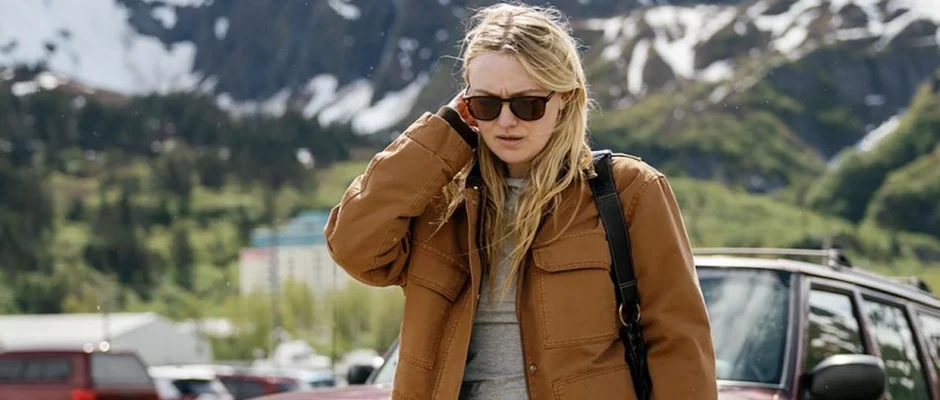
Mumblecore pioneer Joe Swanberg, whose collaborations with artists like Mark Duplass and Greta Gerwig have frequently been featured in Filmmaker Magazine since the early aughts, makes a long-awaited return with his first film in six years, The Sun Never Sets. Swanberg’s projects have a strong history of screening to eager audiences at SXSW. Shot on 35mm film in the evocative landscapes of Alaska, the film centers on Wendy (Dakota Fanning, who also serves as an executive producer), whose relationship with Jack (New Girl’s Jake Johnson) is suddenly paused. This precarious situation becomes further complicated when she unexpectedly encounters her ex, Chuck (Cory Michael Smith), leading to a tense and emotionally charged love triangle. Swanberg’s signature style of improvised dialogue and naturalistic performances, combined with the stunning Alaskan backdrop and a compelling cast, promises a nuanced exploration of relationships, regret, and the complexities of human connection. The choice of 35mm film also suggests a deliberate artistic decision to embrace a classic cinematic aesthetic, further cementing its indie credentials.
Rounding out this diverse section is Ken Kwapis’s documentary, We Are the Shaggs. This film delves into the fascinating and often bewildering story of The Shaggs, a band formed in 1969 when a New Hampshire family man, driven by a prophecy, bought instruments for his three daughters—Betty, Dorothy, and Helen—and booked them studio time. Their only album, Philosophy of the World, was initially panned as one of the worst albums ever made, characterized by its discordant, erratic, and lyrically half-baked nature. However, over the years, avant-garde enthusiasts and music critics have re-evaluated The Shaggs, hailing them as unwitting sonic geniuses and pioneers of outsider music. Kwapis’s documentary further elaborates on their unique origins and enduring legacy, with surviving sisters Dorothy and Betty filling in the blanks nearly 60 years after the release of their cult opus. This film offers a compelling narrative of artistic rediscovery and the redefinition of what constitutes "good" music, highlighting the subjective nature of art and the enduring power of unconventional voices.
The Comeback Kid: Television’s Enduring Power and AI’s Intrusion
Beyond feature films, SXSW 2026 also shines a spotlight on episodic content, showcasing the enduring power of television to satirize and reflect the ever-changing entertainment landscape. One of the most anticipated premieres in this category is the return of a beloved HBO mockumentary series, The Comeback Season 3. Lisa Kudrow reprises her iconic role as the perpetually optimistic yet insecure sitcom actress Valerie Cherish, a character who has become a touchstone for media satire.
This third season arrives after an extended absence, building on a unique chronology: 20 years since the first season was unceremoniously cancelled, and 10 years since its one-off season revival. Each iteration of The Comeback has masterfully surveyed an entertainment landscape in flux, from the early 2000s reality TV boom to the rise of prestige cable dramas. This new season promises to tackle the contemporary media environment, notably by introducing AI into Valerie’s latest show’s writers’ room. The inclusion of AI, alongside the comedic talents of John Early and Abbi Jacobson, positions The Comeback Season 3 as a timely and incisive commentary on the ongoing conversations surrounding artificial intelligence’s role in creative industries. It will undoubtedly explore the anxieties, ethical dilemmas, and potential absurdities of AI integration in artistic endeavors, all through the lens of Valerie Cherish’s inimitable, cringe-inducing pursuit of relevance. The series’ return is not just a nostalgic revival but a sharp, contemporary satire that promises to resonate deeply with industry insiders and audiences alike, further solidifying SXSW’s role in premiering cutting-edge television.
Broader Implications and Anticipation for the 40th Edition
The 40th SXSW Film & TV Festival in 2026 stands as a powerful testament to the resilience, adaptability, and innovative spirit of the entertainment industry. The diverse lineup, meticulously curated by the festival programmers, reflects a dynamic ecosystem where genre-bending narratives coexist with deeply personal documentaries, and where established independent filmmakers continue to push boundaries alongside emerging talents. The sheer volume of content, especially the 119 feature films, indicates a thriving creative output, signaling that despite evolving consumption habits and distribution challenges, the art of storytelling through cinema remains robust.
The festival’s consistent ability to attract and launch significant works, as evidenced by the quick theatrical release for Hokum and the high-profile returns of Jorma Taccone and Joe Swanberg, reinforces its critical role in the film industry’s annual calendar. Moreover, the inclusion of television series like The Comeback Season 3 demonstrates SXSW’s comprehensive embrace of all forms of visual storytelling, recognizing the fluid boundaries between film and episodic content in the modern era.
For Filmmaker Magazine and its team, covering this landmark 40th edition is not merely a journalistic endeavor but an immersion into the very heart of independent cinema’s future. Their commitment to spotlighting films like I Love Boosters and Mile End Kicks in print, and their participation in industry panels, further solidifies their role as essential navigators and champions of this vibrant landscape.
Ultimately, SXSW 2026 is poised to be more than just a festival; it is a cultural barometer, reflecting the prevailing social anxieties, technological advancements, and artistic expressions of our time. From explorations of gender identity and body image to critiques of AI’s intrusion into creative spaces, the films and series presented will undoubtedly spark conversations that extend far beyond Austin’s city limits. The anticipation surrounding this milestone event is palpable, promising a rich and unforgettable experience for all who participate, witness, and engage with the future of film and television.