The diplomatic landscape of Washington D.C. was marked by a moment of significant tension and subsequent media scrutiny on Thursday, March 19, when President Donald Trump hosted Japanese Prime Minister Sanae Takaichi for a series of high-level discussions regarding military cooperation and regional stability. While the summit was intended to bolster the longstanding alliance between the United States and Japan, particularly concerning escalating conflicts in the Middle East, the proceedings were overshadowed by a verbal exchange regarding the 1941 attack on Pearl Harbor. The incident quickly became a focal point for late-night commentary, with ABC’s Jimmy Kimmel dedicating a significant portion of his monologue to the President’s unconventional diplomatic rhetoric.
The Context of the Diplomatic Summit
The meeting between President Trump and Prime Minister Takaichi occurred at a critical juncture for U.S. foreign policy. The administration is currently navigating a complex military environment in the Middle East, specifically involving heightened tensions with Iran. Central to the President’s agenda was a request for increased Japanese military assistance and logistical support. Japan, bound by its post-World War II pacifist constitution—specifically Article 9—has historically limited its military engagements to self-defense and humanitarian missions. However, recent legislative shifts in Tokyo have allowed for a broader interpretation of "collective self-defense," making the Prime Minister’s visit a vital opportunity for the U.S. to seek a more active partnership.
To mark the upcoming 250th anniversary of the United States, Prime Minister Takaichi arrived with a symbolic gesture: the gift of 250 cherry trees. This gesture mirrors the historic 1912 gift of 3,000 cherry trees from the city of Tokyo to Washington D.C., which remain a cornerstone of the capital’s aesthetic and a symbol of the enduring friendship between the two nations.
The Controversial Exchange
The atmosphere of the summit shifted during a press availability when a reporter questioned the President regarding his administration’s decision-making process concerning recent military strikes in Iran. Specifically, the reporter asked why the United States had not informed Japan or other key allies before the strikes were executed.
President Trump defended the decision by emphasizing the strategic necessity of tactical surprise. "We went in very hard and we didn’t tell anybody about it because we wanted surprise," the President stated. He then directed a question toward the Japanese Prime Minister that invoked a sensitive chapter of shared history: "Who knows better about surprise than Japan? Okay, why didn’t you tell me about Pearl Harbor?"
The reference to the December 7, 1941, attack—which resulted in the deaths of over 2,400 Americans and propelled the United States into World War II—was met with visible discomfort among the attending press and staff. The comment drew immediate parallels to the President’s history of using blunt, often confrontational historical analogies in modern diplomatic settings.
Late-Night Reaction and Media Analysis
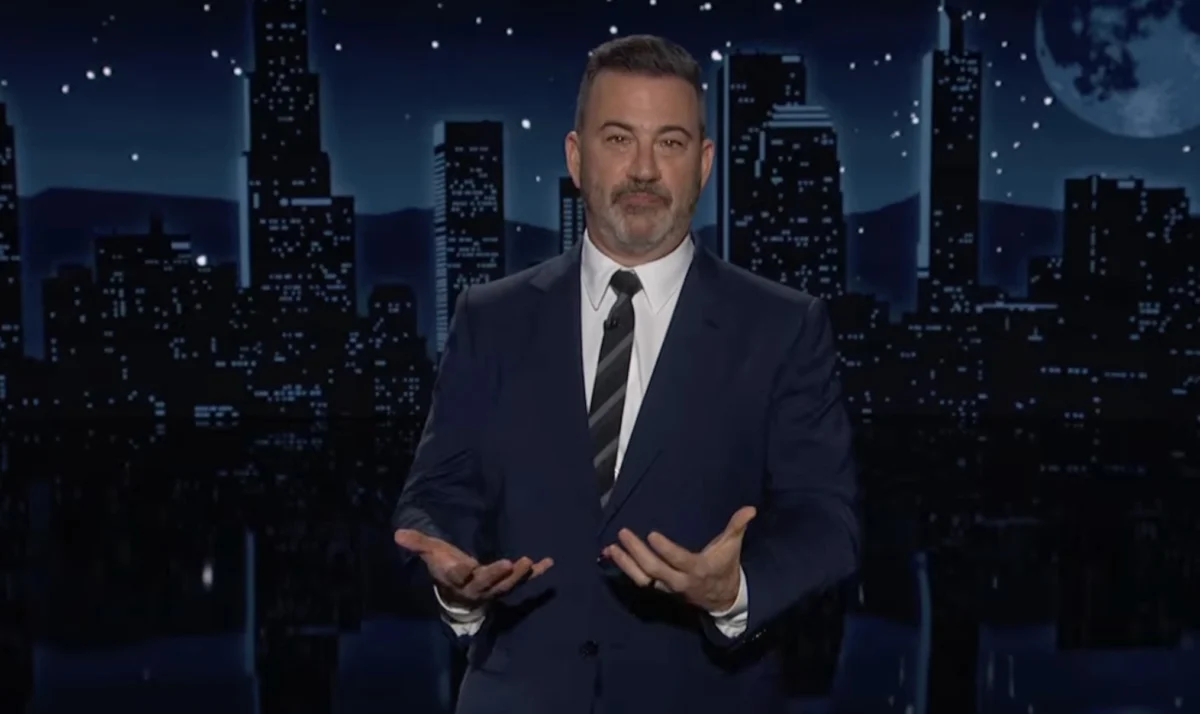
Jimmy Kimmel, host of Jimmy Kimmel Live!, reacted to the footage during his Thursday night broadcast, describing the moment as a "new level of discomfort." Kimmel’s critique centered on what he characterized as a lack of diplomatic tact, particularly given the nature of the gift Japan had presented.
"Trump is hoping Japan will offer military assistance for his war in the Middle East, but instead the prime minister brought him 250 cherry trees to commemorate our 250th anniversary," Kimmel remarked to his audience. He further commented on the President’s past actions regarding White House landscaping, specifically the 2020 renovation of the Rose Garden, suggesting that the gift might not be appreciated in the spirit it was intended. "This is a guy who paved over the rose garden. What is he going to do with 250 cherry trees? Probably use them to build a Waffle House or something."
Kimmel also addressed the absurdity of the historical comparison, noting that the events of Pearl Harbor occurred five years before the President was born and nearly eighty years prior to the current administration. The comedian suggested that the President’s understanding of the event might be limited to cinematic depictions, referencing the 2001 film Pearl Harbor starring Ben Affleck.
Fiscal Implications and Military Funding
Beyond the rhetorical friction, the summit took place against a backdrop of significant fiscal requests from the Department of Defense. The Pentagon has recently submitted a $200 billion supplemental funding request to Congress to support the ongoing and expanding conflict in the Middle East. This request covers a wide array of expenditures, including carrier strike group deployments, munitions replenishment, and enhanced intelligence operations in the Persian Gulf.
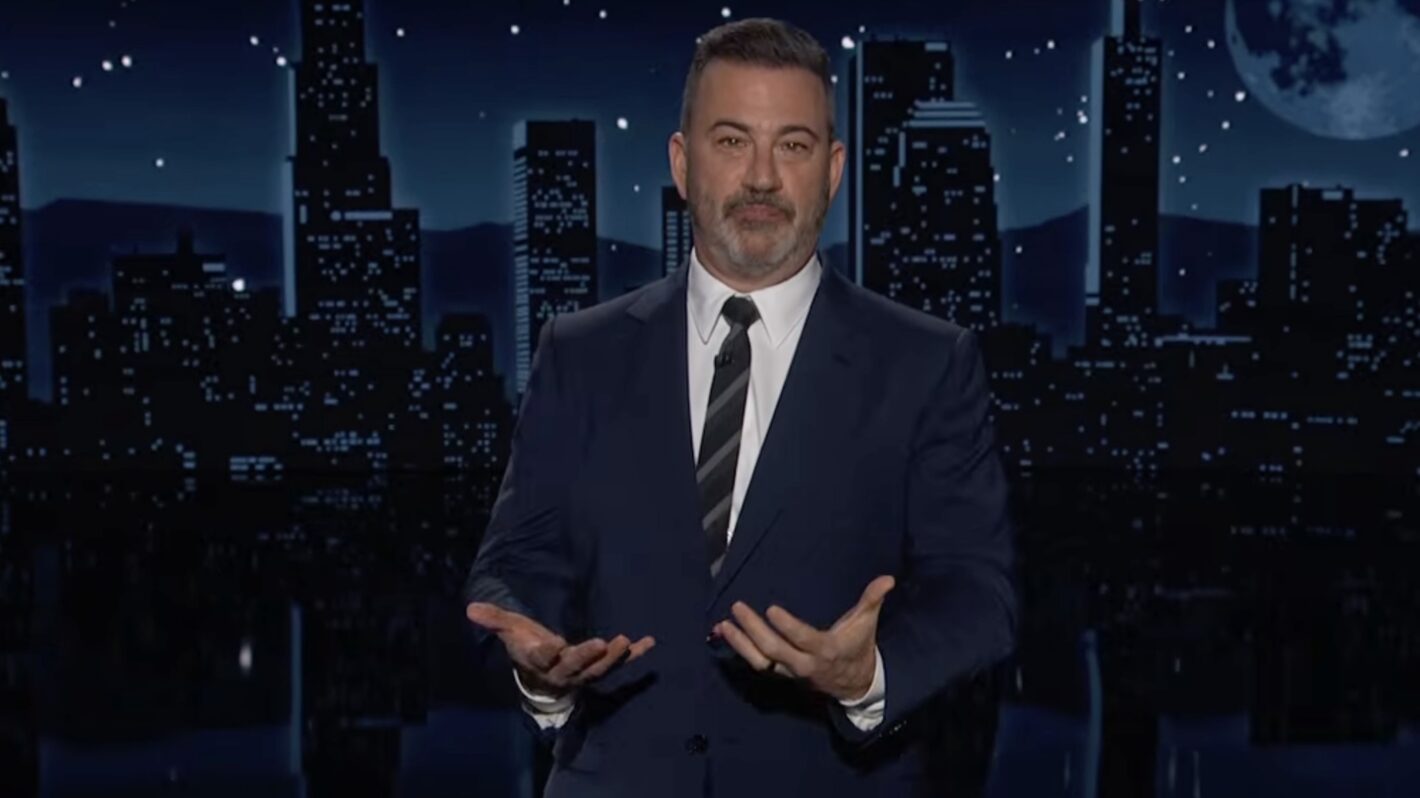
Kimmel utilized these figures to pivot into a broader critique of the administration’s priorities. "I think instead of spending all this money on weapons to drop on people, why don’t we just offer Trump a hundred billion of it to go away?" Kimmel asked. He framed the suggestion as a "cash up front" deal to encourage the President to retire from public life, referencing the President’s various commercial ventures, such as the sale of branded hats and Bibles.
Chronology of Recent U.S.-Japan Relations
To understand the weight of the President’s remarks, it is necessary to examine the timeline of the U.S.-Japan alliance leading up to this meeting:
- Late 2023: The U.S. and Japan begin discussions on a "New Era of Cooperation," focusing on semiconductor supply chains and maritime security in the South China Sea.
- January 2024: Tensions in the Middle East escalate following a series of maritime incidents, prompting the U.S. to seek international coalition support.
- February 2024: Prime Minister Takaichi’s administration signals a willingness to discuss logistical support for U.S. operations, despite domestic political opposition in Japan.
- March 10, 2024: The U.S. executes a unilateral strike against Iranian-backed positions, citing an "imminent threat." Allies, including Japan and NATO members, report they were not briefed prior to the engagement.
- March 19, 2024: The bilateral summit in Washington D.C. takes place, resulting in the Pearl Harbor exchange.
Diplomatic and Geopolitical Implications
The President’s remarks have raised questions among foreign policy analysts regarding the stability of the "Indo-Pacific Strategy." Japan is often cited as the "linchpin" of U.S. interests in Asia. Maintaining a respectful and predictable relationship is considered paramount to countering regional influences and maintaining trade routes.
Historians and diplomats often emphasize that while the memory of World War II is foundational to the current security arrangements, invoking the "surprise" of Pearl Harbor in a modern context can be seen as counterproductive. It risks alienating a public in Japan that has spent decades fostering a culture of peace and international cooperation.
Furthermore, the lack of prior notification regarding military strikes in Iran remains a point of contention for U.S. allies. International law and mutual defense treaties typically suggest a level of consultation before actions are taken that could affect global oil prices, shipping lanes, or the security of allied citizens living in the region.
Official Responses and Inferred Reactions
While the White House Press Office has not issued a formal clarification of the Pearl Harbor remark, supporters of the President often argue that his "plain-talk" style is intended to bypass traditional diplomatic "niceties" to address perceived historical imbalances. From this perspective, the comment was likely intended as a rhetorical device to underscore the importance of military secrecy rather than a literal grievance against the current Japanese government.
The Japanese delegation has remained characteristically reserved. In the immediate aftermath of the meeting, Prime Minister Takaichi focused her public comments on the "enduring strength of the alliance" and the shared goal of a "Free and Open Indo-Pacific." However, diplomatic sources suggest that such remarks are meticulously documented by the Japanese Ministry of Foreign Affairs and may influence the tone of future negotiations regarding military cost-sharing and base relocations in Okinawa.
Broader Impact on Public Discourse
The intersection of late-night comedy and high-stakes diplomacy highlights the unique way in which American political culture processes international events. Jimmy Kimmel’s monologue serves as a barometer for a segment of the public that views the administration’s foreign policy as erratic. By framing the $200 billion military request alongside the President’s personal commercial endeavors, Kimmel connects complex geopolitical strategy to domestic economic concerns.
As the U.S. approaches its 250th anniversary, the gift of the cherry trees was intended to be a moment of unity. However, the discourse surrounding the March 19 meeting suggests that historical grievances, even those nearly a century old, continue to play a role in the theater of modern politics. Whether this incident will have a lasting impact on U.S.-Japan military cooperation remains to be seen, but it has undoubtedly added a layer of complexity to an already strained international environment.
The Pentagon’s $200 billion request continues to face scrutiny in the House and Senate, where lawmakers are weighing the necessity of Middle East intervention against domestic infrastructure and social programs. As these debates unfold, the rhetoric used at the highest levels of government will likely remain under the microscope of both the global diplomatic community and the American media.