New York-based writer and filmmaker Ayushi A. Shah, an acclaimed South Asian artist whose work has garnered international recognition, has once again captivated audiences with her latest offering, "Strange Things Will Happen." This overarching project encompasses various creative endeavors, with one notable component being the short film "A New Year’s Dance," which has recently been reviewed as part of the prominent "Submit Your Film" Initiative. Shah’s multifaceted career includes significant contributions to projects for esteemed organizations such as The Juilliard School, The Drama League, Bloomberg, Unspeakable Vlogs Inc., and eos, among others. Her insightful essays have found homes in online publications, and her work has frequently been highlighted in the press, underscoring her rising prominence in the creative landscape.
Ayushi A. Shah: A Rising Voice in Contemporary Cinema
Ayushi A. Shah stands as a significant figure among contemporary South Asian filmmakers, bringing a unique perspective to the global cinematic stage. Her journey in film and writing is marked by a consistent commitment to exploring complex human experiences, often through lenses that reflect her cultural heritage and a deep understanding of psychological nuances. Shah’s academic and professional background, which includes collaborations with institutions like The Juilliard School and The Drama League, speaks to a foundation built on rigorous artistic training and a strong grasp of narrative structure and performance. These experiences have undoubtedly honed her craft, allowing her to transition seamlessly between diverse projects, from commercial ventures with entities like Bloomberg and eos to more independent, artist-driven works. Her involvement with "Unspeakable Vlogs Inc." further illustrates her adaptability and willingness to engage with contemporary digital storytelling formats, showcasing a versatile approach to content creation that transcends traditional boundaries. The consistent recognition at international film festivals is a testament to the universal appeal and artistic merit of her storytelling, solidifying her reputation as an emerging talent whose voice resonates widely. Her published essays, frequently featured in the press, complement her filmmaking by offering textual explorations of themes that often parallel her visual narratives, providing a holistic view of her artistic philosophy.
"A New Year’s Dance": A Deep Dive into Internal Conflict
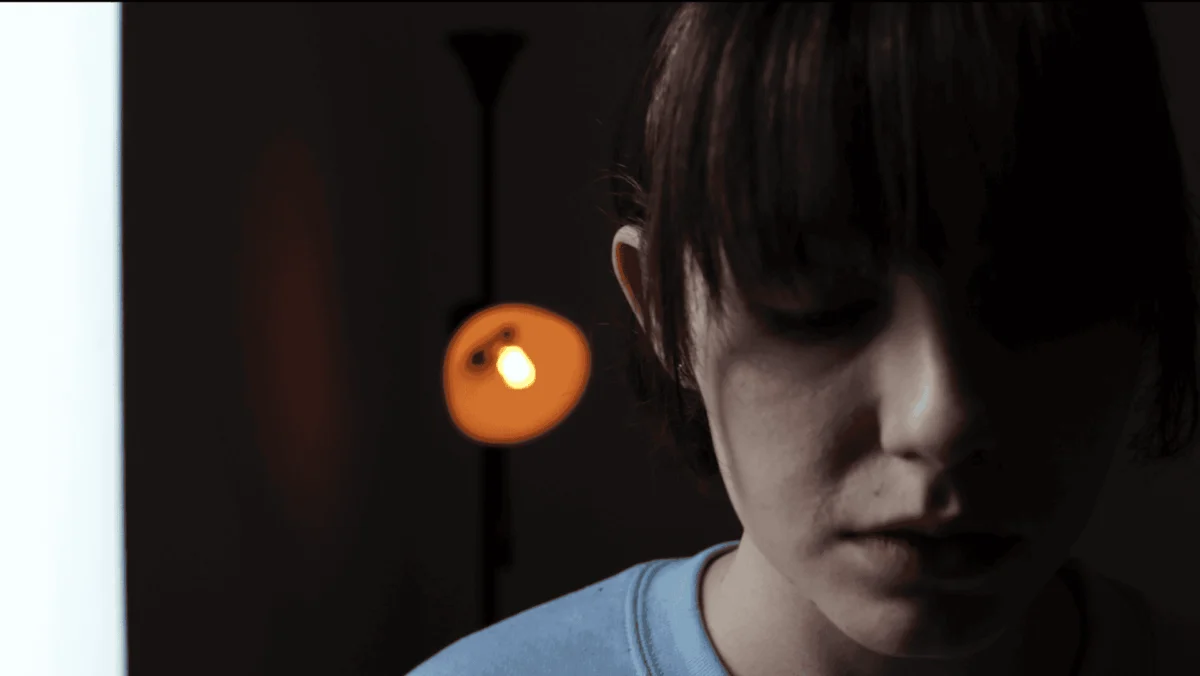
"A New Year’s Dance" is a poignant exploration of anxiety and the often-invisible struggles faced by individuals, particularly within the context of isolation and cultural displacement. The film commences with an immediate immersion into the protagonist Hannah’s fractured reality. A tight close-up shot introduces Hannah, clad in a blue shirt, engaged in an intense, one-sided conversation. Her urgency is palpable as she reiterates her thoughts, a clear indicator of an internal struggle for articulation and validation. The auditory landscape initially suggests external interaction – the faint sounds of someone singing upstairs, the rhythmic drip of a shower – only for the reveal to shatter this illusion: Hannah is speaking to her own reflection in a mirror. This pivotal moment instantly establishes the film’s central theme of internal monologue and the isolating nature of her condition.
Her frustration, a raw and visceral emotion, propels her from the bathroom to the kitchen. Here, the mundane act of washing dishes becomes a canvas for her escalating anxiety. She continues her self-dialogue, punctuated by complaints, while simultaneously listening to a podcast featuring an astronaut. The juxtaposition of her earthly, deeply personal turmoil with the vast, impersonal discourse of space exploration subtly underscores her sense of detachment and perhaps, a yearning for escape. The narrative then follows her to another room, where she mops, her frustration intensifying with each stroke. The climax of this escalating internal pressure manifests as she seeks refuge behind a chair, culminating in a sudden, sharp yell—a desperate release of pent-up emotional energy.
The protagonist’s subsequent reaction, a heightened sense of being observed, leads her to invoke a higher power, God, as the ultimate witness. This turn towards external surveillance, even if perceived, highlights the pervasive nature of her anxiety, where even her private moments feel scrutinized. The sudden ring of the doorbell shatters her fragile composure, plunging her into a state of terror. The mention of "Harold" and the fear of being yelled at or arrested suggests a past trauma or an overwhelming fear of confrontation and judgment. This internal panic escalates into visible hyperventilation, painting a vivid picture of a mind spiraling under duress. The tension, meticulously built throughout these scenes, finds a temporary release as Hannah retreats to her bed, seeking solace in sleep. However, her relentless thoughts persist, a testament to the insidious nature of anxiety. It is only when she turns to music, specifically "Disco" by Surf Curse, that a true shift occurs. The act of dancing, a spontaneous and uninhibited expression, provides a momentary escape. This fragile peace is further cemented by a timely phone call from her mother, a voice of comfort and connection that offers a much-needed lifeline.
Thematic Depth: Anxiety, Immigration, and the Search for Connection
"A New Year’s Dance" meticulously unpacks the multifaceted experience of anxiety, positioning it not merely as a personal affliction but as a condition exacerbated by external circumstances. The film’s revelation that Hannah attends regular therapy sessions and lacks social connections paints a stark picture of her isolation. Tyler St. Clair’s performance as Hannah is pivotal in conveying this complex emotional landscape. Her portrayal masterfully captures both the crippling intensity of panic attacks and the fleeting, yet profound, moments of release and vulnerability. This nuanced performance allows the audience to empathize deeply with Hannah’s internal world, making her struggles feel authentic and immediate.
A crucial layer of thematic depth is introduced through the subtle suggestion of Hannah’s immigrant status in the United States, inferred primarily from her accent, which appears to be from the United Kingdom. This detail significantly broadens the film’s scope, transforming it from a mere character study into a commentary on the unique challenges faced by immigrants. The experience of navigating a new country, often without an established support network, can exacerbate existing mental health vulnerabilities or trigger new ones. Issues such as cultural assimilation stress, language barriers (even subtle ones), feelings of displacement, and the absence of familiar social structures can contribute significantly to anxiety and isolation. The film implicitly argues that Hannah’s anxiety is not solely an internal disorder but is intricately linked to her environmental context as an immigrant, highlighting the intersectionality of mental health and socio-cultural factors.
In this challenging environment, the film skillfully presents various coping mechanisms and sources of solace. Music emerges as a powerful therapeutic tool, offering an immediate, visceral escape from overwhelming thoughts. The spontaneous dance scene to "Disco" is a visual metaphor for reclaiming agency and finding joy amidst despair. Therapy, while not explicitly shown, is acknowledged as a consistent effort towards managing her condition, representing a proactive step towards mental well-being. Perhaps most profoundly, the film underscores the invaluable role of familial support. The mother’s phone call, even without a visual presence, symbolizes a vital connection to a loving past and a reliable source of comfort, emphasizing the enduring power of family ties, particularly across geographical distances. These elements collectively paint a picture of resilience, demonstrating that while anxiety can be debilitating, avenues for relief and connection exist, offering at least temporary respite and hope.
Crafting the Experience: Technical Aspects and Artistic Choices
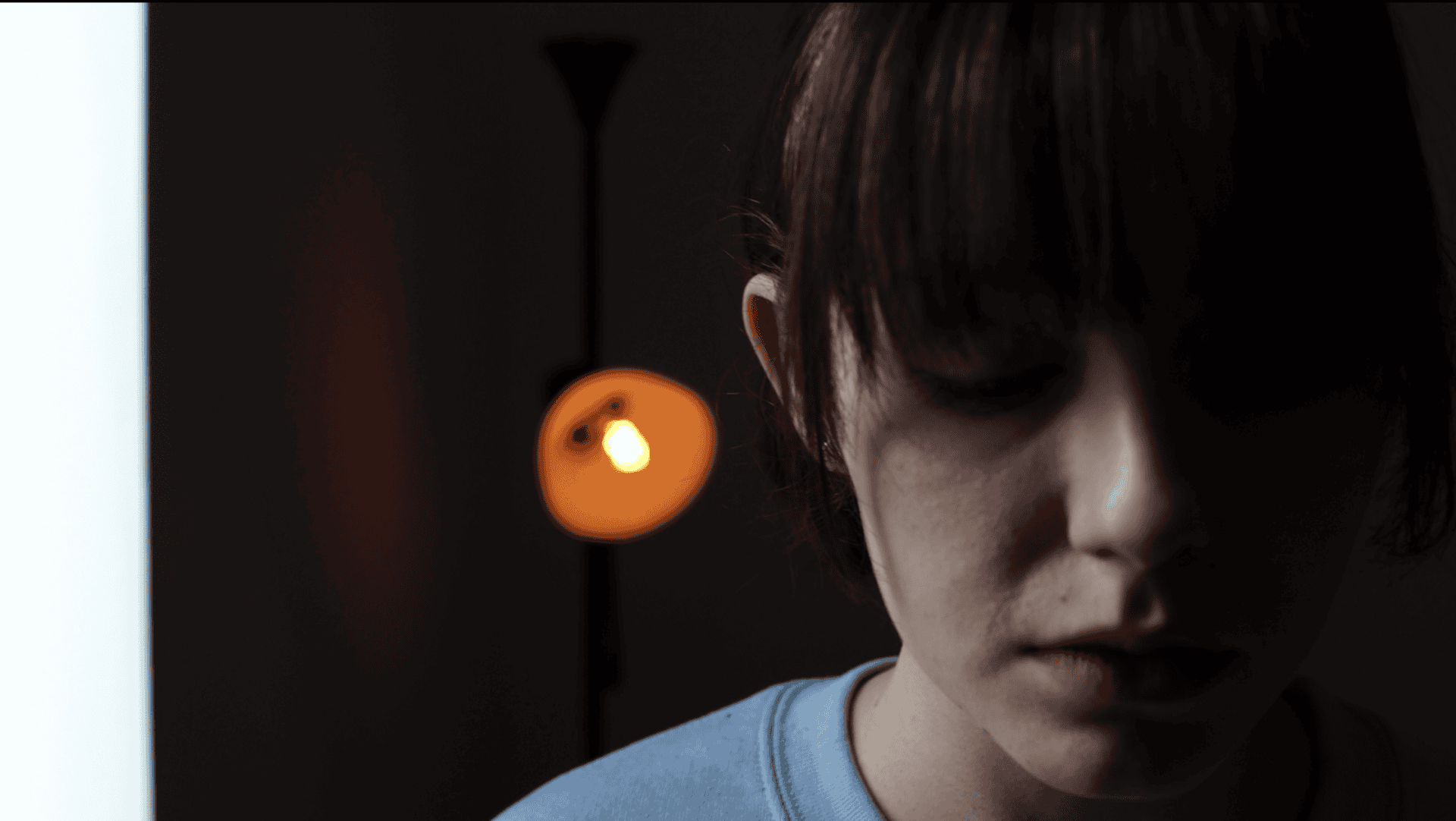
The technical execution of "A New Year’s Dance," while acknowledged to possess a certain rawness typical of independent productions, effectively serves its narrative and emotional objectives. Srivathsan Selvarajan’s cinematography is a standout feature, demonstrating a keen eye for capturing the confined yet emotionally charged spaces of Hannah’s apartment. The strategic use of close-ups is particularly effective, drawing the viewer intimately into Hannah’s personal space and allowing every subtle shift in her expression to convey profound internal states. These tight frames intensify the sense of claustrophobia and isolation that often accompanies anxiety, making the audience feel Hannah’s emotional burden more acutely. Furthermore, the recurring blue tones that occasionally saturate the visual palette are not merely aesthetically pleasing but serve as a powerful symbolic element. Blue, often associated with melancholy, introspection, and sometimes calm, mirrors Hannah’s fluctuating emotional landscape, from periods of deep sadness to moments of quiet contemplation. Selvarajan’s deliberate framing of the protagonist also plays a crucial role, enhancing the emotional impact of her presence on screen. The way she is positioned within the frame, often appearing small or overwhelmed by her surroundings, visually reinforces her vulnerability and struggle against an unseen adversary.
Ayushi A. Shah’s role as editor further strengthens the film’s immersive quality. Her editing choices are not merely functional but deeply empathetic to Hannah’s mental state. The cuts are often sharp and abrupt, mirroring the sudden shifts in Hannah’s thoughts and emotional outbursts. Conversely, longer takes might be employed during moments of quiet contemplation or internal dialogue, allowing the audience to linger in her discomfort. This thoughtful pacing and rhythm, achieved through judicious editing, effectively translates the disorienting and often fragmented experience of anxiety onto the screen, making the viewer feel as though they are experiencing Hannah’s mental turmoil firsthand.
The sound design, however, presents a notable area for improvement. While the article points out its "problematic" nature, particularly concerning the audibility of Hannah’s speech, this is a critical aspect given the narrative’s heavy reliance on her internal monologues and spoken frustrations. In independent filmmaking, sound quality can often be a significant hurdle due to budgetary constraints or limited access to professional equipment and sound engineers. Issues such as inconsistent volume levels, background noise interference, or muffled dialogue can detract from the viewing experience, especially when the protagonist’s words are central to understanding her psychological state. Despite these technical shortcomings in dialogue clarity, the musical score stands out as a strong component. Comprising delicate piano and violin elements, the score is highly fitting, providing an emotional underscore that enhances the film’s melancholic and introspective mood. It effectively amplifies the dramatic tension and emotional resonance of key scenes, guiding the audience through Hannah’s journey without overpowering the narrative. This interplay between the evocative score and the occasionally problematic dialogue highlights the common challenges and triumphs within independent cinema production.
The "Submit Your Film" Initiative: Nurturing New Talent
The review of "A New Year’s Dance" being part of the "Submit Your Film" Initiative provides crucial context for its reception and broader significance. Such initiatives are vital platforms in the independent film ecosystem, designed to discover, highlight, and promote emerging filmmakers and their works that might otherwise struggle to gain visibility. These programs typically offer a unique opportunity for creators to have their films seen by a wider audience, critics, and industry professionals, often leading to increased exposure, potential distribution deals, and critical recognition. For a film like "A New Year’s Dance," which might be considered raw on a technical level but rich in thematic depth and performance, initiatives like this are invaluable. They prioritize artistic vision, storytelling prowess, and the ability to provoke thought over pristine technical polish, thereby fostering a more diverse and inclusive cinematic landscape. The inclusion of Shah’s film in such an initiative underscores its potential and validates its artistic merit, providing a launchpad for her and other independent artists to reach broader acclaim. This platform plays a crucial role in democratizing access to film criticism and exposure, allowing unique voices to break through the often-crowded industry.
Broader Implications: Mental Health and Immigrant Narratives in Cinema
"A New Year’s Dance" transcends its immediate narrative to contribute to a growing body of cinematic works addressing critical social issues. The film’s sensitive portrayal of anxiety aligns with an increasing global awareness of mental health challenges. According to the World Health Organization, anxiety disorders are among the most common mental health conditions worldwide, affecting millions. Films that depict these struggles with authenticity, like Shah’s, play a crucial role in destigmatizing mental illness, fostering empathy, and encouraging open dialogue. By showing Hannah’s internal turmoil and her attempts to cope, the film helps audiences understand the lived experience of anxiety, moving beyond superficial portrayals.
Furthermore, the subtle but impactful inclusion of Hannah’s immigrant status adds another layer of profound social relevance. Immigrant communities often face heightened risks for mental health issues due to factors such as cultural shock, language barriers, discrimination, separation from family, and the complex process of adapting to a new society. Research consistently indicates that immigrants and refugees can experience higher rates of anxiety, depression, and post-traumatic stress disorder. "A New Year’s Dance" subtly yet powerfully brings this reality to the forefront, reminding viewers that mental health struggles are often intertwined with socio-economic and cultural contexts. By featuring a character who is an immigrant and grappling with anxiety, the film contributes to a vital conversation about the specific mental health needs of these populations and the importance of accessible support systems. It highlights the often-unseen battles fought by individuals striving to build new lives in unfamiliar lands, making a compelling case for cinema as a tool for social commentary and advocacy.
Critical Reception and Future Outlook
The overall assessment of "Strange Things Will Happen" through the lens of "A New Year’s Dance" positions it as a compelling and ultimately engaging work, despite its acknowledged technical imperfections. The review highlights that while the film might be "somewhat raw on a technical level," its profound thematic depth, coupled with a powerful central performance and a thoughtful visual approach, allows it to transcend these shortcomings. This critical perspective suggests that the film’s artistic integrity and emotional impact outweigh any production limitations, resulting in a work that resonates deeply with its audience.
For Ayushi A. Shah, this positive critical reception, particularly within the framework of the "Submit Your Film" Initiative, is a significant career milestone. It not only validates her artistic vision and directorial prowess but also signals her potential as a filmmaker capable of tackling complex subjects with nuance and authenticity. The review’s emphasis on her strong visual storytelling and adept editing suggests a director with a clear artistic voice and technical command. Given her established track record of working with notable entities and her recognition at international film festivals, "Strange Things Will Happen" and "A New Year’s Dance" further cement Shah’s position as an exciting and important voice in contemporary cinema. Her continued exploration of themes like mental health, identity, and the immigrant experience promises a rich and impactful future for her body of work, inviting audiences to anticipate her next creative endeavor with keen interest.