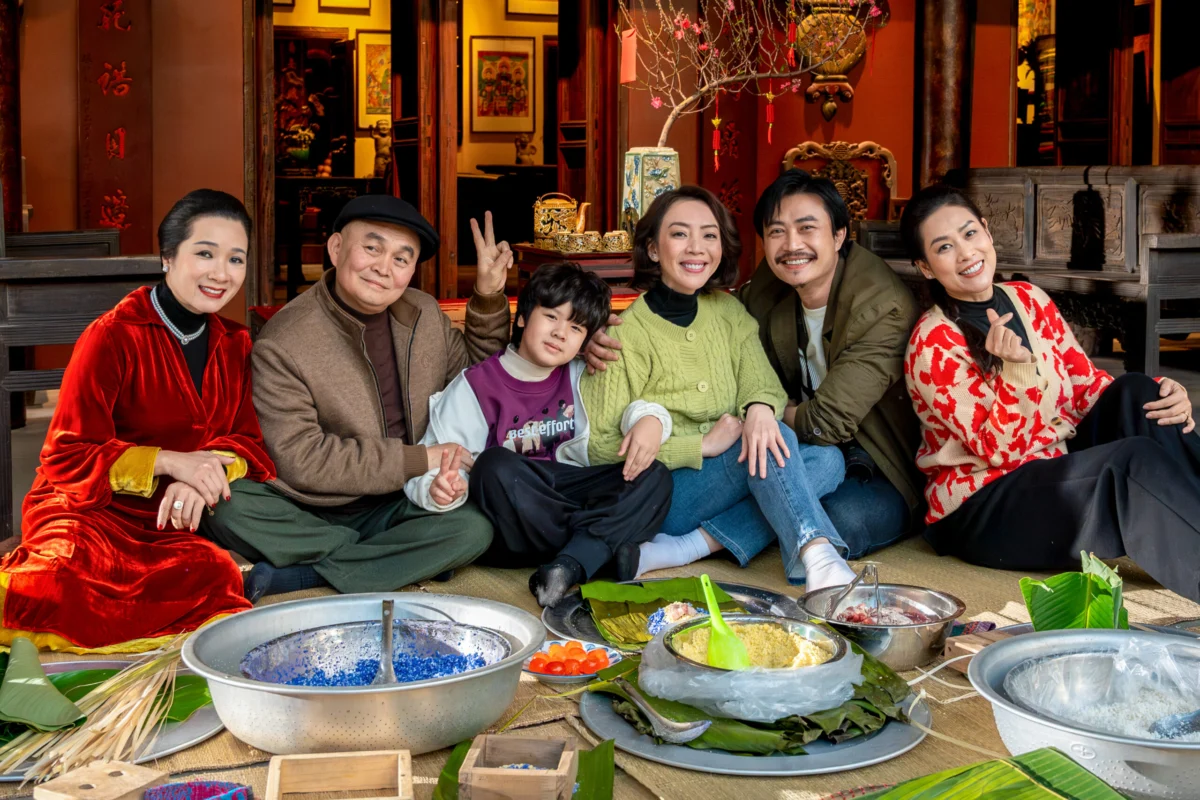
Minh Beta’s directorial debut, "Scent of Pho," emerges as an ambitious and deeply culturally rooted family dramedy, skillfully attempting to bridge local Vietnamese specificity with international accessibility. The film, shot in the culturally significant Nam Dinh province, widely recognized as the birthplace of Vietnam’s iconic pho noodle soup, and within the historic Old Quarter of Hanoi, draws extensively from the rich cultural and culinary heritage of Northern Vietnam. Its production philosophy emphasized authenticity not only in its meticulously chosen locations but also in its strategic casting, notably featuring veteran comedian and revered folk performer Xuan Hinh in his inaugural feature film role as Mr. Mui. Domestically celebrated as the "King of Northern Comedy," Hinh leverages decades of invaluable stage and television experience, delivering a performance that firmly anchors the movie’s delicate blend of humor and profound sentimentality. The ensemble cast further solidifies this deep connection to Vietnamese tradition and popular culture, featuring established talents such as Thu Trang, Meritorious Artist Thanh Thanh Hien, and a cadre of other familiar faces from the nation’s vibrant cinema and theater scenes.
The Genesis of "Scent of Pho": A Cultural Vision
The conceptualization of "Scent of Pho" appears to be deeply rooted in a desire to explore the essence of Vietnamese identity through one of its most potent symbols: pho. Minh Beta, an entrepreneur and artist, has articulated a vision for the film that extends beyond mere entertainment, aiming to serve as a cultural ambassador. By setting the narrative in Nam Dinh, the film immediately establishes a strong claim to authenticity. Nam Dinh is not just a geographical location; it is a repository of pho history, with local lore tracing the dish’s origins back to the early 20th century. The province is renowned for its traditional pho preparation methods, often involving specific cuts of beef, slow-simmered broths, and a precise balance of aromatic spices that distinguish it from regional variations. Filming in the bustling, ancient streets of Hanoi’s Old Quarter further grounds the film in a tangible sense of place, allowing the visual narrative to soak in the atmosphere of centuries-old traditions coexisting with modern urban life. This dual geographical focus underscores the film’s commitment to portraying a nuanced and authentic slice of Northern Vietnamese life, from its culinary heartland to its bustling capital.
A Deep Dive into Vietnamese Culinary Heritage: Pho as a National Icon
Pho, often hailed as Vietnam’s national dish, is more than just a meal; it is a cultural institution, a symbol of Vietnamese ingenuity, resilience, and communal spirit. Its origins are debated, but most culinary historians agree on its Northern Vietnamese roots, particularly in Nam Dinh and Hanoi, before migrating south and evolving into distinct regional styles. The film meticulously showcases the intricate process of pho preparation, transforming it from a simple food item into a work of art and a deeply cherished tradition. From the careful selection of fresh ingredients – premium cuts of beef, fragrant herbs, and the finest rice noodles – to the hours of simmering bones and spices to achieve the perfect broth, "Scent of Pho" acts as a culinary documentary in itself. Dominic Pereira’s cinematography plays a pivotal role here, utilizing vivid colors and realistic framing to present the dish in an incredibly appetizing manner. This visual feast not only aims to entice international audiences to experience pho but also to educate them about the dedication and skill involved in its creation, elevating the dish from mere sustenance to an expression of cultural pride and culinary mastery. The film’s portrayal of pho extends beyond its preparation, illustrating its ubiquitous presence in daily Vietnamese life – from humble street stalls serving early morning commuters to celebratory family gatherings. It becomes a unifying element, a backdrop against which personal dramas unfold and communal bonds are strengthened.
Thematic Core: Generational Conflict and the Weight of Legacy
At its narrative core, "Scent of Pho" revolves around Mr. Mui, a proud and aging pho master whose renowned noodle shop has transcended its commercial function to become a cherished local institution, drawing long queues of devoted customers from the earliest hours of dawn. Mr. Mui’s profound attachment to his craft and the esteemed legacy it embodies fuels his growing anxiety about the precarious future of his cherished family business. This central conflict is ignited by his only son’s resolute refusal to follow in his culinary footsteps, opting instead to pursue a career in painting, a decision that is a perpetual source of frustration for the traditionalist patriarch. Further exacerbating the familial tensions, his son-in-law is summarily dismissed from any consideration as an heir due to a longstanding and bitter rivalry between their respective families.
The dramatic stakes are significantly heightened when a competing pho shop owner tragically suffers a fatal stroke, casting a stark shadow over Mr. Mui’s own mortality and intensifying his urgency to preserve his culinary legacy. This critical event propels him to make a controversial and deeply divisive decision: he selects his young grandson, Sa Sung, as the designated successor to the revered family tradition. This choice, however, is not met with universal approval; instead, it sparks a profound generational conflict within the household, particularly with his daughter-in-law, Trinh. She vehemently opposes the notion of subjecting her child to the arduous and often unforgiving hardships of the trade, advocating for a different path for Sa Sung. As the tensions escalate and the household becomes a battleground of clashing values and perspectives, Mr. Mui, driven by an unwavering determination to impose his will, resorts to increasingly elaborate, and often absurd, schemes. These include a desperate attempt to produce another heir by marrying a much younger woman, further complicating the already strained family dynamics and highlighting his struggle to reconcile tradition with the shifting tides of modernity. The narrative intelligently frames the entire story as a kind of coming-of-age journey for Mr. Mui himself, forcing him to confront his own rigid beliefs and adapt to the changing world around him. This subtle twist adds layers to the family drama, making it a story of personal evolution as much as it is a chronicle of a generational clash.
Musical Tapestry: Blending Tradition and Modernity
The film’s musical identity serves as a powerful sonic reflection of its overarching theme: the harmonious, yet often challenging, coexistence of tradition and modernity. Minh Beta, in a personal contribution, performs the main theme, "Scent of Memories," a composition deeply rooted in pentatonic scales and the rich folk traditions of Northern Vietnam. This track immediately evokes a sense of nostalgia and cultural authenticity, connecting the audience to the film’s historical and regional setting.
In a contrasting yet complementary move, international producer Christian Dinh Gulino contributes the track "Rap Pho," a bold and innovative fusion that merges traditional Vietnamese xam singing with contemporary rap elements. Xam singing, an ancient form of Vietnamese folk music traditionally performed by blind street artists, is a poignant symbol of enduring cultural heritage. Its integration with modern rap not only showcases artistic ingenuity but also metaphorically represents the film’s ambition to bridge cultural gaps and make Vietnamese traditions accessible to a global audience. This musical duality underscores the film’s deliberate effort to cater to both domestic audiences, who appreciate the familiar folk melodies, and international viewers, who might be drawn to the innovative blend of genres. The soundtrack thus becomes an auditory journey through Vietnam’s cultural landscape, from its ancient roots to its contemporary expressions.
Box Office Performance and International Acclaim
Domestically, "Scent of Pho" recorded a moderate box office success, earning approximately 33 billion VND, equivalent to around 1.3 million USD, during the highly competitive Lunar New Year season of 2026. The Tet holiday period is traditionally a prime release window for Vietnamese films, often seeing a surge in cinema attendance, but it is also characterized by intense competition among numerous local productions vying for audience attention. While this figure might be considered modest compared to some of the blockbusters that typically dominate the Tet season – which can sometimes gross upwards of 100 billion VND – it nonetheless represents a respectable performance for a directorial debut, especially one that prioritizes cultural storytelling over pure commercial spectacle.
Despite this relatively modest domestic showing, "Scent of Pho" has garnered significant international attention, signaling a burgeoning global interest in Vietnamese cinema. The film secured an impressive wide theatrical rollout across ten countries and four continents, with screenings commencing on March 13. This extensive international distribution is a remarkable achievement for a Vietnamese film, indicating its potential to resonate with diverse audiences beyond its home market. The global reach suggests that the film’s universal themes of family, tradition, and the pursuit of legacy, coupled with the alluring visual presentation of Vietnamese cuisine, have struck a chord with international distributors and critics alike. This international success positions "Scent of Pho" not just as a film, but as a cultural ambassador, introducing Vietnamese culinary heritage and familial narratives to a broader global demographic. It underscores a growing trend where authentic, culturally specific stories from Southeast Asia are finding increasing traction in the international film circuit, demonstrating the power of cinema to transcend linguistic and cultural barriers.
Aesthetic Excellence: Cinematography and Pacing
Beyond its narrative and cultural substance, "Scent of Pho" stands out for its exceptional visual and auditory presentation. Dominic Pereira’s cinematography is consistently lauded for its ability to transform everyday scenes into visually stunning sequences. The judicious use of color, in particular, enhances the film’s aesthetic appeal, making the depiction of food not just realistic but also incredibly inviting and vibrant. This visual richness, coupled with meticulous attention to detail in set design and costume, contributes to the film being described as "eye candy." The cinematic experience is further elevated by the high quality of its music and sound design, which thoughtfully complement the on-screen action and emotional arcs. The editing maintains a rather fast pace throughout much of the film, ensuring dynamic storytelling and engaging the audience. However, it intelligently incorporates brief moments of slowed-down pacing, allowing viewers to savor key emotional beats or appreciate the intricate details of the culinary process. This deliberate manipulation of pace effectively suits the film’s overall aesthetics, balancing energetic comedic sequences with poignant dramatic moments. The combination of impressive imagery, evocative soundscapes, and well-calibrated pacing creates a cohesive and immersive viewing experience that significantly contributes to the film’s appeal.
The Humor Conundrum: Localized Comedy vs. Global Appeal
One of the most distinctive, and perhaps polarizing, elements of "Scent of Pho" is its comedic style, which has been identified as distinctly localized. The film embraces a particular brand of Vietnamese humor, characterized by its excessiveness, loud delivery, intense ridiculing, and a number of gags that could be described as pedantic. While this style is deeply ingrained in certain facets of Vietnamese popular culture and is likely to resonate strongly with specific domestic audiences, its translation to Western tastes may present a challenge. The inherent cultural nuances and exaggerated performances, while hilarious to a local viewer, might be perceived differently by international audiences less familiar with these comedic conventions.
Despite this stylistic choice, the performances of the lead actors manage to navigate this comedic landscape with varying degrees of success. Xuan Hinh, as Mr. Mui, demonstrates his mastery over this particular brand of humor. His decades of experience as the "King of Northern Comedy" allow him to imbue his character with mannerisms and behaviors that are frequently genuinely funny, even amidst the theatrical exaggeration. His seasoned performance grounds the character, making his comedic antics feel authentic to his portrayal. In contrast, Ms. Kieu, who plays Mr. Mui’s new, much younger wife, occasionally veers into an overly theatrical portrayal. Her character arc, particularly a fast-forward music video scene, has been noted as potentially becoming somewhat tiring for some viewers due to its extreme nature. Offering a welcome counterpoint to these more flamboyant performances, Thu Trang delivers a remarkably grounded portrayal as Trinh, Mr. Mui’s daughter-in-law. Her performance provides a crucial anchor of realism and emotional depth, offering a stark yet effective contrast to the film’s more exaggerated comedic elements. Notably, her chemistry with Xuan Hinh, particularly during their spirited confrontations, stands out as one of the film’s strongest and most engaging aspects, highlighting the dynamic interplay between tradition and modernity, and humor and pathos.
Broader Implications: Cultural Diplomacy and the Future of Vietnamese Cinema
"Scent of Pho" transcends its immediate entertainment value to become a significant cultural artifact with broader implications for Vietnam’s presence on the global stage. Its international theatrical rollout across ten countries and four continents is a testament to the growing global appetite for diverse narratives and authentic cultural experiences. This success positions the film as a potent tool for cultural diplomacy, offering audiences worldwide a window into Vietnamese life, traditions, and, crucially, its renowned cuisine. By showcasing the beauty of Nam Dinh and Hanoi, and the intricate artistry of pho-making, the film inadvertently acts as a promotional vehicle for Vietnamese tourism and culinary heritage.
For Minh Beta, this directorial debut marks a pivotal moment, signaling his arrival as a filmmaker with a clear vision and the ambition to connect local stories with universal themes. The film’s ability to navigate the complexities of cultural specificity while maintaining international appeal sets a precedent for future Vietnamese productions. It contributes to the evolving landscape of Vietnamese cinema, which has been steadily gaining recognition at international film festivals and markets. As the industry continues to mature, films like "Scent of Pho" demonstrate the potential for Vietnamese filmmakers to craft compelling narratives that resonate globally, fostering cross-cultural understanding and appreciation. The film’s journey from a moderate domestic success to a globally distributed feature underscores a critical truth: authentic storytelling, even when deeply rooted in a specific culture, possesses the power to transcend borders and captivate hearts worldwide.