In a move that has sent shockwaves through both the technology and entertainment sectors, OpenAI has officially announced the impending closure of its standalone Sora AI video application, marking a sudden end to a platform that was once hailed as the future of generative cinematography. The announcement, delivered via a concise public statement, comes just months after the application’s highly publicized launch and is accompanied by news that the Walt Disney Company is withdrawing from a landmark $1 billion investment and licensing agreement. The dissolution of this partnership signals a significant realignment in the landscape of artificial intelligence, as industry leaders grapple with the complexities of intellectual property, market viability, and the technical demands of high-fidelity video generation.
“We’re saying goodbye to Sora. To everyone who created with Sora, shared it, and built community around it: thank you,” the company stated in an official communication. “What you made with Sora mattered, and we know this news is disappointing. We’ll share more soon, including timelines for the app and API and details on preserving your work.” While the core technology behind Sora is expected to be integrated into OpenAI’s flagship ChatGPT ecosystem, the shuttering of the dedicated app suggests a pivot away from the direct-to-consumer creative tools that initially defined the company’s video strategy.
The Dissolution of the Disney-OpenAI Alliance
Central to this development is the exit of the Walt Disney Company from a strategic deal brokered late last year. According to sources familiar with the matter, Disney has terminated its agreement to invest $1 billion in OpenAI, a deal that was intended to provide the entertainment giant with early access to cutting-edge generative tools while allowing OpenAI to utilize Disney’s vast library of characters and intellectual property (IP) for training and deployment within Sora.
The original intent of the partnership was to explore the integration of AI-driven video generation directly into the Disney+ streaming platform, potentially allowing for personalized content or interactive fan experiences. However, the complexities of maintaining IP integrity alongside the unpredictable nature of generative AI appear to have created insurmountable friction. A Disney spokesperson addressed the departure in a statement, emphasizing a shift toward more responsible technological engagement.
“As the nascent AI field advances rapidly, we respect OpenAI’s decision to exit the video generation business and to shift its priorities elsewhere,” the spokesperson stated. “We appreciate the constructive collaboration between our teams and what we learned from it, and we will continue to engage with AI platforms to find new ways to meet fans where they are while responsibly embracing new technologies that respect IP and the rights of creators.”
A Chronology of Sora’s Turbulent Lifecycle
The rise and fall of Sora represents one of the most compressed lifecycles in the history of modern software. Its trajectory serves as a case study for the volatility inherent in the current AI "arms race."
- September 2023 – The Launch: Sora was introduced to the public amid a flurry of excitement. The platform showcased the ability to generate hyper-realistic, minute-long video clips from simple text prompts. Hollywood executives and digital creators were initially "shocked and awed" by the software’s ability to render complex scenes, though early versions faced criticism for their unauthorized use of established IP and the likenesses of known actors.
- October 2023 – The Policy Backtrack: Following significant pushback from talent agencies and major studios, OpenAI was forced to implement more stringent controls. The company introduced "opt-out" mechanisms and filters designed to prevent the unauthorized generation of copyrighted characters and deepfakes of public figures.
- December 2023 – The Disney Blockbuster Deal: In a bid to legitimize its presence in Hollywood, OpenAI secured a $1 billion investment from Disney. This was viewed as a stabilizing force that would provide the financial runway and legal framework necessary to scale Sora as a professional-grade tool.
- Early 2024 – Technical and Competitive Pressures: Despite the funding, Sora faced increasing competition from rivals like Runway, Pika, and Luma AI. Concurrently, technical challenges regarding temporal consistency and the massive computational costs of video generation began to weigh on the project’s profitability.
- Present Day – The Shutdown: OpenAI confirms the closure of the standalone app, citing a shift in corporate priorities and the termination of the Disney partnership.
Supporting Data and Market Context
The decision to shutter Sora comes at a time when the financial burden of maintaining large-scale generative models is under intense scrutiny. Industry analysts estimate that the "compute cost" for generating a single minute of high-definition video using diffusion models can be upwards of 10 to 50 times higher than generating a comparable amount of text. For a company like OpenAI, which is simultaneously developing its "Strawberry" reasoning models and the next generation of GPT, the resource allocation required for a standalone video app may have become unsustainable.
Furthermore, the legal landscape surrounding AI training data has become increasingly treacherous. OpenAI currently faces multiple lawsuits from authors, news organizations, and visual artists alleging copyright infringement. The Disney deal was seen as a template for "legalized" AI development, but its collapse suggests that even with $1 billion on the table, the risks of IP dilution may outweigh the rewards for legacy media companies.
According to market data from the first quarter of 2024, the generative video sector saw a 40% increase in venture capital interest, yet actual consumer adoption of standalone video apps remained niche compared to text and image generators. Most professional creators expressed a preference for AI tools integrated into existing workflows—such as Adobe Premiere or DaVinci Resolve—rather than separate platforms like Sora.
Strategic Pivot: From Standalone App to Integrated Feature
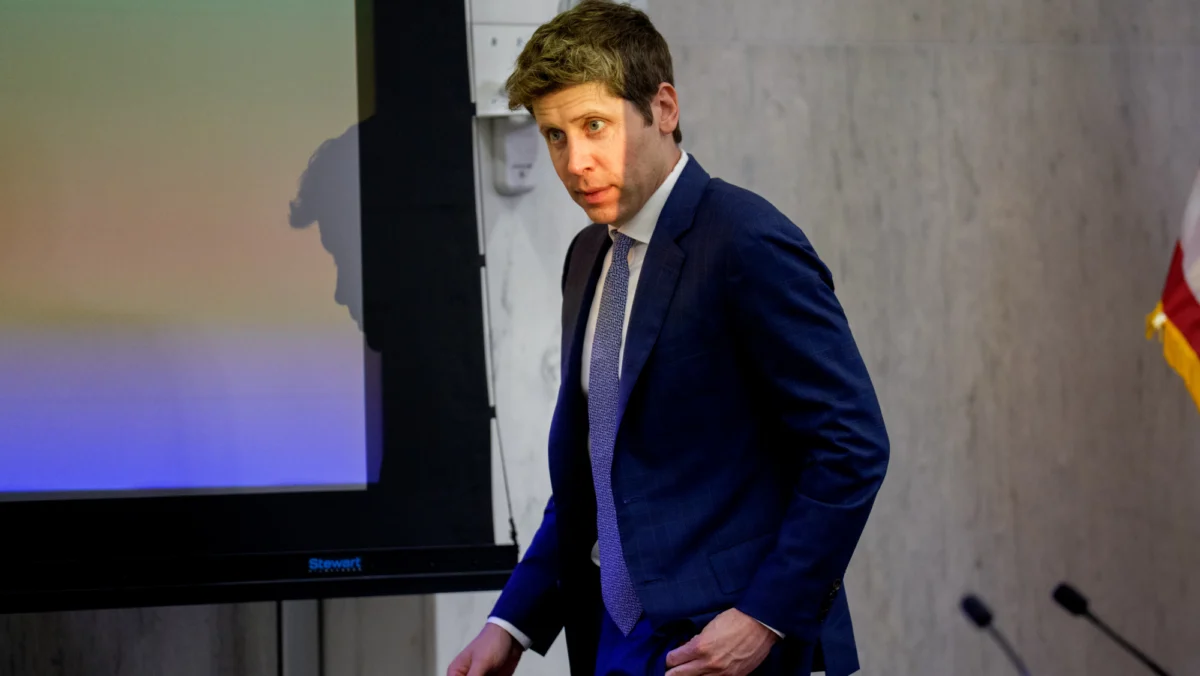
Under the leadership of CEO Sam Altman, OpenAI appears to be consolidating its offerings. The move to retire the Sora app does not signify an exit from the AI video field entirely, but rather a transition to an "API-first" or "platform-integrated" model. By folding video capabilities into the ChatGPT app, OpenAI can leverage its existing user base of over 100 million weekly active users without the overhead of maintaining a separate brand and infrastructure.
This strategy mirrors the evolution of other tech giants. For example, Google has focused on integrating its "Veo" and "Lumiere" video models directly into YouTube and Google Photos, rather than launching them as independent products. This approach allows for better data collection, more controlled environments for IP protection, and a more seamless user experience.
Broader Impact on Hollywood and the AI Landscape
The closure of Sora and the exit of Disney leave a void in the market that other players are eager to fill. Currently, Google stands as a dominant force in the AI video space due to its massive internal compute resources and its ownership of YouTube, the world’s largest video repository. However, Google remains cautious, having not yet signed major IP-sharing deals with Hollywood studios, and it continues to face its own set of legal challenges regarding the use of user-generated content for model training.
For Hollywood, the Sora experiment serves as a cautionary tale. The initial fear that AI would immediately replace traditional production has been tempered by the reality of the technical and legal hurdles involved. The dissolution of the Disney deal suggests that the "Great AI Integration" of the film industry will be a much slower, more litigious, and more expensive process than many predicted last fall.
Labor unions, including SAG-AFTRA and the WGA, which recently concluded strikes that established new protections against AI, are likely to view the shutdown of Sora as a temporary reprieve. However, the underlying technology continues to advance, and the focus will now shift to how these tools are deployed behind closed doors within major studios’ internal pipelines, rather than through public-facing applications.
Analysis of Future Implications
The end of Sora as a standalone entity marks the conclusion of the "experimental" phase of generative video and the beginning of a more mature, corporate-driven era. The primary implications for the industry include:
- Consolidation of Power: Small and mid-sized AI video startups may find it harder to compete as the "big tech" players (Google, Meta, and now a consolidated OpenAI) move toward integrated ecosystems.
- IP as the New Currency: The failure of the Disney-OpenAI deal highlights that high-quality, legally cleared training data is the most valuable asset in the AI age. Future deals will likely require even more stringent safeguards for creators.
- Refinement of Use Cases: AI video is moving away from "prompt-to-video" novelties and toward specialized applications like automated rotoscoping, color grading, and visual effects (VFX) assistance, which offer more immediate value to professional productions.
While Sora may ultimately be remembered as a "footnote" in the history of software, its brief existence forced a global conversation on the ethics of creativity and the value of human-led storytelling. As OpenAI moves forward with its evolving ambitions, the industry remains watchful for the next iteration of video technology—one that will likely arrive not as a standalone app, but as a silent engine powering the digital experiences of the future. OpenAI has promised further details regarding the preservation of user work and a specific timeline for the decommissioning of the API, leaving the creative community to wait for the next chapter in the rapidly shifting AI narrative.