The genesis of this exploration into Alex Garland’s 2024 film, Civil War, stems from an unexpected confluence of personal reflection and the chillingly prescient narrative presented on screen. While the overarching theme of "The SF Path to Higher Consciousness" typically delves into how speculative fiction fosters introspection and understanding of our place in the universe, Civil War initially seemed to deviate from this path. Its raw depiction of societal collapse and the moral quandaries faced by its characters, however, ultimately provided a powerful, albeit indirect, lens through which to examine the author’s own journey into journalism and the enduring passion that has fueled it since childhood. In a time marked by heightened societal polarization and the erosion of trust in information, the insights gleaned from this cinematic examination might resonate with a broader audience, prompting a deeper consideration of the media’s role and the individuals who dedicate themselves to reporting the truth.
The author’s immersion in the world of genre film criticism began in the late 1980s with Cinefantastique (CFQ). During that era, CFQ stood as a beacon of in-depth analysis, earning recognition not only from dedicated fans but also from industry professionals. Its comprehensive coverage, exemplified by an issue on Forbidden Planet that included details on the film’s rough cut, cemented its reputation as a definitive resource for science fiction cinema history. This commitment to thoroughness was a direct result of the vision of its long-time publisher and editor, Fred Clarke. Clarke sought to transcend the superficial enthusiasm often found in fan magazines, aiming instead to provide a more serious and insightful engagement with genre films.
Established in the post-Watergate era, Cinefantastique drew inspiration from both the esteemed French film journal Cahiers du Cinéma and the rigorous journalistic standards set by Woodward and Bernstein. While the author joined CFQ later in its history, inheriting a legacy that included controversial pieces such as the one featuring images from the Twilight Zone helicopter disaster – a decision Fred Clarke later regretted – the core philosophy remained intact. The magazine, despite its fan-oriented nature, was committed to treating its subject matter with the gravity and candor befitting any journalistic endeavor.
However, the pursuit of truth within the realm of fan journalism was not without its constraints. While CFQ cultivated an outsider notoriety, even embracing a reputation for taking itself seriously – a trait once remarked upon by a competitor – there were practical limitations. The concept of "access journalism," where a degree of mutual accommodation between reporter and subject is necessary for a story, inevitably shaped the boundaries of their work. Fred Clarke learned this lesson acutely when the magazine faced repercussions from Steven Spielberg and George Lucas following controversial reporting, illustrating the delicate balance between journalistic integrity and maintaining access to key figures and information. Despite efforts to report honestly, the author recognized the inherent limitations of being a writer for a fan magazine, a position that, in terms of industry prestige, was often equated with minimal influence.
The profound impact of Civil War on the author can be attributed to this nuanced understanding of journalistic challenges. In contemporary society, journalists often face public scrutiny and criticism. While some criticism is deserved, directed at outlets that prioritize bias over facts or repackage propaganda as news, much of it stems from the courage of journalists to report events truthfully, even when those truths challenge established narratives or powerful interests. Journalists, being human, are susceptible to biases and mistakes, and their pursuit of a story can sometimes lead them into ethically complex situations. Yet, the best among them are driven by a higher purpose: to deliver crucial information to those who need it.
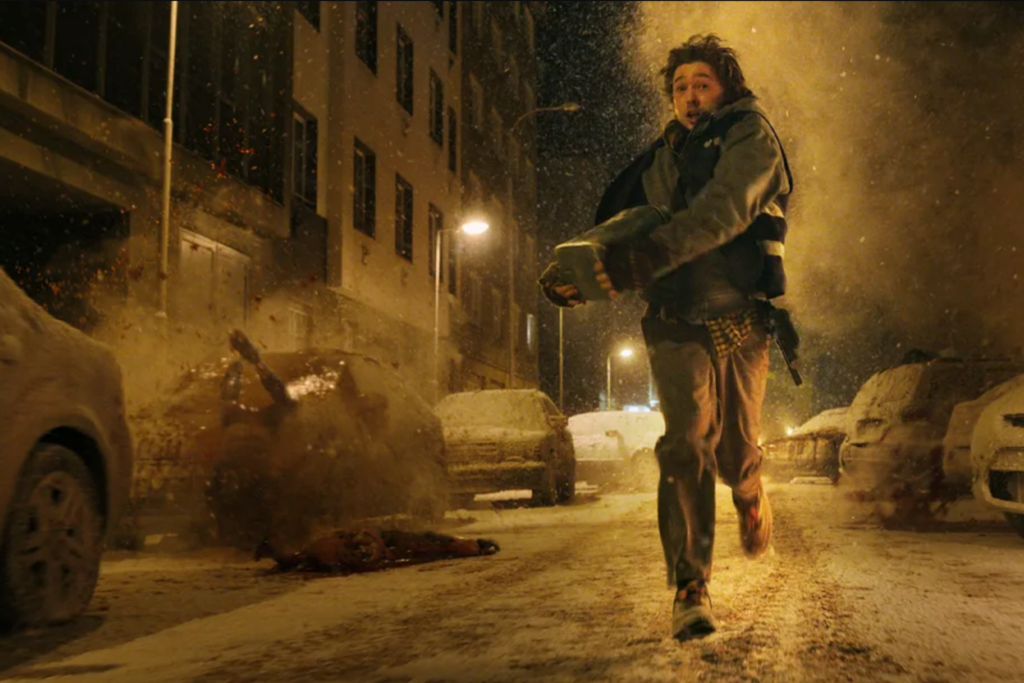
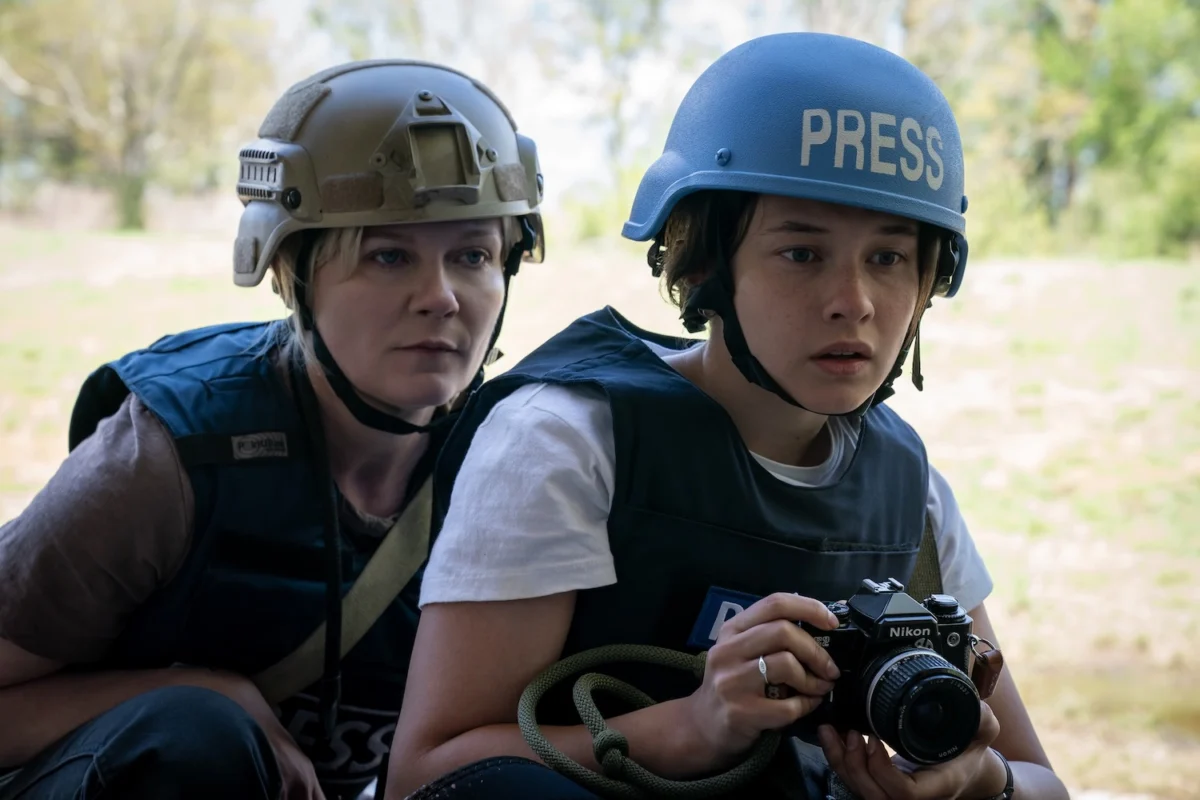
Alex Garland’s Civil War is a film that has generated considerable discussion and controversy. Set in a near-future America fractured by secession, it depicts a brutal conflict between the United States government and a secessionist coalition known as the Western Forces, comprising Texas and California. The narrative follows photojournalist Lee (Kirsten Dunst) and reporter Joel (Wagner Moura) as they navigate the perilous landscape, aiming to reach Washington D.C. before its fall to secure an exclusive interview with the besieged President (Nick Offerman). Their journey, fraught with danger, takes them from New York through Western Pennsylvania and into the Virginias, accompanied by veteran journalist Sammy (Stephen McKinley Henderson) and Jessie (Cailee Spaeny), a novice photographer whom Lee reluctantly mentors.
The film’s visual and thematic resonance suggests Garland’s deep familiarity with the newsroom culture, perhaps inherited from his father, a newspaper cartoonist. The mise-en-scène, while distinctly American – featuring surreal roadside attractions and the grim reality of heavily armed gas station attendants enacting brutal justice on looters – echoes civil conflicts witnessed globally. Lee, Joel, and Sammy’s shared experiences covering overseas conflicts, hinted at in their weary, alcohol-fueled conversations in a New York hotel, underscore the universal nature of war’s brutality. The film powerfully conveys that while the context may shift, the terror and savagery remain constant when war arrives on home soil.
Navigating the Nuances of a Fictional Conflict
Civil War has drawn criticism for its portrayal of journalists embedding with secessionist forces and for depicting the rebels as militarily successful against the U.S. Army, leading some to interpret it as an alternate history revision of the American Civil War. However, Garland, a British filmmaker with no apparent inclination towards secessionist ideologies, actively works to distinguish the film’s politics from contemporary American realities. The unlikely alliance of Texas and California, for instance, is presented as a deliberately improbable scenario, underscoring the fictional nature of the conflict. Furthermore, the film notes that other Southern states have not joined the secessionist coalition.
What some have misconstrued as protagonist sympathy for the rebel forces is more accurately interpreted as a journalistic imperative: going where the story is. The film portrays U.S. forces as more hostile to the press than the secessionists. Reporters are repeatedly warned that attempting to secure a one-on-one with the President is akin to a death sentence. While the Western Forces are more accommodating to the press, their atrocities, including the summary execution of prisoners of war, are depicted as only slightly less horrific than those committed by U.S. forces when unleashed. Garland, therefore, appears to be exploring the complex dynamics of conflict reporting rather than advocating for any particular side or reinterpreting historical events.
Crucially, Civil War does not ennoble its journalistic protagonists. The film unflinchingly depicts the profound cost journalists pay to serve as witnesses to history. In a pivotal moment, Lee sacrifices her life to save Jessie, and in a stark, poignant image, Jessie’s immediate reaction is to capture Lee’s final moments on camera. Joel achieves his goal of interviewing the President, only to hear a desperate plea – "Don’t let them kill me" – just before the leader is executed. The film concludes with a chilling photograph of secessionist soldiers posing over the slain president, their faces devoid of triumph, suggesting that the "victory" of bearing witness to such events is inherently bitter, even if it garners professional recognition.
The Journalist’s Enduring Role in a Polarized World
Journalists are not infallible figures; they are human beings. However, they are largely neither enemies of the people for asking difficult questions nor targets for prosecution simply for bearing witness. Alex Garland’s film serves as a significant contribution to the discourse surrounding journalism by portraying its practitioners with a comprehensive understanding of their motivations and the sacrifices they make. Civil War thrusts viewers uncomfortably close to a future that increasingly mirrors present-day societal trends, amplifying the value of those who illuminate danger so that it might be averted.
It is crucial to acknowledge that war, in any context, is never "woke" or "politically correct." Any characterization that suggests otherwise, and implies an abandonment of ethical boundaries, should be met with profound skepticism, as it may herald the onset of unimaginable atrocities. Civil War functions as both a meditation and a stark warning about the true nature of conflict, presented with the unvarnished clarity characteristic of true journalistic observation. If, as Garland has indicated, he intends to step back from directing, though continuing to write, it would represent a significant loss to the cinematic landscape. His reputation as one of film’s most incisive and challenging auteurs is further solidified by this unflinching examination of a fractured society and the individuals who strive to report its grim realities.
The film compels audiences to consider: Is Civil War a prophecy or a fantasy? Does it engage fairly with its fictional journalists and combatants? As discussions around this powerful film continue, fostering a climate of respectful dialogue is paramount. In an era already fraught with tension, cordial engagement in the comments section below is encouraged.