Hollywood, CA – The landscape of the horror genre is poised for a significant jolt with the upcoming release of Teenage Sex and Death at Camp Miasma, a film helmed by the visionary director Jane Schoenbrun. Following their critically acclaimed debut, We’re All Going to the World’s Fair, and the highly lauded I Saw the TV Glow, Schoenbrun is set to deliver what promises to be a groundbreaking and multifaceted take on the slasher subgenre. Leading the charge in expressing palpable anticipation for the project is veteran actress Gillian Anderson, whose involvement is generating considerable buzz within the film community.
Anderson, known for her iconic role in The X-Files and a string of compelling performances across film and television, recently shared her excitement for Teenage Sex and Death at Camp Miasma in an interview with Collider. She described the film as an experience that audiences are not prepared for, stating, "There’s this film that I just did that I can’t wait for people to see. Jane Schoenbrun directed a film called I Saw the TV Glow, and their latest is [ Teenage Sex and Death at Camp Miasma] with Hannah Einbinder. And that’s coming out in August." This early endorsement from a respected figure like Anderson immediately elevates the project’s profile, signaling a significant artistic endeavor rather than a conventional genre offering.
A Deep Dive into Schoenbrun’s Unique Vision
Jane Schoenbrun has consistently demonstrated a talent for crafting narratives that delve into complex themes of identity, media consumption, and the liminal spaces of human experience. We’re All Going to the World’s Fair (2021) explored the unsettling allure of online dares and the blurred lines between reality and digital personas. More recently, I Saw the TV Glow (2024) resonated deeply with audiences and critics alike for its poignant exploration of nostalgia, trauma, and the shared obsession with a fictional television show. These earlier works establish a pattern of Schoenbrun’s interest in meta-narratives and the psychological impact of fictional worlds on their audiences. Teenage Sex and Death at Camp Miasma appears to be a natural, albeit more genre-focused, extension of this artistic trajectory.
Anderson’s description of the film as "nuts" and "so much fun" suggests a departure from the more somber tones of Schoenbrun’s previous films, while retaining their characteristic inventiveness. "I really enjoyed the character that I played," Anderson added, hinting at a performance that might be as unconventional as the film itself.
Deconstructing the "Uber Meta Slasher"
The most intriguing aspect of Anderson’s commentary is her characterization of Teenage Sex and Death at Camp Miasma as an "uber meta slasher." She elaborated, "This is so much more than a slasher. This is like a slasher within a slasher within a slasher." This layered description immediately sparks curiosity about the film’s narrative structure and thematic concerns.
In the realm of horror, "meta" often refers to self-awareness within the text, where the film acknowledges its own status as a movie, or comments on the tropes and conventions of the genre. Films like Wes Craven’s Scream franchise, for example, famously deconstructed slasher conventions through its characters’ knowledge of horror movie rules. Schoenbrun’s approach, however, appears to push this concept to an unprecedented level.
The phrase "slasher within a slasher within a slasher" suggests a recursive narrative that may explore the creation, consumption, and reinterpretation of horror itself. This could manifest in several ways:

- Franchise Parody and Deconstruction: The film’s synopsis mentions the "Camp Miasma slasher franchise" and its "slapdash sequels." This indicates a potential focus on the lifecycle of a horror franchise, examining how stories evolve (or devolve) over time and how audiences engage with them.
- Layers of Reality and Fiction: Schoenbrun might be using the slasher framework to explore the porous boundaries between the fictional world of a movie and the reality of its creators and audience. The "slasher within a slasher" could refer to characters within a film who are aware they are in a slasher film, or even layers of filmmaking where the act of making a slasher film becomes part of the horror itself.
- The Impact of Horror Consumption: Given Schoenbrun’s previous work, it’s plausible that Teenage Sex and Death at Camp Miasma will examine how consuming horror media, particularly violent slasher films, affects individuals and society. The "uber meta" aspect could be a commentary on our insatiable appetite for such content and its cyclical nature.
A Glimpse into the Narrative and Ensemble Cast
The official synopsis provides a more concrete, yet still tantalizing, outline of the film’s plot: "After years of slapdash sequels and waning fandom, the Camp Miasma slasher franchise is handed over to an enthusiastic young director for resurrection. But when she visits the original movie’s star, a now-reclusive actress shrouded in mystery, the two women fall into a blood-soaked world of desire, fear, and delirium."
This synopsis confirms the meta-textual elements: a new director reviving an old slasher franchise, and a confrontation between the new creative force and a legendary, possibly haunted, star of the original. This setup allows for a rich exploration of legacy, artistic intent, and the psychological toll of fame and the horror industry. The mention of "desire, fear, and delirium" suggests that the film will delve into the psychological and emotional depths of its characters, moving beyond simple jump scares.
The ensemble cast further bolsters the film’s artistic credibility and potential for broad appeal. Joining Gillian Anderson and Hannah Einbinder are notable actors such as Jack Haven and Amanda Fix, both of whom have collaborated with Schoenbrun previously on I Saw the TV Glow, indicating a continued creative partnership. The supporting cast includes Arthur Conti, Eva Victor, Zach Cherry (known for his work in "Severance"), Sarah Sherman ("Saturday Night Live"), Patrick Fischler ("Twin Peaks"), Dylan Baker ("Trick ‘r Treat"), Jasmin Savoy Brown ("Scream"), Kevin McDonald ("The Kids in the Hall"), and Quintessa Swindell ("Black Adam"). This eclectic mix of talent from various corners of the entertainment industry suggests a film that aims to be both artistically adventurous and broadly engaging.
Release and Anticipation
Teenage Sex and Death at Camp Miasma is slated for release in theaters on August 7th, distributed by Mubi, a platform known for its curated selection of arthouse and independent cinema. This distribution choice further underscores the film’s likely positioning as a thought-provoking and artistically driven horror experience. The release date places it in direct competition with other summer blockbusters, but its unique premise and directorial pedigree may carve out a significant niche for itself.
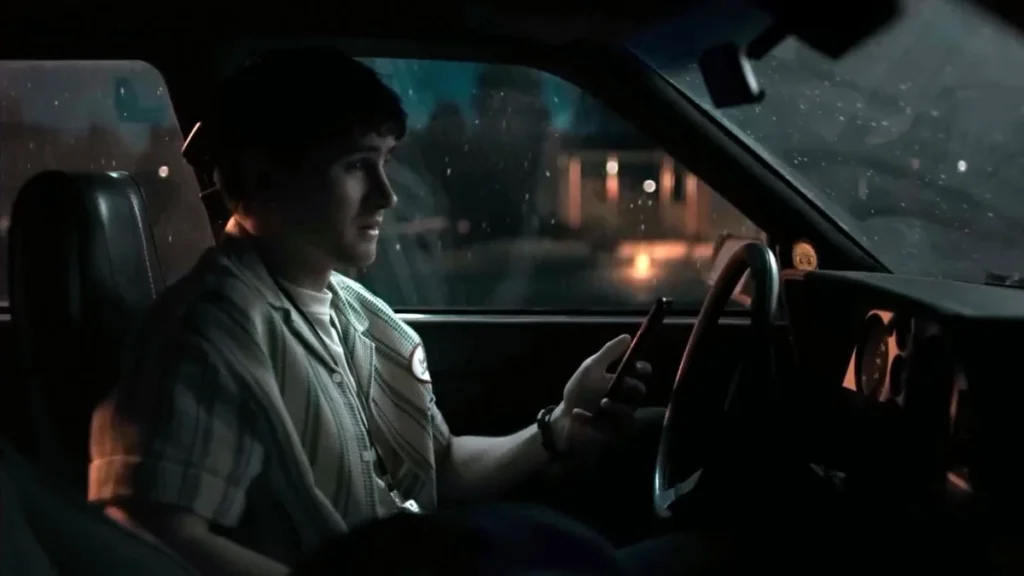
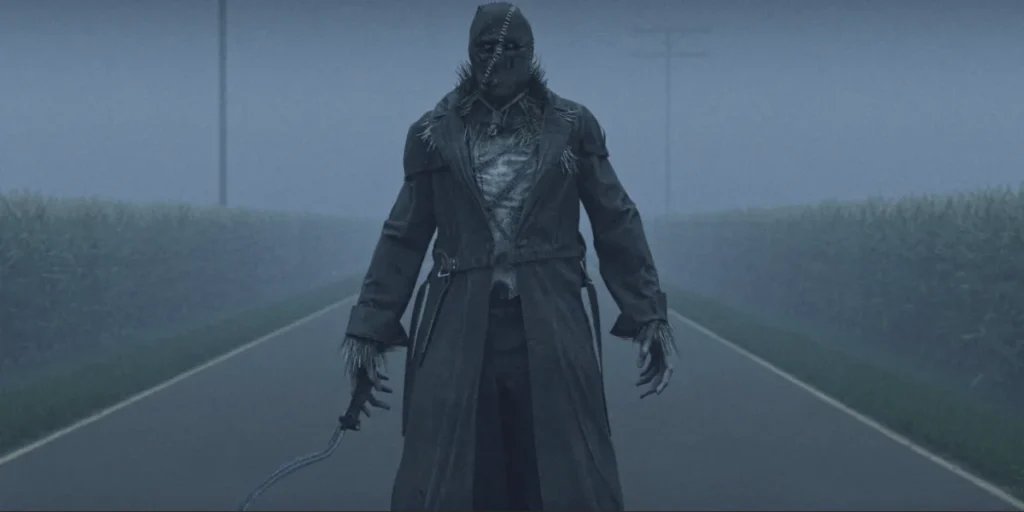
The inclusion of a teaser trailer further fuels anticipation. The trailer, though brief, hints at the film’s visual style and thematic complexity, showcasing a blend of retro aesthetics and modern horror sensibilities. The visual cues, coupled with Anderson’s enthusiastic pronouncements, suggest a film that is not afraid to be bold, experimental, and deeply self-aware.
Broader Implications for the Slasher Genre
The slasher genre, while a perennial favorite in horror, has often been criticized for its formulaic nature and reliance on predictable tropes. However, recent years have seen a resurgence of innovative takes on the subgenre, with films like X (2022) and Bodies Bodies Bodies (2022) injecting fresh perspectives and meta-commentary. Schoenbrun’s Teenage Sex and Death at Camp Miasma appears poised to join this wave of revitalized slasher cinema, offering a narrative that is not just about masked killers and bloody mayhem, but also about the very nature of horror, storytelling, and our relationship with it.
The success of films like I Saw the TV Glow has already established Schoenbrun as a filmmaker capable of capturing the zeitgeist and exploring complex emotional landscapes with a unique visual language. Their foray into the slasher genre, with the promise of an "uber meta" approach and a star-studded cast, suggests that Teenage Sex and Death at Camp Miasma could redefine what audiences expect from a slasher film, pushing boundaries and sparking dialogue about the genre’s enduring appeal and its potential for reinvention. The film’s release is keenly awaited by fans of Schoenbrun’s previous work and by those eager to see the slasher subgenre explored through a fresh, self-aware, and undeniably ambitious lens.