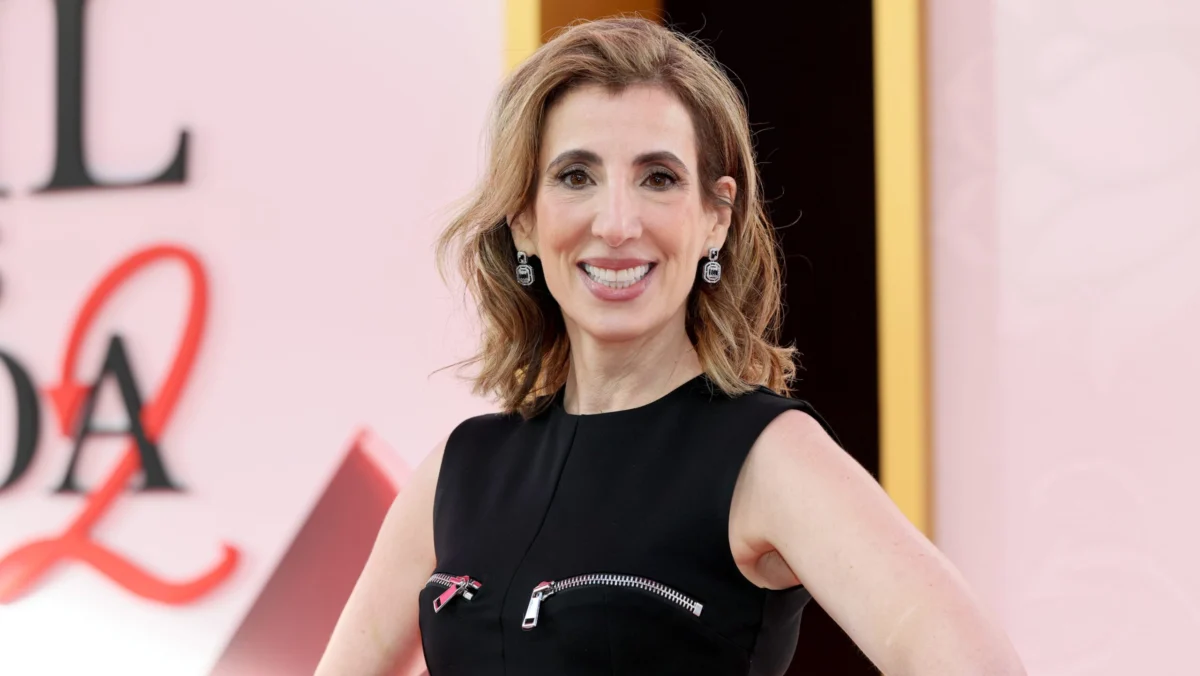
The prospect of crafting a sequel to The Devil Wears Prada, a film that indelibly shaped 21st-century popular culture and redefined the workplace comedy, was, for screenwriter Aline Brosh McKenna, akin to navigating an exceedingly narrow runway. Her initial reluctance, expressed as recently as three years ago, underscored the immense pressure associated with revisiting such a beloved and impactful narrative. However, the landscape shifted dramatically when the iconic Meryl Streep, whose portrayal of the formidable Miranda Priestly cemented the character’s legendary status, signaled an openness to re-exploring one of her most famous roles. This pivotal development acted as the decisive catalyst, setting in motion a sequel that many fans had yearned for but few genuinely expected.
The Unlikely Resurrection of a Cultural Phenomenon
The Devil Wears Prada, released in 2006, swiftly transcended its initial categorization as a mere fashion film or romantic comedy. Based on Lauren Weisberger’s 2003 novel, which was itself inspired by the author’s stint as an assistant to Vogue editor-in-chief Anna Wintour, the film resonated deeply with audiences worldwide. It garnered an impressive $326.7 million at the global box office against a budget of approximately $41 million, establishing itself as a commercial and critical success. Its enduring appeal lies in its sharp wit, memorable performances by Streep, Anne Hathaway, Emily Blunt, and Stanley Tucci, and its exploration of ambition, sacrifice, and the cutthroat world of high fashion journalism. The film’s quotable lines ("Florals? For spring? Groundbreaking."), iconic fashion montages, and the complex, often intimidating, character of Miranda Priestly have ensured its place as a cultural touchstone, continually referenced in discussions about workplace dynamics, female mentorship, and the price of professional success.
For two decades, the idea of a sequel remained a persistent whisper among fans and cast members alike. Emily Blunt and Anne Hathaway, who played Emily Charlton and Andrea Sachs respectively, were notably vocal in their enthusiasm for a potential follow-up, frequently expressing their interest in public interviews as recently as early 2023. Despite this public clamor, McKenna, the architect of the original film’s screenplay, maintained a cautious stance, acknowledging the inherent risks of extending a story that many felt had reached a satisfying conclusion. "Not really," was her candid response when asked about her interest in a sequel in early 2023, reflecting a deep respect for the original’s integrity and a keen awareness of the pitfalls of unwarranted continuations.
Two Decades in the Making: The Path to The Devil Wears Prada 2
The journey from a beloved standalone film to an actively developing sequel is a testament to the confluence of factors, most notably the direct involvement of its biggest star. McKenna recounted that the shift in her perspective began around the time of her initial "not really" comment. Her ongoing fascination with the evolving landscapes of journalism, fashion, and publishing – industries she deeply admires and might have pursued in another life – kept the characters of The Devil Wears Prada alive in her thoughts. She pondered, "What are these four characters doing in a world where how we make money is different? The social values of workplaces have changed. The world has just changed so much in 20 years." This internal contemplation laid the groundwork for new narrative possibilities.
The true turning point, however, arrived when Wendy Finerman, who produced the original film, brought to the creative team’s attention that Meryl Streep was open to discussing a sequel. "Meryl’s opinion is enormously important," McKenna affirmed, highlighting Streep’s unparalleled influence in the project’s revival. Once Streep expressed a willingness to hear ideas, the development process accelerated with remarkable speed. McKenna quickly engaged director David Frankel, sharing her burgeoning thoughts on how to update the story for a contemporary audience. The synchronicity of events, including a serendipitous meeting with Streep on a night when Lin-Manuel Miranda was hosting a screening of the original film in Washington Heights, further solidified the feeling of "kismet" surrounding the project. This organic, story-driven impetus, rather than a studio mandate, distinguished the sequel’s genesis from many contemporary reboots, as McKenna stressed, "There was nothing cynical or calculated going into it, except my own desire as a fan just to go and revisit this."
Meryl Streep’s Pivotal Role and Creative Momentum
Meryl Streep’s endorsement carries immense weight in Hollywood. A three-time Academy Award winner and widely regarded as one of the greatest actors of all time, her involvement in any project immediately elevates its profile and lends it a credibility that few others can command. For a sequel to a film where her character, Miranda Priestly, is the undeniable gravitational center, Streep’s enthusiasm was not just a bonus but a fundamental requirement. Her decision to revisit Miranda after two decades signals not only her belief in the project’s potential but also a recognition of the character’s enduring cultural significance.
McKenna’s strategy to engage Streep early in the creative process underscores the collaborative and respectful approach taken. By seeking Streep’s thoughts and input on where Miranda and the other characters might be, the creative team ensured that the sequel would honor the original while also charting a compelling new course. This direct engagement with the lead actress, rather than presenting a fully formed script, allowed for an iterative process that likely contributed to Streep’s eventual excitement. The rapid progress following her interest demonstrates the profound impact her approval had on rallying the creative forces behind the film.

Navigating a Transformed World: Modernizing Miranda’s Empire
The 20 years separating The Devil Wears Prada and its sequel have witnessed seismic shifts across the very industries the film depicts. The fashion landscape has moved from a more centralized, print-magazine-dominated authority to a decentralized, digitally-driven ecosystem teeming with influencers, fast fashion, and a heightened emphasis on sustainability and inclusivity. Journalism and publishing have likewise undergone radical transformations, grappling with the rise of digital media, declining print revenues, and the constant pressure for immediate, viral content.
These changes present both challenges and opportunities for the sequel. McKenna articulated her keen interest in exploring how Miranda Priestly, a character who embodied the apex of traditional media power, would navigate this new world. How would Runway magazine, under her formidable leadership, adapt to an era where TikTok trends can dictate style faster than any glossy editorial? How would the economics of luxury fashion and media operate when advertising models have been upended and brand consciousness is often mediated through social media algorithms rather than exclusive print features?
Moreover, workplace dynamics have evolved considerably since 2006. The original film, while celebrated, has faced retrospective critiques regarding its depiction of toxic workplace culture, particularly in the wake of movements like #MeToo. The sequel must thoughtfully address these shifts in societal values concerning power, mentorship, and employee well-being. McKenna’s mention of changed "social values of workplaces" indicates a conscious effort to reflect these contemporary sensitivities, perhaps exploring how Miranda’s management style might have adapted, or how a new generation of assistants might challenge the established order.
The Evolution of Character and Cultural Values: Revisiting Andy and Nate
Central to the sequel’s appeal is the opportunity to revisit beloved characters and witness their evolution. Andy Sachs, who famously abandoned her prestigious but soul-crushing role at Runway, would now be navigating her own career trajectory, presumably outside the immediate orbit of Miranda. How has her journalistic career progressed? Has she found her ethical compass in a world that increasingly blurs lines between integrity and commercial success? And what of Emily Charlton, Andy’s initially frosty colleague, whose ambition was palpable? Her journey within or outside the fashion industry could offer a compelling parallel narrative.
Perhaps one of the most significant cultural re-evaluations since the original film’s release has centered on Adrian Grenier’s character, Nate, Andy’s boyfriend. In contemporary discourse, Nate is frequently reframed as a "villain" for his perceived lack of support for Andy’s career aspirations and his criticisms of her changing values. McKenna addressed this reframing, explaining Nate’s original narrative function: "He’s there to remind her that it’s a Faust story and that she’s slipping down the drain. That’s what he’s there to do." She contextualized his character within a specific cultural moment, "My experience of coming to New York was that there was a lot of sensitivity about selling out if you were in a creative community." This sentiment, prevalent among Gen X, has largely given way to a more pragmatic, millennial and Gen Z ethos of "Get your bag, girl," reflecting a vastly different economic climate where career survival often necessitates adaptability. The sequel, therefore, has the unique opportunity to explore this generational divide and re-examine Nate’s role through a modern lens, perhaps offering a more nuanced portrayal or acknowledging the shift in audience interpretation.
Beyond Fan Service: Crafting a Relevant Narrative
The challenge for any sequel, particularly one arriving two decades later, is to strike a delicate balance between honoring the original’s legacy and forging a fresh, relevant narrative. McKenna articulated her approach to "fan service," aiming for elements that enhance the experience for returning viewers without alienating newcomers. "I like it when something plays as fan service, but you don’t need to know [that’s what it is]. You don’t have to have seen the first movie to enjoy this movie." This philosophy ensures that callbacks, like the iconic "That’s all" line, function as subtle "Easter eggs" for loyal fans while remaining intelligible within the new story. The strategic placement of this single "That’s all" in the sequel exemplifies the thoughtful consideration given to such nostalgic elements, ensuring they serve the narrative rather than simply existing for their own sake.
This approach aligns with a broader industry trend of creating "legacy sequels" that aim to appeal to both existing fanbases and new generations of viewers. The success of such projects often hinges on their ability to evolve with the times, offering new perspectives on familiar characters and themes while retaining the core essence that made the original beloved.
The Enduring Allure of Workplace Dramas and Authentic Fashion

McKenna’s career, spanning films like 27 Dresses and Morning Glory to the critically acclaimed television series Crazy Ex-Girlfriend, reveals a consistent fascination with women in the workplace. She cites influences from classic films like Working Girl, Broadcast News, and even Tootsie, emphasizing the workplace as a "theater for emotion and morality." This deep-seated interest provides a strong thematic foundation for the Prada sequel, ensuring that beyond the glamour, the film will continue to explore the complexities of professional ambition, ethical dilemmas, and personal growth within a demanding environment.
Regarding the fashion aspect, McKenna stressed the importance of authenticity without succumbing to overt commercialism. While the original film had to invent a fictional designer, the sequel will leverage more real-world brands, reflecting the current state of the industry. However, the film’s purpose is not to act as a "click-and-shop movie" or endorse specific designers, but rather to observe the fashion world from an "outsider’s perspective." This approach, rooted in McKenna’s own experience as "a girl from New Jersey" navigating the sartorial landscape, ensures that the fashion remains a vibrant backdrop and a narrative tool, rather than merely product placement. She also mused on the ephemeral nature of fashion trends—from thick eyebrows to thin, billowy pants to slimming silhouettes—highlighting its cyclical, often humorous, evolution and its symbolic meanings beyond mere sex appeal.
Unprecedented Anticipation: Production Under the Public Gaze
The production of The Devil Wears Prada 2 last summer unfolded under an intense public gaze, a stark contrast to McKenna’s previous projects. The paparazzi photos from the set, particularly those capturing the main cast, became viral events, fueling widespread speculation and excitement. "I didn’t anticipate that," McKenna admitted, noting the difference from films like 27 Dresses, which did not generate similar pre-release buzz. The crowds that gathered during filming across New York City underscored the film’s unique status as a shared cultural memory.
This unprecedented anticipation reflects a broader societal yearning for communal experiences in an increasingly fragmented media landscape. In an era where "monoculture" is rare, The Devil Wears Prada remains one of those few universally recognized and cherished properties. The sequel taps into a collective nostalgia and a desire for shared conversations around a single cultural event, echoing the way blockbuster films or major television series once dominated public discourse. This heightened scrutiny during production inevitably adds pressure on the creative team to deliver a film that lives up to its formidable legacy while also offering something new and relevant.
Implications for Hollywood’s Sequel Strategy
The greenlighting of The Devil Wears Prada 2, driven by creative enthusiasm rather than a studio mandate, offers an interesting case study for Hollywood’s ongoing sequel and reboot strategy. In an industry often criticized for relying heavily on existing intellectual property (IP) and perceived "entitlement" from audiences for more content, this project’s origin story emphasizes organic development. While many sequels are seen as cynical cash-grabs, McKenna’s account suggests a genuine creative impulse, spearheaded by the very artists who brought the original to life.
This approach could potentially influence future decisions regarding legacy sequels, encouraging studios to prioritize projects with strong creative backing and genuine artistic intent, rather than solely banking on brand recognition. The success of The Devil Wears Prada 2 will undoubtedly be closely watched, as it could validate the strategy of patiently waiting for the right creative alignment—including the crucial participation of key original cast members—before embarking on a continuation of a beloved story.
A New Chapter for a Beloved Saga
As The Devil Wears Prada 2 prepares for its anticipated release, slated for May 1st, it stands as a testament to the enduring power of its characters and themes. From Miranda Priestly’s timeless command to Andy Sachs’s relatable journey of self-discovery, the film captivated a generation. Now, with Aline Brosh McKenna at the helm, guided by the decisive input of Meryl Streep and a keen awareness of how the world has changed, the sequel promises to not only revisit a cherished narrative but also to update it for a new era. It aims to explore the evolution of ambition, the shifting sands of media and fashion, and the timeless struggle between personal values and professional demands, all while navigating the immense expectations of a global fanbase eager for another glimpse into the glossy, cutthroat world of Runway. While an invitation to the Met Gala might remain a distant dream for the screenwriter, the sequel itself is poised to be a major cultural event, offering a communal experience that many audiences are craving.