Las Vegas, NV – In a year marked by intense speculation over Hollywood’s rapidly consolidating landscape, Amazon MGM Studios unexpectedly seized the spotlight at CinemaCon 2026, transforming pre-event chatter about colossal studio mergers into a celebration of theatrical commitment. At the heart of this triumph was Project Hail Mary, the sci-fi epic starring Ryan Gosling, which defied expectations to become a bona fide sleeper hit, and Gosling himself, whose passionate advocacy for the cinematic experience resonated deeply with theater owners.
CinemaCon 2026: A Shifting Landscape and an Unforeseen Victor
Each year, CinemaCon, the official convention of the National Association of Theatre Owners (NATO), serves as Hollywood’s premier platform for studios to unveil their upcoming slates, gauge exhibitor sentiment, and reaffirm their dedication to the big screen. The 2026 edition arrived against a backdrop of unprecedented industry flux, with the dominant narrative revolving around billionaire David Ellison’s audacious maneuvers to reshape the studio system. Just months prior, Ellison had reportedly secured ownership of Paramount, a storied studio grappling with years of financial neglect and a diminished slate. His subsequent, even more ambitious, bid for Warner Bros. Discovery—a titan whose film and television pipeline dwarfed Paramount’s—dominated industry conversations leading into the convention. Analysts and executives braced for discussions on the seismic implications of such a consolidation, pondering its potential to redraw the competitive map of Hollywood.
Yet, amidst this high-stakes corporate drama, Amazon MGM Studios emerged as the convention’s surprise star. While traditional powerhouses like Disney, Universal, and Warner Bros. delivered commendable presentations, it was the relatively nascent Amazon MGM, celebrating its second official CinemaCon appearance, that captured the industry’s imagination. One veteran studio chief lauded their consistent presence, stating, "The fact that Amazon MGM showed up for the second year in a row is great news for the industry," underscoring the significance of a streaming giant unequivocally embracing theatrical distribution. This shift from a digital-first perception to a "full-fledged major studio" was not merely symbolic; it was underscored by tangible box office success and a clear strategic vision.
The Genesis of a Blockbuster: ‘Project Hail Mary’ Takes Flight
The foundation of Amazon MGM’s CinemaCon success was undoubtedly Project Hail Mary, a film adaptation of Andy Weir’s critically acclaimed novel. Weir, already celebrated for his captivating blend of hard science and human ingenuity in The Martian—itself a highly successful film adapted by Drew Goddard—delivered another compelling narrative. Project Hail Mary centers on a geeky yet quick-witted high-school teacher, Ryland Grace, who awakens in the depths of space with amnesia, tasked with a desperate mission to prevent the sun from dimming and extinguishing all life. His journey is marked by an unlikely alliance with an alien he affectionately names “Rocky,” a testament to the novel’s unique charm and emotional depth.
The film’s journey to the screen began a year prior, at Amazon MGM Studios’ inaugural CinemaCon presentation. There, a freshly "Ken-ified" Ryan Gosling, hot off his scene-stealing role in 2023’s Barbie, introduced early footage of Project Hail Mary. Even then, the combination of Gosling’s star power and Weir’s proven storytelling hinted at potential, but few could have predicted the eventual scale of its success.
The "dream team" assembled for Project Hail Mary was a strategic powerhouse. Directors Phil Lord and Christopher Miller, renowned for their innovative and critically lauded work on films like Spider-Man: Into the Spider-Verse and The Lego Movie, brought their distinctive blend of humor, heart, and visual flair. Drew Goddard, whose successful adaptation of The Martian for Fox had already demonstrated his prowess in translating Weir’s complex narratives to the screen, returned as screenwriter, ensuring fidelity to the source material while crafting a compelling cinematic experience. Crucially, the studio’s leadership reflected a deliberate infusion of traditional Hollywood expertise. Courtenay Valenti, newly installed as film head after years at Warner Bros., and Amazon Studios’ head of global marketing Sue Kroll, also a Warner Bros. alum, brought decades of experience in theatrical distribution and marketing at the highest level. This blend of creative vision and seasoned studio leadership proved to be a potent combination, demonstrating Amazon’s commitment to building a formidable theatrical presence rooted in proven industry talent.
A Box Office Triumph Against the Odds
Project Hail Mary defied conventional wisdom, blossoming into a certified sleeper hit that dramatically reshaped expectations for Amazon MGM. As of April 19, the film had already eclipsed the entire domestic runs of cinematic giants like Dune: Part II and Gravity, boasting an impressive $285 million in domestic sales and a staggering nearly $600 million globally. This performance was particularly remarkable given the current climate where non-franchise films often struggle to gain significant traction. Dune: Part II, a critically acclaimed sequel to a beloved sci-fi epic, and Gravity, an Oscar-winning visual spectacle, represented formidable benchmarks, making Hail Mary‘s surpassing of their domestic tallies a clear indicator of its widespread appeal.

The film’s sustained success was not an accident. Over the April 17-19 weekend, Hail Mary experienced an unusually shallow drop of only 15 percent in its fifth weekend, pulling in an estimated $20.4 million. Industry analysts had anticipated at least a 20 percent decline, underscoring the film’s exceptional word-of-mouth and enduring audience interest. A significant factor in this extended vitality was Amazon MGM’s decision to prolong its exclusive theatrical window and bring the film back into IMAX screens just as CinemaCon wrapped on April 16. This strategic move not only capitalized on renewed interest generated by the convention but also reinforced the studio’s commitment to the big-screen experience, giving audiences more opportunities to see the film in premium formats.
The success of Project Hail Mary served as a much-needed shot in the arm for the domestic box office, which had been lagging significantly earlier in the year. While tried-and-true franchises, such as the widely popular The Super Mario Bros. Movie, were often expected to carry the bulk of box office revenue, Hail Mary demonstrated that original, high-concept films with strong execution and star power could still draw massive crowds. This diversified appeal offered a crucial counter-narrative to the prevailing industry reliance on established intellectual property, proving that quality storytelling, compelling performances, and strategic marketing could carve out substantial success for new narratives.
Ryan Gosling: The Theatrical Champion
Central to Project Hail Mary‘s success and Amazon MGM’s triumph at CinemaCon was the unexpected yet profound role played by Ryan Gosling. Having just captivated global audiences with his critically acclaimed and immensely popular portrayal of Ken in Barbie, Gosling arrived at CinemaCon 2026 not just as a leading man, but as a genuine advocate for the theatrical experience. His status as a "conquering hero" from one of the previous year’s biggest hits gave his words significant weight.
Gosling’s commitment to cinema had already garnered significant industry attention. A month prior to CinemaCon, he made a surprise appearance at a Saturday viewing of Project Hail Mary in New York City. There, in an impassioned and widely publicized address, he directly challenged Hollywood to "stop blaming cinema operators" for box office woes and instead focus on "making movies people want to see." These candid remarks, which quickly went viral, resonated deeply within the exhibition community, recognizing a star who understood and articulated their frustrations while also offering a constructive path forward. It was a testament to his astute marketing instincts and his genuine belief in the power of the cinematic experience.
His appearance at CinemaCon was equally impactful. Alongside directors Lord and Miller, Gosling made a surprise return to the stage, not merely to promote, but to personally thank theater owners for their unwavering support of Hail Mary. In a touching gesture that underscored his sincerity, he handed a bouquet of flowers and a thank-you card to a woman in the audience to pass around, symbolizing his appreciation for the entire exhibition community. It was a moment of genuine connection that transcended typical promotional duties.
During his address, Gosling further solidified Amazon MGM’s commitment, stating, "In fact, tonight Amazon is doing more than talking about their commitment to theatrical – they’re honoring it by extending the exclusive theatrical window for Project Hail Mary." He emphasized, "This is something that was important to all of us as filmmakers, too." This public declaration of a prolonged theatrical run, particularly from a streaming-backed studio, was a powerful statement in an era where theatrical windows have increasingly shrunk. Observers noted that Gosling’s hands-on involvement extended beyond mere acting. He was a proactive creative leader and partner throughout the Hail Mary campaign, and his personal brand – his humor, intelligence, and understated charisma – was inherently aligned with the film’s DNA and its protagonist. As one rival studio executive remarked, "His humor, intelligence, and understated charisma are embedded in the DNA of the film," highlighting how Gosling’s authentic persona amplified the movie’s appeal and message.
Amazon MGM’s Bold Vision for Theatrical Release
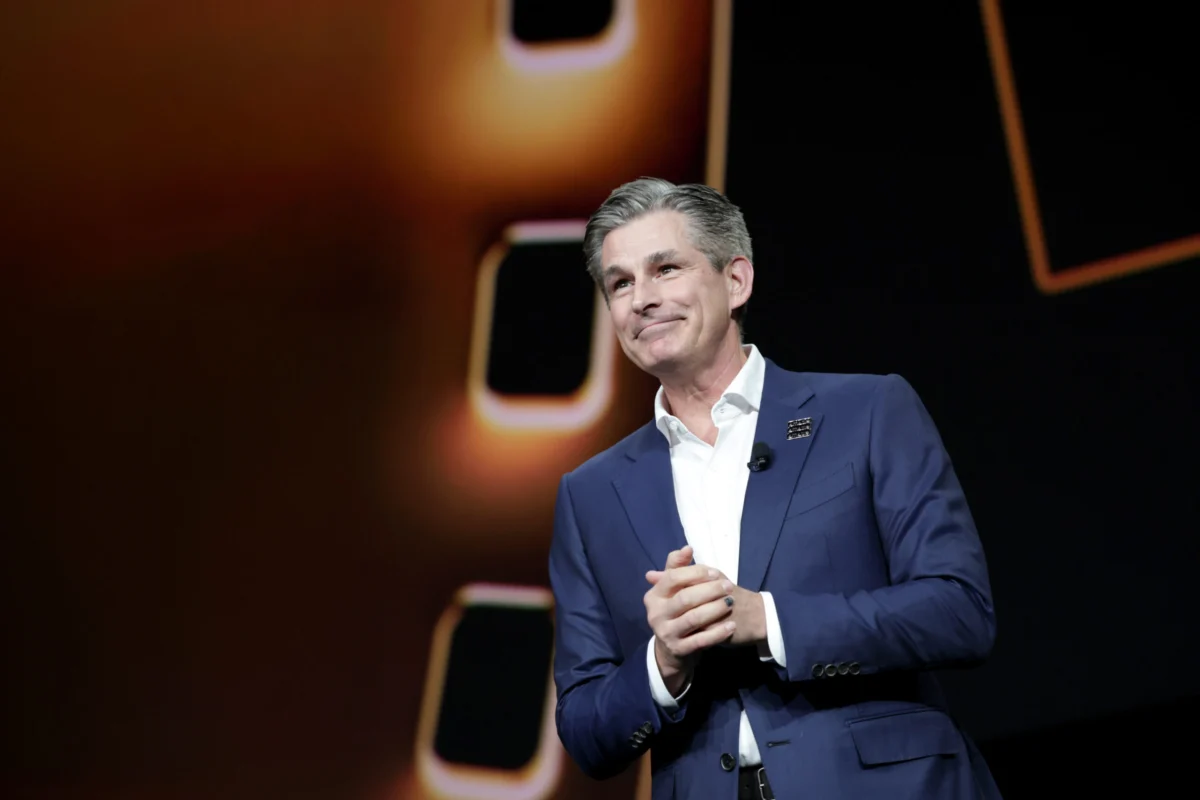
The success of Project Hail Mary and Gosling’s fervent advocacy provided a powerful platform for Amazon MGM Studios to articulate its ambitious long-term strategy for theatrical distribution. Mike Hopkins, head of Prime Video & Amazon MGM Studios, addressed exhibitors at CinemaCon with a clear, unequivocal message about the studio’s future. "As I say to our team constantly, our ambition for theatrical film is in the top half of the first inning. Project Hail Mary is just the beginning," Hopkins declared, signaling that the studio was just starting its journey as a major player in the theatrical space. This metaphor resonated deeply, implying immense untapped potential and a sustained, evolving commitment.
Hopkins further underscored this commitment, stating, "While some of our competitors have dipped their toes in and out of the theatrical waters, for us, this isn’t a test or an experiment. Our commitment to release at least 15 films every year into your theaters is on schedule." This declaration of a consistent, high-volume slate of 15 films annually positioned Amazon MGM as a formidable new force, challenging the fluctuating strategies of other studios that sometimes prioritize streaming releases. To support this ambitious goal, Hopkins announced a crucial strategic investment: "And to support that commitment, we are building an international distribution organization – one we hope to have up and running later this year." This move is vital, as a robust international distribution network is essential for achieving global box office success on the scale envisioned. To spearhead this effort, Amazon has already brought on Helen Moss, a former longtime international executive at Paramount Pictures, whose extensive experience will be critical in establishing this global footprint. This strategic hiring further exemplifies Amazon’s dedication to leveraging established industry expertise to build out its theatrical capabilities.
A Masterclass in Modern Marketing

The extraordinary box office performance of Project Hail Mary was not solely a result of a compelling story and star power; it was amplified by a meticulously crafted and innovative marketing campaign that leveraged Ryan Gosling’s unique appeal and embraced modern digital strategies. As Sue Kroll, head of global marketing, touted from the CinemaCon stage, the studio had "assembled a team with deep, legacy studio experience—many of whom you know well—leaders who have spent their careers launching films theatrically at the highest level." This expertise was applied with a "singular focus: not just releasing films, but championing each one with the care, rigor, and creativity it deserves."
The marketing tactics for Hail Mary were multi-faceted and highly effective:
- Gosling-Driven Viral Content: The campaign ingeniously capitalized on Gosling’s charisma and comedic timing. This included his memorable Saturday Night Live hosting gig and a hilarious La La Land spoof, both of which garnered significant organic media attention. Perhaps most impactful was the "Ryan Gosling Believes in the Hail Mary" viral video series, where Gosling attempted and "completed" impossible "Hail Mary" feats. These included throwing a football through Randy’s Donuts sign in Los Angeles (amassing over 10 million views) and nailing a Final Jeopardy question (achieving an astounding 50 million views). These shareable moments transformed promotional content into genuine entertainment, generating massive buzz.
- Strategic Media Integrations: The campaign secured high-profile placements during major sporting events, leveraging their vast viewership. Gosling recorded a promotional video during the NFL NFC Championship game, highlighting the concept of the "Hail Mary" in sports and life, connecting the film’s themes to a broad, engaged audience. Integrations across the Super Bowl, NBA All-Star Game, and Winter Olympics ensured unparalleled reach during peak cultural moments. Coordinated global light shows in major cities like Taipei, Toronto, and Berlin added a spectacular, large-scale visual element to the campaign.
- Experiential and Community Engagement: Press tours were conducted in key international markets including London, Paris, and Mexico City, fostering global excitement. Press junkets were strategically held at science-centric locations such as NASA’s Jet Propulsion Laboratory (JPL) and Griffith Observatory, aligning with the film’s scientific themes and attracting a niche but influential audience. The campaign also partnered with diverse communities, including NASA, sports, faith and family, and multicultural groups for specialized screenings. A significant effort involved targeted multicultural engagement, anchored by HBCU-focused programming with Spelman College’s speech & debate team, demonstrating a commitment to broad, inclusive outreach.
- Digital and Creator Initiatives: Embracing modern digital trends, the campaign deployed various creator initiatives. This included "Sun is Dying" hoax pranks that generated organic social media discussions, fan edit campaigns that allowed audiences to creatively engage with the film’s content, and YouTube ads led by popular science communicator Cleo Abram. Trailer fan edits and BookTok activations tapped into online communities already passionate about sci-fi literature, converting enthusiastic readers into eager moviegoers.
This comprehensive and innovative approach, blending traditional publicity with cutting-edge digital and viral strategies, proved instrumental in Project Hail Mary‘s ability to cut through the noise and achieve its remarkable box office success.
Implications and the Future of the Hybrid Model
The success of Project Hail Mary and Amazon MGM’s commanding performance at CinemaCon 2026 carry significant implications for the future of the Hollywood studio system. Comscore chief box office analyst Paul Dergarabedian aptly summarized the situation, stating that the film and its rollout "will be viewed as a textbook example" of how to effectively harness the power of both a legacy studio (MGM) and a modern streamer (Amazon). He hailed it as "a blueprint on how to make these two seemingly opposing worlds be complementary." This hybrid model, often fraught with tension over theatrical windows and streaming exclusivity, found a compelling validation in Hail Mary. Amazon MGM demonstrated that a streamer’s vast resources, combined with traditional studio expertise and a genuine commitment to theatrical exhibition, could yield extraordinary results.
For the domestic box office, Hail Mary was a welcome boon, proving that original, non-franchise content could still ignite widespread audience enthusiasm. It offered a compelling counter-narrative to the industry’s increasing reliance on established intellectual property, suggesting that quality storytelling and strong marketing can still create cultural moments.
However, the path to consistent theatrical success for Amazon MGM is not without its challenges. The studio itself acknowledges that not every release will replicate Hail Mary‘s triumph. Earlier in the year, films like Mercy and Crime 101 reportedly underperformed, serving as a reminder that even with a robust strategy and a committed team, the unpredictable nature of audience tastes remains a constant factor. Yet, Project Hail Mary provides a powerful proof of concept, a strategic template for how Amazon MGM can leverage its unique position to become a consistent and influential force in the theatrical landscape.
The broader implications extend to exhibitors, who found a new, committed partner in Amazon MGM. In an era where many studios have experimented with shorter theatrical windows or simultaneous streaming releases, Amazon’s public pledge to release at least 15 films annually and to extend theatrical runs, as exemplified by Hail Mary, offers a much-needed sense of stability and confidence. The commitment to building an international distribution organization further solidifies Amazon MGM’s intent to be a global player, capable of delivering diverse and compelling content to cinemas worldwide.
In conclusion, Amazon MGM Studios’ unexpected ascendance at CinemaCon 2026, spearheaded by the phenomenal success of Project Hail Mary and the compelling advocacy of Ryan Gosling, marks a pivotal moment in Hollywood. It underscored the enduring power of the theatrical experience and demonstrated a viable blueprint for integrating the digital future with the cherished traditions of cinema. As Amazon MGM moves forward with its ambitious slate and expands its global distribution capabilities, it is poised to become a transformative force, shaping not only its own destiny but also the very future of how films are brought to audiences around the world. The "first inning" of Amazon MGM’s theatrical ambition promises an exciting and dynamic era for the film industry.