The television industry, a perpetually shifting landscape of innovation and disruption, has consistently provided fertile ground for incisive satirical commentary. Two HBO series, The Comeback and Hacks, stand as poignant and often humorous chronicles of this evolution, starring veteran actresses Lisa Kudrow and Jean Smart, respectively, as performers grappling with the perils of aging, relevance, and technological upheaval in Hollywood. While The Comeback has historically served as a prescient mirror reflecting television’s existential dilemmas, its hypothetical third and final season, alongside the acclaimed Hacks, now converge on perhaps the most profound challenge yet: the rise of artificial intelligence and its potential to redefine creative labor.
The Genesis of Satire: The Comeback and the Reality TV Wave (2005)
When The Comeback first premiered on HBO in 2005, co-created by Michael Patrick King and its star Lisa Kudrow, it emerged as a sharp, almost uncomfortably accurate satire of the burgeoning reality television phenomenon. Lisa Kudrow, fresh off her iconic role as Phoebe Buffay in Friends, portrayed Valerie Cherish, a former sitcom star desperately seeking a return to the spotlight. The series adopted a mockumentary format, following Valerie as she participated in a new sitcom, Room and Bored, while simultaneously filming a reality show titled The Comeback about her efforts to reclaim fame. This initial run brilliantly exposed the nascent threats posed by reality TV to traditional scripted programming: its lower production costs, reliance on tabloid-friendly drama, and a perceived cheapening of the medium. Critics lauded its unflinching portrayal of celebrity culture and the often-humiliating pursuit of relevance, though its self-referential nature and uncomfortable humor meant it initially garnered a cult following rather than widespread popular success.
The mid-2000s were indeed a transformative period for television. Reality television, propelled by hits like Survivor (which premiered in 2000), American Idol (2002), and The Apprentice (2004), was no longer a niche genre but a dominant force, particularly on cable networks. These shows offered high viewership at a fraction of the cost of scripted dramas and comedies, forcing networks to reconsider their content strategies. The Comeback captured the anxieties of an industry grappling with this shift, personified by Valerie Cherish’s often-cringeworthy attempts to adapt to the new paradigm while clinging to the vestiges of her past sitcom glory. Her desperation for fame and attention, despite its comedic potential, was rooted in a genuine commentary on the pressures faced by female performers in a youth-obsessed industry.
The Streaming Wars and a Timely Revival (2014)
Nine years after its initial run, The Comeback received a surprise revival by HBO in 2014. By this point, the television landscape had undergone another seismic shift. Reality TV had achieved a certain level of legitimacy, evolving into more polished, genre-spanning formats. However, a new, more formidable challenge loomed: the impending "streaming wars." Netflix, which had begun its transition from DVD-by-mail to streaming in 2007 and launched its first original series, House of Cards, in 2013, was rapidly changing audience consumption habits and production models. Other players like Hulu were also gaining traction, and major media conglomerates were preparing to launch their own streaming platforms, heralding an era of unprecedented content creation.
The 2014 revival of The Comeback found Valerie Cherish attempting to navigate this new world, ironically landing a role in an HBO series, Seeing Red, a fictionalized account of her earlier reality TV experience. The season satirized the burgeoning "prestige TV" era, where an explosion of high-quality, cinematic dramas and comedies on premium cable and streaming services led to an overabundance of content, making the term "prestige" almost meaningless. The show continued its examination of Valerie’s struggle for recognition, but now against a backdrop of an industry churning out sophisticated, often dark, narratives that contrasted sharply with her more traditional, lighthearted comedic background. The revival was met with critical acclaim, with many praising its continued relevance and deepening emotional resonance, further cementing its status as a cult classic that was consistently ahead of its time in dissecting industry trends.
The Modern Crisis: AI, Strikes, and Industry Contraction (Hypothetical 2026)
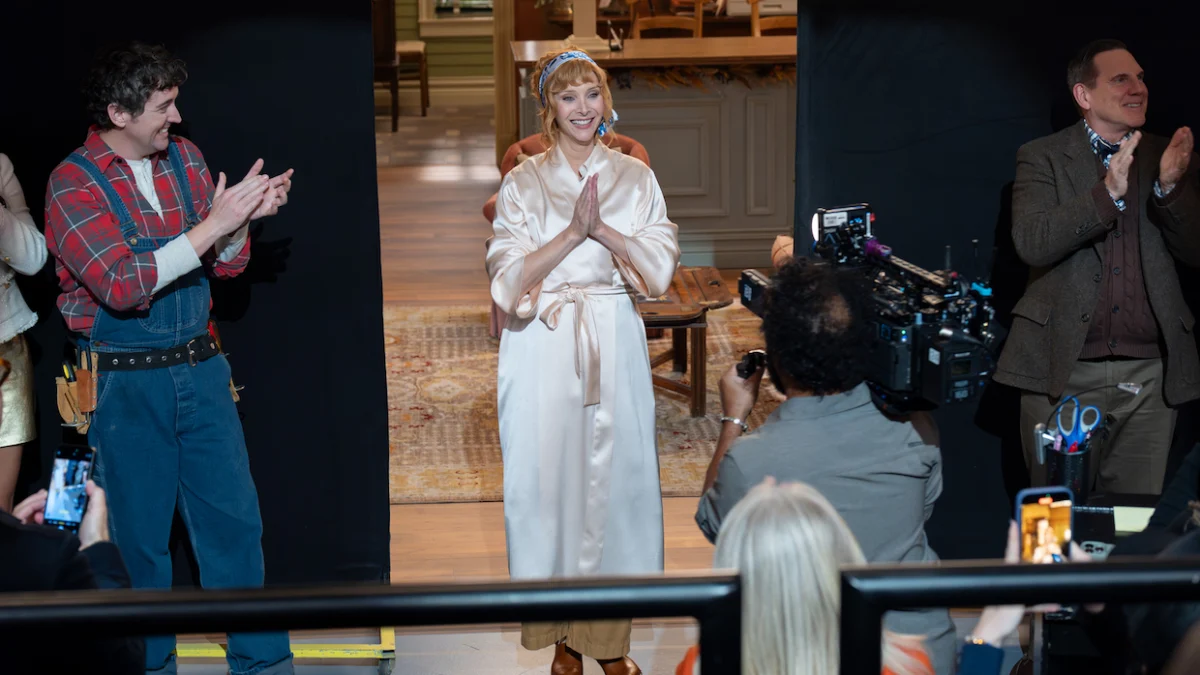
Fast forward twelve years from the 2014 revival, and the television industry is once again in the throes of a profound existential crisis, one that The Comeback‘s hypothetical third and final season (set around 2026) aims to tackle: the advent of artificial intelligence. This fictional third season sees Valerie Cherish, now an industry veteran who has weathered multiple storms, facing perhaps her greatest challenge yet. She books the lead role in How’s That?!, a new multi-cam sitcom notable for being the first of its kind to be written entirely by AI.
This premise directly reflects the very real anxieties that gripped Hollywood in the mid-2020s. The Writers Guild of America (WGA) and the Screen Actors Guild – American Federation of Television and Radio Artists (SAG-AFTRA) strikes of 2023 highlighted AI as a central point of contention. Writers fought for protections against AI generating scripts based on their work without compensation or credit, while actors sought safeguards against their likenesses and voices being used by AI without consent. The strikes, which brought Hollywood production to a standstill for months, underscored a widespread fear that AI could not only devalue human creativity but also lead to significant job displacement across the entertainment ecosystem.
In this fictional context, Valerie, also serving as an executive producer, is caught in an ethical and creative quandary. On one hand, the show offers employment to an entire cast and crew in a period where production in Hollywood has significantly contracted due to economic pressures, mergers, and content purges (a phenomenon observed in the real world with conglomerates like Warner Bros. Discovery consolidating assets and removing content from streaming platforms). On the other hand, the AI script-generating machine, named "Allassist," produces an overwhelming volume of plagiarized material, with Valerie’s fellow sitcom veterans recognizing lines from their past shows. This directly threatens the livelihoods of TV writers and the very medium that elevated Valerie to stardom. The season cleverly shifts from its mockumentary format, allowing Valerie to take a more proactive role, fighting not just for her own relevance but potentially for the future of human creativity in television.
Parallel Narratives: Hacks and the Endurance of Female Stars
The thematic parallels between The Comeback and HBO Max’s Emmy-winning series Hacks are undeniable, suggesting a shared lineage in showbiz satire. Co-created by Lucia Aniello, Paul W. Downs, and Jen Statsky, Hacks offers a poignant, often hilarious, exploration of generational divides and the enduring struggles of female entertainers. Jean Smart delivers a career-defining performance as Deborah Vance, an aging stand-up comic and Las Vegas icon, whose career is revitalized through an unlikely partnership with Ava Daniels (Hannah Einbinder), a young, disgraced Gen-Z comedy writer.
Hacks chronicles Deborah’s multi-season quest to break the ultimate glass ceiling for a female entertainer: hosting a late-night comedy show. In its penultimate season, Deborah achieves this monumental goal, only to face a moral dilemma. The network demands she fire the outspoken Ava as its lead writer, a condition she ultimately rejects, choosing to quit the show rather than compromise her artistic integrity or betray her protégé. The fifth and final season then sees Deborah, much like Valerie Cherish, battling to maintain her stardom and reclaim her voice after being silenced by a non-compete clause that prevents her from performing for a year. This storyline gained chilling real-world timeliness with the fictional CBS cancellation of The Late Show with Stephen Colbert occurring just weeks after Hacks‘ season four finale, mirroring the precariousness of even established late-night institutions in a volatile media landscape. Both Valerie and Deborah represent an endangered species: female TV icons whose hard-won careers are constantly under threat by external forces, whether it’s evolving industry standards, corporate machinations, or technological disruption.
The AI Threat: Nuances in The Comeback vs. Hacks
Both series incorporate the threat of AI, but with distinct approaches. In Hacks, AI initially appears as a seductive, profit-driven bogeyman. During her comeback attempt, Deborah Vance encounters a venture capitalist who proposes licensing her likeness and material (and by extension, Ava’s creative work) for a large language model named "QuikScribbl." This prompts a passionate monologue from Ava about the dangers of AI and the manipulative narrative of its inevitability. Ava’s argument, "This is exactly like when a fing random-ass diner puts a sign out front that’s like, ‘Best Waffles in America,’ according to who? The people trying to sell the fing waffles!" powerfully critiques the self-serving hype around AI. Deborah only fully recognizes the threat when the tech entrepreneur suggests the machine could write her jokes, an insulting implication that a seasoned comic’s unique voice and experience can be replicated by an algorithm.
The Comeback‘s portrayal of AI is more nuanced and, in its own way, more unsettling. Here, AI isn’t a monstrous entity but a "pathetic joke," a tool that promises efficiency but delivers mediocrity. Valerie’s AI-written sitcom, How’s That?!, is depicted as hokey and dated, despite airing on the "Big Tech-funded network NuNet." The scripts generated by "Allassist" are "good enough, but stale." When a joke fails to land, the machine churns out an overwhelming number of "alts"—alternative jokes—far more than any human writer could produce or any actor could reasonably try on stage, and most of them are simply not funny.
Through this, The Comeback subtly argues that true creativity and comedic timing are inherently human. Valerie eventually realizes that writers, despite their flaws and often being her "chief antagonists" in Hollywood, cannot truly be replaced. A computer cannot dismiss or diminish her talent, but crucially, it also cannot provide her with anything genuinely compelling to work with. The legendary TV director James Burrows, playing himself, encapsulates this perfectly after the pilot shoot: "I saw every one of those jokes coming, and so did you. Surprising only comes from a group of writers huddled in a corner, beating themselves up to beat out a better joke." The show suggests that making TV, or any creative endeavor, less human, is not efficient; it simply makes it worse. This reflects a deeper analysis of AI’s limitations in replicating genuine human insight, pathos, and unpredictability—the very elements that make comedy resonant.
The Broader Industry Landscape: Employment, Creativity, and Survival
The themes explored in both The Comeback and Hacks resonate deeply with the broader challenges facing the entertainment industry. The gig economy nature of Hollywood, where employment is often project-based and precarious, makes workers particularly vulnerable to technological disruptions and corporate restructuring. The 2023 strikes brought to light how AI could exacerbate these vulnerabilities, potentially reducing the need for human writers, actors, editors, and other crew members, leading to widespread job losses. Data from the Bureau of Labor Statistics indicates that while media and entertainment employment has historically fluctuated, the introduction of widespread AI could lead to unprecedented structural changes, impacting everything from entry-level positions to established professionals.
Beyond employment, both shows also touch upon the question of creative ownership and intellectual property. The ease with which AI can "plagiarize" or replicate existing styles raises critical questions about copyright in the digital age. Who owns the material generated by AI, especially if it’s trained on existing copyrighted works? How will creators be compensated if their unique voice or likeness is used by an algorithm? These are not merely fictional plot points but active legal and ethical debates shaping the future of entertainment.
Emmy Contention: A Battle of Industry Satires
It is fitting that these two female-fronted HBO shows, each a brilliant satire of the industry, are poised to compete in the Emmy race. Hacks has already established itself as an awards darling, boasting 12 Emmy wins, including Best Comedy Series for its third season (if we project its success), four consecutive Best Actress wins for Jean Smart, and a Best Supporting Actress win for Hannah Einbinder. The Comeback, despite its fervent cult following and critical acclaim, has historically been less successful with Emmy voters. Lisa Kudrow earned Best Actress nominations for its first two seasons, with two other nods for writing and casting in season one, but never a win.
Coming off the heels of fictional "The Studio"’s sweep in comedy categories last year (a placeholder for any dominant industry satire), it wouldn’t be surprising to see another showbiz satire collect this year’s comedy series Emmy. Given its past success and broader appeal, Hacks likely holds the edge. While a tie for Best Actress between Jean Smart and Lisa Kudrow is an unlikely fantasy—much like seeing Deborah Vance and Valerie Cherish share a meal at the Polo Lounge—it would offer a profoundly satisfying, if improbable, conclusion. It would be a poetic recognition of two iconic TV characters and their real-life counterparts, who, against all odds, have navigated the tumultuous evolutions of the entertainment medium, offering both laughter and poignant commentary on the enduring human spirit in a relentlessly changing world. Their stories, both fictional and meta-fictional, serve as a testament to the power of satire to illuminate truth and offer a unique form of comedy-fueled resistance against the perceived collapse of an industry always on the brink of reinvention.