Adrian Chiarella’s highly anticipated debut feature, Leviticus (2026), plunges audiences into an archetypal horror narrative where a "little death" of illicit pleasure begets a terrifyingly literal one. This chilling premise establishes the film’s core conceptual hook: a sinister entity, born from a hex cast upon queer teens by a local church’s conversion therapy program, preys on its victims by appearing as their most profound desire. This ingenious twist on the horror genre’s long-standing association with teenage sexuality and mortality is rooted in the insidious dictum frequently weaponized against queer youth: "your desires will kill you."
The film opens with a cold, visceral sequence: a lesbian lifeguard succumbs to the alluring persuasions of an invisible lover in a poolside shower, a moment of fleeting, illicit pleasure that abruptly culminates in her brutal murder. This immediate plunge into terror sets the stage for a narrative deeply imbued with the psychological and societal anxieties faced by the LGBTQ+ community. Leviticus masterfully employs the horror genre as a potent metaphor for homophobia—a pervasive, inescapable force that twists private lust into public fear. Director Chiarella articulates his creative impetus as a direct response to a concerning resurgence in bigotry, a perceived backward slide in the progress towards queer security and safety that seemed to have gained ground in recent decades.
The Director’s Vision: Personal Trauma, Universal Fear
For Chiarella, the genesis of Leviticus was profoundly personal. "I started thinking about what would be personal for me," he explains, revealing his formative connection to the genre. "Horror movies were something that I turned to as a young queer teenager. I don’t think I was alone in that. The genre has been important to the community for a very, very long time." This sentiment resonates deeply within LGBTQ+ cultural commentary, where horror has often served as a safe space for exploring identity, otherness, and societal anxieties through metaphor and allegory.
Chiarella waxes nostalgic about iconic horror series, specifically citing Nightmare on Elm Street, particularly its second installment, Freddy’s Revenge (1985), which has long been interpreted by many as a powerful allegory for life in the closet. He also references John Carpenter’s The Thing (1982), admiring its exploration of "the tension between the self and the other, not really knowing if you can trust the person in front of you." These influences highlight a recurring theme in queer horror: the monster as a representation of internalised fear, societal condemnation, or the terrifying unknown within oneself and others. Chiarella’s personal connection to these films, often watched against parental advice ("I was always told not to watch those films, which only made me want to watch them more"), underscores the subversive power horror held for him and countless other queer youth.
Conversion Therapy: A Real-World Horror
The film’s central antagonist, born from a hex cast during conversion therapy, draws a direct and chilling parallel to the real-world trauma inflicted by these practices. Conversion therapy, often promoted by religious institutions, attempts to change an individual’s sexual orientation or gender identity, despite being widely discredited and deemed harmful by major medical and psychological organizations worldwide. Organizations like the World Health Organization, the American Psychiatric Association, and the Australian Psychological Society have condemned these practices, citing evidence of severe psychological distress, depression, anxiety, and even suicidal ideation among survivors.
In Australia, where Leviticus is set, efforts to ban conversion therapy have gained momentum, with several states and territories implementing or proposing legislation. Victoria, for example, passed laws in 2021 making it illegal to attempt to change or suppress a person’s sexual orientation or gender identity. However, these practices persist in various forms, often within insular religious communities, reflecting the "cultlike religious community that constricts" the industrial town in Chiarella’s film. The film’s title itself, Leviticus, is a pointed reference to the biblical book often cited by fundamentalist groups to condemn homosexuality, anchoring the supernatural horror firmly in a historically oppressive context. By personifying the trauma of conversion therapy as a literal monster, Chiarella externalizes the internal torment and societal pressure that queer individuals are subjected to, turning pious dictum into visceral dread. This conceptualisation is not merely a clever genre twist but a potent critique of institutionalised homophobia.
Narrative Threads: Desire, Betrayal, and Isolation
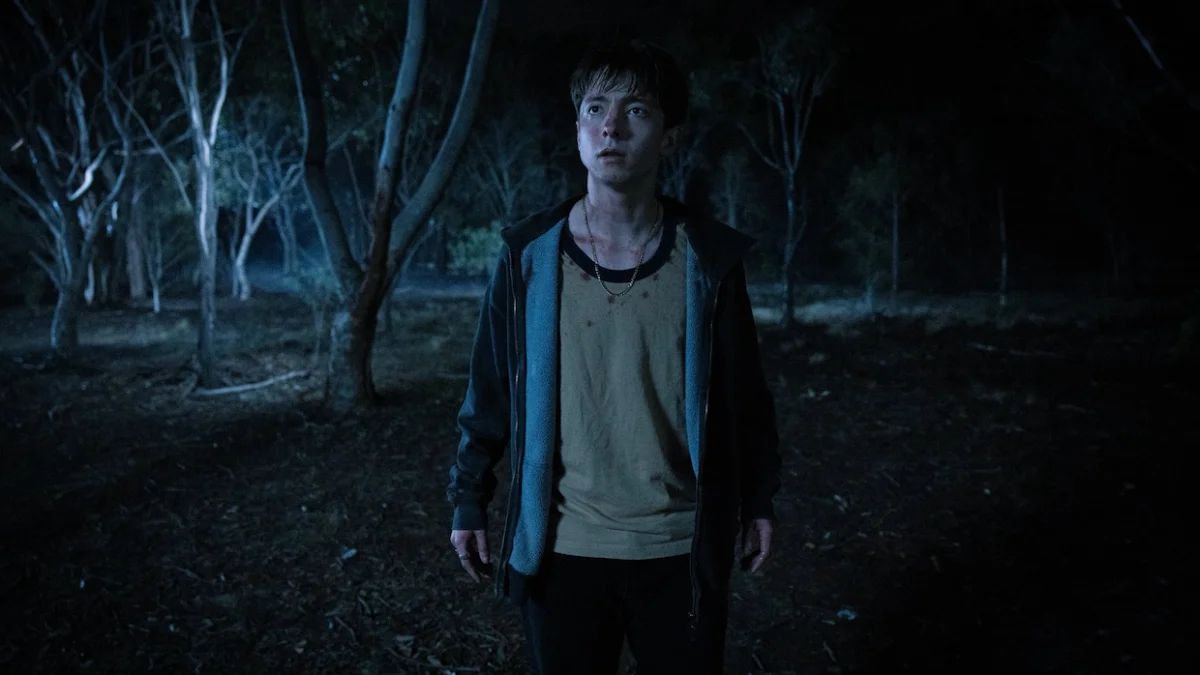
Leviticus is not just a broad metaphor; it is rooted in specific, terse, and tender character dynamics. The narrative unfolds in an industrial town nestled in the Australian boondocks, dominated by a restrictive, cult-like religious community. Here, audiences follow Naim (Joe Bird), a shy newcomer, as he navigates his burgeoning feelings for Ryan (Stacey Clausen), a brashly charismatic classmate. Their connection is immediate and palpable, yet fraught with the dangers of their environment and internalised fears. A pivotal scene, where Ryan playfully taunts Naim—"Is there anything you’re not afraid of?"—before a passionate kiss in an abandoned building, perfectly encapsulates this tension. Naim’s subsequent reaction, catching his own reflection mid-lip-lock and recoiling, powerfully illustrates the self-fear that ensnares the film’s queer characters.
The plot thickens with the introduction of Hunter (Jeremy Blewitt), the closeted son of the local preacher, who violently disrupts Naim and Ryan’s nascent romance. Naim’s subsequent act of jealousy—tattling to the community, expecting a lesser punishment than outright exorcism—serves as the transgression that, in classic horror fashion, unleashes the film’s full horror. "Horror movies," Chiarella notes, "are always about someone committing a transgression, and whatever horrible thing that comes after is because of this." Here, the "horrible thing" is the monstrous manifestation of the hex, exacerbating the boys’ isolation and demonstrating the desperate, life-or-death need for queer camaraderie.
The nature of the monster, which preys on individuals when they are alone but can also mimic a loved one, forces Ryan and Naim into a perilous separation, highlighting the profound dangers of isolation. Their quest for understanding leads them to the partner of the woman killed in the opening scene, now a reclusive figure haunting a local hospital. In a brutal subversion of the "crazed recluse" trope, this woman, to survive, must constantly surround herself with people, yet she is more alone than ever. This mirrors the protagonists’ predicament, trapped in a web of false allyship and predatory affection. Hunter’s sister, for instance, extends an olive branch only for a bait-and-switch to reveal her true, insidious nature. Even Naim’s mother (Mia Wasikowska) offers a brief, devastating gesture of care immediately followed by a moment of profound betrayal, blurring the lines between protection and oppression. Her chilling pronouncement to her terrified son—"We need fear"—encapsulates the film’s central theme of institutional control through fear. Chiarella deliberately crafted "a world where you weren’t sure you could trust even the real people around you anymore," amplifying the pervasive sense of dread.
Visual Language and Setting: A Modern Biblical Parable
The desolate landscapes and weathered architecture of the Australian boondocks serve as more than just a backdrop; they are integral to the film’s narrative and thematic fabric. The production design meticulously crafts an atmosphere dripping with dreary, vacant hostility, mirroring the emotional desolation of the characters. These vague, slightly anonymous settings reflect Chiarella’s ambition to create a "modern biblical parable" that juxtaposes industrial and pastoral features. This visual tension, between what is "man-made and what comes from the universe," as Chiarella describes, evokes the broader conflict between human nature and "the rules and the edicts we live by"—a direct nod to the oppressive religious doctrines at the heart of the film’s conflict.
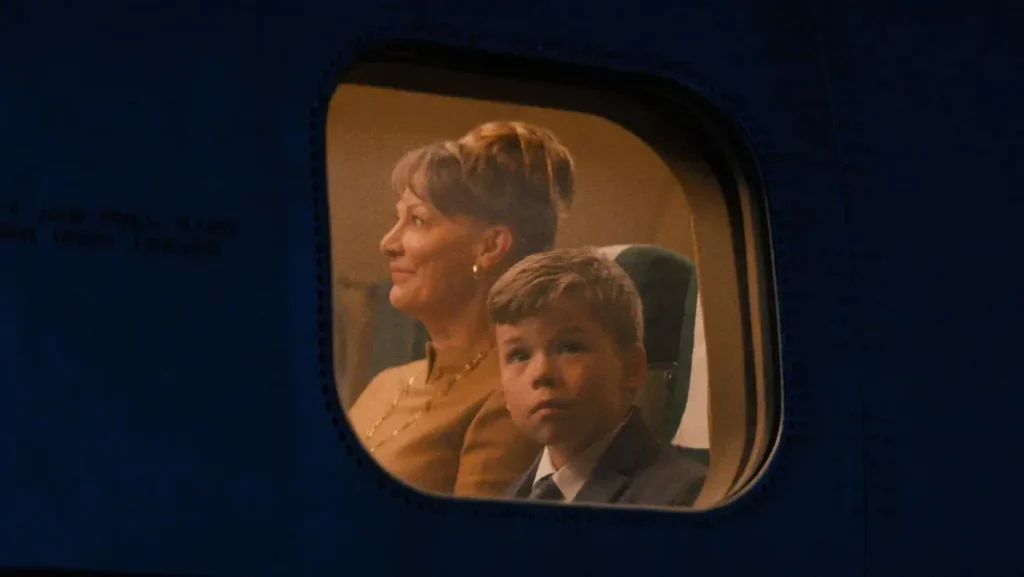
Visually, Leviticus is not only metaphorically rich but also vividly cinematic. Much of the film’s action is conveyed through furtive glimpses—via windows, mirrors, and cameras—or observed impassively by uncaring bystanders. This visual strategy is dictated by what characters can and cannot perceive. Those untouched by the curse are unable to see the monster, a symbolic "blinkering" that echoes the willful ignorance and denial often faced by queer teens from those who dismiss their sexuality as "just something they’re putting on, or that other people have convinced them to do." Even Naim’s own eyes deceive him, constantly mistaking Ryan’s demonic double for the real person, highlighting the internal struggle and the difficulty of discerning truth in a world designed to deny one’s reality. In Leviticus, seeing is not just believing; it is an act of survival, a confrontation with an unseen truth that others refuse to acknowledge.
Chronology of Queer Horror and Leviticus‘s Place
The history of queer representation in horror has evolved significantly. For decades, queer themes were relegated to subtext—the "sissy" villain, the monstrous woman, or the implicitly queer coded characters in films like Psycho or Bride of Frankenstein. Nightmare on Elm Street 2: Freddy’s Revenge (1985) is a landmark example, where the protagonist Jesse’s struggle with Freddy was widely interpreted as a metaphor for his repressed homosexuality. Later, films like The Celluloid Closet (1995) explicitly analyzed these hidden narratives.
In the 21st century, particularly in the last decade, there has been a powerful resurgence of explicitly queer horror. Films such as The Babadook (2014), Lyle (2014), Knife+Heart (2018), The Perfection (2019), They/Them (2022), and Swallowed (2022) have moved beyond mere subtext, offering diverse and overt explorations of LGBTQ+ experiences within the horror framework. This shift reflects a growing demand for authentic representation and a recognition of horror’s capacity to dissect complex social issues.
Leviticus arrives at a pivotal moment, demanding attention and confronting the audience with adversity and disquietude that some might prefer to believe belong to the past. While much contemporary queer media has moved towards celebratory or slice-of-life narratives, Chiarella’s film offers a timely, "back-to-basics" confrontation of the very real and ongoing threats faced by the community. Its exploration of conversion therapy trauma and the insidious nature of internalised homophobia positions it as a vital contribution to this evolving subgenre.
Implications and the Ambiguous Future
The film’s reception is anticipated to spark considerable discussion within both horror and LGBTQ+ communities. Critics are likely to commend its astute use of genre conventions to dissect contemporary social issues, while LGBTQ+ advocates will likely appreciate its unflinching portrayal of the psychological toll of bigotry and conversion therapy. The film’s ability to fuse genre thrills with profound figurative design is expected to resonate deeply, using visceral tremors to unearth something terrifying, intimate, and true.
Notably, Leviticus concludes with an ambiguously hopeful ending, a departure from the oppressive doom often found in queer films of earlier eras. Chiarella consciously eschews definitive closure, opting for something more complex and realistic. "We took that idea of how, in the final frame of a lot of horror movies, the monster comes crawling back, and you realize it may not actually be dead," he explains. "I thought about what that would mean in this film—that whatever trauma these boys have been through may not go away for a very long time. It may never go away." This nuanced ending exemplifies the film’s modernity, acknowledging that while immediate threats may be overcome, the deep-seated psychological scars of homophobia and trauma can linger indefinitely. It is a powerful statement on resilience, ongoing struggle, and the enduring impact of systemic prejudice, offering not a tidy resolution but a stark, honest reflection of reality for many queer individuals.
In its audacious narrative, compelling performances, and meticulous visual storytelling, Leviticus promises to be a significant debut for Adrian Chiarella. It stands as a powerful and timely reminder that while progress has been made, the fight for queer security and acceptance is far from over, and that horror, in its most potent form, continues to be a vital lens through which to examine society’s deepest fears and prejudices.