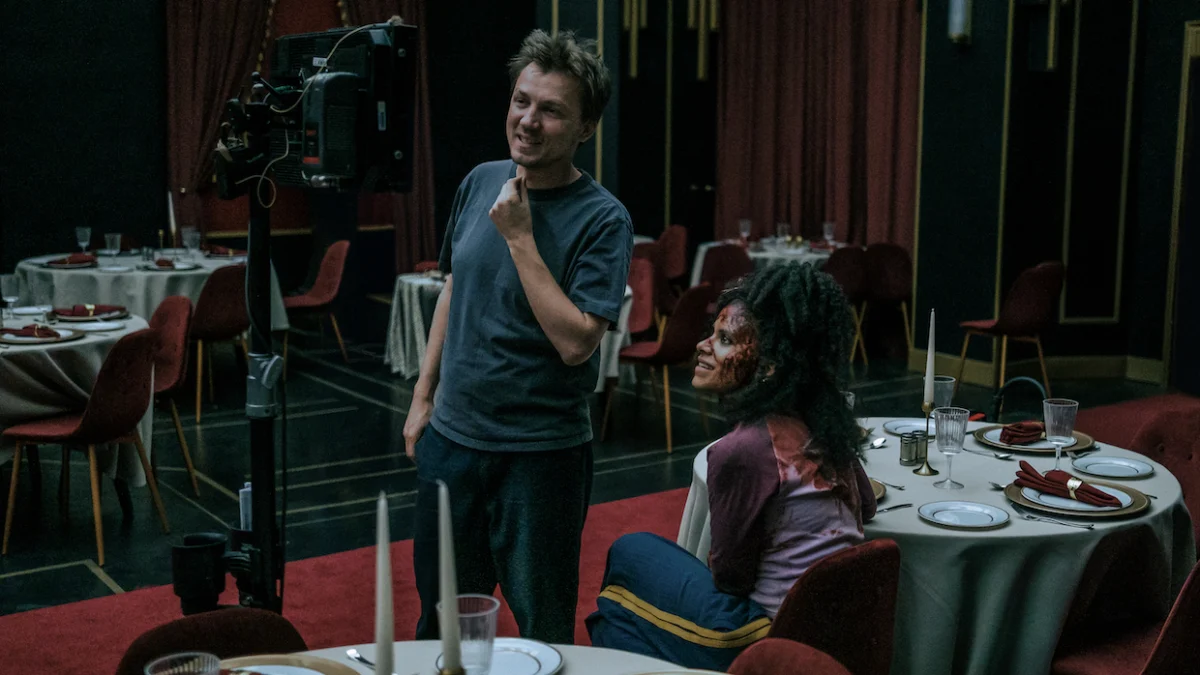
The curtain fell on the 2026 SXSW Film Festival in Austin with a powerful and poignant moment as Kirill Sokolov, director of the highly anticipated film They Will Kill You, took to the stage of the historic Paramount Theatre. Far from the usual brief pleasantries, Sokolov, with multiple pages in hand, embarked on an extensive and deeply personal acknowledgment of every collaborator who contributed to his latest cinematic endeavor. This heartfelt address preceded the premiere of his bloody action-horror mashup, a film that centers on Zazie Beetz’s character, Asia, as she navigates a treacherous New York apartment building, battling a cult of the ultra-wealthy in a desperate search for her sister, Maria. The lengthy expressions of gratitude were not merely a customary gesture but a profound testament to a long-awaited triumph, marking the culmination of years of arduous work and a dramatic personal journey that saw the filmmaker leave his native Russia.
Sokolov’s narrative is one of creative ambition intertwined with stark political reality. His departure from Russia followed his outspoken opposition to the war in Ukraine, an act that carried significant personal risk. As he disclosed to The New York Times in 2022, he had signed two online petitions condemning the conflict, a move that in Russia is met with the severe threat of political retaliation and potential imprisonment, with thousands having faced arrest for similar acts of dissent against the government. This courageous stance necessitated his relocation, transforming his path from an established director in Russia to an immigrant filmmaker facing the daunting challenge of breaking into the competitive American studio system without prior experience within its confines.
A Director’s Arduous Journey: From Russia to Hollywood
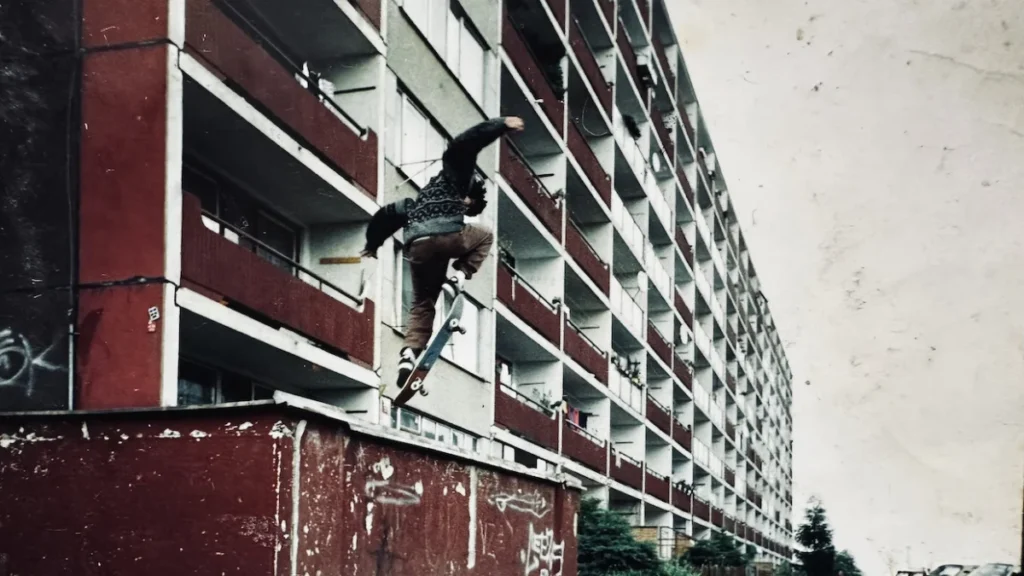
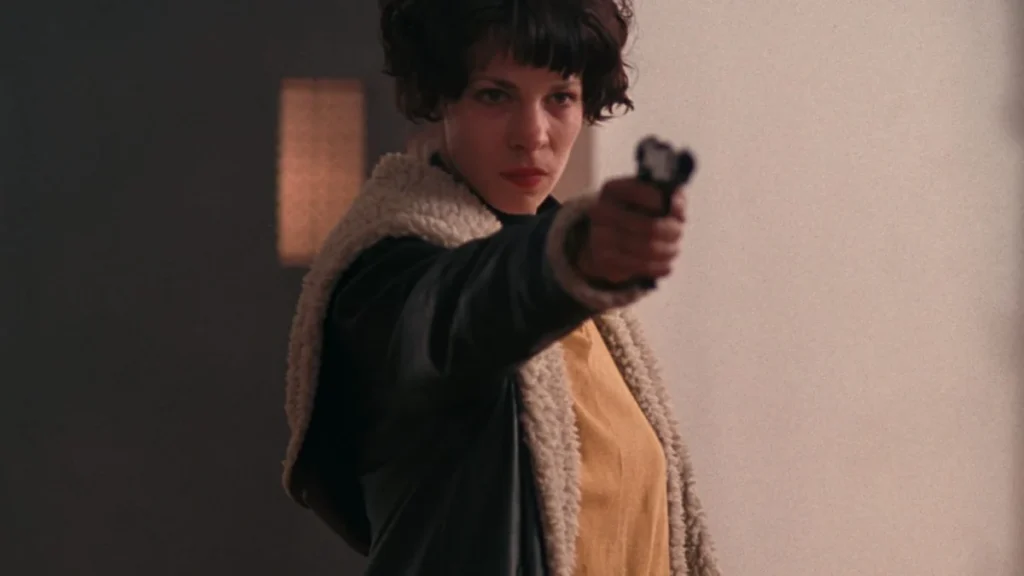
Before his move, Kirill Sokolov had already garnered critical attention in his homeland with films like Why Don’t You Just Die! (2018) and No Looking Back (2021). These Russian productions established his distinctive style, characterized by dark humor, intricate plotting, and a penchant for stylized violence, often exploring themes of societal dysfunction and moral decay within claustrophobic settings. Why Don’t You Just Die!, a darkly comedic crime thriller, received international acclaim for its inventive narrative and visceral execution, hinting at the genre-bending capabilities he would bring to his American debut. No Looking Back further solidified his reputation for crafting intense, character-driven thrillers. These films, while successful in their own right, operated on significantly smaller budgets than his latest project, typically in the low to mid-six figures, a stark contrast to the multi-million dollar landscape of Hollywood.
The decision to leave Russia was not taken lightly but was a moral imperative for Sokolov. The political climate in Russia following the full-scale invasion of Ukraine in February 2022 became increasingly repressive, with new laws criminalizing the dissemination of "false information" about the military, effectively stifling any form of dissent. Public figures, artists, and journalists who spoke out faced immediate backlash, often leading to professional blacklisting, asset freezes, or imprisonment under harsh conditions. Sokolov’s act of signing anti-war petitions, while seemingly minor, placed him squarely in opposition to the state, making continued work in Russia untenable and potentially dangerous. This forced exile meant not only a physical displacement but also the severing of professional networks and a need to rebuild his career from the ground up in an entirely new cultural and industrial landscape.
Entering the American studio system as an unproven entity, especially for a foreign director, is notoriously difficult. The industry is often hesitant to entrust large budgets to those without a track record of box office success in the U.S. market. This "battle" Sokolov faced, as he described it, involved navigating a complex web of agents, producers, and studio executives, proving his vision and capabilities in a foreign tongue and with a different set of cultural expectations. His determination, however, ultimately paid off, leading to the greenlighting of They Will Kill You with a reported budget of $20 million, as noted by Deadline. This sum represents a monumental leap from his previous projects and signifies a significant investment of faith from his American collaborators.
The SXSW Spotlight and a Heartfelt Acknowledgment
SXSW Film Festival, renowned for its embrace of independent cinema, genre innovation, and as a launchpad for emerging talent, provided the perfect platform for Sokolov’s American debut. The closing night slot at the iconic Paramount Theatre, a venue steeped in cinematic history, further amplified the significance of the moment. Sokolov’s extended thank you speech underscored his philosophy on filmmaking, highlighting the immense effort behind every ninety-minute film. "When people watch a movie, it’s ninety minutes, and they leave the movie. In the best-case scenario, they will have a nice ninety minutes, maybe not that nice, then they leave and forget about it," Sokolov reflected. "But as people who are making the movie, you are spending two years, at least, to make it." This perspective deeply resonated with his cast and crew, who had witnessed his unwavering commitment firsthand.
Zazie Beetz, who delivers a stellar action-lead performance as Asia, was particularly struck by Sokolov’s genuine passion. Her previous roles in acclaimed projects like the FX series Atlanta and the film Joker had established her as a versatile actress, but They Will Kill You showcases a new facet of her talent. Beetz recounted, "I wasn’t surprised. I think he is a very sincere, very genuine person. He’s so passionate about filmmaking, so passionate about this film, and the way he talked about it was just so excited, so engaged, which was really nice for me as an actor to see and feel. His vision, everything around it, he was so clear about what he wanted to do, and he is just very profuse in his emotions, to be honest." Her comments highlight the magnetic quality of Sokolov’s enthusiasm, which proved instrumental in attracting top-tier talent to the project.
Myha’la, the breakout star of Industry, who plays Maria, Beetz’s sister in the film, echoed this sentiment. She expressed immense pride and happiness for Sokolov’s moment on stage, acknowledging the sheer scale of his achievement. "I was honestly just so proud of Kirill and so happy for him. I was supporting him taking every single moment on that stage. This is his first major big-budget American film as an immigrant, and he’s so passionate about this particular moment and about us," she stated, adding playfully, "I was like, ‘Take all the time you need, king!’" Her appreciation underscored not only the personal connection forged on set but also the broader significance of Sokolov’s journey as an immigrant filmmaker navigating a new professional landscape. The $20 million budget for They Will Kill You dwarfs the typical budgets of independent films, which often fall under $5 million, and represents a significant vote of confidence in Sokolov’s vision and the potential commercial appeal of the project.
Mentorship and Paying it Forward: The Muschietti Connection
Sokolov’s successful entry into the American studio system was significantly bolstered by the support of two other influential immigrants: producers and siblings Andy and Barbara Muschietti. Hailing from Buenos Aires, Argentina, the Muschiettis have carved out a formidable niche in Hollywood, particularly in the horror genre, with Andy directing acclaimed films like Mama (2013) and the It franchise (It in 2017 and It Chapter Two in 2019), while Barbara serves as his producing partner. Their involvement provided not only crucial financial backing and industry connections but also a deep understanding of the challenges faced by foreign-born filmmakers.
Their mentorship of Sokolov stems from their own experience with legendary Mexican filmmaker Guillermo del Toro. Del Toro, known for his distinctive visual style and genre-bending narratives (Pan’s Labyrinth, The Shape of Water), had famously championed Andy Muschietti’s feature directorial debut, Mama. This act of support profoundly influenced the Muschiettis, instilling in them a commitment to nurturing new talent. Barbara recounted del Toro’s advice: "When we finished Mama and that came out, [del Toro] said, ‘Now you have to do this for someone else.’" Andy added, with a touch of humor, "It took us 10 years, but we did it." This ethos of paying it forward highlights a vital aspect of Hollywood’s ecosystem, where established artists often extend a hand to the next generation, particularly those from diverse international backgrounds who might struggle to gain a foothold. The Muschiettis’ track record of producing commercially successful and critically acclaimed horror films undoubtedly lent significant credibility to They Will Kill You, making it an attractive proposition for studios and investors.
Crafting Visceral Thrills: The Art of Practical Effects

Myha’la also praised Sokolov’s infectious energy on set, particularly during the demanding night shoots. She recalled his enthusiastic shouts of approval when a crucial scene was perfectly executed, a testament to his hands-on approach and passion for the craft. A standout example was the film’s elaborate fire scene, a sequence where Zazie Beetz’s character, Asia, ignites an axe and brutally dispatches a room full of shadowy antagonists.
Sokolov’s insistence on using real fire for this sequence, rather than relying solely on computer-generated imagery (CGI), was a bold creative choice that paid dividends. While CGI offers greater control and often reduces safety risks, practical effects are increasingly championed by filmmakers and audiences alike for their tangible realism and visceral impact. "All of the producers were shitting and sweating because they were so afraid of everyone’s safety and well-being," Myha’la admitted, acknowledging the inherent dangers. "Obviously, there was every precaution taken, but Kirill insisted on real fire, and it really paid off."
The execution of such a complex and dangerous scene required meticulous planning and rigorous safety protocols. The team "ran it to death," rehearsing every movement and ensuring all actors, including Beetz, were thoroughly coated in flame retardant to mitigate the intense heat. Despite these measures, Beetz described the raw experience: "I’ve never worked with fire in that way before; it was really exciting. I just think the real fire helps with performance and with this feeling of danger, which is something I miss in films. I think that the overuse of CGI has eliminated a very visceral feel that we can get." She drew a parallel to Akira Kurosawa’s epic Ran, a masterpiece renowned for its breathtaking practical effects and large-scale battles involving real fire. Beetz emphasized that her reaction and engagement with actual flames differed profoundly from interacting with a mere prop: "The way I react to the fire and the way I engage with it, the energy and respect of it, is different than if it were just a little lamp at the end of the stick." This commitment to practical effects aligns They Will Kill You with a growing movement within Hollywood to prioritize authentic, in-camera action over digitally rendered spectacle, aiming to deliver a more immersive and impactful viewing experience for audiences.
Beyond the Blood: Unpacking the Film’s Thematic Core
Beneath the layers of blood, fire, and adrenaline-fueled action, They Will Kill You delves into profound thematic territory that resonated deeply with its cast. Myha’la, while enthusiastically declaring that "the movie rips," also highlighted its potent spiritual and political undercurrents. She drew a contrast with her character Harper in Industry, who navigates and ultimately aligns with the predatory elite of the financial world. In They Will Kill You, her character Maria, alongside Asia, takes a starkly different path.
"Spiritually and politically, I align a bit more with Maria and Asia in fighting the rich than I do with Harper being a part of the elite class," Myha’la explained. "The film is about exposing what greed does to this one percent and what they do to the rest of us, the rest of the world." This commentary on wealth disparity, systemic exploitation, and the corrupting influence of unchecked power positions They Will Kill You as more than just a genre film; it’s a mirror reflecting contemporary societal anxieties. The narrative of the ultra-wealthy preying on others within a labyrinthine structure serves as a potent metaphor for economic inequality and the hidden mechanisms through which power operates.
Sokolov confirmed his intention to ground the film in these real-world conflicts, albeit wrapped in an entertaining package. His influences are as diverse as they are compelling, encompassing a wide spectrum of cinematic and animated works. He cited the Japanese anime series Afro Samurai, a project for which he reportedly fought tirelessly to secure the rights to the song "Bloody Samurai," underscoring his dedication to integrating specific artistic elements. He also drew inspiration from enduring classics of genre cinema, including Park Chan-wook’s Lady Vengeance (a masterpiece of South Korean revenge cinema), Quentin Tarantino’s iconic Kill Bill series (known for its stylized violence and homage to martial arts films), and the distinctive works of Sam Raimi (celebrated for his dynamic camera work and blend of horror and comedy) and Sergio Leone (the maestro of the Spaghetti Western, known for his epic scope and morally ambiguous characters).
Sokolov’s ultimate goal was to craft an enjoyable cinematic ride that wears its heart on its sleeve, offering both thrills and a relatable, incisive bite. He elaborated on the core thematic conflict: "People with power and money abuse people who can’t fight back. That’s how a cult in real life works, and, basically, it’s a very common situation all around the world. We all face it and that doesn’t need any extra explanation." The film, he explained, explores how individuals react when confronted with such systems. "In the center of the story, we have two sisters, two different personalities, who made very different choices when they faced this kind of system. One of them tried to find a deal to try to find a way to collaborate to save herself. One chose to go against it and fight and maybe destroy it. In real life, you have the same choices." This central dilemma, framed within a high-octane action narrative, elevates the film beyond mere entertainment, inviting audiences to reflect on their own moral compass and choices in the face of injustice.
A Visionary’s Influences and Purpose
Sokolov’s ability to weave together disparate influences from Afro Samurai‘s unique blend of Edo-period Japan and futuristic hip-hop, to the operatic revenge of Lady Vengeance, the stylistic bravado of Kill Bill, the kinetic energy of Sam Raimi, and the stark moral landscapes of Sergio Leone, speaks to a sophisticated cinematic sensibility. These influences are not merely replicated but synthesized to create a fresh, dynamic aesthetic for They Will Kill You. The fight to secure the rights for "Bloody Samurai" for Afro Samurai further underscores his meticulous approach to sound and music, understanding their crucial role in enhancing the film’s atmosphere and impact.
When questioned about whether his personal experience of speaking out against powerful real-world forces informed the film’s narrative, Sokolov affirmed the connection but also stressed the film’s standalone artistic merit. "It’s the thing that you think about. You question yourself, ‘Was it the right choice?’" he admitted. "Of course, I was thinking about it, I’m still thinking about it. When we wrote the script, we talked about it a lot. It’s there, but at the same time, the general intention was to make a fun movie. But also, I don’t think that the movie should be teaching you something. If you think about it after, awesome. If you don’t, it’s also okay." This balanced perspective demonstrates his maturity as a filmmaker: he integrates his deeply personal convictions into his art without sacrificing the primary goal of providing an engaging and entertaining experience. The film, therefore, functions on multiple levels, offering visceral thrills for those seeking pure genre entertainment, and deeper reflection for viewers inclined to explore its social and political undercurrents. This approach caters to a broader audience while maintaining artistic integrity.
Looking Ahead: A Promising Future
The success of They Will Kill You at SXSW, coupled with the critical acclaim for Sokolov’s unique vision and the significant budget it commanded, strongly indicates a promising trajectory for his career in Hollywood. The Muschietti siblings, who played such a pivotal role in bringing this film to fruition, are clearly eager to continue their collaboration. Barbara Muschietti confirmed that a new project is already in the works: "We’re already working on another script that he’s written. It’s a new original written by Kirill. We just got it in the inbox and we’re figuring out a path."
This immediate follow-up project is a powerful testament to the confidence the Muschiettis have in Sokolov’s talent and marketability. For an immigrant filmmaker who faced the dual challenges of political exile and breaking into a new industry, this swift progression signifies a remarkable triumph. It not only solidifies his position within the American studio system but also paves the way for a unique voice to contribute further to the cinematic landscape. Sokolov’s journey from a Russian director outspoken against war to a celebrated figure at a major American film festival serves as an inspiring narrative, highlighting the resilience of artistic expression and the potential for international talent to enrich global cinema. His future projects will undoubtedly be watched closely, not just for their entertainment value, but for the continued evolution of a filmmaker whose art is deeply informed by his profound life experiences and unwavering convictions.