The cinematic adaptation, "Chainsaw Man – The Movie: Reze Arc," has emerged as a significant success within the competitive landscape of contemporary anime, grossing over $174.7 million worldwide as of December 2025. This achievement positions it among the highest-grossing Japanese productions of all time, underscoring the global appeal and fervent fanbase of the Chainsaw Man franchise. Released in September 2025, the film capitalizes on the immense popularity of its source material, delivering a heightened cinematic experience that expands upon one of the manga’s most pivotal and emotionally resonant story arcs.
The Rise of Chainsaw Man: A Phenomenon Defined by Originality
In an era dominated by popular shonen/action anime such as Demon Slayer: Kimetsu no Yaiba and Jujutsu Kaisen, Chainsaw Man distinguishes itself through its distinctive blend of dark fantasy, visceral action, and mature thematic depth. Created by Tatsuki Fujimoto, the manga first captivated readers with its unconventional narrative, morally ambiguous characters, and unflinching portrayal of violence and psychological complexity. Serialized in Weekly Shonen Jump from December 2018 to December 2020 for its first part, and then on Shonen Jump+ since July 2022 for its second part, the manga quickly garnered critical acclaim and a dedicated following, selling millions of copies globally. Its unique premise—following Denji, a poverty-stricken young man who merges with his devil dog Pochita to become "Chainsaw Man"—offers a fresh perspective on the hero archetype, often subverting traditional shonen tropes.
The anime adaptation, produced by MAPPA, premiered in October 2022 and was met with widespread anticipation. MAPPA, known for its high-quality animation and work on other acclaimed series like Jujutsu Kaisen and Attack on Titan: The Final Season, brought Fujimoto’s gritty vision to life with exceptional fidelity and artistic flair. The television series successfully translated the manga’s raw energy, idiosyncratic humor, and profound emotional beats, further solidifying Chainsaw Man‘s status as a cultural phenomenon. Its ability to address complex themes such as existential dread, the nature of humanity, the pursuit of simple desires amidst overwhelming trauma, and the blurred lines between good and evil resonated deeply with a broad audience, particularly those seeking more sophisticated narratives within the action genre.
The Reze Arc: A Narrative Turning Point Brought to the Big Screen
The decision to adapt the "Reze Arc" for a cinematic release was a strategic one, given its significance within the broader Chainsaw Man narrative. This particular arc is widely regarded by fans and critics as a crucial developmental phase for the protagonist, Denji, marking a significant departure from the episodic monster-of-the-week format and delving deeper into his emotional vulnerabilities and the manipulative forces at play in his life. The arc’s blend of tender romance, psychological tension, and explosive action makes it ideal for the enhanced production values and extended runtime offered by a feature film.
"Chainsaw Man – The Movie: Reze Arc" commences directly following the events of the anime series’ first season. Denji, still grappling with his traumatic past and newfound identity as a devil hunter for Public Safety, operates under the enigmatic supervision of Makima. His emotional immaturity, a constant thread throughout his character arc, is highlighted by his internal conflict between a burgeoning, if somewhat ill-defined, attachment to Makima and a profound yearning for genuine human connection—a stark contrast to his brutal daily existence. This longing finds a seemingly innocent outlet in Reze, a mysterious and seemingly kind girl he encounters at a café. Her warmth, attention, and overtly flirtatious demeanor quickly draw Denji into a fragile romance, prompting him to envision a life beyond the constant violence and manipulation that has defined his existence. He yearns for normalcy, for a simple life, a desire that Reze appears to fulfill.
However, the idyllic facade of this budding relationship rapidly dissolves, giving way to a far more perilous reality. As external threats escalate and hidden agendas surface, Reze reveals a shocking truth that irrevocably transforms their bond into a deadly confrontation. What begins as Denji’s hopeful escape into tenderness evolves into a violent clash involving powerful devils and conflicting loyalties. This forces Denji to confront not only formidable adversaries but also the complex interplay of his own desires, emotional confusion, and the inherent dangers of his world. Simultaneously, devil hunter Aki Hayakawa, Denji’s stoic colleague, is assigned a new partner: the Angel Devil, an apathetic individual whose very touch shortens the lifespan of mortals, creating an immediate source of tension and moral dilemma within the Public Safety Devil Hunters organization.
Narrative Pacing and Thematic Exploration
The film’s narrative begins with a deliberate, measured pace, focusing on character development and the subtle build-up of Denji’s emotional state. An early sequence involving a movie marathon attended by Makima and Denji subtly highlights their complex, co-dependent relationship, bringing them momentarily closer. However, Reze’s introduction serves as a catalyst, significantly accelerating the plot. The focus remains keenly on Denji’s psychological journey, as he is incrementally pushed towards a critical choice regarding his future and the kind of life he truly desires. The realization that Reze’s affection was a carefully constructed deception shatters his illusions, placing him in an impossible situation. This emotional turning point is swiftly followed by a brutal demonstration of Reze’s true power, particularly during the harrowing events at a school, which underscore her explosive abilities and the lethal threat she poses.
From this pivotal moment, the film’s pace becomes frenetic, shifting gears into an intense, action-packed spectacle. The introduction of the fanatical Shark Devil Beam as Denji’s new partner injects a unique brand of dark humor, particularly through Beam’s unwavering worship of Chainsaw Man. The ensuing conflict gradually escalates, transforming the entire city into a sprawling stage of explosions and bloodshed. The battle between the Public Safety division and Reze, the Bomb Devil, engulfs urban landscapes, leading to a rapidly rising body count and widespread destruction.
MAPPA’s Unrivaled Animation and Character Design
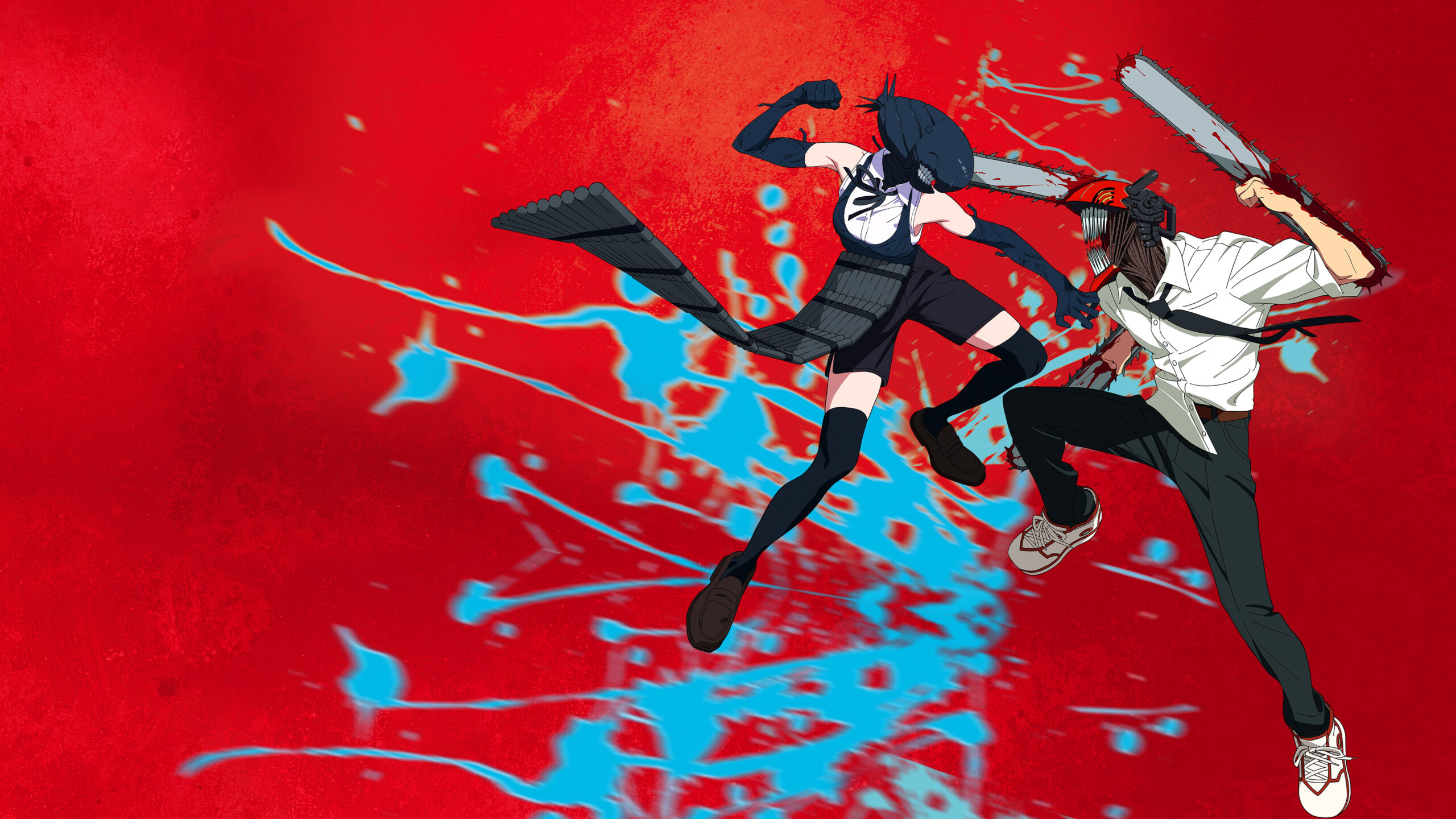
A significant factor in the film’s success is the superlative animation delivered by MAPPA. The studio’s commitment to visual excellence is evident in every frame, particularly in the fluidity of movement during action sequences, the constant, dazzling explosions that punctuate the battles, and the seamless, often gruesome, transformations of devils. MAPPA’s animators provide a true spectacle, crafting a series of astonishing sequences that are both technically brilliant and emotionally impactful. The dynamic choreography of fights, the intricate detail in character designs, and the immersive environmental effects collectively contribute to a visually stunning cinematic experience that elevates the already high standards set by the television series.
Kazutaka Sugiyama’s character design for Reze, in particular, proves exceptional. Her portrayal maintains a consistent sensualism throughout the film; often fighting in her underwear, she emits a potent mix of allure, paranoia, and lethal danger with every movement and line of dialogue. This deliberate design choice amplifies her role as a femme fatale, a figure of both desire and destruction. The film’s visual imagination becomes increasingly unrestrained as the narrative progresses, integrating fantastical elements such as the Shark Devil Beam’s shark-riding sequences, massacres depicted with unflinching brutality, and the ethereal presence of the Angel Devil. These elements coalesce into a striking audiovisual blend that is uniquely Chainsaw Man. The sound design, complementing the visuals, is equally impactful, with the cacophony of explosions, the visceral sounds of combat, and the subtle atmospheric cues immersing the audience deeper into the chaotic world.
Box Office Performance and Industry Implications
The financial triumph of "Chainsaw Man – The Movie: Reze Arc" is a testament to the franchise’s formidable global reach. Its worldwide gross of over $174.7 million by December 2025 positions it among an elite group of Japanese animated films. While specific comparative data for 2025 would be speculative, this figure places it in conversation with historical anime box office giants like "Demon Slayer: Kimetsu no Yaiba – The Movie: Mugen Train" (which surpassed $500 million globally), "Spirited Away," and "Your Name." This success reaffirms the growing trend of adapting popular anime arcs into feature films, demonstrating that audiences are willing to pay for premium, cinematic expansions of their beloved series.
The film’s performance has significant implications. For the Chainsaw Man franchise, it solidifies its commercial viability beyond the television series and manga, opening avenues for potential future cinematic adaptations of subsequent arcs. For MAPPA, it reinforces their reputation as a leading animation studio capable of delivering both critical and commercial hits, further enhancing their standing in the highly competitive anime industry. More broadly, the film’s success contributes to the burgeoning global market for Japanese animation, showcasing its capacity to transcend cultural barriers and achieve mainstream popularity. This trend encourages further investment in high-quality anime production, potentially leading to more ambitious projects and a wider array of content for international audiences.
Critical Reception and Fan Engagement
Upon its release, "Chainsaw Man – The Movie: Reze Arc" received generally positive reviews from critics, who lauded its breathtaking animation, intense action sequences, and faithful adaptation of a fan-favorite arc. Reviewers frequently highlighted MAPPA’s ability to maintain the source material’s distinctive tone, balancing its inherent darkness and gore with moments of unexpected humor and profound emotional depth. The performances of the voice cast, both in Japanese and dubbed versions, were also praised for their nuanced portrayals of complex characters.
Fan reception was overwhelmingly enthusiastic. Social media platforms buzzed with discussions about the film’s fidelity to the manga, the spectacular animation, and the emotional impact of Denji and Reze’s tragic romance. Many fans expressed satisfaction with the decision to dedicate a full feature film to this arc, appreciating the opportunity for a more expansive and detailed exploration of its narrative beats compared to what might have been possible within a television series format. The film’s ability to deliver on the high expectations set by both the manga and the first season of the anime underscored its success in engaging its core audience.
The Film’s Climax and Lasting Impact
The film’s ending initially navigates towards more conventional dramatic paths, with Reze’s backstory providing a glimpse into her motivations. While this section feels somewhat rushed and momentarily disconnected from the preceding frenetic action, it aims to imbue her character with a degree of tragic pathos. However, consistent with the unpredictable and often brutal nature of Chainsaw Man, this conventional tone is temporary. The finale ultimately proves fitting, satisfying, and particularly dramatic, eschewing easy resolutions for a conclusion that reinforces the franchise’s themes of sacrifice, manipulation, and the persistent struggle for self-determination in a world governed by primal fears.
Overall, "Chainsaw Man – The Movie: Reze Arc" stands as an excellent cinematic entry that not only expands upon the series’ eccentric ideas and distinctive aesthetics but also solidifies its place as one of the most accomplished and impactful productions in its category. It serves as a powerful testament to the creative vision of Tatsuki Fujimoto and the exceptional animation prowess of MAPPA, further cementing Chainsaw Man‘s legacy as a groundbreaking and enduring force in contemporary Japanese animation. The film’s success promises a bright future for the franchise, indicating that the world of devils, devil hunters, and the enigmatic Chainsaw Man will continue to captivate audiences for years to come.