The highly anticipated Once Upon a Time in Hollywood spin-off, The Adventures of Cliff Booth, is generating significant discussion online, prompting a crucial question: does current tracking data indicate a genuine broad audience demand for Brad Pitt’s return to the big screen, particularly given its reported August release and potential theatrical window? This query takes on added weight as Netflix, traditionally a streaming-first platform, navigates an evolving landscape of content distribution and audience engagement. Early insights from market analytics firm Greenlight Analytics offer a nuanced perspective on the film’s pre-release trajectory, highlighting strong core fan interest despite fluctuating general awareness.
Project Genesis and High Expectations
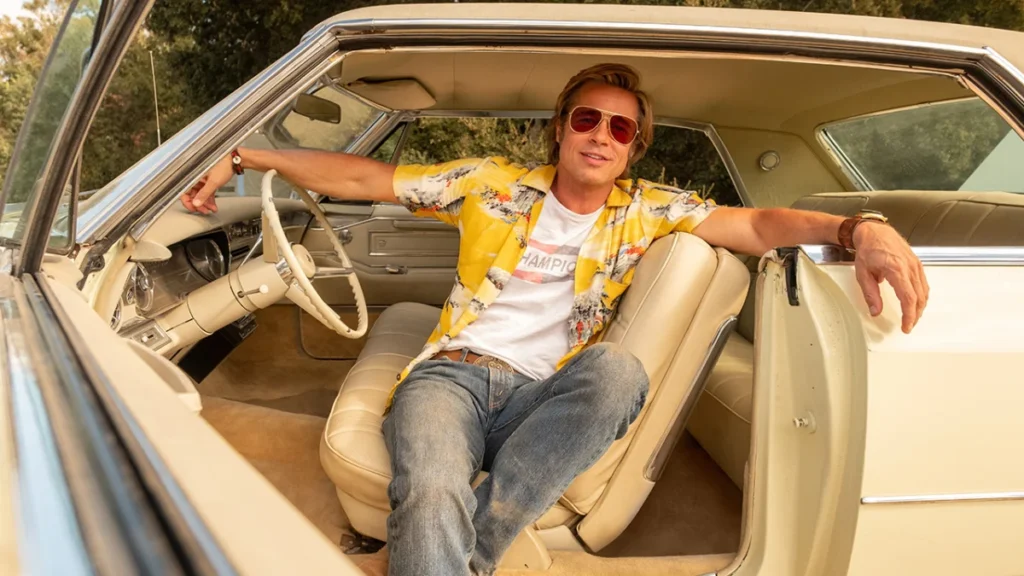
The Adventures of Cliff Booth emerged from the critically acclaimed and commercially successful 2019 Quentin Tarantino film, Once Upon a Time in Hollywood. Tarantino’s ninth feature film, a nostalgic ode to late 1960s Los Angeles and the golden age of Hollywood, earned widespread praise for its performances, direction, and screenplay, securing ten Academy Award nominations and winning two, including Best Supporting Actor for Brad Pitt’s portrayal of Cliff Booth. Pitt’s character, the laconic, effortlessly cool stunt double and best friend to Leonardo DiCaprio’s Rick Dalton, quickly became a fan favorite, embodying a bygone era of Hollywood machismo and loyalty. The idea of a spin-off centered on Booth’s exploits, potentially delving deeper into his mysterious past or continuing his adventures post-Once Upon a Time in Hollywood, has been a topic of fervent speculation among cinephiles since the original film’s release.
The official acknowledgment of The Adventures of Cliff Booth during the recent Super Bowl, a prime advertising slot, signaled Netflix’s serious intent for the project. Further bolstering its prestige is the attachment of celebrated director David Fincher, known for his meticulous craftsmanship and dark, psychologically complex thrillers such as Se7en, Fight Club, and The Social Network. Fincher’s reunion with Brad Pitt, following their collaborations on Se7en, Fight Club, and The Curious Case of Benjamin Button, adds another layer of anticipation, promising a film that combines Tarantino’s established character with Fincher’s distinctive directorial vision. With a reported August 2026 release date, the film is positioned as a major tentpole for Netflix, raising questions about its distribution strategy, particularly the rumored theatrical component.
Tracking Audience Sentiment: Insights from Greenlight Analytics
To understand the public’s appetite for The Adventures of Cliff Booth, we consulted exclusive tracking data from Greenlight Analytics, a firm specializing in audience insights for the entertainment industry. A few months prior, Greenlight Analytics’ data on Netflix’s 2026 movie slate had identified Denzel Washington’s Here Comes The Flood as the most anticipated upcoming release, but The Adventures of Cliff Booth emerged as a significant point of interest for dedicated film enthusiasts. Brandon Katz, Director of Insights & Content Strategy at Greenlight Analytics, provided a detailed breakdown of the latest findings, offering clarity on the film’s current standing among potential viewers.
Navigating the Awareness Landscape: A Common Fluctuation
One of the initial metrics examined is general audience awareness. The raw data indicates a slight dip in overall awareness for The Adventures of Cliff Booth, moving from 15% in December 2025 to 13% in March 2026. While a decline might initially seem concerning, Katz emphasizes that such fluctuations are a normal part of the pre-release cycle, especially for films still months away from their debut and with limited marketing efforts.
"It is not uncommon for films with minimal marketing months out from release to see Awareness scores fluctuate," Katz explains. "This is especially true for streaming-exclusive movies, and doubly so for titles that don’t even have an official release date yet." This observation highlights a fundamental challenge in the streaming era: without the traditional, sustained marketing campaigns associated with major theatrical releases, awareness for streaming titles often remains tethered to intermittent news cycles or targeted promotions.
Katz also shared an insightful industry anecdote regarding high-profile advertising events: "The ugly secret of Super Bowl movie trailers is that they rarely lead to any sustained lifts. There’s no reason to worry just yet." This suggests that while a Super Bowl spot generates immediate buzz, its long-term impact on general awareness can be surprisingly limited without subsequent, consistent marketing. In the case of The Adventures of Cliff Booth, the lack of an easily accessible, high-quality version of the Super Bowl teaser online further complicates sustained awareness growth. Netflix is reportedly planning a more comprehensive marketing blitz closer to the release, which will be crucial for broadening the film’s reach beyond its core fanbase.
The "In-The-Know" Crowd: A Strong Core of Interest
Despite the modest general awareness, the conversion rate among those who are aware of The Adventures of Cliff Booth is exceptionally strong. A remarkable 71% of individuals familiar with the project express interest in seeing it. This metric, known as "Interest Among Aware" (IAA), is a key indicator of a film’s potential to galvanize its existing fanbase and suggests that those who know about the spin-off are genuinely excited.
Katz considers a 71% IAA score to be very healthy. He notes, "This compares well to other recent Netflix originals in their week of release, such as Frankenstein (70%), The Rip (72%), and Jay Kelly (72%), but behind Wake Up Dead Man: A Knives Out Story (80%)." The comparison to other Netflix originals, particularly one like Wake Up Dead Man, which leverages an established and beloved mystery franchise, underscores the strength of Cliff Booth’s appeal among its target demographic. This high IAA suggests that the creative pedigree—Tarantino’s character, Fincher’s direction, and Pitt’s star power—is resonating powerfully with discerning film fans.
However, Katz tempers this enthusiasm with a crucial caveat: high interest within a small group does not automatically translate into a massive mainstream hit. "Its reach is not yet broad enough. The key to watch for is whether it can maintain a 70-plus IAA score while pushing its Awareness above the 25%-35% range where many Netflix originals fall," he advises. For comparison, wide-release theatrical films typically aim for a floor of around 40% awareness to ensure a robust opening weekend. This indicates that while the film has a dedicated base, Netflix faces the challenge of expanding that base significantly to maximize its impact, whether on streaming or in theaters.
Premium Fee Intent: Young Men Leading the Charge

The data on "premium fee intent"—the willingness to pay for a theatrical ticket or a Video On Demand (VOD) rental—reveals a significant demographic trend: men under 35 are overwhelmingly driving this demand. This demographic shows a 45% premium fee intent, a notable 13 points higher than women under 35, who sit at 32%. This disparity is a strong indicator of the film’s primary target audience and the efficacy of its creative components in appealing to them.
Katz unequivocally attributes this demographic lean to "the trifecta of Quentin Tarantino’s Once Upon a Time in Hollywood, David Fincher, and Brad Pitt." Each of these names carries a distinct resonance, particularly within a male-dominated segment of film fandom. Tarantino is celebrated for his stylish, often violent, and pop-culture-infused narratives that frequently appeal to this demographic. Fincher’s reputation for dark, intelligent thrillers and meticulous filmmaking similarly attracts a discerning, often male, audience. Brad Pitt, a perennial leading man, has a long history of starring in critically and commercially successful films that cater to this group.
Beyond the specific creative team, Greenlight Analytics’ broader data consistently shows that men under 35 are among the most passionately engaged film fans in the U.S. and, crucially, the most likely to spend money on film across any format. "Continuing this contemporary cult classic with another beloved filmmaker on the default streamer is practically catnip for this demo (and I count myself among them!)," Katz adds, underscoring the perfect storm of elements that position The Adventures of Cliff Booth as a must-see for this valuable demographic.
The Theatrical Conundrum: A Strategic Crossroads for Netflix
Netflix has historically maintained a cautious approach to wide theatrical releases, preferring to debut most of its original films directly on its streaming platform. This strategy has occasionally been modified for prestige films, particularly those vying for awards, with limited theatrical runs designed to qualify for Oscar consideration. However, the data for The Adventures of Cliff Booth presents a compelling argument for a broader theatrical play. Men show a 29% theatrical intent, compared to 24% for women, suggesting a notable segment of the audience would prefer to experience this film on the big screen.
Given the reported "above-the-line costs" for The Adventures of Cliff Booth—referring to the significant expenses for talent (actors, directors, producers) and rights—a theatrical release could be a viable strategy for achieving a monetary return on investment (ROI). Katz acknowledges this, stating, "Given the reported above-the-line costs alone for The Adventures of Cliff Booth, it might have been worth a theatrical release for an attempt at monetary ROI."
However, the decision is not straightforward. The overall theatrical intent currently stands at a modest 26%, which, as Katz points out, "doesn’t scream urgent box office demand." This creates a chicken-and-egg scenario: is the low theatrical intent a reflection of genuine disinterest in seeing it in theaters, or is it a direct consequence of the lack of a traditional, robust marketing campaign that typically precedes a major cinematic release? Without such a campaign, audiences may not perceive the film as a "must-see" theatrical event.
Katz outlines the arguments for and against a theatrical run based on the available data:
-
Arguments for a Theatrical Run:
- Strong Niche Appeal: The high IAA score (71%) indicates a dedicated core audience eager to see the film. If this segment can be mobilized for theaters, it could provide a solid base.
- Demographic Alignment: The significant premium fee intent (45%) and theatrical intent (29%) among men under 35, a demographic known for theatrical spending, aligns perfectly with the film’s artistic pedigree. This group actively seeks out films from Fincher, Tarantino, and Pitt.
- Brand Prestige: A theatrical release, even a limited one, could elevate the film’s perceived prestige and quality, attracting more critical attention and potentially boosting its long-term viewership on Netflix. It could position The Adventures of Cliff Booth as an event film rather than just another streaming title.
- Monetary Recoupment: For a high-budget production, a theatrical run offers a direct revenue stream that could offset production costs, something Netflix has historically forgone for most originals.
-
Arguments Against a Theatrical Run / Challenges:
- Low Overall Awareness: The current 13% general awareness is far below the threshold typically required for a successful wide theatrical release (usually around 40%). A significant and costly marketing push would be needed to bridge this gap.
- Modest Overall Theatrical Intent: The 26% overall theatrical intent, while not insignificant, doesn’t suggest a widespread clamor for a cinema experience. Without substantial marketing to shift this, box office performance could be disappointing.
- Netflix’s Core Business Model: Netflix’s primary value proposition is convenience and immediate access. A theatrical window, particularly an exclusive one, could contradict this and potentially frustrate subscribers who expect to watch new originals at home.
- Marketing Investment: A traditional, wide theatrical release demands a substantial marketing budget for trailers, billboards, TV spots, and publicity tours. This additional investment might not align with Netflix’s strategic priorities for all its high-budget projects.
Ultimately, a successful theatrical release for The Adventures of Cliff Booth would necessitate a comprehensive, expensive marketing push designed to significantly raise general awareness and theatrical intent across all demographics. Without such an investment, a theatrical run risks underperforming.
Netflix’s Evolving Distribution Strategy and Industry Implications
Netflix’s decision regarding The Adventures of Cliff Booth will be closely watched, as it could signal a further evolution in the streamer’s distribution strategy. The company has experimented with various models, from simultaneous streaming/theatrical releases to limited runs for awards contention. Recent pushes for titles like Stranger Things, One Piece, KPOP Demon Hunters, and Narnia (reportedly for Thanksgiving 2026) suggest a willingness to explore new and "stunty" distribution tactics to maximize impact and engagement.
For The Adventures of Cliff Booth, Netflix faces a strategic choice: treat it as a more traditional theatrical offering, akin to its awards-season pushes for films like Roma or The Irishman, or pursue a more innovative, event-based theatrical strategy. The former would require a significant, sustained marketing campaign on par with major studio releases, while the latter might involve more targeted, limited-engagement events designed to cater to its passionate core fanbase.
The outcome for The Adventures of Cliff Booth could have broader implications for the entertainment industry. It will serve as a test case for how valuable established IP, directorial prestige, and star power truly are in driving theatrical attendance for a project originating from a streaming giant. Furthermore, it will inform the ongoing debate about the optimal balance between streaming accessibility and the communal, premium experience of cinema. As the August release approaches, the industry will be keenly observing whether Netflix can successfully leverage the film’s considerable artistic merits and niche appeal to translate online buzz into tangible audience engagement, both on screens big and small. The data suggests the potential is there, but realizing it will depend heavily on strategic execution in the coming months.