The 2026 Indian Film Festival of Los Angeles (IFFLA) once again served as a pivotal platform for diverse cinematic narratives, with one short film, "Hidden Sun," garnering significant attention for its profound exploration of emotion, intimacy, and the transformative power of art. Written and directed by Shuchi Talati, from a compelling story by Monona Wali, the film delves into the often-unspoken complexities of long-term relationships and the potential for dormant passions to reignite. Its presentation at IFFLA underscores the festival’s commitment to showcasing thought-provoking cinema that transcends geographical and cultural boundaries, offering a global stage for unique voices.
The Thematic Core: Flamenco as a Catalyst for Reawakening
At the heart of "Hidden Sun" lies flamenco, an art form widely recognized for its raw, visceral intensity. Often described as a deeply emotional expression, flamenco channels universal feelings of love, sorrow, joy, and longing, capable of forging a spiritual connection between performer and observer. These fundamental tenets are expertly woven into the fabric of Talati’s film, serving not merely as a backdrop but as a potent catalyst for the narrative’s central conflict and resolution. The film opens with a mesmerizing flamenco performance, introducing the audience to Mako, a solitary dancer whose impassioned movements command attention. A subtle interplay of light above her and an evocative sculpture behind her conjures the image of a "hidden" or "extinguished" sun, a metaphor that resonates deeply with the film’s core themes. This visual allegory directly applies to the film’s protagonists: an astrophysicist professor and his wife, an ethics professor, both visibly captivated by Mako’s performance. Their academic disciplines, rooted in logic and reason, starkly contrast with the unbridled emotion of flamenco, setting the stage for an experience that will profoundly ripple through their seemingly ordered lives. The central question posed by the film, and indeed by the very presence of flamenco, is whether this intense artistic encounter can rekindle the smouldering embers of passion within their long-standing marriage.
Unpacking the Narrative: Intellectualism Versus Sensuality
As the story of "Hidden Sun" unfolds, it becomes increasingly clear that Mako, portrayed by the talented Mieko Harada, has stirred something elemental within both professors. The choice to depict the protagonists as academics is deliberate and crucial to the film’s thematic depth. It subtly suggests a life perhaps overly intellectualized, where the fundamental, simple pleasures of the senses may have been sidelined or even forgotten. This intellectual detachment creates a fertile ground for Mako’s disruptive, yet ultimately revitalizing, influence. Rather than precipitating a clichéd midlife crisis, Mako’s presence inspires a resurgence of sensuality in both individuals. Initially, the film skillfully plays with ambiguity, leaving the audience to ponder whether Mako’s sudden appearance in their lives poses an existential threat to the married couple, potentially leading to implosion, or if she is merely a conduit for their internal reawakening.
The film masterfully leverages this ambiguity through several key scenes. Both the husband and wife meet Mako separately after the performance, each confronted with her uninhibited sensuality and direct allusions to intimacy. These encounters are not overtly dramatic but are charged with unspoken tension and nascent desire. Talati’s direction employs sober, yet highly effective, depictions of their domestic life, revealing a relationship characterized by excessive tidiness and organization. This meticulously ordered existence serves as a clear visual metaphor for their emotional and, perhaps more pointedly, their sexual lives – structured, predictable, and devoid of spontaneous passion. The film subtly conveys that despite years together, genuine intimacy might have eluded them, which is precisely the poignant insight "Hidden Sun" aims to explore.
Director’s Vision and Cinematic Craft
One of "Hidden Sun’s" most commendable achievements lies in its exceptional ability to convey complex emotional states visually, minimizing reliance on explicit dialogue. This sophisticated approach is evident in Mako’s flamenco performance itself, which is presented as complex yet fluid, rigorously controlled yet profoundly free. This duality mirrors the internal struggles and burgeoning liberation of the academic couple. Shuchi Talati’s direction is similarly understated but remarkably effective. Within its concise runtime of approximately 20 minutes, the film manages to capture and articulate a vast spectrum of intricate emotions, a testament to her precise vision and narrative economy. The visual storytelling becomes paramount, allowing gestures, expressions, and the atmosphere itself to speak volumes where words might fall short. This stylistic choice enhances the film’s immersive quality, drawing the audience into the characters’ unspoken dilemmas and desires.
Performances That Resonate with Quiet Intensity
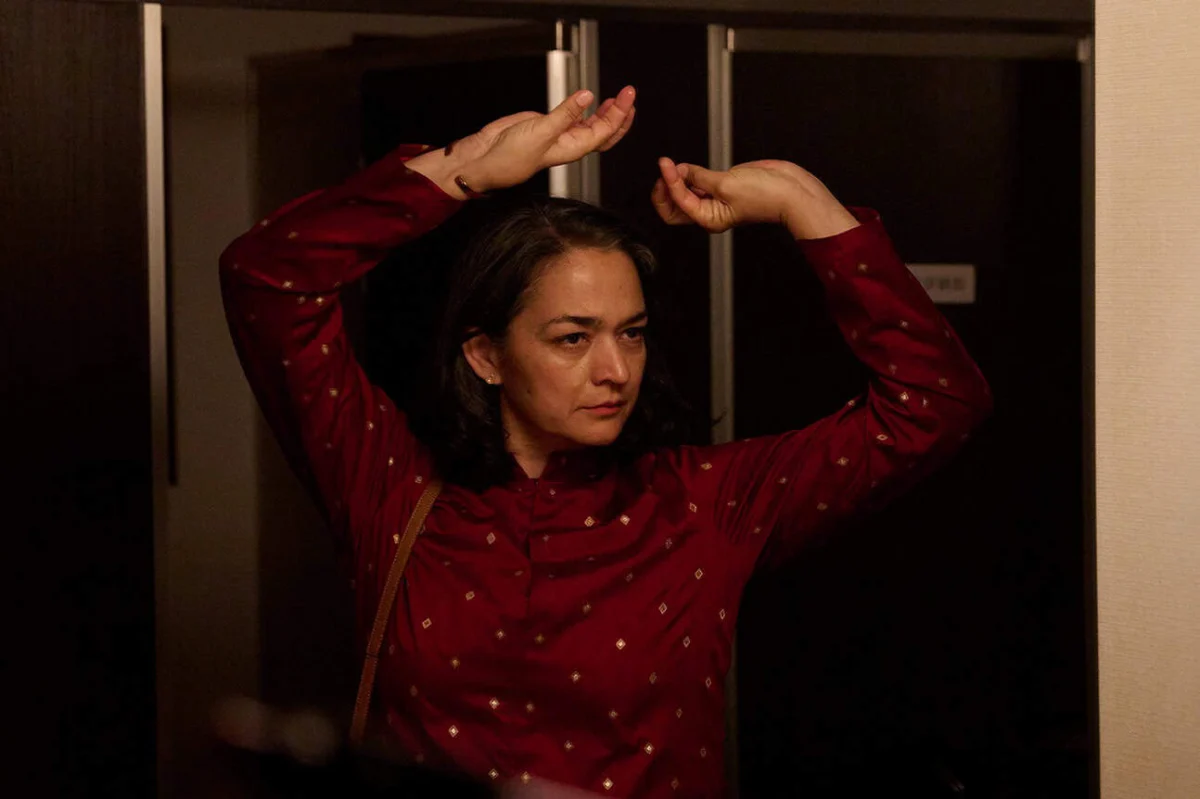
The success of "Hidden Sun" is significantly bolstered by the compelling performances of its lead actors, Kazuki Kitamura and Samiya Mumtaz, who portray the academic couple. Both actors deliver nuanced portrayals, quietly expressing the timid longings that gradually begin to resurface from a long-forgotten place within their souls. Their performances are marked by a delicate balance of intellectual restraint and burgeoning emotional vulnerability. A particularly poignant scene involves their moment to communicate their reawakened feelings through dance. This sequence, fraught with potential awkwardness, is handled with remarkable grace and authenticity by Kitamura and Mumtaz. Their ability to convey genuine emotion through movement, rather than practiced choreography, makes the scene deeply moving and believable.
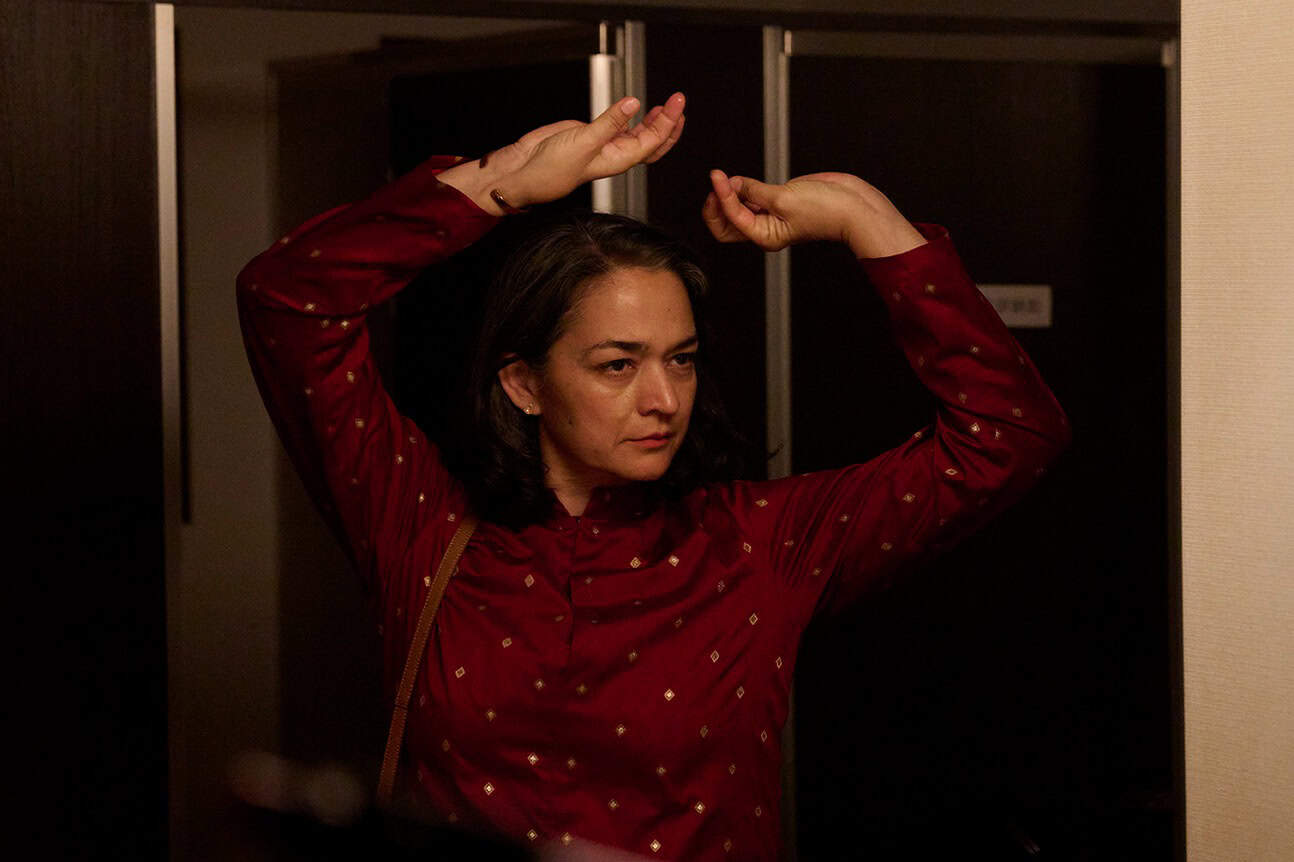
The film subtly suggests a shared experience between the characters and the audience. Viewers, too, might find themselves identifying with the professors’ initial restraint and timidity, perhaps feeling a similar self-consciousness when confronted with scenes that allude to unconventional intimacy, such as possible threesomes between older adults, or, perhaps even more universally awkward, the profound vulnerability of opening oneself up through unpolished, ungainly dancing. This shared human experience fosters a powerful connection, leading the audience to ponder whether they, too, possess "hidden suns" – dormant passions and desires – that demand attention and rekindling.
The Indian Film Festival of Los Angeles (IFFLA): A Beacon for South Asian Cinema
"Hidden Sun’s" selection and premiere at the 2026 Indian Film Festival of Los Angeles is significant. IFFLA, established in 2003, has grown into one of North America’s most influential and respected film festivals dedicated to showcasing the best of South Asian and diaspora cinema. Its mission extends beyond mere exhibition; it actively seeks to build a stronger public awareness and appreciation for Indian and South Asian films and culture, while also fostering an understanding of the independent film movement within these regions. Over two decades, IFFLA has become a crucial launchpad for emerging talent and a vital platform for established filmmakers to connect with a diverse global audience.
The festival typically features a curated selection of features, documentaries, and short films, representing a wide array of genres and languages from India, Pakistan, Bangladesh, Sri Lanka, Nepal, and the diaspora. The programming often reflects contemporary social, political, and cultural themes, providing a window into the multifaceted experiences of South Asians worldwide. For films like "Hidden Sun," which explores universal human emotions through a unique narrative lens, IFFLA offers unparalleled visibility and critical engagement. The festival’s location in Los Angeles, the global entertainment capital, further amplifies its impact, attracting industry professionals, critics, and film enthusiasts.
IFFLA 2026: A Landmark Edition
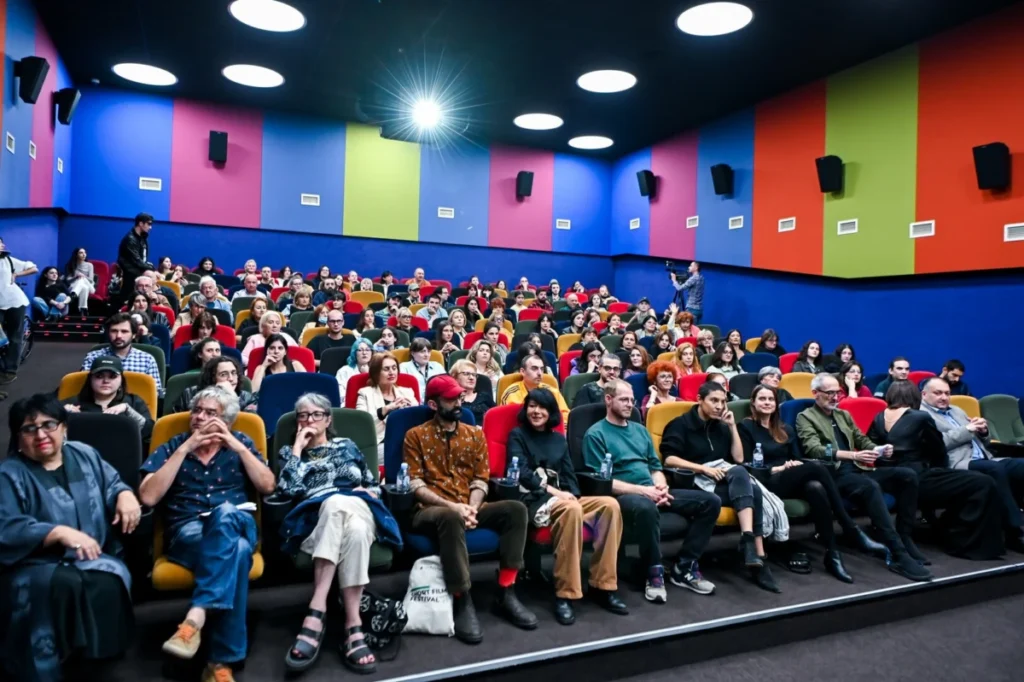
The 2026 edition of IFFLA continued its tradition of excellence, presenting a robust lineup of films that challenged conventions and celebrated artistic innovation. The festival’s programming committee, renowned for its rigorous selection process, evaluates hundreds of submissions annually to curate a slate that is both culturally rich and artistically compelling. Films are chosen not only for their technical merit and storytelling prowess but also for their ability to spark dialogue and offer fresh perspectives. The inclusion of "Hidden Sun" in the 2026 shorts program speaks volumes about its quality and its resonance with IFFLA’s curatorial vision, which often champions stories that explore identity, relationships, and societal change. The festival’s typical structure involves multiple screenings, Q&A sessions with filmmakers, industry panels, and networking events, all designed to foster a vibrant cinematic community and facilitate the exchange of ideas. The buzz surrounding "Hidden Sun" at the 2026 festival highlights the discerning taste of IFFLA’s audience and its continued success in identifying films that leave a lasting impression.
The Broader Impact of Short Films in the Festival Circuit
While feature films often dominate headlines, short films like "Hidden Sun" play an indispensable role in the film festival ecosystem. They serve as a vital testing ground for emerging directors, writers, and actors, allowing them to experiment with form and content without the immense financial pressures of a full-length production. Short films also offer concise, impactful narratives that can often explore complex themes with greater economy and focus. For festivals like IFFLA, a strong shorts program is crucial for identifying future talent and providing a platform for diverse storytelling that might not find an immediate home in mainstream cinema. Many acclaimed feature filmmakers began their careers with award-winning shorts, using them as calling cards to demonstrate their unique voice and directorial capabilities. "Hidden Sun," with its sophisticated narrative and understated direction, exemplifies the artistic potential and significant cultural contribution of the short film format. Its selection at IFFLA not only brings recognition to its creators but also underscores the festival’s dedication to nurturing the next generation of cinematic storytellers.
Cultural Dialogue and Global Implications
"Hidden Sun" transcends its specific cultural setting by tapping into universal human experiences: the ebb and flow of passion in relationships, the tension between intellectual pursuit and emotional fulfillment, and the quest for self-discovery at any age. While flamenco has deep Spanish roots, its emotional language is globally understood, making it an ideal vehicle for the film’s cross-cultural appeal. The film’s exploration of intimacy and vulnerability in an older couple challenges conventional cinematic portrayals, offering a refreshing and much-needed perspective on mature relationships. This thematic depth contributes to a broader cultural dialogue about societal expectations, personal freedom, and the enduring human need for connection and passion.
By presenting such a nuanced and emotionally resonant film, IFFLA continues to solidify its reputation as a festival that not only celebrates South Asian cinema but also contributes meaningfully to the global cinematic landscape. "Hidden Sun" serves as a powerful reminder that art, in its purest form, can ignite introspection, provoke dialogue, and ultimately, inspire individuals to attend to their own "hidden suns," fostering a deeper connection with themselves and their loved ones. Its journey from concept to screen, culminating in its successful presentation at a prestigious festival like IFFLA, exemplifies the enduring power of storytelling to illuminate the human condition.