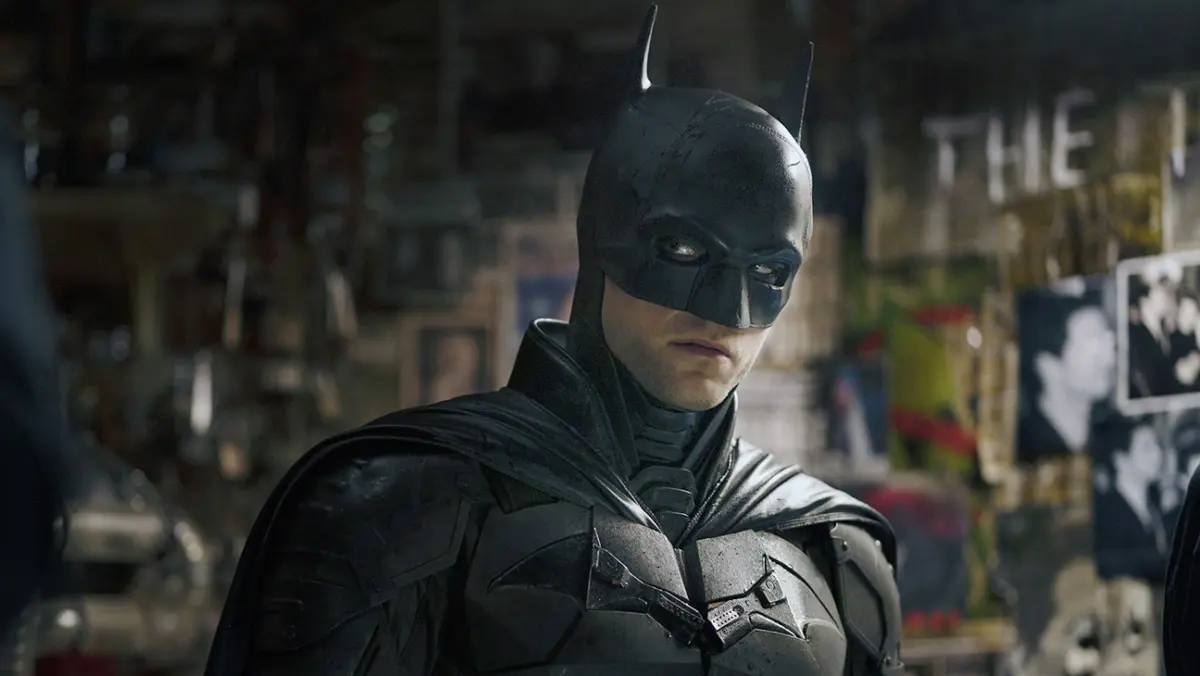
The production of one of the most anticipated sequels in the DC Universe, The Batman Part II, has undergone a rare and high-profile leadership adjustment that has drawn praise from the film’s lead star. Robert Pattinson, who reprises his role as the titular caped crusader, recently broke his silence regarding the temporary hand-off of directorial duties from Matt Reeves to the acclaimed filmmaker Steven Soderbergh. This development, which arose following an urgent personal family matter for Reeves, has sparked a significant conversation within the industry about collaboration, creative integrity, and the logistical agility of major studio tentpole productions.
The transition, which was confirmed earlier this month, is unique in its design. Rather than a total replacement of the director, the production has implemented a tandem system: while Reeves manages post-production and creative oversight from Los Angeles, Soderbergh is overseeing the completion of principal photography on location in London. According to industry insiders, the film is approximately two-thirds complete, making this an critical juncture for the production team to maintain the visual and tonal continuity established in the 2022 predecessor.
The Genesis of the Collaborative Shift
The logistical pivot was initiated when Matt Reeves, the architect of the current iteration of the Batman franchise, was forced to step away from the physical set in London to address a pressing family situation in California. Given the scale of a DC Studios production—which involves hundreds of crew members, complex logistical arrangements, and a rigid shooting schedule—the studio faced a difficult decision: pause production indefinitely or find a surrogate capable of upholding the vision Reeves had meticulously crafted.
In an era where directorial changes often signal "creative differences" or production turmoil, the selection of Steven Soderbergh was an intentional choice meant to signal stability. Soderbergh, known for his technical efficiency and ability to adapt to varying genre styles—ranging from the heist aesthetics of Ocean’s Eleven to the clinical, grounded intensity of Contagion—was seen as the ideal candidate to serve as a custodian of Reeves’ vision.
Robert Pattinson’s Perspective
Speaking during the promotional circuit for his recent project Primetime, Robert Pattinson expressed profound gratitude for the situation. His remarks underscore a sense of camaraderie that is often unseen in the high-pressure environment of superhero blockbusters.
"I am so happy he’s come on to help Matt," Pattinson stated during the interview. "It’s incredibly generous of him, and he’s doing it in the loveliest way. It’s completely selfless."
Pattinson’s comments highlight the collaborative spirit that has defined this production. He emphasized that the screenplay and the stylistic roadmap for the film were largely locked in by Reeves before his departure. "I think Matt had put so much work into the script, and we’re almost done. So for someone to come in and say, ‘I just want to help Matt do it; I want to do it in conjunction with him and just get it to the edit.’ And to have someone who’s as talented as Steven doing it is great."
The actor’s endorsement serves as a reassurance to fans that the transition has not derailed the film’s core identity. By emphasizing that the work is being done "in conjunction" with Reeves, Pattinson effectively managed potential concerns regarding the movie’s creative consistency.
The Mechanics of the Tandem Directorship
The arrangement between Reeves and Soderbergh represents a sophisticated model of film production. In professional terms, this is not a takeover; it is a specialized operational split. Reeves remains the primary creative authority, maintaining a continuous dialogue with the London set via digital collaboration tools and daily rushes.
Soderbergh’s specific brief is to execute the remaining scenes with the same rigor that defined the first installment. In a rare public statement regarding his involvement, Soderbergh expressed deep admiration for the project. "I thought Matt Reeves’ work on The Batman was stunning; it was intentional, specific, and rigorously coherent," Soderbergh remarked. "The goal here is to work with Matt and his team to generate footage that will integrate seamlessly with what’s already been shot so Matt can properly finish his film."
This statement is particularly significant because it publicly reaffirms the hierarchy of the production. For DC Studios, having a director of Soderbergh’s stature openly acknowledge the importance of the original director’s vision is a vital step in maintaining public and stakeholder confidence.
Timeline and Production Context
The production of The Batman Part II has been a centerpiece of the DC Studios slate, aimed at building upon the critical and commercial success of the 2022 film, which grossed over $770 million globally and was lauded for its noir-inspired approach to the character.
- Phase 1 (Early 2026): Principal photography commenced in London, establishing the gritty, Gotham-inspired world.
- Phase 2 (Mid 2026): The production reached its two-thirds completion mark before the announcement of Reeves’ temporary absence.
- Phase 3 (Current): Steven Soderbergh joins the production team to oversee the remainder of principal photography.
- Post-Production (Upcoming): Reeves will resume total control of the editing suite and visual effects supervision in Los Angeles, integrating the footage captured by Soderbergh.
The inclusion of new cast members, specifically Scarlett Johansson and Sebastian Stan, has added a layer of complexity to the filming. Integrating high-profile talent into an established, high-stakes environment requires a steady hand, which is precisely why the studio sought a veteran like Soderbergh.
Broader Implications for Studio Filmmaking
The industry-wide reaction to this development has been largely positive, framing the move as a model for "graceful continuity." In the past, sudden directorial exits—such as those seen in other major franchises like Star Wars or various DC entries—often led to expensive reshoots, ballooning budgets, or significant tonal shifts.
By contrast, the "Soderbergh-Reeves" model suggests that major studios are becoming more adept at crisis management. By selecting a director who is a peer rather than a subordinate, the production maintains the integrity of the project. Furthermore, it highlights the changing nature of film sets in the post-pandemic era, where remote collaboration has become a standard, if not entirely seamless, practice.
For Robert Pattinson, the stability of this production is particularly notable given his current career trajectory. 2026 has been a banner year for the actor, with strong performances in The Drama, The Odyssey, and Primetime. His commitment to the Batman franchise, despite the behind-the-scenes shifts, signals a continued loyalty to the character of Bruce Wayne.
Looking Ahead
As production winds down in London and the team prepares for the intensive post-production phase, all eyes remain on the final product. Matt Reeves, through his social media channels, has been explicit in his intent to quell any rumors of a permanent departure. "Just to be clear, I am not leaving The Batman Part II," he wrote. "I am profoundly grateful to Steven for coming to my aid during this challenging time to help me finish principal photography."
The ultimate success of this collaboration will be measured by the film’s release. If the transition is as seamless as the cast and crew suggest, this event may serve as a historical footnote—a testament to the resilience of a production team dedicated to protecting a singular vision. For now, the narrative surrounding the film has shifted from one of potential concern to one of professional solidarity. With the production back in full swing, the focus returns to what matters most: the continuation of one of the most successful superhero sagas in modern cinema.