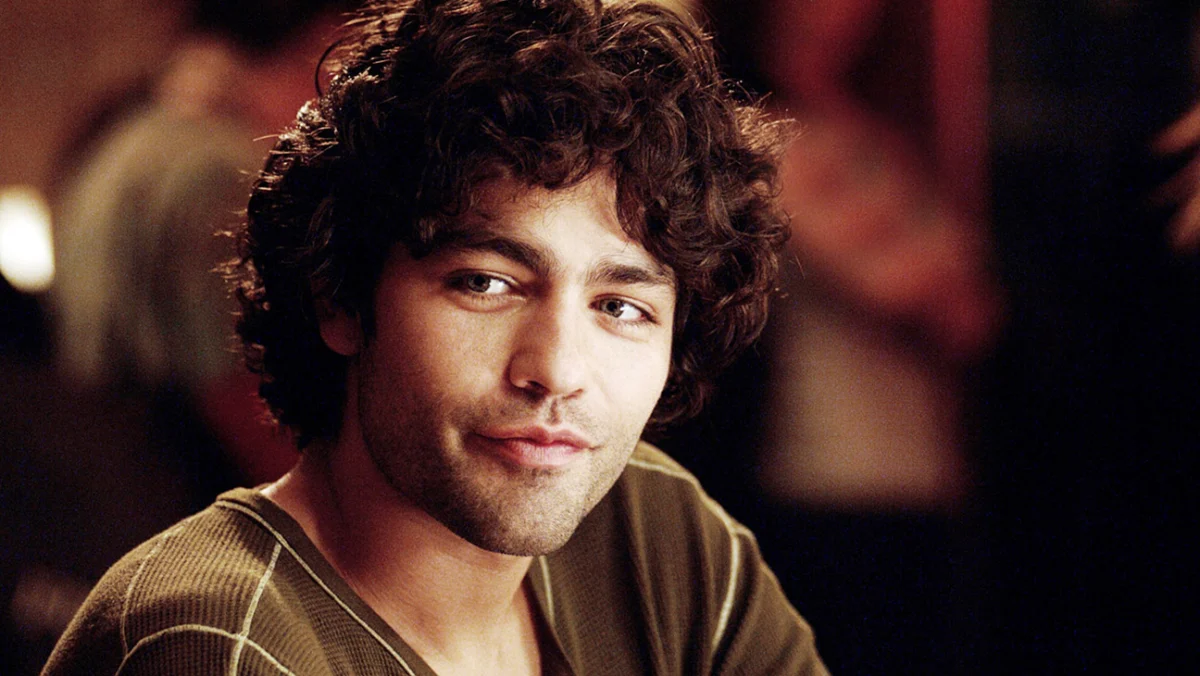
The highly anticipated sequel to the 2006 cinematic phenomenon, The Devil Wears Prada, is poised to captivate audiences once again, with its original stars Anne Hathaway, Meryl Streep, Stanley Tucci, and Emily Blunt reprising their iconic roles. However, a notable absence has become a focal point of discussion among fans and industry observers: Adrian Grenier, who portrayed Andy Sachs’s boyfriend, Nate, will not be returning. Director David Frankel, who also helmed the original film, has recently shed light on the circumstances surrounding Grenier’s exclusion, citing a confluence of production schedule constraints and the tight turnaround for the film’s release, while Grenier himself has previously acknowledged the public’s evolving perception of his character as a potential factor.
The original The Devil Wears Prada resonated deeply with audiences, becoming a cultural touchstone that explored the cutthroat world of high fashion, ambition, and personal sacrifice. Grossing over $326 million worldwide on a modest budget of $41 million, the film was a critical and commercial success. Meryl Streep’s portrayal of Miranda Priestly earned her an Academy Award nomination, and the film solidified the careers of Anne Hathaway and Emily Blunt, making them household names. The enduring popularity of the film, nearly two decades after its initial release, speaks volumes about its impact, setting high expectations for its follow-up, The Devil Wears Prada 2, which is slated for release on May 1.
The Original Film’s Enduring Legacy and Character Dynamics
To fully grasp the current discourse surrounding Adrian Grenier’s absence, it is essential to revisit the intricate character dynamics established in the 2006 original. The film centers on Andrea "Andy" Sachs (Anne Hathaway), a bright-eyed, aspiring journalist who inadvertently lands a job as a junior assistant to Miranda Priestly (Meryl Streep), the formidable editor-in-chief of Runway magazine. Andy’s journey from a fashion novice to a polished, albeit conflicted, professional forms the narrative backbone. Alongside her, Emily Charlton (Emily Blunt) provides comedic relief and a stark contrast in ambition, while Nigel (Stanley Tucci) serves as a wise, supportive mentor within the brutal industry.
Adrian Grenier’s character, Nate Cooper, was introduced as Andy’s seemingly supportive chef boyfriend. Their relationship was presented as a grounding force for Andy amidst the glamorous chaos of her new job. Initially, Nate is understanding of Andy’s demanding schedule and the sacrifices she makes. However, as Andy becomes increasingly immersed in Miranda’s world, adopting the fashion, lifestyle, and ruthless efficiency required, Nate’s patience wears thin. His character’s arc sees him grow increasingly critical of Andy’s dedication to her career, culminating in their breakup. He expresses a desire for the "old Andy" and resents the changes he perceives in her, particularly her growing professional ambition. This portrayal, while perhaps intended to highlight the personal costs of a high-pressure career, has, over time, been reinterpreted by a significant segment of the audience.
The Evolution of "Nate Backlash" in Pop Culture
What began as a relatively straightforward depiction of relationship strain in the face of career demands has, in the years following The Devil Wears Prada‘s release, evolved into a widespread cultural phenomenon dubbed "Nate backlash." Through social media platforms, fan forums, and countless online discussions, Nate Cooper has been increasingly scrutinized and, in many cases, vilified by viewers. Audiences, particularly younger generations re-watching the film, have re-evaluated his character through a contemporary lens, often deeming him unsupportive, self-absorbed, and even emotionally manipulative.
The core of the criticism against Nate revolves around his perceived inability to celebrate Andy’s professional success and his insistence that she prioritize their relationship and his expectations over her burgeoning career. Memorable scenes, such as his passive-aggressive comments about her work commitments or his birthday party ultimatum, have been dissected and condemned. Many viewers argue that Nate failed to understand the unique challenges and opportunities Andy faced, instead making her feel guilty for pursuing a demanding, yet ultimately transformative, professional path. This shift in public perception has led to Nate being labeled by some as the "real villain" of the film, an impediment to Andy’s growth rather than a loving partner. This robust, often humorous, but consistently critical online discourse has created a significant cultural footprint for the character, making any potential return a subject of intense fan speculation and debate.
A Chronology of Grenier’s Non-Return
The journey leading to Adrian Grenier’s confirmed absence from The Devil Wears Prada 2 has unfolded over several months, marked by official confirmations, personal reflections, and even a touch of self-deprecating humor.
-
July Confirmation (202X): The initial, official word regarding Grenier’s non-participation came in July when The Hollywood Reporter confirmed that the actor would not be reprising his role as Nate for the sequel. This announcement immediately sparked discussions among the film’s dedicated fanbase, given Nate’s pivotal, albeit controversial, role in Andy’s original narrative.
-
Grenier’s Initial Disappointment (Months Later): Following the official confirmation, Adrian Grenier himself addressed his exclusion in an interview with Page Six. He openly expressed his "disappointment" at not receiving the call to return for the sequel. Crucially, Grenier articulated his understanding that "there was some backlash with Nate, the character, so that might have something to do with it." This statement directly linked the prevailing negative public perception of his character to the decision-making process for the sequel, suggesting an awareness of the ongoing "Nate backlash."
-
Director Frankel’s Recent Clarification (Entertainment Weekly): More recently, director David Frankel provided his perspective in an interview with Entertainment Weekly. Frankel revealed that he had, in fact, "initially did consider having the Entourage star reprise his role." However, the logistical realities of film production ultimately proved insurmountable for even a brief appearance. Frankel stated, "I had an idea about sneaking him into a cameo, and in the end, it was just too late in our production schedule to make it happen." He further elaborated on the tight schedule, noting that the film completed principal photography "less than a month before its slated release date," leaving "no time" for last-minute additions or changes, including Grenier’s potential cameo. This explanation offers a concrete, production-oriented reason, distinct from the narrative-based considerations Grenier had previously cited.
-
The Humorous Starbucks Ad (Earlier This Month): Demonstrating a remarkable sense of humor and self-awareness, Grenier recently capitalized on his widely publicized non-return in a clever Starbucks advertisement. In the ad, he directly referenced the headlines, stating, "You might have seen the headlines – I wasn’t asked to be part of a certain sequel. But I’m good. Really. It’s all good energy." He then raised a toast to his former character, Nate, playfully acknowledging his flaws: "So a toast to Nate. He made a mean sandwich. He loved his girlfriend, to a point. He wasn’t perfect. So let’s leave Nate in 2006 and keep this good energy going." This ad was widely praised for its wit and Grenier’s ability to embrace the situation with grace, turning a potential setback into a relatable and engaging marketing moment.
-
Frankel’s Appreciation for the Ad (EW): Director Frankel, in his Entertainment Weekly interview, also commented on Grenier’s Starbucks ad, expressing his delight: "No, I probably shouldn’t say [what Nate would have done]. But, I think I’m thrilled that he did a Starbucks commercial, which was really funny and so self-effacing. I love the humility and the comedy of it!" This positive reaction from the director underscores a mutual respect and highlights Grenier’s deft handling of a potentially awkward situation.
This timeline illustrates a complex situation where logistical constraints, audience perception, and personal responses have all played a role in shaping the final cast of The Devil Wears Prada 2.
Director David Frankel’s Production Realities
David Frankel’s explanation for Adrian Grenier’s absence hinges on the often-unseen complexities of modern film production, particularly for a highly anticipated sequel with a tight schedule. As the director of both the original and the follow-up, Frankel possesses an intimate understanding of the material and the logistical demands. His revelation that he initially "had an idea about sneaking him into a cameo" suggests a creative openness to Grenier’s return, indicating that the decision was not necessarily driven by a desire to omit the character entirely.
However, the reality of film production schedules can be relentlessly unforgiving. Factors such as actor availability, location permits, crew schedules, and budget allocations are meticulously planned months, if not years, in advance. A "late stage" addition, even for a brief cameo, can trigger a cascade of logistical nightmares, including renegotiating contracts, re-filming scenes, or delaying post-production. Frankel’s statement that "it was just too late in our production schedule to make it happen" is a common refrain in Hollywood, reflecting genuine constraints rather than creative slight.
The director further emphasized the urgency of the production timeline, noting that the film "completed filming less than a month before its slated release date." This extremely tight post-production window — where editing, visual effects, sound mixing, and scoring must all be finalized — leaves virtually no room for reshoots or additional filming. In such a scenario, prioritizing the completion of the main narrative and ensuring the film meets its release deadline becomes paramount. Any deviation, even for a small cameo, could jeopardize the entire release schedule, incurring significant financial penalties and disappointing distributors and audiences alike. Therefore, while the idea of a Nate cameo might have been creatively appealing, the practicalities of a high-stakes film production ultimately dictated its impossibility. Frankel’s decision, in this context, appears to be a pragmatic one driven by the exigencies of filmmaking rather than a direct response to public sentiment regarding the character.
Broader Implications and Fan Engagement
The discussion surrounding Adrian Grenier’s absence from The Devil Wears Prada 2 extends beyond mere casting news, touching upon broader implications for character development, fan engagement, and the challenges inherent in crafting sequels to beloved films.
The Power of Fan Discourse: The "Nate backlash" phenomenon is a powerful testament to the evolving relationship between audiences and fictional characters in the age of social media. What might have been considered a nuanced portrayal of relationship challenges in 2006 has, nearly two decades later, been reinterpreted through a lens that champions female empowerment and critiques unsupportive male partners. This shift highlights how audience perspectives can evolve and how collective online sentiment can influence the perception, and potentially the future, of a character. While director Frankel’s official reason for Grenier’s absence is logistical, the fact that Grenier himself cited the backlash suggests that creators are increasingly aware of, and perhaps subtly influenced by, fan discourse.
Challenges of Long-Awaited Sequels: The Devil Wears Prada 2 faces the common challenge of sequels to cult classics: how to honor the original while also advancing the story and characters in a meaningful way. Fans often have strong, sometimes conflicting, ideas about where characters should be years later. Writing out a character like Nate, whether for logistical or narrative reasons, can streamline Andy’s continued journey, allowing for new romantic interests or a focus solely on her professional and personal independence, free from the constraints of her past relationship. This omission implicitly acknowledges the desire of many fans to see Andy thrive without a partner who previously seemed to hold her back.
Adrian Grenier’s Poised Response: Grenier’s handling of his exclusion, particularly through the Starbucks ad, offers a masterclass in professional grace and self-deprecating humor. Instead of expressing bitterness, he embraced the situation, leveraging the public conversation for a clever marketing campaign. This response not only endeared him to many but also subtly reinforced the widespread perception of Nate, effectively turning a potential negative into a positive public relations moment. His ability to acknowledge the "Nate backlash" without resentment demonstrates a maturity and understanding of how characters can take on a life of their own in the collective consciousness.
The Future for Andy Sachs: With Nate out of the picture, the sequel has an open canvas to explore Andy’s personal life without the shadow of her past relationship. Will she be single and thriving? Will she have found a new, more supportive partner? Or will the film focus primarily on her continued professional ascent and her complex relationship with Miranda Priestly? The absence of Nate allows for greater narrative flexibility and aligns with the modern audience’s desire to see female protagonists achieve success on their own terms, unburdened by perceived romantic obstacles.
As The Devil Wears Prada 2 prepares for its premiere, the conversation around Adrian Grenier’s absence serves as a microcosm of the larger themes the film itself explores: ambition, sacrifice, and the ever-evolving dynamics of personal and professional life. The return of Anne Hathaway, Meryl Streep, Stanley Tucci, and Emily Blunt promises a rich reunion, and the absence of Nate, whether due to scheduling or sentiment, paves the way for a fresh chapter in Andy Sachs’s compelling story. The cast’s appearance at the New York City premiere earlier this week, radiating excitement and camaraderie, only heightened anticipation for what promises to be a memorable cinematic event.