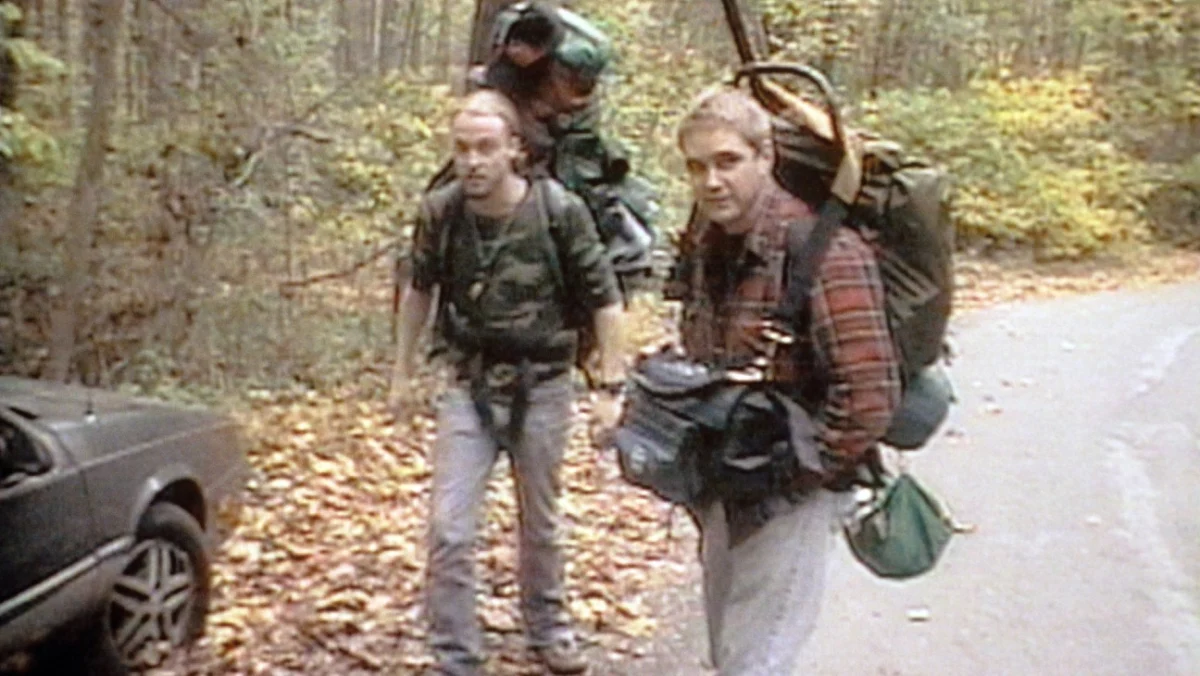
Lionsgate’s highly anticipated reimagining of The Blair Witch Project is moving forward with a significant development, bringing the original creative forces back into the fold. Dylan Clark is confirmed to direct the new horror feature, working from a script by Chris Devlin that Clark himself is rewriting. In a pivotal move that signals a strategic shift for the franchise, The Hollywood Reporter has revealed that Joshua Leonard and Michael C. Williams, two of the stars from the seminal 1999 found-footage hit, are set to serve as executive producers. They will be joined in this executive role by the original film’s directing team: Eduardo Sánchez, Daniel Myrick, and Gregg Hale. This collaborative approach marks a conscious effort to unify the franchise’s legacy with its contemporary vision, addressing previous criticisms regarding the exclusion of the original creators from past iterations.
Genesis of a Modern Horror Legend: The Original Phenomenon
The Blair Witch Project exploded onto the cinematic landscape in 1999, fundamentally altering the horror genre and demonstrating the immense potential of low-budget filmmaking. Conceived and directed by Eduardo Sánchez and Daniel Myrick, the film chronicled the terrifying disappearance of three student filmmakers—Heather Donahue, Joshua Leonard, and Michael C. Williams—in the Maryland woods while researching a local legend known as the Blair Witch. Shot for an astonishingly paltry sum of approximately $35,000, excluding marketing costs, the film leveraged an ingenious and unprecedented viral marketing campaign that blurred the lines between fiction and reality. This campaign, spearheaded by Artisan Entertainment, convinced many early viewers that the footage was authentic, generating immense buzz and unprecedented audience engagement.
When it debuted at the Sundance Film Festival in January 1999, it became an instant sensation, quickly acquired by Artisan. Its theatrical release in June of that year transformed it into a cultural phenomenon. The film grossed an astounding $248 million worldwide, a figure that, when adjusted for inflation, translates to roughly $492 million in today’s market. This incredible return on investment solidified its status as one of the most profitable movies ever made and one of the year’s top-ten highest-grossing titles. Beyond its financial success, The Blair Witch Project single-handedly revitalized the found-footage subgenre, inspiring a generation of filmmakers and profoundly influencing the aesthetics and marketing strategies of subsequent horror films. Its impact extended far beyond the box office, becoming a case study in film schools and a touchstone in popular culture discussions about horror, realism, and media manipulation.
A Troubled Legacy: Sequels and Disconnect
Despite the original film’s monumental success, subsequent attempts to expand the Blair Witch universe struggled to replicate its magic, largely due to a perceived disconnect from its creative roots. The first sequel, Book of Shadows: Blair Witch 2, released in 2000, departed significantly from the found-footage style and received a largely negative critical and commercial reception. Notably, none of the original film’s primary creative team were involved in any significant capacity, a pattern that would regrettably repeat.
Sixteen years later, in 2016, Lionsgate released Blair Witch, a direct sequel that returned to the found-footage format and aimed to recapture the original’s chilling atmosphere. While it garnered some praise for its updated scares and technical advancements, it too failed to resonate broadly with audiences or critics, underperforming at the box office with a worldwide gross of $45.2 million against a $5 million budget. Crucially, the original cast and crew once again had no meaningful involvement in its production. This consistent exclusion of the foundational creative talent contributed to a sense of missed opportunity and diluted the franchise’s potential, leaving many fans and even the original creators feeling overlooked and undervalued.
The CinemaCon Announcement and Immediate Backlash
The narrative surrounding the Blair Witch franchise took a new turn in April 2024 when Lionsgate and Blumhouse announced at CinemaCon that a new feature version of The Blair Witch Project was in the works. This announcement was part of a multi-film deal between the two companies, through which Blumhouse, renowned for its successful horror reimaginations, would revive Lionsgate’s classic horror properties. Lionsgate film boss Adam Fogelson expressed enthusiasm for the project, teasing "a new vision for Blair Witch that will reintroduce this horror classic for a new generation."
However, the initial excitement was quickly tempered by a wave of frustration from the original film’s key players. Shortly after the CinemaCon presentation, Joshua Leonard, who starred as one of the ill-fated student filmmakers alongside Michael C. Williams and Heather Donahue, took to Instagram to express his profound disappointment. Leonard’s post articulated a sentiment of enduring "25 years of disrespect from the folks who’ve pocketed the lion’s share (pun intended) of the profits from OUR work, and that feels both icky and classless." His candid remarks highlighted a common grievance within the film industry: the lack of fair compensation and recognition for creators of wildly successful intellectual property, particularly when subsequent projects are developed without their involvement.
Ben Rock, who served as the production designer for the 1999 movie, echoed Leonard’s sentiments in an interview with The Hollywood Reporter. Rock pointed out the commercial and critical failures of the previous sequels, stating, "Neither one of the sequels connected with audiences the way they wanted it to connect. And so it might at least be worth talking to some of the original creators." His comments underscored the belief that authentic creative input from those who originated the mythology could be vital for any successful revitalization of the franchise. The outcry from the original team underscored a significant chasm between the studio’s ambition for a reboot and the legacy and respect owed to the creators who made the property iconic.
Bridging the Divide: A Strategic Reconciliation
The recent development, bringing Joshua Leonard, Michael C. Williams, Eduardo Sánchez, Daniel Myrick, and Gregg Hale on board as executive producers, represents a crucial and strategic course correction for Lionsgate and Blumhouse. This move signals a conscious effort to mend past grievances and embrace a more collaborative approach to the franchise.
Several factors likely motivated this reconciliation. Firstly, securing the involvement of the original creators can significantly bolster fan goodwill. The fanbase of The Blair Witch Project is deeply loyal and vocal, and their concerns about authenticity and respect for the source material are paramount. By including the original team, Lionsgate and Blumhouse can mitigate potential negative public relations and cultivate a sense of trust and anticipation among long-time devotees.
Secondly, the creative insights of the original team are invaluable. Their intimate understanding of the film’s mythology, its unsettling atmosphere, and the subtle nuances that made it terrifying could prove instrumental in crafting a reimagining that resonates authentically. Their executive producer roles are likely to involve advisory capacities, offering guidance on the script, tone, and overall direction, ensuring the new film honors the spirit of the original while appealing to contemporary audiences. This also aligns with a growing industry trend where studios recognize the importance of artist rights and the value of leveraging original talent for legacy IP.
From a commercial standpoint, this collaboration enhances the film’s marketability. The announcement itself generates positive buzz, signaling to audiences that this is not just another cash-grab reboot but a project committed to its origins. It suggests a recognition by the studios that the intangible value of the original creators’ involvement extends beyond mere sentimentality, directly influencing the commercial viability and critical reception of the new film.
The New Creative Team and Production Powerhouses
At the helm of this revitalized project is Dylan Clark, whose attachment as director and script rewriter brings a fresh perspective while maintaining a connection to established horror talent. Clark is also slated to direct Universal’s feature adaptation of his horror short Portrait of God, with renowned genre stalwarts Sam Raimi and Jordan Peele set as producers. This association underscores Clark’s pedigree and potential within the horror landscape, suggesting he possesses the vision to navigate the delicate balance between homage and innovation required for a Blair Witch reimagining. Clark is represented by 3 Arts, UTA, and Ginsburg Daniels.
The producing team behind the new Blair Witch film is equally formidable, comprising some of the most influential names in contemporary horror. James Wan, through his Atomic Monster banner, will serve as a producer. Wan is a titan in the horror genre, responsible for creating the Saw, Insidious, and The Conjuring universes, known for their effective scares and consistent box office success. His involvement brings a proven track record of crafting popular and terrifying films.
Joining Wan is Jason Blum, the mastermind behind Blumhouse Productions. Blum is celebrated for his revolutionary low-budget, high-profit model, which has yielded critical and commercial hits such as Paranormal Activity, Get Out, and the recent Halloween reboots. His strategic acumen in horror filmmaking makes Blumhouse an ideal partner for reviving The Blair Witch Project, a film that perfectly embodies the potential of micro-budget horror.
Veteran producer Roy Lee, known for his work on American remakes of Asian horror films like The Ring and The Grudge, also joins the producing team. His expertise in adapting and reinterpreting horror properties adds another layer of experience to the project. Additionally, Adam Hendricks and Greg Gilreath for Divide/Conquer will serve as producers, further strengthening the film’s creative and production backbone.
Executive producing duties will be handled by Michael Clear and Judson Scott for Atomic Monster, with Alayna Glasthal overseeing for the company. Scott O’Brien and Pavan Kalidindi are overseeing the film for Lionsgate, while Phil Strina negotiated the deal on behalf of the studio. Steven Schneider also serves as an executive producer. This comprehensive team, combining directorial talent, seasoned producers, and the reintegrated original creators, positions the new Blair Witch Project for a potentially impactful return.
Implications for the Franchise and Horror Landscape
The unified approach to The Blair Witch Project reimagining carries significant implications for both the franchise itself and the broader horror landscape. For the franchise, it represents a crucial opportunity to restore credibility and repair a legacy tarnished by previous missteps. By bringing back the original creative voices, Lionsgate and Blumhouse are demonstrating a commitment to authenticity that could win back skeptical fans and attract a new generation eager for compelling, well-crafted horror. This collaboration could elevate the film from a mere reboot to a thoughtful continuation, enriching the mythology with genuine reverence for its origins.
Furthermore, this development sets a potential precedent for how studios handle beloved intellectual properties, particularly those with passionate fanbases and original creators who have felt disenfranchised. The success of this collaborative model could encourage other studios to engage more meaningfully with the creators of their legacy content, leading to more authentic and well-received reboots and sequels across the industry.
For the horror genre, the challenge lies in evolving the found-footage format for a contemporary audience already saturated with content and sophisticated in their media literacy. Dylan Clark’s "new vision" will need to innovate beyond the initial shock value of the original, perhaps incorporating modern technological elements like social media, livestreaming, or drone footage to update the genre’s immersive qualities. The pressure to deliver a film that respects the original’s groundbreaking nature while offering fresh scares and narrative depth is immense.
Conclusion: A Unified Future for a Haunting Legacy
The decision to integrate the original cast and directing team into the new The Blair Witch Project reimagining is a pivotal moment for one of horror’s most iconic franchises. It represents a significant step towards healing past wounds, fostering creative synergy, and leveraging the invaluable insights of those who first conjured the chilling legend of the Blair Witch. With a formidable production team led by James Wan and Jason Blum, and a director poised to deliver a fresh yet respectful vision, this unified approach holds immense promise. As the project moves forward, the industry will be watching to see how this collaborative model redefines The Blair Witch Project for a new era, bridging its haunting, iconic past with a future that honors its legacy while venturing into new terrifying territory.