The Genesis of a New Horror Narrative
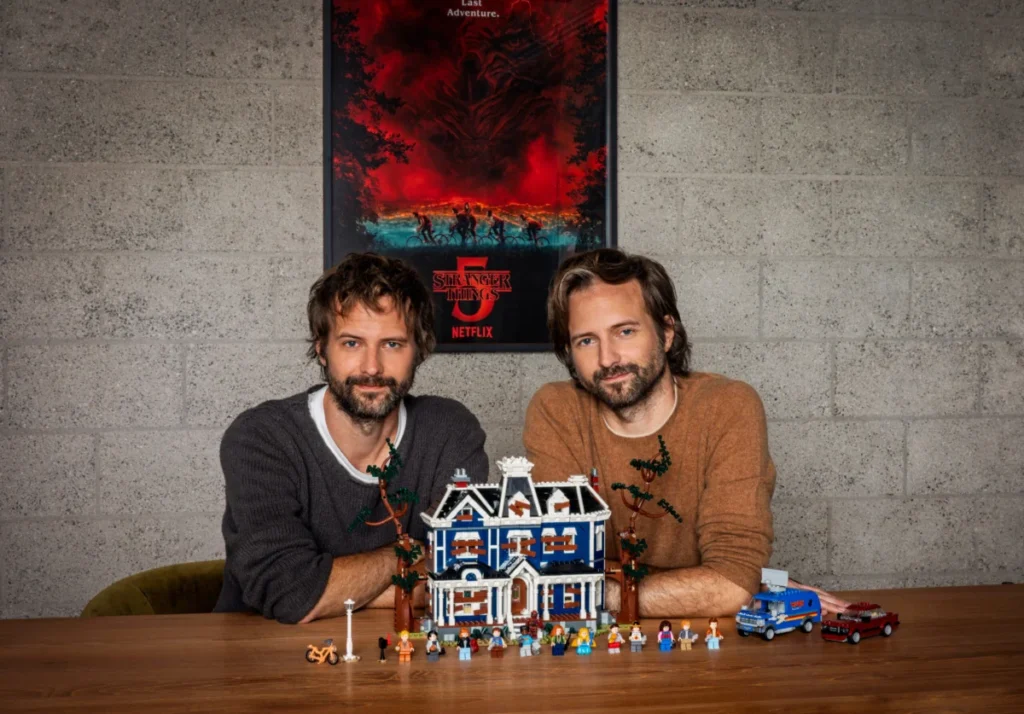
The development of Something Very Bad Is Going To Happen marks a strategic move by Netflix to continue diversifying its horror offerings, particularly by leveraging the established reputation of creators with a proven track record. Haley Z. Boston, whose previous work has often delved into complex character studies within suspenseful settings, brings a distinct vision to the series. The involvement of the Duffer Brothers as executive producers immediately elevates the project, signaling a commitment to high production values and narrative depth that has become synonymous with their brand. Their oversight suggests a blend of supernatural elements with a strong focus on character-driven storytelling, a formula that resonated profoundly with audiences worldwide through Stranger Things. This collaboration highlights Netflix’s strategy of empowering innovative creators while ensuring a degree of creative consistency and market appeal through established names in the industry.
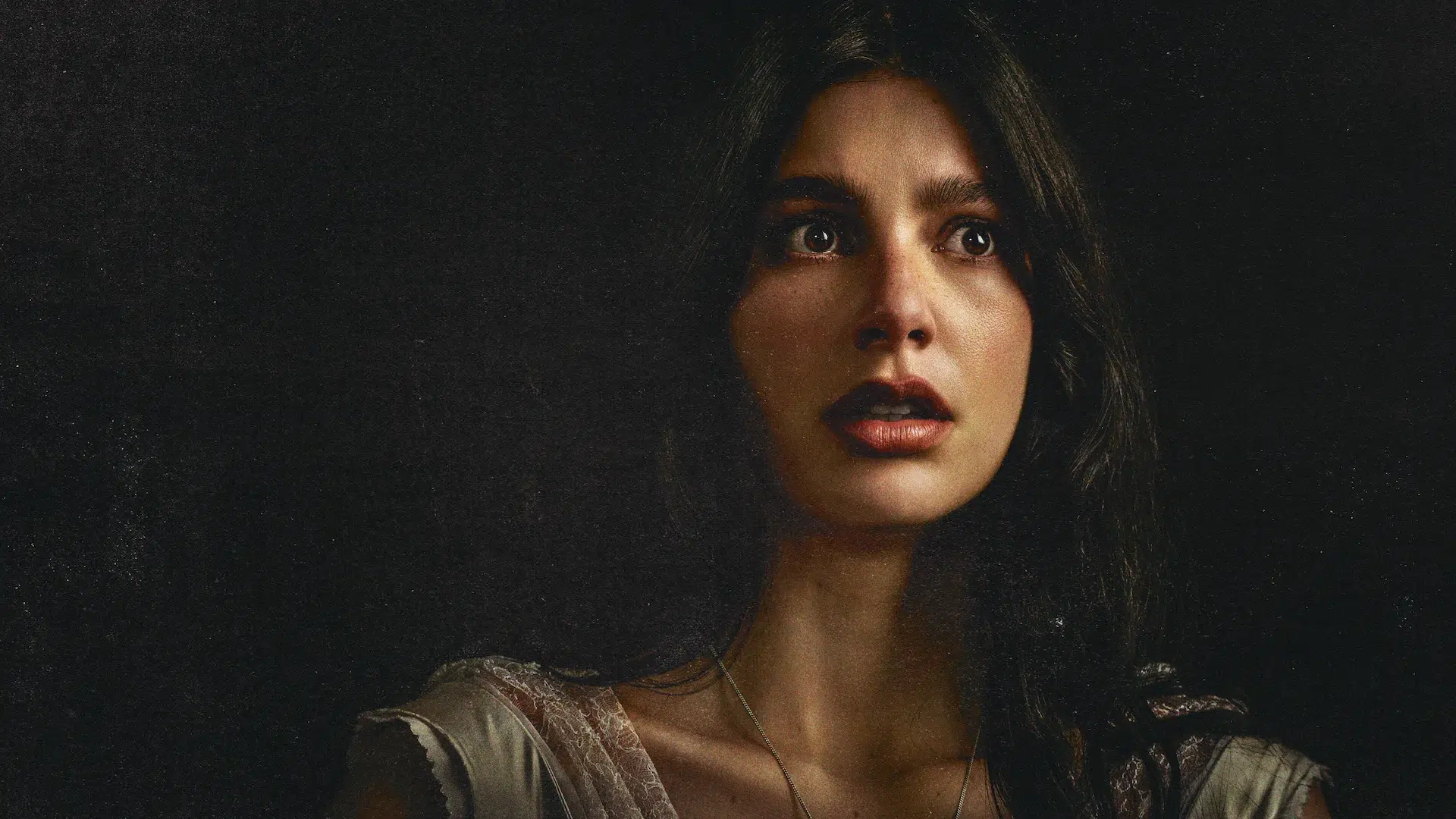
The premise of the series centers on Rachel (Camila Morrone), a bride-to-be, and her fiancé Nicky (Adam DiMarco), as they embark on what is meant to be an idyllic winter wedding at Nicky’s family cabin nestled in a remote, snow-laden woodland. However, Rachel’s initial unease, a feeling far deeper than typical pre-wedding jitters, quickly escalates into a profound sense of impending doom upon meeting Nicky’s eccentric family. This foundational setup allows the show to immediately immerse viewers in a palpable atmosphere of foreboding, setting the stage for a narrative that skillfully blurs the lines between psychological tension and outright supernatural horror.
Crafting Atmospheric Dread: A Signature Style
One of the defining characteristics of Something Very Bad Is Going To Happen is its masterful use of atmosphere to cultivate a pervasive sense of dread. The series excels in creating an unnerving environment, where the horror is often more psychological than overtly physical. The gloomy, isolated setting of the snowy woodland cabin serves as a perfect backdrop for the unfolding mystery, amplifying Rachel’s growing paranoia and the audience’s discomfort. The cinematography frequently employs muted color palettes and evocative lighting to enhance the feeling of entrapment and isolation, drawing viewers deeper into Rachel’s deteriorating mental state.
Unlike many contemporary horror productions that rely heavily on jump scares, this series builds its terror through sustained tension and a gradual revelation of its sinister premise. This approach aligns with a growing trend in the horror genre towards more cerebral and character-focused narratives, demonstrating a maturity in storytelling that prioritizes psychological impact over fleeting shock value. The show’s ability to maintain a constant hum of unease, even in moments of apparent calm, is a testament to Boston’s direction and the Duffer Brothers’ influence on crafting immersive and emotionally resonant genre pieces. This deliberate pacing allows the audience to experience Rachel’s descent into panic alongside her, making her discoveries about the curse all the more impactful.
Unraveling the Ancient Curse: Mythology and Modernity
The central conflict of the series crystallizes when Rachel uncovers the existence of an ancient, occult-based curse afflicting her family line. The narrative skillfully introduces this complex lore, initially keeping its intricate details vague to heighten the mystery and Rachel’s escalating desperation. A pivotal moment occurs when Rachel discovers an old video depicting her mother’s wedding, which was tragically followed by a gruesome death, ostensibly linked to marrying someone who was not her "true soulmate." This revelation provides a chilling precedent and deepens Rachel’s personal investment in understanding and potentially breaking the curse.
Further exposition, delivered through her father, reveals the curse’s centuries-old origins. The narrative posits that an ancestor of Rachel’s made a desperate pact with death to resurrect a deceased lover. The condition for this miraculous intervention was that the revived individual had to be the ancestor’s true soulmate. From this foundational moment, a binding curse was imposed upon the entire bloodline: any betrothed woman in their lineage would face a swift and horrific death if she were to marry a man who was not her destined soulmate. This mythological construct bears a striking resemblance to classical tales like the Greek myth of Orpheus and Eurydice, where love, loss, and the boundaries of mortality are central themes, but with a uniquely sinister twist tailored for a modern horror context. The weight of this ancestral burden falls squarely on Rachel, forcing her to confront the terrifying question: Is Nicky truly her soulmate?
Character Arcs and the Psychological Stakes
The narrative introduces another crucial element to the curse through the enigmatic figure of The Witness (Zlatko Buric). This mysterious man, who appears unaged across decades and in Rachel’s parents’ wedding video, adds a layer of immortal despair to the curse’s mechanics. The Witness reveals himself as another victim, one who, many years prior, fled his own wedding out of fear, thereby causing the curse to transfer to another bloodline. This twist clarifies a critical escape clause: to avoid the curse, one must simply never engage in the marital act. This revelation not only provides a cynical commentary on societal expectations but also complicates Rachel’s decision-making process, presenting a seemingly simple yet profoundly difficult solution. The Witness’s character serves as a living testament to the curse’s enduring power and the long-term psychological toll it exacts.
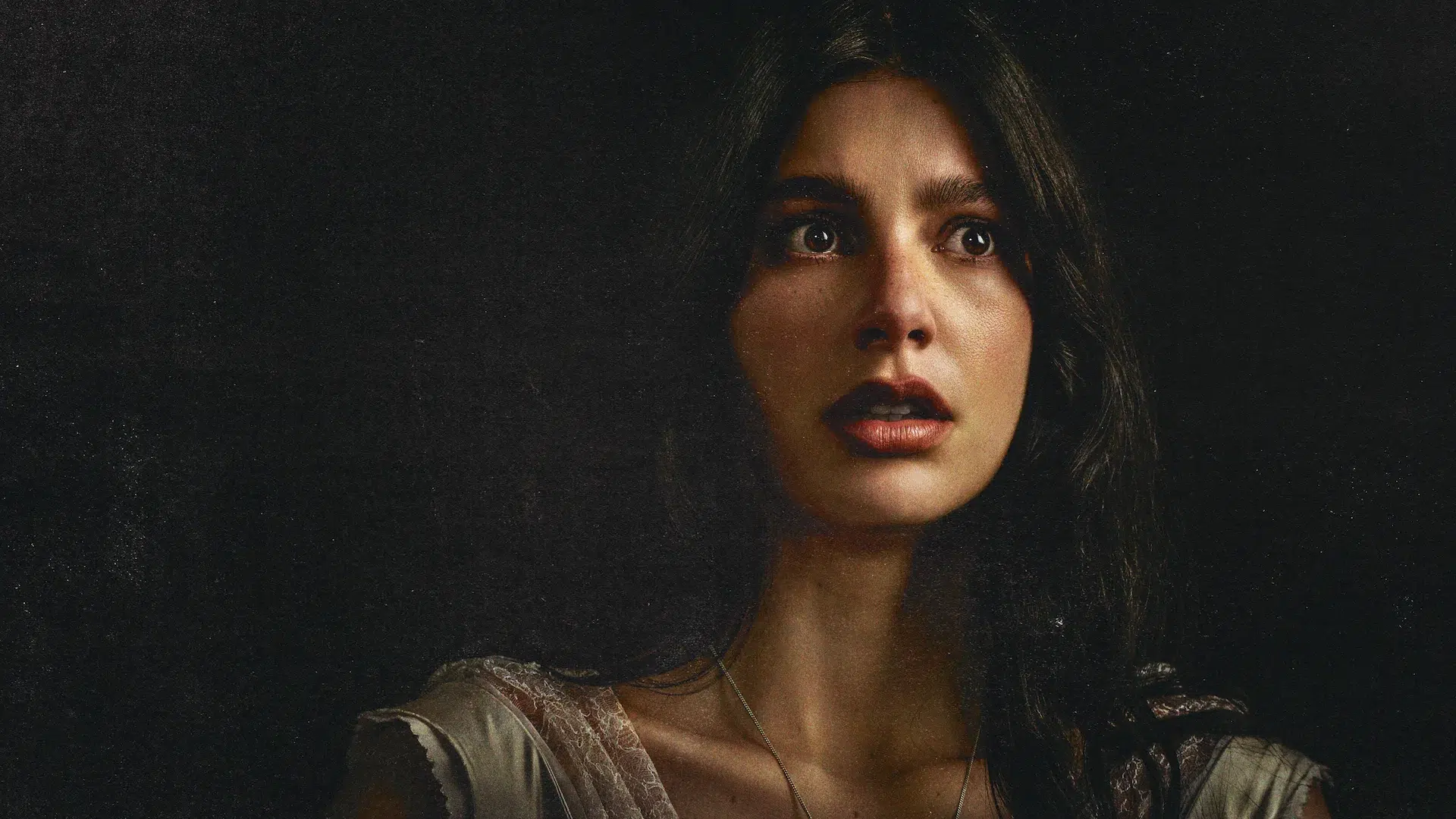
Rachel’s journey is one of intense psychological torment, marked by escalating paranoia and desperate attempts to circumvent her fate. Her interactions with Nicky’s eccentric family amplify her unease, as she navigates a landscape where reality and supernatural threat intertwine. Camila Morrone’s portrayal of Rachel captures this escalating desperation, making her a relatable and empathetic protagonist trapped in an impossible situation. The supporting cast, including Karla Crome as Nell, Gus Birney as Portia, and Jeff Wilbusch as Jules, contribute to the unsettling family dynamic, each character adding a layer of eccentricity or hidden motive that fuels Rachel’s suspicions.
The Climactic Confrontation and Unforeseen Consequences
As the wedding ceremony looms, Rachel’s desperation reaches a fever pitch. She learns of a supposed ritual to lift the curse, involving a gruesome concoction requiring highly personal and symbolic ingredients: one of her own bones, the groom’s sperm, hair from her mother-in-law, and blood. The sequence depicting Rachel’s frantic efforts to gather these components, including the shocking act of self-mutilation to acquire a bone, underscores the extreme lengths she is willing to go to escape her terrifying destiny. This intense montage culminates as guests gather for the ceremony, with Rachel racing against time.
Despite successfully acquiring all the ingredients for the potion, Rachel ultimately chooses not to consume it. This decision implies a flicker of hope, a desperate belief that Nicky might, in fact, be her true soulmate, or perhaps a rejection of the horrific sacrifice required. However, at the altar, during the exchange of vows, Nicky’s hesitation, sparked by a newfound understanding of his parents’ own complex relationship, inadvertently triggers the curse. This moment of doubt, rather than a definitive "no," is enough to activate the ancient magic, leading to a cascade of tragic consequences for Nicky’s family, who begin to die gruesomely as the curse shifts its target.
Beyond the Altar: The Transference of Fate
The climax reveals a surprising twist regarding Rachel’s fate. While she initially appears to succumb to a hemorrhage, seemingly another victim of the curse, it is ultimately revealed that she survives, albeit in a profoundly altered state. The curse, upon Nicky’s hesitation, transfers from Rachel’s bloodline to his, thereby releasing The Witness from his centuries-long torment of immortality and perpetual observation. In a startling exchange of fates, Rachel assumes The Witness’s former role, becoming immortal and doomed to forever observe the curse’s devastating effects on future generations. This outcome presents a nuanced and darkly poetic resolution, exchanging a mortal death for an eternal, agonizing existence as a passive observer. Her survival comes at the cost of a different, perhaps more profound, form of suffering.
The series further complicates its ending by revealing that not all characters perish. Funnily enough, Jules and Nell, despite their evident animosity and complex relationship throughout the series, survive the curse’s immediate wrath. The curse, in its esoteric wisdom, seemingly identifies them as "true soulmates," sparing them from the fate that befalls others in Nicky’s lineage. This unexpected preservation of their lives adds another layer of intrigue to the curse’s rules, suggesting a definition of "soulmate" that transcends conventional romantic ideals and hints at a deeper, perhaps karmic, connection. This twist underscores the unpredictable and morally ambiguous nature of the ancient magic, leaving viewers to ponder the true meaning of destiny and connection within the show’s universe.
Netflix’s Vision for Genre-Defining Content
Something Very Bad Is Going To Happen is more than just a standalone horror series; it represents Netflix’s ongoing commitment to investing in high-quality, original genre content that pushes creative boundaries. The success of Stranger Things has demonstrated the immense global appetite for narratives that blend horror, sci-fi, and compelling character development. By backing projects like this, Netflix aims to replicate that success and solidify its position as a premier destination for innovative storytelling. The show’s intricate plotting, strong performances, and unique take on supernatural horror contribute to a diverse portfolio that caters to a broad audience while also appealing to discerning genre enthusiasts. This strategic move not only enriches Netflix’s library but also provides a platform for new voices like Haley Z. Boston to flourish under the guidance of seasoned producers.
Critical Acclaim and Industry Implications
Early critical reception for Something Very Bad Is Going To Happen has been overwhelmingly positive, with many reviewers highlighting its unique blend of psychological tension and supernatural lore. The show has been lauded for its atmospheric storytelling, the depth of its characters, and its refusal to rely on conventional horror tropes. Critics have pointed to Camila Morrone’s compelling performance as Rachel as a central strength, effectively conveying the character’s descent into terror and desperation. The Duffer Brothers’ executive production has also been cited as a contributing factor to the series’ polished feel and narrative coherence.
The series’ success could have significant implications for the horror genre, encouraging more creators to explore complex, character-driven narratives that prioritize dread and psychological impact over overt gore. It also reinforces the value of established creative partnerships, demonstrating how the synergy between experienced producers and fresh voices can yield compelling results. For Netflix, the show’s positive reception validates its investment in premium genre content and its strategy of empowering creators with creative freedom.
The Future of the Franchise
With all eight episodes of Something Very Bad Is Going To Happen now streaming on Netflix, the series has left a strong impression and opened up numerous possibilities for future narratives. The intricate nature of the curse, the unique fate of Rachel, and the unresolved dynamics of the surviving characters provide ample groundwork for potential follow-up seasons or spin-offs. The transference of the curse to Nicky’s bloodline, coupled with Rachel’s new immortal role as an observer, suggests a sprawling narrative potential that could explore different generations and new victims of the ancient magic. Whether the creators choose to delve deeper into the curse’s origins, explore Rachel’s eternal plight, or introduce new characters caught in its web, the series has laid a robust foundation for what could become a significant new horror franchise for Netflix. The critical success and compelling conclusion ensure that Something Very Bad Is Going To Happen will be remembered not just for its chilling premise, but for its thoughtful execution and lasting impact on the horror landscape.