The highly anticipated second season of Netflix’s award-winning anthology series, Beef, has debuted to significantly lower viewership figures compared to its critically lauded predecessor, raising questions about the sustainability of the anthology format on streaming platforms and the evolving metrics of success in the digital age. Despite garnering another wave of overwhelmingly positive reviews and featuring a star-studded new cast, the series struggled to capture the initial audience momentum of its breakout first season, signaling a considerable challenge for a show that once thrived on word-of-mouth.
A Significant Drop in Initial Engagement
Data released by Netflix reveals that Beef Season 2 premiered to approximately 2.4 million views in its opening week, placing it at number 10 on the global TV English chart. This figure represents a precipitous 58% drop from Season 1’s impressive debut of 5.8 million views. The decline is not merely a numerical dip but signifies a stark difference in initial audience engagement, positioning Season 2 at the bottom of Netflix’s 2026 Thursday premiere chart, even trailing behind less prominent titles like Big Mistakes from a few weeks prior. (Notably, this comparison excludes Bridgerton Season 4 due to its distinct split-release strategy, which naturally alters immediate viewership patterns.)
This immediate performance has become a critical talking point within the industry. While the raw viewership numbers provided by Netflix offer a snapshot of a title’s initial reach, they are increasingly scrutinized for what they reveal about audience loyalty, discoverability, and the efficacy of marketing campaigns for subsequent seasons, especially in the anthology model.
Critical Acclaim vs. Audience Reception: A Growing Disparity
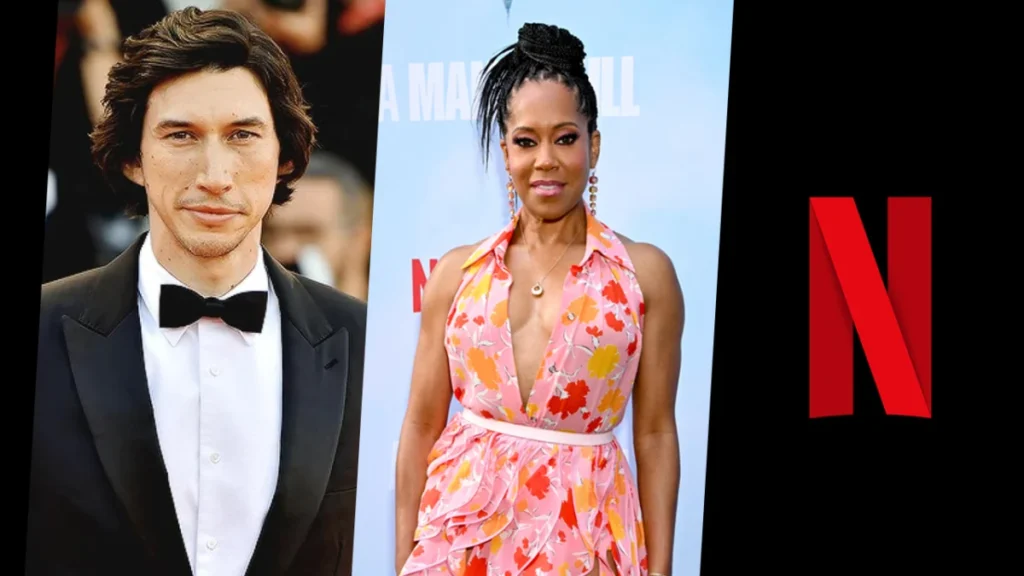
The disparity between critical reception and audience viewership for Beef Season 2 is particularly pronounced. Critics have largely championed the new installment, praising its narrative ambition and the performances of its ensemble cast, which includes Carey Mulligan, Oscar Isaac, Cailee Spaeny, and Charles Melton. The consensus among reviewers, as highlighted by Christopher Campbell for Rotten Tomatoes, is that the series’ return was "well worth the journey," maintaining its signature "electric unpredictability." Kelly Lawler of USA Today lauded it as "every bit the excruciating masterpiece the first season was," while James Mottram of NME described it as "another deliciously savage hunk of drama for you to sink your teeth into." Even those who felt it didn’t quite reach the zenith of the inaugural season, like Karina Adelgaard of Heaven of Horror, still found it "no less watchable."
This critical adoration is reflected in its Rotten Tomatoes score, where Season 2 currently holds a "Certified Fresh" rating of 86%. However, the audience score on the same platform tells a different story, sitting at a more modest 61%. This gap between critical and audience sentiment, while not unprecedented, underscores the challenge of translating critical praise into widespread viewer engagement, particularly for an anthology series that resets its narrative and characters each season.
The "Sleeper Hit" Phenomenon and the Challenge of Replication
To fully understand the current predicament of Beef Season 2, it is crucial to revisit the trajectory of its predecessor. Beef Season 1, released in April 2023, was not an instant global sensation. Its initial four-day performance of 5.8 million views, while respectable, did not immediately signal a blockbuster. Instead, it emerged as a quintessential "sleeper hit," leveraging strong word-of-mouth to build momentum over several weeks.
Following its initial debut, Season 1 experienced an astonishing 107% surge in viewership in its second week, skyrocketing to 12 million views (representing 70.38 million hours viewed). This organic growth propelled it into Netflix’s global Top 10, where it remained for five consecutive weeks, consistently drawing in millions of views in subsequent periods (7.3 million, 4.2 million, and 2.5 million views, respectively). This sustained engagement was a testament to its compelling storyline, sharp writing, and the captivating performances of Steven Yeun and Ali Wong, which resonated deeply with audiences and critics alike.
The challenge for Season 2, operating as a standalone anthology with a completely new narrative and cast, is that it effectively has to rebuild this "word-of-mouth" momentum from scratch. Unlike a traditional serialized drama where returning characters and plotlines provide a built-in audience, an anthology demands that viewers invest in an entirely new story world. The early data suggests that this critical re-engagement has not materialized at the same pace as with Season 1. The upcoming second-week viewership report will be a critical indicator of whether Season 2 possesses the same organic growth potential or if its initial stumble will define its overall performance.
Real-Time Metrics and the Steep Decline in Momentum
Beyond Netflix’s official weekly reports, real-time analytics from platforms like FlixPatrol offer a more immediate, albeit unofficial, glimpse into a show’s daily global popularity. FlixPatrol monitors Top 10 lists across dozens of countries, assigning weighted points (10 points for #1, 9 for #2, etc.) that are aggregated into a daily global score. While not a direct measure of viewership, this score is a powerful proxy for a show’s global traction and discoverability.
A comparison of FlixPatrol scores for Season 1 and Season 2 over their respective first five days paints a stark picture of the latter’s struggle to gain traction:
| Day # | Season 1 (Global Score) | Season 2 (Global Score) |
|---|---|---|
| Day 1 | 312 | 9 |
| Day 2 | 505 | 84 |
| Day 3 | 553 | 151 |
| Day 4 | 615 | 212 |
| Day 5 | 649 | 276 |
| Day 6 | 667 | – |
| Day 7 | 679 | – |
| Day 8 | 643 | – |
| Day 9 | 576 | – |
| Day 10 | 605 | – |
The data unequivocally shows that Season 1 generated significantly more global buzz and appeared on more Top 10 lists worldwide from day one, steadily building its score. Season 2, by contrast, started with a remarkably low score of 9 on its first day, indicating minimal global penetration, and while it has shown incremental growth, its trajectory is far from the explosive rise of its predecessor. This real-time data corroborates the official Netflix viewership figures, reinforcing the narrative of a season struggling to find its audience.
The Broader Implications for Anthology Series on Streaming
The performance of Beef Season 2 casts a spotlight on the inherent challenges faced by anthology series in the highly competitive and algorithm-driven streaming landscape. While critically revered anthology shows like Fargo, True Detective, and American Horror Story have found success on various platforms, they often contend with audience fluctuations between seasons. The core issue is the need to re-engage viewers with an entirely new cast and story, demanding a fresh marketing push and the cultivation of new "word-of-mouth" each time.
For Netflix, which heavily relies on algorithms for content discovery and retention, an anthology series might face specific hurdles. If the algorithm is primarily driven by past viewing habits tied to specific characters or ongoing narratives, a completely new story, even under the same brand, might struggle to be effectively surfaced to potential viewers. The suggestion made in the original article — that Netflix might benefit from treating anthology seasons as entirely new "tiles" within the app, much like it plans to do with Berlin Season 2 (a spin-off of Money Heist) — holds considerable merit. This approach could potentially enhance discoverability and allow each season to stand on its own merits more effectively, rather than relying on the previous season’s character-specific pull.
Netflix’s Strategic Response: Awards Ambition and Creator Loyalty
Despite the viewership dip, Netflix is demonstrably not abandoning Beef Season 2. The streamer is actively campaigning for the show at the 2026 Emmys, particularly in the highly competitive Limited Series category. Recent Emmy polling by GoldDerby identifies Beef as an undisputed frontrunner, with 95.39% of experts predicting its success. Furthermore, its lead cast members, Oscar Isaac and Carey Mulligan, are expected to be major contenders in their respective acting categories. This aggressive awards push underscores Netflix’s commitment to prestige and critical recognition, even when commercial viewership falls short of expectations. For a streamer, awards can serve as a powerful marketing tool, burnishing its brand image and attracting top-tier talent, which in turn can lead to future successful projects.
Moreover, Netflix has signaled its long-term commitment to Beef‘s creator, Lee Sung Jin. As Ted Sarandos, Netflix’s Co-CEO, noted during a Q1 earnings call, Lee Sung Jin is operating under an overall deal struck with Netflix in 2023. Sarandos explicitly stated, "He’s going to be creating for Netflix for years." This strategic move indicates that while the future of the Beef "brand" itself might be uncertain for a third season given the viewership numbers, Netflix is invested in retaining and supporting the creative vision of its acclaimed showrunners. This approach prioritizes talent relationships and the development of a pipeline of quality content over the immediate performance of any single title, acknowledging that a creator’s success on one project can lead to future hits.
The Future of Beef and the Evolving Definition of Success
The early data for Beef Season 2 paints a complex picture. On one hand, it represents a critical triumph, reinforcing the show’s reputation for compelling storytelling and outstanding performances. On the other hand, it signifies a notable commercial setback, struggling to replicate the audience engagement of its breakout first season. This tension between critical acclaim and commercial viability is a recurring theme in the streaming era, where success is no longer solely measured by traditional ratings but by a multifaceted combination of viewership, subscriber acquisition/retention, awards recognition, and the overall impact on a platform’s brand.
The significant viewership drop for Beef Season 2 suggests that a third season under the same brand name might be an uphill battle, despite the creator’s ongoing relationship with Netflix. The streaming giant will undoubtedly weigh the critical acclaim and awards potential against the substantial decline in audience reach when considering future installments. The performance of Season 2 will likely serve as a case study for Netflix and other streamers, influencing how they approach the development, marketing, and renewal of anthology series in an increasingly crowded and competitive content landscape. The coming weeks will provide further insight into whether Beef Season 2 can, like its predecessor, defy initial trends and find its audience, or if its fate will underscore the inherent difficulties of sustaining a "sleeper hit" in the age of instant gratification.