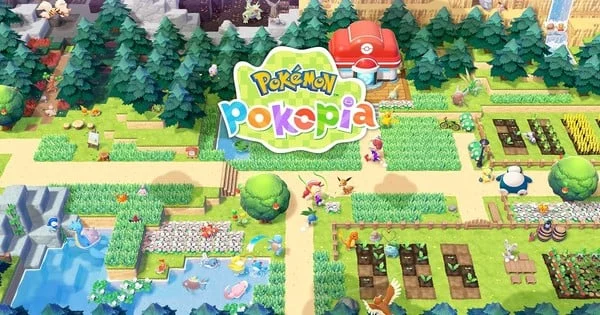
Japan’s video game market continues to be dominated by established franchises, with Pokémon Pokopia maintaining its stronghold at the number one position for the fourth week running. The latest installment in the beloved Pokémon series, released on March 5th for the Nintendo Switch 2, has demonstrated remarkable staying power, selling an additional 48,772 copies during the week of March 23rd to March 29th. This brings its cumulative sales to an impressive 821,687 units, underscoring its immense popularity among Japanese consumers.
Hot on its heels, Capcom’s highly anticipated Mega Man Star Force Legacy Collection has made a formidable debut at number two. Launched on March 27th for the Nintendo Switch, the collection garnered significant attention, selling 18,238 copies in its opening week. This strong performance indicates a robust demand for retro collections and a renewed interest in the Mega Man Star Force series, which originally captivated players in the mid-2000s. The collection, featuring remastered titles from the classic Mega Man Star Force series, taps into a nostalgic sentiment while introducing these cherished games to a new generation of gamers.
The weekly sales data, compiled by Famitsu, provides a comprehensive overview of the Japanese gaming landscape for the period of March 23rd to March 29th, 2026. This period is particularly interesting as it follows a period of significant new releases and the ongoing success of established titles.
Nintendo’s Continued Dominance on the Charts
Nintendo remains a formidable force in the Japanese market, with multiple titles occupying top positions. Beyond the unparalleled success of Pokémon Pokopia, the company’s presence is felt across the rankings. Super Mario Bros. Wonder + Minna de Rinrin Park, released on March 26th for the Nintendo Switch 2, secured the third spot with 10,158 units sold. This indicates that even in a market saturated with new releases, evergreen titles and beloved characters continue to resonate deeply with players.
Mario Kart World, a title that has been a consistent performer since its release on June 5, 2025, for the Nintendo Switch 2, also maintains a strong presence, ranking fourth with 7,005 weekly sales. Its enduring popularity, with cumulative sales exceeding 2.8 million units, speaks to the game’s broad appeal and its status as a staple in many Japanese households.
Monster Hunter Stories 3: Twisted Reflection, another Capcom title for the Nintendo Switch 2, secured the fifth position, selling 5,477 copies. This demonstrates the continued strength of the Monster Hunter franchise in Japan, even in its more RPG-focused spin-off iterations.
A Diverse Gaming Landscape: From Blockbusters to Niche Titles
While Pokémon and Mega Man lead the charge, the top 20 list reveals a diverse range of genres and platforms. Crimson Desert, a highly anticipated action-adventure game from Pearl Abyss, made its debut on the PlayStation 5 at number six, selling 5,265 units. Its strong performance on a dedicated console platform highlights the ongoing appeal of high-fidelity, single-player experiences.
Nintendo’s strategy of re-releasing classic titles or offering them in new formats continues to prove successful. The Pokémon Fire Red & Leaf Green (Download Card version) for the Nintendo Switch placed seventh, indicating a sustained demand for these foundational Pokémon adventures, even years after their initial release.
Koei Tecmo Games has multiple entries in the rankings, showcasing the enduring popularity of their simulation and strategy titles. Winning Post 10 2026 appears across multiple platforms and rankings, with the Nintendo Switch version at number eight (4,747 units), PlayStation 5 at number ten (4,540 units), and another Nintendo Switch 2 listing at number eleven (4,472 units). This multi-platform success suggests a dedicated fanbase for the horse racing simulation genre.
Other notable entries include Mario Tennis Fever, which continues to perform well on the Nintendo Switch 2, and perennial best-sellers like Minecraft and Animal Crossing: New Horizons, which consistently appear in sales charts due to their broad appeal and ongoing content updates. Resident Evil Requiem (Biohazard Requiem) also made a respectable showing on the PlayStation 5, underscoring the enduring appeal of the survival horror genre.
The Significance of the Mega Man Star Force Legacy Collection’s Debut
The debut of Mega Man Star Force Legacy Collection at number two is a significant event, signaling a potential resurgence for a beloved franchise that may have been somewhat dormant in recent years. The original Mega Man Star Force series, released on the Nintendo DS between 2006 and 2008, was known for its unique blend of action-RPG gameplay, strategic card-based combat, and a compelling narrative that explored themes of friendship and technology.
The "Legacy Collection" format has become increasingly popular in the gaming industry, allowing developers to reintroduce classic titles to modern hardware and introduce them to a new audience. Capcom’s decision to bring the Mega Man Star Force series to the Nintendo Switch, a platform renowned for its portability and accessibility, is a strategic move. The collection likely includes enhancements such as updated graphics, improved controls, and potentially bonus content, making it an attractive package for both long-time fans and newcomers.
The strong sales figures suggest that there is a significant appetite for these remastered classics. This success could pave the way for further revival of dormant Capcom franchises or inspire other developers to revisit their back catalogs. The ability of these legacy collections to chart so highly indicates that nostalgia remains a powerful driver in the gaming market, and that consumers are willing to invest in curated experiences that offer high-quality retro gameplay.
Analyzing Sales Trends and Market Dynamics
The dominance of Nintendo consoles, particularly the Nintendo Switch 2, in the Japanese market is evident from the sales data. The platform’s versatility, catering to both handheld and home console play, continues to make it the preferred choice for a vast segment of the Japanese gaming population. The consistent performance of titles like Mario Kart World and Animal Crossing: New Horizons, even years after their release, highlights the platform’s ability to foster long-term engagement and player loyalty.
The presence of multiple "Winning Post 10 2026" entries across different platforms is a testament to Koei Tecmo’s strong foothold in the simulation genre. The Japanese market has a particular affinity for these types of games, which often feature deep mechanics and long-term progression. The fact that the title is charting on both PlayStation 5 and Nintendo Switch suggests a broad appeal within this niche.
The inclusion of Pokémon Fire Red & Leaf Green as a download card version is an interesting strategy by Nintendo. It suggests an effort to cater to consumers who may prefer physical purchase options for older digital titles, or who are looking for a more collectible experience. The continued sales of these older Pokémon titles also underscore the franchise’s unparalleled ability to retain its player base across generations.
Broader Implications and Future Outlook
The current sales figures paint a picture of a healthy and dynamic Japanese game market. The sustained success of Pokémon Pokopia reinforces the franchise’s status as a cultural phenomenon. The strong debut of Mega Man Star Force Legacy Collection indicates a promising future for retro collections and potentially for the revival of classic IPs.
For developers and publishers, these rankings offer valuable insights into consumer preferences. The continued strength of Nintendo platforms, the enduring appeal of established franchises, and the growing market for legacy collections are key takeaways. As the year progresses, all eyes will be on how these trends evolve and whether new releases can challenge the dominance of these established titles. The ongoing success of Pokémon Pokopia and the strong performance of Mega Man Star Force Legacy Collection suggest that the Japanese market will continue to be a crucial battleground for both new and classic gaming experiences. The ability to leverage nostalgia while delivering polished, modern gameplay remains a winning formula for many in the industry. The data from Famitsu provides a vital snapshot of this ever-evolving landscape, informing strategies and highlighting the enduring power of beloved gaming worlds.