Music Box Films has officially announced the North American theatrical release of Francesco Sossai’s acclaimed Italian dramedy, scheduled to arrive in select United States cinemas on May 1, 2026. This acquisition marks a significant move for the Chicago-based distributor, known for its curated selection of high-quality international cinema, as it brings one of the standout titles from the 2025 Cannes Film Festival to domestic audiences. Originally titled Le città di pianura (The Cities of the Plain) in its native Italy, the film represents a stylistic shift in contemporary Italian storytelling, blending the traditional "buddy comedy" road trip format with a poignant exploration of industrial decline, aging, and the enduring nature of marginalized friendships.
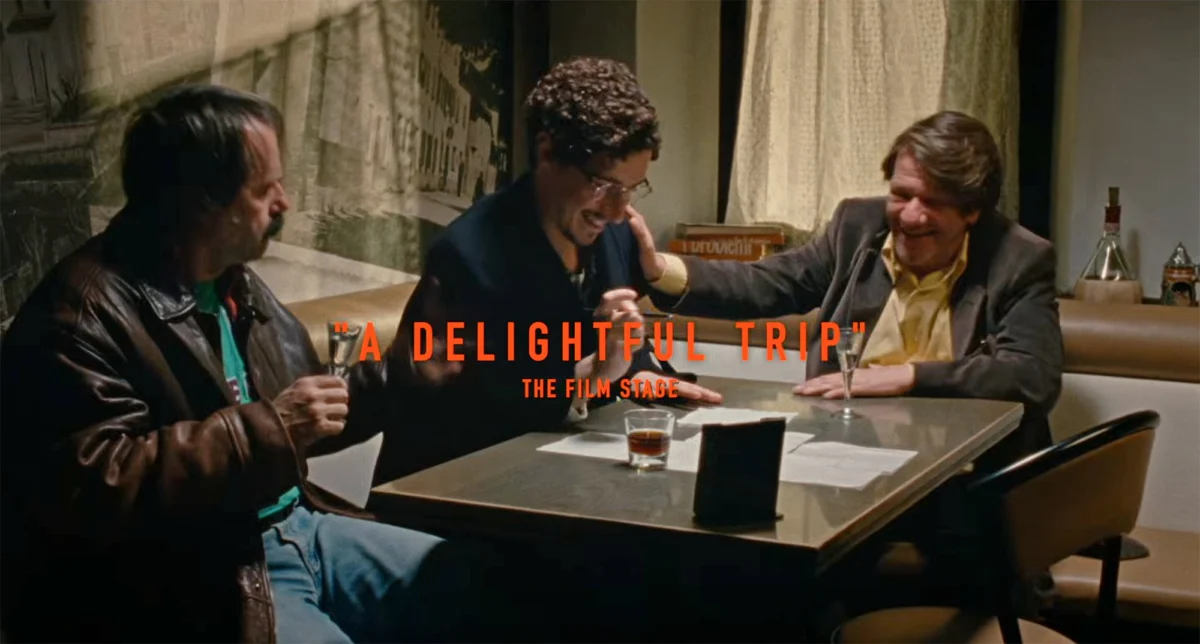
The narrative centers on Carlobianchi and Doriano, portrayed by Sergio Romano and Pierpaolo Capovilla respectively, two small-time crooks in their fifties whose lives have been defined by a series of failed aspirations and a steadfast refusal to adhere to the conventions of adulthood. Operating under a "never skip the last drink" philosophy, the duo finds themselves adrift in a modern Italy that has largely outpaced their analog methods of petty criminality. The story is set in motion when they encounter Giulio, played by Filippo Scotti, a shy and disillusioned architecture student who is struggling to find his footing in a world dictated by rigid professional expectations. What begins as a chance meeting evolves into an erratic journey across the Venetian plains, as the trio traverses a landscape of roadside taverns and fading industrial hubs, dispensing a unique brand of "drunken wisdom" while grappling with the ghosts of their pasts.
Production Background and Creative Vision
The Last One for the Road is the second feature film from Francesco Sossai, an eccentric filmmaker who previously garnered attention with his debut, Other Cannibals. Sossai, a graduate of the prestigious Deutsche Film- und Fernsehakademie Berlin (DFFB), has developed a reputation for a visual style that is both gritty and ethereal. For this project, Sossai collaborated with screenwriter Adriano Candiago to craft a script that balances zany humor with a deep-seated melancholy. The production was handled by a consortium of European producers, including Marta Donzelli and Gregorio Paonessa of Vivo Film—the company behind several of Italy’s most successful arthouse exports in recent years—alongside Philipp Kreuzer and Cecilia Trautvetter.
The film’s aesthetic is heavily influenced by the geography of the Veneto region. Moving away from the romanticized canals of Venice, Sossai focuses on the "pianura"—the flat, industrial plains that serve as the economic heart of the region but often remain invisible to the tourist eye. This setting serves as a metaphor for the characters themselves: overlooked, weathered, and caught between a glorious past and an uncertain future. The cinematography captures the hazy, alcohol-fueled atmosphere of the journey, utilizing natural light and the stark geometry of the Venetian hinterland to create a "scruffy intergenerational odyssey."

Chronology of Release and Critical Path
The trajectory of The Last One for the Road began on the international stage before securing its US distribution deal. The film’s development and release timeline are as follows:
- Early 2024: Principal photography took place across various locations in the Veneto region, specifically targeting authentic local taverns and industrial sites to maintain a sense of hyper-local realism.
- May 2025: The film celebrated its world premiere at the 78th Cannes Film Festival. It was featured in the Un Certain Regard section, a category dedicated to films with unique perspectives and non-traditional storytelling. The premiere was met with positive notices, with critics praising the chemistry between the three leads.
- September 2025: Following its festival success, the film was released in Italian cinemas. It performed well in the domestic market, particularly in Northern Italy, where its cultural references resonated deeply with local audiences.
- Late 2025: Music Box Films secured the North American distribution rights, citing the film’s "universal themes of friendship and the struggle against mediocrity" as key factors in their decision.
- April 5, 2026: The official US trailer was released via YouTube and major film news outlets, sparking interest among indie film enthusiasts.
- May 1, 2026: The scheduled theatrical rollout in the United States, beginning in major markets such as New York, Los Angeles, and Chicago, before expanding to other independent venues.
Cast and Character Dynamics
The casting of the film has been a primary point of discussion for industry analysts. Filippo Scotti, who rose to international prominence as the lead in Paolo Sorrentino’s Academy Award-nominated The Hand of God, brings a quiet intensity to the role of Giulio. His performance acts as the emotional anchor of the film, providing a foil to the boisterous and often self-destructive energy of the two older protagonists.
Sergio Romano and Pierpaolo Capovilla provide the film’s comedic and philosophical weight. Romano, a veteran of Italian theater and television, portrays Carlobianchi with a mixture of charm and desperation. Capovilla, perhaps best known to Italian audiences as the frontman of the influential rock band Il Teatro degli Orrori, brings a raw, counter-cultural edge to the character of Doriano. The dynamic between these two actors is central to the film’s "never grow up" theme. According to production notes, much of the dialogue in the tavern scenes was developed through improvisation, allowing the actors to tap into a genuine sense of camaraderie and "alcoholic wisdom."
Socio-Economic Context and Analysis
While the film is marketed as a comedy, it carries a significant undercurrent of social commentary. The characters of Carlobianchi and Doriano are described as being unable to "mount an honest scam since the 2008 financial crisis." This detail is not merely a plot point but a reflection of the economic stagnation that has affected specific segments of the Italian working class over the last two decades. The film explores the "folly of globalization" and the "slow decline of local color," themes that have become increasingly prevalent in European cinema.

By framing the story through the eyes of an architecture student, Sossai highlights the physical decay of the landscape. Giulio’s interest in the structures of the plain contrasts with the older men’s interest in the spirits served within them. This intergenerational dialogue allows the film to examine how different age groups process the loss of tradition and the encroachment of a homogenized, globalized world. The "last drink" becomes a symbol of resistance—a refusal to move forward into a future that seems to have no place for the "small-time" individual.
Distribution Strategy and Industry Implications
The decision by Music Box Films to release The Last One for the Road in May 2026 suggests a strategic counter-programming effort. As the summer blockbuster season typically begins in May, the distributor is positioning Sossai’s film as a sophisticated alternative for adult audiences and cinephiles. This follows a trend where high-concept foreign language films are given a "pre-summer" window to gain critical traction and word-of-mouth momentum.
Industry analysts suggest that the success of The Last One for the Road in the US could signal a growing appetite for "regional" Italian cinema—films that move away from the metropolitan centers of Rome and Milan to explore the unique subcultures of the Italian provinces. Furthermore, the presence of Filippo Scotti is expected to be a major draw for younger audiences who became acquainted with his work during the 2021-2022 awards season.
Broader Cultural Impact
The Last One for the Road arrives at a time when the "road movie" genre is undergoing a revival in international cinema, often being used to explore national identity in a post-pandemic world. Sossai’s film contributes to this by presenting a vision of Italy that is neither a postcard-perfect holiday destination nor a crime-ridden wasteland. Instead, it offers a "free-flowing bender through time and space," where the past and present collide in the smoky interiors of rural bars.

Official reactions from the Italian film industry have highlighted the film’s ability to capture a vanishing way of life. Statements from the producers emphasize that the film is intended as a "tribute to a vanishing industrial Italy," ensuring that the cultural specificities of the Venetian plains are preserved on celluloid. As the film prepares for its American debut, it stands as a testament to the power of indie cinema to transform local stories into universal meditations on the human condition, aging, and the simple, defiant act of sharing one last drink with a friend.