The 2026 Cannes Film Festival served as the global stage for the premiere of The Match, a high-profile documentary that delves into one of the most storied and controversial fixtures in the history of international sports. Directed by Juan Cabral and Santiago Franco, the film secured a prestigious slot in the Cannes Premiere section, a rarity for non-fiction features at the festival, signaling its significant cinematic and historical weight. Distributed globally by Disney, the documentary offers a comprehensive reconstruction of the June 22, 1986, FIFA World Cup quarter-final between Argentina and England, framed not merely as a sporting event but as a symbolic resolution to decades of diplomatic and military tension between the two nations.
Historical Context and the Shadow of the Falklands War
To understand the resonance of the 1986 match, the documentary meticulously explores the geopolitical climate of the early 1980s. The primary catalyst for the intensity surrounding the game was the Falklands War (Guerra de las Malvinas), which occurred only four years prior in 1982. The 74-day conflict over the sovereignty of the Falkland Islands resulted in the deaths of 649 Argentine military personnel, 255 British military personnel, and three islanders.
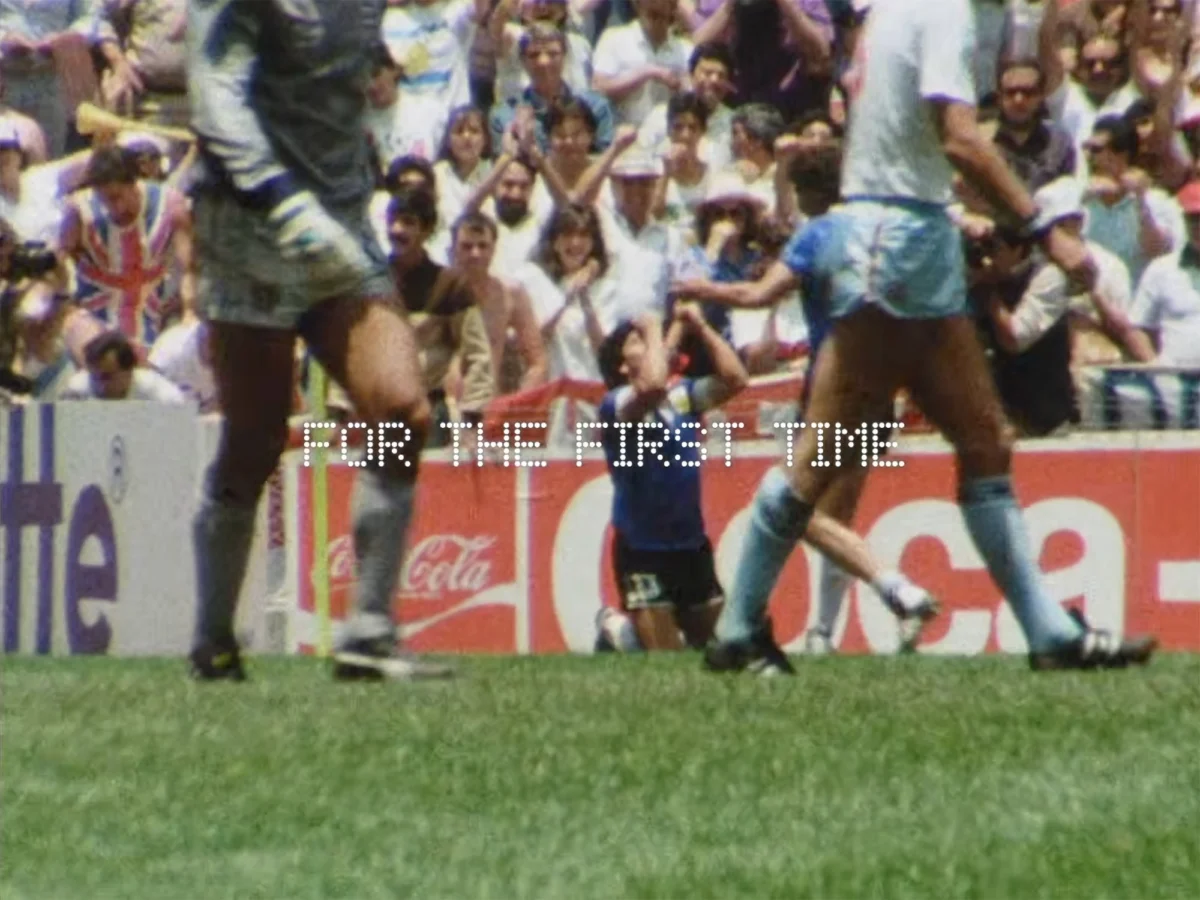
The Match posits that the wounds of this conflict were still raw when the two teams met at the Azteca Stadium in Mexico City. The documentary utilizes rare archival footage to illustrate how the match was perceived by the Argentine public as a form of "symbolic revenge," while the English side faced the pressure of maintaining sporting dominance amidst a backdrop of nationalistic fervor. The directors argue that the match served as a culmination of over 200 years of complex relations, dating back to the British invasions of the River Plate in the early 19th century and the subsequent British influence on Argentine infrastructure and the introduction of football itself to the region.

A Chronology of the 1986 Quarter-Final
The documentary provides a minute-by-minute reconstruction of the game, which many historians consider the most significant 90 minutes in football history. Narrated by two men who were physically present on the pitch—England’s Gary Lineker and Argentina’s Jorge Valdano—the film offers a dual perspective on the unfolding drama.
- The First Half: The film captures the cagey, scoreless first 45 minutes, characterized by intense physical play and tactical maneuvering. Valdano describes the palpable tension in the tunnel, noting that while the players tried to focus on the ball, the weight of their respective national flags was unavoidable.
- The 51st Minute – The "Hand of God": The documentary features high-definition restoration of the moment Diego Maradona used his hand to punch the ball over England goalkeeper Peter Shilton. The film includes archival interviews and new commentary analyzing the referee’s failure to see the infraction and Maradona’s subsequent claim that the goal was scored "a little with the head of Maradona and a little with the hand of God."
- The 55th Minute – The "Goal of the Century": Only four minutes after the controversial opener, Maradona scored what is widely regarded as the greatest individual goal in history. The Match reconstructs this 60-yard, 10-second dash through the English defense using multiple camera angles, some previously unseen by the general public.
- The 81st Minute – England’s Response: Gary Lineker, the tournament’s eventual Golden Boot winner, scored a late goal to bring the score to 2-1. The documentary captures the frantic final minutes, including a near-miss by Lineker that would have equalized the game, highlighting the thin margins between sporting glory and defeat.
Production Design and Narrative Technique
Directors Juan Cabral and Santiago Franco, collaborating for the first time on a feature-length documentary, employ a "living memory" aesthetic. Cabral, known for his visually striking work in the advertising world (notably the Cadbury "Gorilla" campaign) and the film Risa and the Wind Phone, brings a cinematic texture to the archival footage. The film eschews the traditional "talking head" format in favor of a more immersive experience, blending radio broadcasts from 1986 with modern cinematic sound design.
The involvement of Flora Fernandez-Marengo as producer ensured access to deep archives in both Buenos Aires and London. By contrasting the "beauty of football" with the "absurdity of war," the filmmakers aim to show how the sport functions as a vessel for national identity. The narration by Lineker and Valdano provides a bridge between the two nations, offering a narrative of mutual respect that has developed in the decades following the match, despite the initial animosity.
Critical Reception and Industry Impact
Early reviews from the Cannes Film Festival have been overwhelmingly positive. Critics have noted that the film successfully navigates the fine line between sports nostalgia and serious historical inquiry. One review highlighted that the film’s "quirky folklore and offbeat background detail" make it accessible even to those with little interest in football.

Industry analysts suggest that Disney’s decision to release the film in theaters worldwide during the summer of 2026 is a strategic move to capitalize on the global football fever surrounding the 2026 FIFA World Cup, which is being hosted across North America. By positioning the documentary as a "prestige" release, Disney is targeting both the sports documentary market—which has seen a surge in popularity following hits like The Last Dance—and the audience for historical political thrillers.
Official Statements and Participant Perspectives
While Diego Maradona passed away in 2020, his presence looms large over the film. The documentary includes restored footage of his private reflections on the game. Jorge Valdano, speaking at a press conference in Cannes, stated, "The Match is not just about a ball; it is about how a game can carry the soul of a country. In 1986, we weren’t just playing for a trophy; we were playing for a sense of dignity that had been bruised."
Gary Lineker added in a recorded statement, "Looking back 40 years later, you realize that the ‘Hand of God’ was a moment of sporting infamy, but the second goal was pure genius. This film captures the duality of that day—the frustration and the awe—and places it within the context of a world that was much more complicated than what we saw on the pitch."
Broader Implications and Historical Reframing
The Match serves as a case study in how sports can act as a proxy for international conflict. The film’s exploration of the "200 years of tension" provides a necessary framework for understanding why a single game of football remains a cornerstone of national curriculum and cultural identity in Argentina.

Furthermore, the documentary addresses the evolution of sports officiating. The "Hand of God" is frequently cited in contemporary debates regarding the implementation of Video Assistant Referee (VAR) technology. The film implicitly asks whether the "mythology" of 1986 would have been possible in the modern era of constant surveillance, suggesting that the errors and ambiguities of the past contributed to the legendary status of the event.
As a piece of historical record, The Match contributes to the ongoing dialogue regarding the Falklands War. By interviewing veterans from both sides who watched the game from their respective homes or barracks, the film humanizes the conflict, showing how the 90 minutes in Mexico City provided a temporary, albeit imperfect, catharsis for the trauma of 1982.
Release Schedule and Distribution
Disney has confirmed that The Match will see a staggered theatrical release starting in June 2026, followed by a global streaming debut on its primary platforms. The theatrical rollout is expected to be particularly robust in the United Kingdom and Argentina, where the film’s subject matter remains a point of intense public interest.
The documentary’s success at Cannes has already sparked discussions about its potential as a contender for the 2027 awards season. By bridging the gap between sports reportage and historical documentary, Juan Cabral and Santiago Franco have created a work that reframes the 1986 World Cup not just as a tournament, but as a pivotal chapter in the shared, often painful, history of two nations.