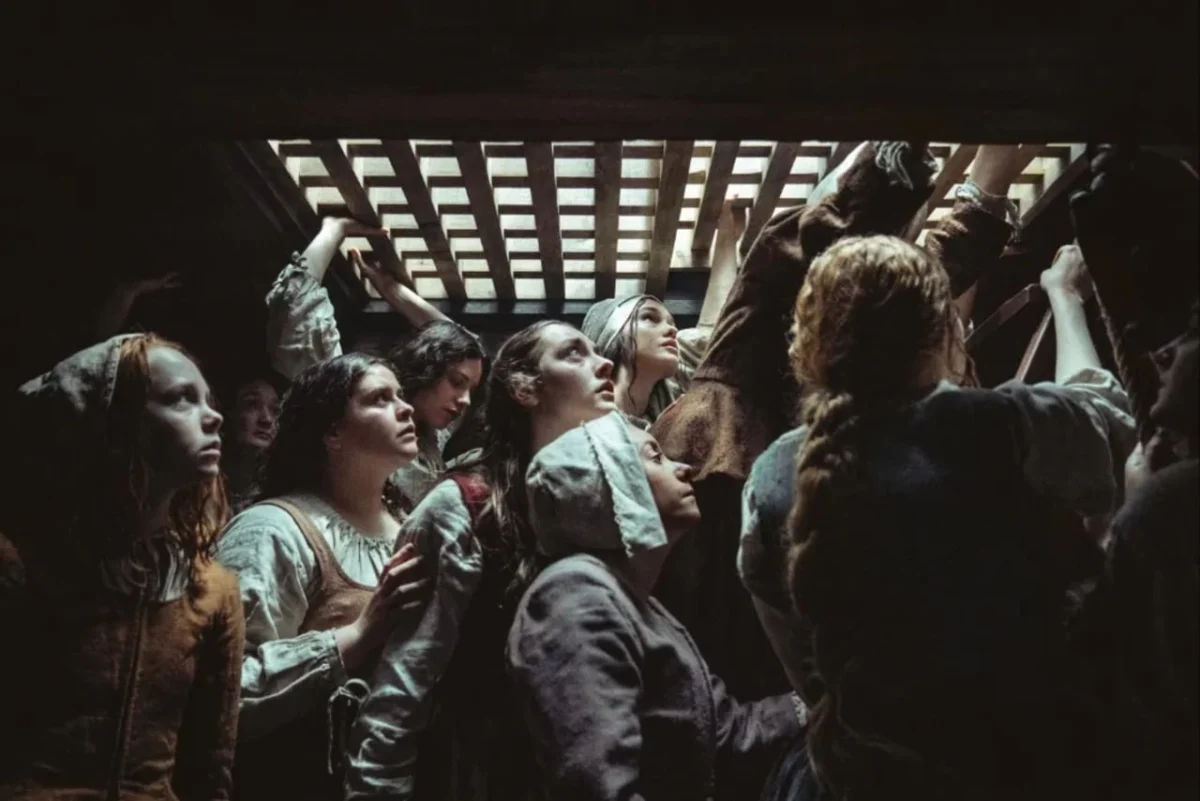
WTFilms has secured the distribution rights for the upcoming historical folk-horror film King’s Daughters, a project that delves into a dark and often overlooked chapter of colonial history. The film, set in 1663, meticulously reconstructs the harrowing transatlantic journey undertaken by a group of young orphan virgins dispatched by King Louis XIV to the burgeoning, and at the time precarious, colony of New France, now known as Quebec. This acquisition signals a significant addition to WTFilms’ slate, positioning King’s Daughters as a compelling cinematic exploration of survival, faith, and the brutal realities of early colonial expansion.
The narrative centers on a cohort of approximately 36 young women, meticulously selected and sent across the Atlantic as intended brides for the male settlers in New France. Among them is the youngest, a mere thirteen-year-old named Catherine Moitiée, whose youthful innocence is juxtaposed against the grim realities of their fate. Their voyage, stretching an arduous 111 days, is depicted as a descent into a nightmarish crucible. The film promises to unflinchingly portray the myriad challenges faced by these "Filles du Roi" (King’s Daughters), including outbreaks of disease, the pervasive threat of famine and vermin, the psychological toll of promiscuity and superstition among the ship’s crew, and the ever-present specter of death. This historical context underscores the film’s potential to resonate with audiences interested in visceral dramas that explore the human condition under extreme duress, intertwined with the genre conventions of folk horror.
Historical Context: The Filles du Roi and the Founding of New France
The initiative to send "Filles du Roi" was a strategic endeavor by King Louis XIV and his ministers, notably Jean-Baptiste Colbert, to address a critical demographic imbalance in New France. By the mid-17th century, the colony, established in the early 1600s, was experiencing significant growth in male immigration, primarily fur traders and soldiers. However, a severe shortage of women led to low birth rates and hindered the long-term viability of the French presence in North America. The program aimed to rectify this by recruiting young women from orphanages and impoverished families across France, offering them passage, a dowry, and the prospect of marriage and a new life.
These women, often from humble backgrounds, were considered valuable assets to the Crown’s colonial ambitions. Their arrival was crucial for establishing stable family units, increasing the population, and solidifying French control over the vast territories. However, the journey itself was fraught with peril. Transatlantic voyages in the 17th century were rudimentary and dangerous, characterized by cramped conditions, poor sanitation, limited food supplies, and the constant threat of storms and disease. The psychological impact of such a prolonged and uncertain journey, especially for young women leaving behind all they knew, would have been immense.
A Cinematic Journey into the Abyss
King’s Daughters aims to translate these historical realities into a compelling cinematic experience. Directed by Pascal Plante, known for his critically acclaimed 2024 film Red Rooms, the film is expected to leverage his talent for creating unsettling atmospheres and psychological tension. Red Rooms, which explored the dark corners of online criminal activity, earned praise for its ability to suggest horrors rather than explicitly depict them, a technique that many anticipate will be effectively applied to the historical setting of King’s Daughters. The film’s screenplay is co-written by Plante and Dominique Dussault, suggesting a collaborative vision focused on character depth and thematic resonance.
The cast features a notable ensemble of actresses, including Sandrine Bonnaire, Laurie Babin, Lauréna Thellier, Zoé Adjani, and Marguerite Champoux. Bonnaire, a highly respected French actress known for her powerful performances, brings significant gravitas to the project. The inclusion of younger actresses in key roles, particularly in portraying the orphaned virgins, underscores the film’s focus on the vulnerability and resilience of these historical figures.
Production and Vision: A Collaborative Effort
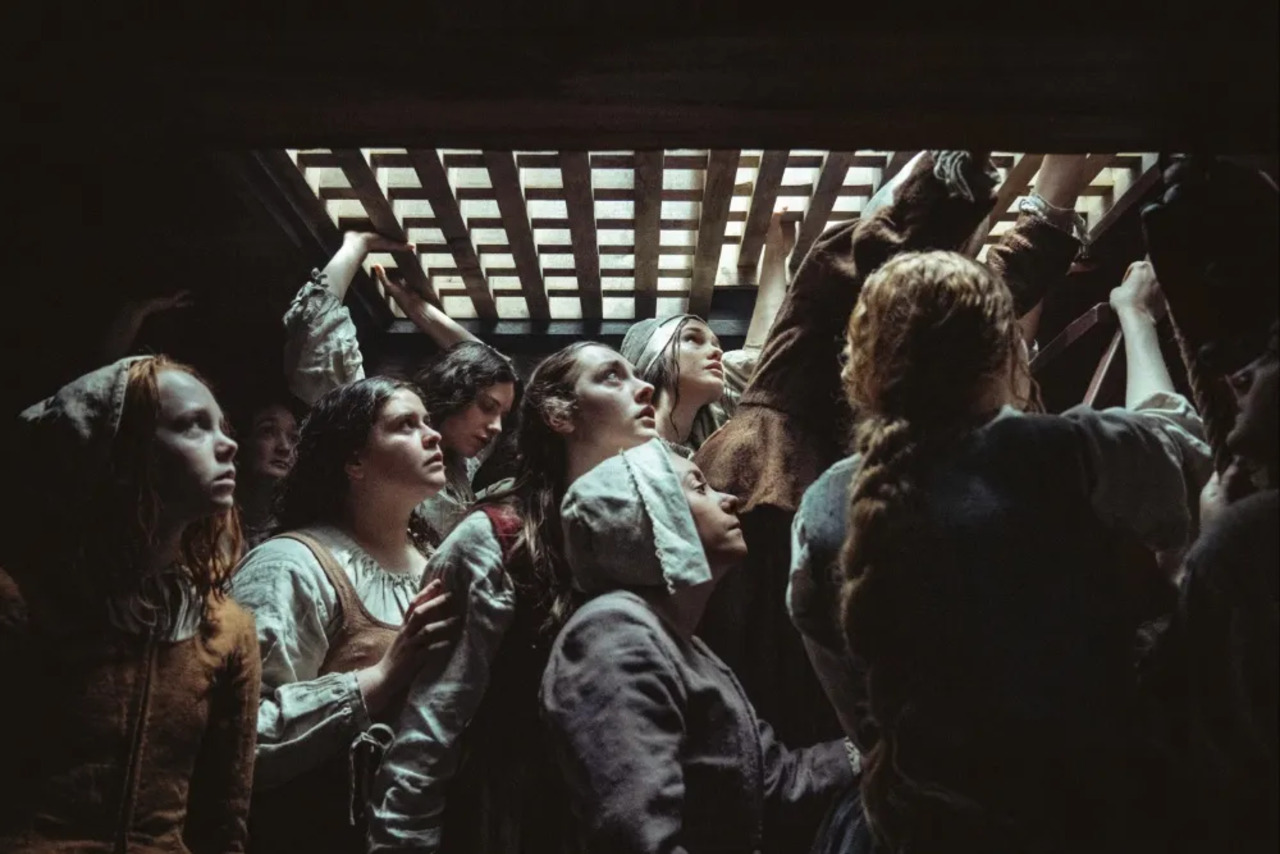
The production of King’s Daughters is a testament to a collaborative effort involving experienced producers who are keen to highlight women’s contributions to history. Producers Dominique Dussault (Nemesis Films, known for Red Rooms), Stephanie Morissette (La Maison de Prod, known for Ravenous), and Caroline Bonmarchand (Avenue B, known for The Origin of Evil) have jointly expressed their pride in contributing to a narrative that shines a light on the often-unacknowledged roles of women in shaping historical events.
Their collective statement emphasizes the film’s thematic relevance to contemporary audiences: "As three women producers, we are proud to be part of the current wave of change that is bringing greater attention to women’s contributions to history. King’s Daughters themes of female solidarity within a story of survival, oppression, and resilience will resonate deeply with contemporary audiences. This epic tale offers viewers a glimpse into the origins of what we now call sisterhood." This perspective suggests that beyond the horror elements, the film will also explore the bonds formed between these women as they navigate their shared ordeal, fostering a sense of collective strength in the face of adversity. The concept of "sisterhood" as an emergent force from shared hardship is a potent theme that can elevate the film beyond a mere historical horror narrative.
Production Timeline and Future Outlook
Filming for King’s Daughters is slated to resume in June in Saint-Malo, France. This coastal city, with its rich maritime history and historic architecture, provides an evocative backdrop for the film’s early 17th-century setting. The choice of location likely aims to enhance the authenticity and immersive quality of the historical narrative.
The film is currently slated for a 2027 release. This deliberate timeline suggests a commitment to a thorough post-production process, allowing for meticulous attention to detail in visual effects, sound design, and editing, all of which are crucial for a film that aims to blend historical accuracy with genre intensity.
Implications and Audience Anticipation
The acquisition by WTFilms positions King’s Daughters for a potentially wide audience, particularly within the international film festival circuit and specialty theatrical releases. The film’s genre classification as historical folk-horror offers a unique blend that appeals to fans of both historical dramas and the supernatural, occult, and unsettling themes often associated with folk horror.
The success of Pascal Plante’s previous work, Red Rooms, has generated significant anticipation for King’s Daughters. Critics and genre enthusiasts have lauded Plante’s directorial style for its ability to evoke dread and psychological unease, often through suggestion and atmosphere rather than gratuitous gore. This nuanced approach is particularly well-suited to exploring the psychological and spiritual anxieties of the 17th century, where superstition and religious fervor were deeply intertwined with daily life.
The film’s focus on the "Filles du Roi" also taps into a growing interest in re-examining historical narratives through the lens of marginalized or underrepresented groups. By centering the experiences of these young women, King’s Daughters promises to offer a fresh perspective on the founding of New France, moving beyond the traditional male-dominated accounts of exploration and conquest. The "folk horror" element allows for the exploration of societal anxieties, fear of the unknown, and the clash between different belief systems, all of which were prevalent in the colonial era. The vast, untamed wilderness of New France, coupled with the isolation and fear of the sea voyage, provides fertile ground for such themes.
The film’s release in 2027 will place it within a broader landscape of historical dramas and genre films that continue to explore complex societal issues and historical events. The combination of historical accuracy, a compelling narrative of survival, and the evocative power of folk horror suggests that King’s Daughters has the potential to be a significant and thought-provoking cinematic event, offering audiences a chilling and illuminating glimpse into a pivotal moment in North American history. The producers’ emphasis on female solidarity and resilience further bolsters the film’s appeal, promising a narrative that is not only terrifying but also empowering and historically significant.