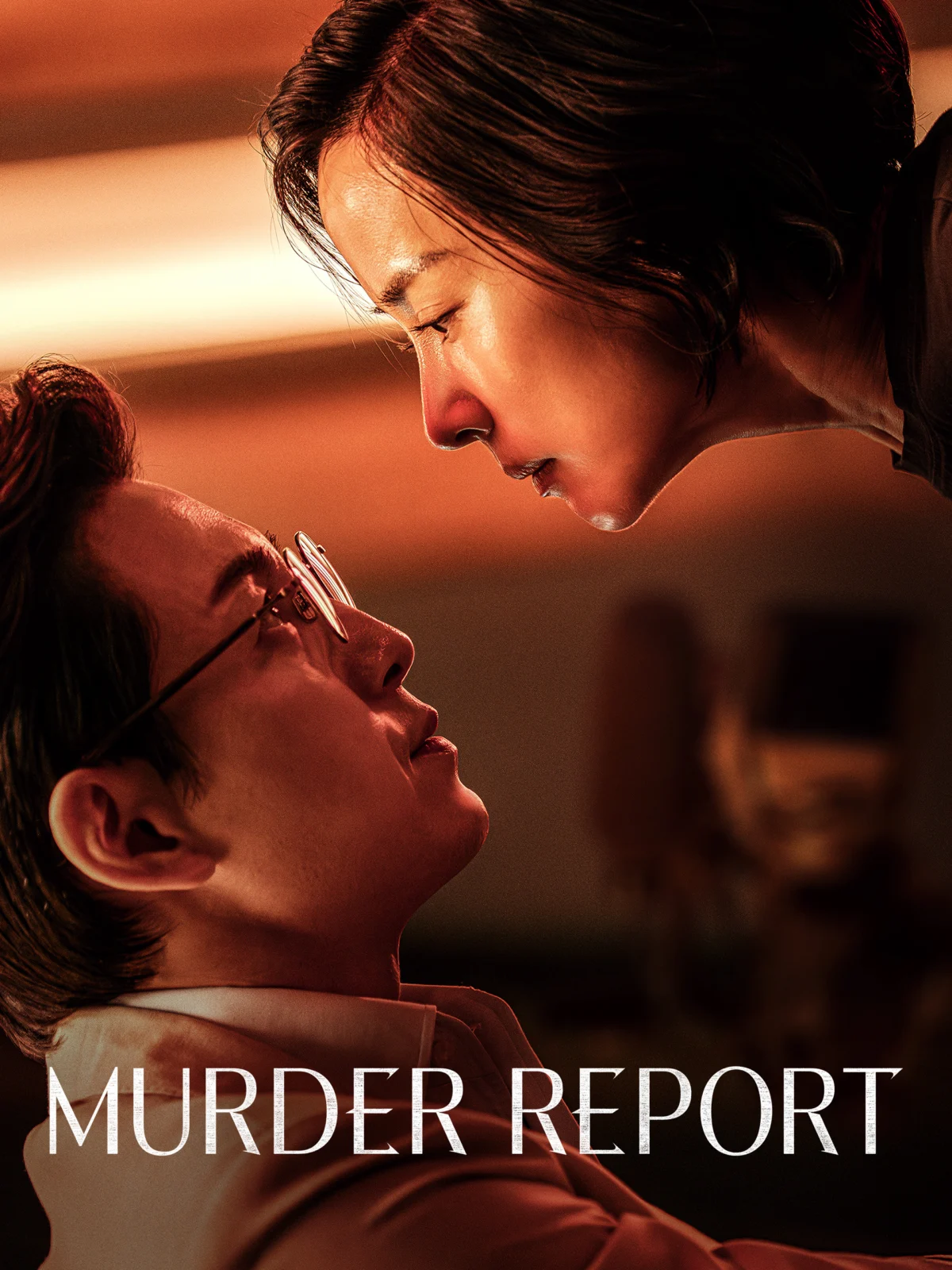
The cinematic landscape frequently explores the darker recesses of the human psyche, but few films manage to distill the essence of psychological conflict into such a confined, intense space as director and writer Cho’s "Murder Report." This psychological thriller, set entirely within the claustrophobic confines of a hotel room, draws its compelling narrative from a singular, unsettling observation: a child’s unwavering gaze at a tiger through a zoo fence. Cho, in an interview discussing the film’s genesis, recounted this scene, musing on the dramatic tension that would erupt if the barrier vanished, leaving predator and prey in an inescapable shared enclosure. This potent metaphor—the fragile boundary between order and chaos, safety and danger—became the foundational concept for a film that meticulously dissects the intricate dance between a serial killer and a journalist.
The Genesis of a Confined Thriller: From Observation to Orchestration
Cho’s initial inspiration transcended a mere visual anecdote; it delved into a profound psychological inquiry. The child and the tiger represent primal forces: innocence confronting raw, untamed power. The fence, a symbol of societal norms and physical restraint, is the only thing preventing an inevitable, cataclysmic interaction. By translating this scenario to a human context within "Murder Report," Cho probes the psychological barriers that exist between individuals, particularly when one embodies extreme danger and the other seeks to understand or contain it. The hotel room, therefore, becomes the metaphorical enclosure, stripping away external distractions and forcing an unvarnished confrontation between two diametrically opposed, yet intrinsically linked, characters. This conceptual framework establishes a high-stakes environment from the outset, promising a narrative rich in tension and psychological depth. The director’s decision to embrace such a minimalist setting is a testament to his confidence in character-driven storytelling and the power of atmosphere, deliberately eschewing grand set pieces in favor of a concentrated, internal battleground.
The Unfolding Narrative: A High-Stakes Interview
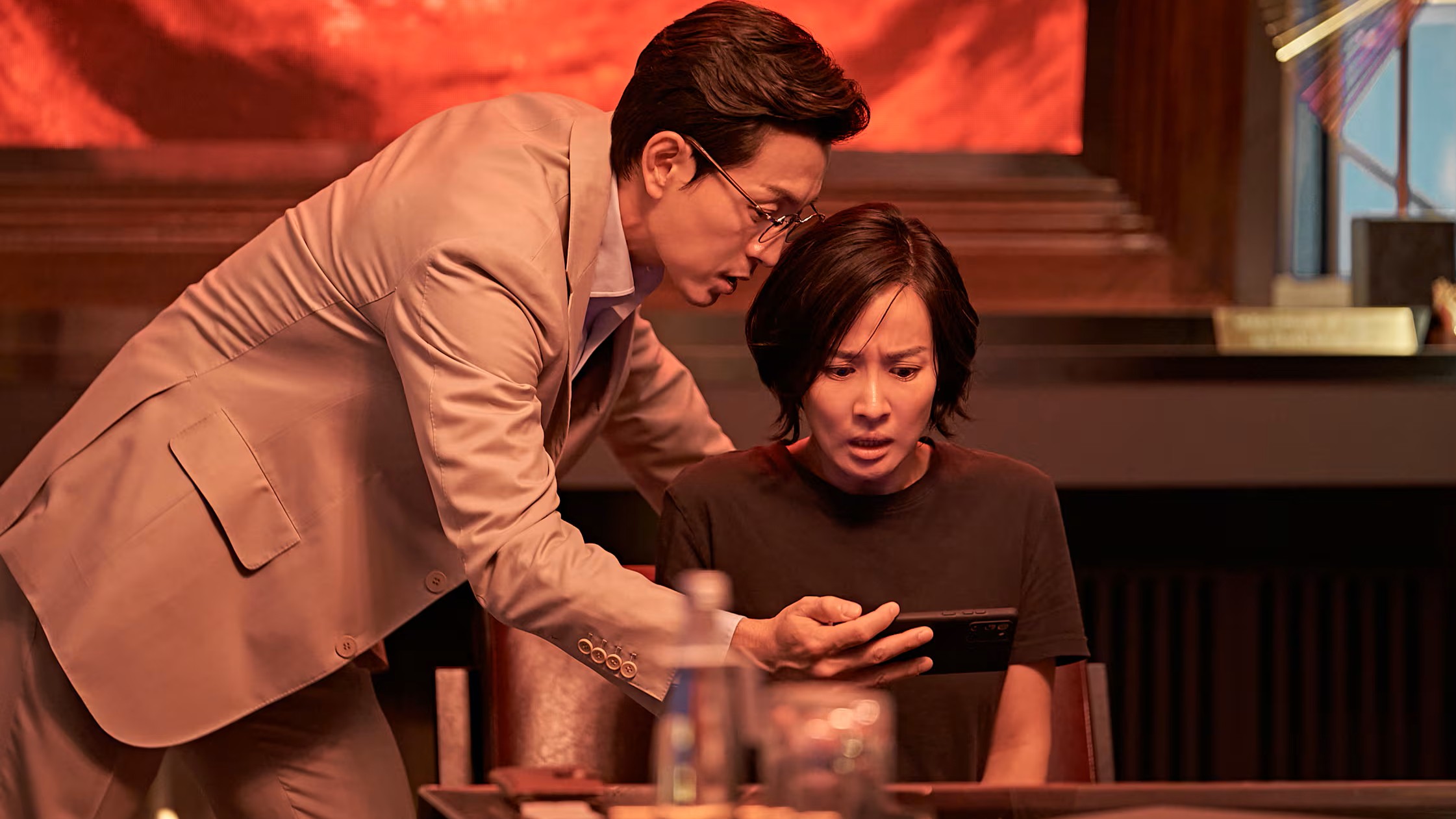
The narrative of "Murder Report" commences with an urgent and unsettling proposition. Journalist Baek Sun-ju (portrayed by Cho Yeo-jeong), a professional driven by the pursuit of truth and a craving for a career-defining scoop, receives a chilling phone call. The caller, Lee Young-hun (played by Jung Sung-il), identifies himself as a prolific serial killer, boasting eleven victims to his name. His demand is unconventional: an exclusive interview. The stakes are immediately escalated as Lee issues an ultimatum – refusal will result in another life being taken that very night. This immediate threat thrusts Baek into a moral quagmire, balancing the journalistic imperative for an exclusive with the ethical responsibility of potentially saving a life. Her decision to accept the perilous invitation, while discreetly enlisting her detective boyfriend, Han (Kim Tae-han), for backup, sets the stage for a psychological chess match that unfolds within the claustrophobic confines of a single hotel room. This setup cleverly inverts the traditional police procedural, placing the burden of investigation and negotiation squarely on the shoulders of a civilian, albeit one trained in extracting information.
A Masterclass in Confinement: The Hotel Room as a Character
Cho’s ambitious vision, confining the entire near two-hour runtime to a single location with primarily two main actors, proves remarkably effective. The hotel suite transcends a mere backdrop; it functions as a dynamic, interactive entity, a "living organism" that subtly influences and responds to the characters within its walls. The tastefully furnished space, adorned with large electronic wall panels, is instrumental in this transformation. These panels are not mere aesthetic embellishments; they are integral to the film’s atmospheric shifts. As they display varying patterns and colors, the room’s ambiance undergoes palpable transformations, oscillating between states of imposing grandeur and suffocating confinement, particularly for Baek. This innovative use of technology within the set design allows the film to maintain visual dynamism despite its static location, reflecting the internal turmoil and shifting power dynamics between the characters.
The meticulous design extends beyond the electronic panels. The use of overhead shots periodically reveals the intricate, almost labyrinthine decorative layout of the rooms, offering a god’s-eye view that emphasizes the characters’ entrapment and the orchestrated nature of their encounter. Furthermore, a subtle yet potent detail, an eye pattern etched onto the table in the interview space, serves as a constant, subliminal reinforcement of surveillance and psychological unease. This motif speaks to the themes of being watched, judged, and the intense scrutiny both characters are under, not just from each other but from unseen forces. The strategic deployment of these visual cues ensures that the setting is never monotonous, instead becoming an active participant in the psychological drama.
Color, Light, and Psychological Revelation
The visual language of "Murder Report" is profoundly shaped by its color palette and the creative application of lighting, acting as a direct mirror to the narrative’s psychological progression. In the initial encounter between Baek and Lee, the dominant tone is one of muted greys and calm lighting. This deliberate choice reflects the initial restraint and calculated guardedness of both characters, each concealing their true intentions and deeper motives. It signifies a period of tentative probing, a superficial politeness masking a dangerous undercurrent.
As the interview progresses and layers of deception begin to peel away, the lighting subtly but significantly shifts. Lee Young-hun, eventually revealing himself not just as a killer but a former psychiatrist, claims a warped sense of justice: his victims are "bad" people who have allegedly wronged his former patients. This revelation marks a turning point, and the visual environment responds in kind. The shifting hues of the electronic panels become more pronounced, introducing warmer, more intense tones as the emotional temperature rises. The climax is underscored by a dramatic saturation of the room in a blood-red hue. This striking visual escalation is not merely for shock value; it intensifies the narrative’s emotional peak, symbolizing the eruption of violence, the shedding of pretenses, and the final, visceral confrontation of truth. This sophisticated interplay of light and color effectively communicates the escalating tension and the characters’ psychological states without relying solely on dialogue, enhancing the immersive experience for the viewer.
Maintaining Tension: Interspersed Scenes and Narrative Rhythm
Despite the inherent challenges of a single-location film, Cho skillfully avoids monotony through carefully interspersed scenes depicting Detective Han in the room directly below, listening intently to the unfolding drama. These interruptions serve multiple critical functions. Firstly, they provide crucial moments of relief from the intense, claustrophobic two-person interaction, offering a different perspective and expanding the immediate narrative scope. Secondly, and perhaps more importantly, they significantly enhance the overall tension. Han’s silent reactions, his expressions of concern, frustration, or dawning realization, provide an external commentary on the interview, allowing the audience to process information and anticipate developments alongside him.
These cutaways also enrich the narrative by introducing another layer of dialogue and emotional complexity. While Han is largely a silent observer, his presence and reactions underscore the real-world implications of the conversation upstairs, reminding the audience of the potential for intervention and the broader consequences of Lee’s actions. The rhythmic alternation between the interview room and Han’s observation post creates a dynamic pacing that propels the story forward, preventing the confined setting from feeling stagnant. This directorial choice is a testament to Cho’s understanding of how to manipulate audience perception and maintain engagement in a high-concept, minimalist setting.
Performances that Anchor the Narrative: The Power of the Leads
Despite not being a large-budget production, "Murder Report" excels primarily due to its compelling narrative progression and the exceptional performances delivered by its lead actors. Jung Sung-il, with a background rooted in theatre, delivers a truly standout performance as Lee Young-hun. His portrayal is nuanced and chilling, embodying a character shaped by profound trauma and a twisted sense of justice. What makes his performance particularly noteworthy is that this marks his first leading role in a feature film. He navigates the demanding complexities of the part—a composed yet deeply disturbed individual, an intellectual killer who believes he is purging societal ills—with remarkable confidence and subtlety, demonstrating an impressive range that belies his relative inexperience in such a prominent cinematic role.
Equally compelling is Cho Yeo-jeong, widely recognized for her memorable role in Bong Joon-ho’s critically acclaimed "Parasite." As Baek Sun-ju, she embodies the desperation of a journalist yearning for a breakthrough, yet simultaneously grappling with the terrifying reality of her situation. Her performance captures the intelligence, vulnerability, and sheer grit required to face such an adversary. The convincing performances of both actors, particularly their intense and palpable interplay, significantly elevate the overall viewing experience, transforming what could have been a static dialogue into a dynamic psychological battle. Kim Tae-han provides a solid supporting performance as Detective Han, Baek’s boyfriend, whose own hidden secret adds another subtle layer of intrigue to the unfolding drama. Ultimately, significant credit is due to director Cho, who masterfully transforms the interview room from a mere set into a third central presence—a sinister, evolving space that gradually overwhelms its occupants, amplifying the psychological pressure and the inherent danger.
Thematic Depth: Morality, Justice, and Media Ethics
Beyond the immediate cat-and-mouse game, "Murder Report" delves into profound thematic territory. Lee Young-hun’s self-proclaimed mission to target "bad" people who have wronged his patients raises complex questions about vigilante justice and the arbitrary nature of morality. Is justice solely the domain of the law, or are there circumstances where individuals feel compelled to take matters into their own hands? The film subtly explores the psychological toll of societal neglect and the failures of traditional systems, even as it condemns Lee’s extreme methods.
Baek Sun-ju’s role, as a journalist, also introduces an ethical dimension concerning media responsibility. Her pursuit of an exclusive story, even one involving a serial killer, forces viewers to consider the fine line between informing the public and sensationalizing tragedy. How far should a journalist go to get the story, and at what cost? The film implies a critique of the media’s hunger for dramatic narratives, juxtaposing it with the very real human suffering involved. The interplay between these characters, therefore, is not just a personal confrontation but a microcosm of broader societal debates on crime, punishment, and the media’s role in shaping public perception.
Genre Homage and Distinctions: Navigating Familiar Tropes
While "Murder Report" stands as an accomplished slow-burning psychological thriller, its narrative does occasionally tread on familiar ground, drawing parallels to established works within the genre. The central interview dynamic, for instance, inevitably recalls the iconic prison encounters between Hannibal Lecter and FBI trainee Clarice Starling in "The Silence of the Lambs." The trope of the brilliant, manipulative serial killer engaging in a cerebral game with an investigator is a powerful one, and "Murder Report" utilizes it effectively. However, where Lecter often exuded an overt, predatory menace, Lee Young-hun’s composed demeanor and elegant appearance make him less immediately threatening, instead cultivating a more insidious, unsettling presence. This subtle distinction allows Jung Sung-il to carve out a unique interpretation of the "intellectual killer" archetype.
Furthermore, the imagery of victims wrapped in plastic, while chilling, can evoke comparisons to the vigilante serial killer series "Dexter." While these comparisons highlight the film’s engagement with established genre conventions, "Murder Report" manages to distinguish itself through its relentless focus on psychological intensity within a singular, confined space. Unlike "Dexter," which often delves into the killer’s internal monologue and external actions, "Murder Report" prioritizes the intricate verbal and non-verbal exchanges between two individuals locked in a battle of wits, making the intellectual and emotional stakes feel incredibly personal and immediate. The film’s strength lies not necessarily in groundbreaking originality of its premise, but in its masterful execution of a tried-and-true formula, elevating it through compelling performances and a meticulously crafted atmosphere.
The Broader Impact and Implications for Korean Cinema
"Murder Report" contributes significantly to the growing canon of sophisticated psychological thrillers emerging from South Korea. The country’s cinema has long been lauded for its dark narratives, complex characters, and willingness to explore uncomfortable truths, and Cho’s film fits seamlessly into this tradition. It showcases the enduring power of minimalist filmmaking, proving that a compelling story and strong performances can transcend budgetary constraints. The film’s success in generating sustained tension within a single room serves as a powerful example for aspiring filmmakers, demonstrating that creativity in concept and execution can be more impactful than elaborate production design.
For director Cho, "Murder Report" positions him as a director capable of extracting profound drama from limited resources, marking him as a talent to watch in the genre. For Jung Sung-il, the film is a significant breakthrough, establishing him as a formidable leading man capable of handling complex, intense roles. For Cho Yeo-jeong, it further cements her reputation as a versatile actress capable of delivering powerful performances across a range of genres. The film’s critical reception, likely focusing on its atmospheric tension, the strength of its lead performances, and its intelligent script, will undoubtedly bolster its standing within contemporary Asian cinema. Despite its thematic echoes of past thrillers, "Murder Report" ultimately stands as a testament to the enduring appeal of the psychological thriller, offering an engaging viewing experience that skillfully combines strong performances, a striking atmosphere, and a series of meticulously layered twists that keep the audience captivated until the final, chilling revelation. Its exploration of confinement, observation, and the fragile boundaries of human nature resonates deeply, ensuring its place as a memorable entry in the genre.