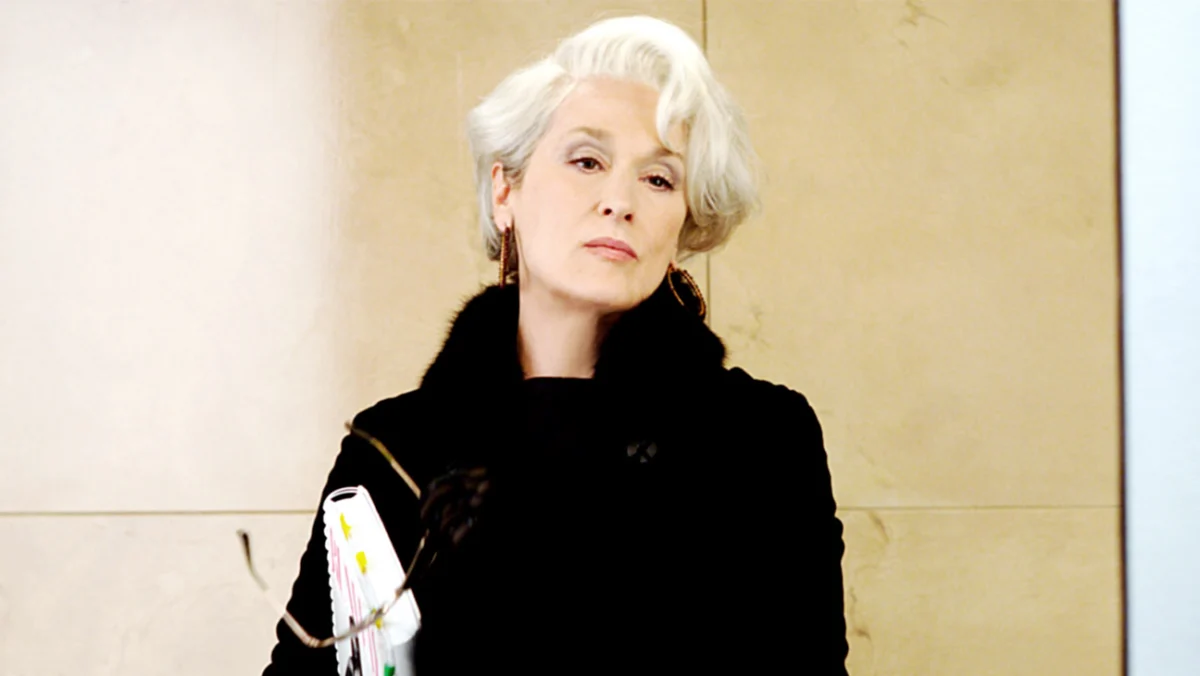
For nearly two decades, the cinematic landscape has been captivated by the formidable persona of Miranda Priestly, the glacial editor-in-chief of Runway magazine in the critically acclaimed film The Devil Wears Prada. Portrayed with chilling precision by the legendary Meryl Streep, the character has become synonymous with a certain brand of high-fashion authority, leading many to believe that Streep’s performance was a direct homage to Vogue editor Anna Wintour. However, in a recent appearance on The Late Show with Stephen Colbert, the three-time Academy Award winner has unequivocally debunked this pervasive myth, revealing that her true muses for the iconic role were, in fact, two titan filmmakers: Mike Nichols and Clint Eastwood. This unexpected revelation recontextualizes one of cinema’s most memorable performances and offers a profound insight into Streep’s meticulous approach to character development, further enriching the legacy of a film that continues to resonate culturally.
The Unveiling of Miranda Priestly’s True Muses
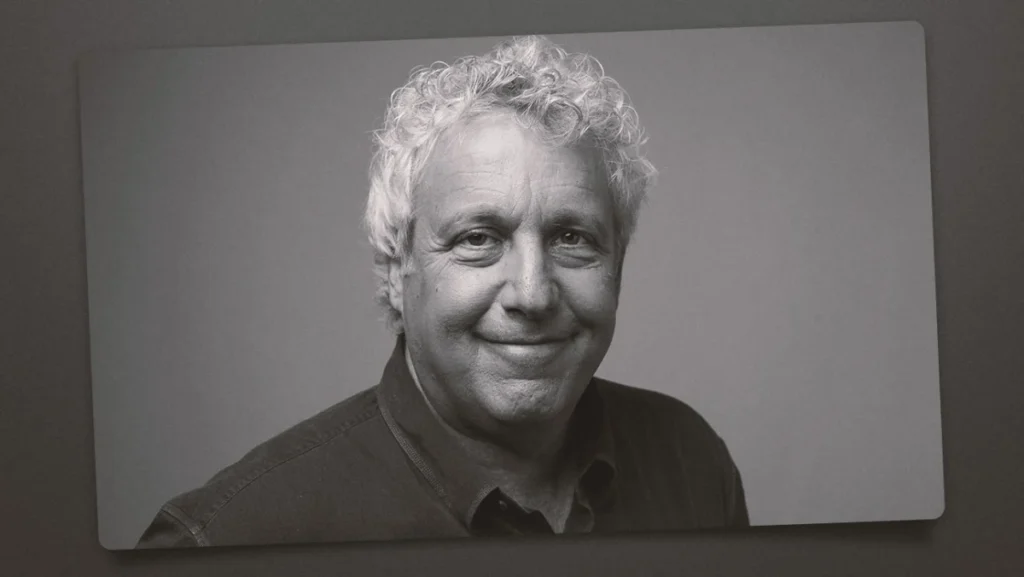
During her insightful conversation with Stephen Colbert, Streep candidly shared the surprising genesis of Miranda Priestly’s distinctive demeanor. "I was basically imitating Mike Nichols that whole time," Streep stated, adding a whimsical hypothetical: "If Mike Nichols and Clint Eastwood had a baby… it would be Miranda Priestly." This declaration immediately sent ripples through both the entertainment industry and the vast fan base of The Devil Wears Prada, challenging a long-entrenched assumption that had become almost canonical in pop culture discussions surrounding the film.
Streep’s explanation provided specific attributes she gleaned from each director. From Nichols, her inspiration stemmed from his commanding yet subtly humorous directing style. "The command on the set. And Mike would do it sort of with a sly humor," Streep elaborated. She connected this directly to Miranda’s sharp, often biting remarks, noting, "Miranda, she knows that what she’s saying is sort of snide, but she knows it’s kind of funny too. And that little way of doing things, people take as mean, but it’s funny. I think it’s funny." This keen observation highlights Nichols’ ability to wield authority with an underlying wit, a characteristic Streep masterfully translated into Priestly’s complex personality, where disdain often coexisted with an almost imperceptible glint of amusement.
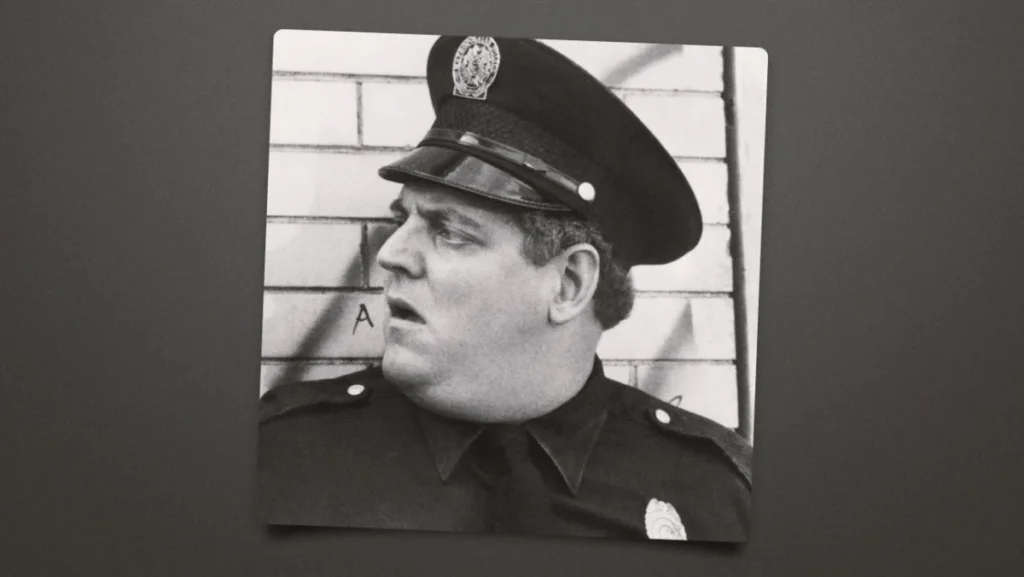
Clint Eastwood, on the other hand, offered a different, equally crucial facet to the character. Streep was deeply influenced by Eastwood’s remarkably calm yet undeniably authoritative presence on set. "Clint would never raise his voice," she recounted. "He would direct and people had to lean forward to hear what he was saying… He’d often shoot the rehearsal and then move on. So his crew was like on the balls of their feet. No one was sitting down except me." This anecdote paints a vivid picture of a director whose quiet confidence commanded absolute attention and efficiency. Streep assimilated this understated power, translating it into Miranda’s serene, almost unruffled exterior, which belied her immense power and the anxiety she inspired in her subordinates. The ability to exert such control without resorting to overt displays of aggression became a hallmark of Priestly’s on-screen presence.
When queried by Colbert about whether she had informed her directorial inspirations, Streep confirmed she had shared the insight with Nichols, who was "thrilled," but had never mentioned it to Eastwood. This detail adds a layer of personal anecdote to the revelation, highlighting the intimate, often unspoken connections actors forge with their collaborators that can profoundly shape their craft.
Deconstructing the Influences: Mike Nichols’ Wit and Command
Mike Nichols, a legendary figure in American cinema and theater, was renowned for his sharp intellect, incisive humor, and masterful direction across a diverse range of genres. An EGOT winner (Emmy, Grammy, Oscar, Tony), Nichols’ career spanned over five decades, marked by iconic films like The Graduate (1967), Who’s Afraid of Virginia Woolf? (1966), and Working Girl (1988). Streep had a significant professional relationship with Nichols, having collaborated with him on several projects, providing ample opportunity for her to absorb his unique directorial style. Their work together included the powerful drama Silkwood (1983), the romantic comedy Heartburn (1986), and the groundbreaking HBO miniseries Angels in America (2003), for which Streep earned an Emmy Award.
Nichols was known for fostering an environment of creative intensity, often pushing actors to their limits while maintaining a sense of playfulness. His directing was characterized by a keen understanding of human psychology, sharp dialogue, and a subtle comedic touch even in dramatic contexts. The "sly humor" Streep described was a signature of Nichols’ approach, allowing for moments of levity to underscore deeper truths or to deliver a cutting observation with a smile. This nuanced application of humor, which could be perceived as both witty and pointed, perfectly mirrors Miranda Priestly’s ability to disarm or devastate with a single, perfectly calibrated phrase, often delivered with an air of sophisticated amusement.
The Eastwoodian Calm: Authority Without Volume
Clint Eastwood, a quintessential American icon, has carved an unparalleled career as both an actor and a director. Known for his stoic, often laconic screen presence in films like Dirty Harry (1971) and The Good, the Bad and the Ugly (1966), Eastwood transitioned seamlessly into a highly respected directorial career, helming acclaimed features such as Unforgiven (1992), Million Dollar Baby (2004), and American Sniper (2014). His directorial style is legendary for its efficiency, economy, and quiet authority. Eastwood famously prefers few takes, trusts his actors, and maintains a remarkably calm demeanor on set, fostering an environment where everyone is expected to be prepared and focused.
Streep’s experience working with Eastwood on The Bridges of Madison County (1995), a romantic drama where she starred opposite him, provided her firsthand exposure to this unique style. Eastwood’s ability to command respect and achieve desired results without raising his voice or engaging in histrionics resonated deeply with Streep. Miranda Priestly embodies this trait perfectly. Her power is rarely expressed through shouting or overt aggression; instead, it manifests as a quiet, unwavering expectation of excellence, a dismissive glance, or a softly spoken, devastating critique. The mere tilt of her head or a slow, deliberate gaze is enough to send shivers down the spines of her staff, mirroring the focused intensity Eastwood cultivates on his film sets. This fusion of Nichols’ sharp wit and Eastwood’s serene authority created a character who is simultaneously intimidating and captivating, embodying a complex blend of intellectual superiority and unshakeable control.
The Enduring Anna Wintour Assumption: A Cultural Phenomenon
For years, the widespread belief that Miranda Priestly was a thinly veiled portrayal of Anna Wintour, the formidable editor-in-chief of Vogue (and now Condé Nast’s chief content officer and global editorial director of Vogue), was almost universally accepted. This assumption was primarily fueled by the origins of the source material: Lauren Weisberger’s 2003 novel, The Devil Wears Prada. Weisberger had famously worked as an assistant to Wintour at Vogue in the late 1990s, and her book was widely perceived as a roman à clef, drawing heavily on her experiences in the high-pressure world of fashion journalism.
Anna Wintour herself is an icon, instantly recognizable by her signature bob haircut and ever-present dark sunglasses, which contribute to an aura of inscrutability and immense power. Her reputation as a demanding, uncompromising, and highly influential figure in the fashion industry cemented the public’s belief in the Priestly-Wintour parallel. Media portrayals and anecdotes from former employees often painted a picture of a perfectionist who expected absolute dedication and adherence to her exacting standards, traits that are undeniably central to Miranda Priestly’s character. The film’s release in 2006 only intensified this association, with many viewers delighting in what they perceived as an insider’s glimpse into Wintour’s world. The public fascination with the "real" person behind the fictional character contributed significantly to the film’s buzz and enduring popularity.
Wintour’s Perspective: A Surprising Endorsement
Despite the pervasive comparisons, Anna Wintour’s personal reaction to The Devil Wears Prada and its lead character has always been one of surprising geniality. In a previous interview with New Yorker editor David Remnick on The New Yorker Radio Hour podcast, Wintour shared her experience attending the film’s premiere. "I went to the premiere wearing Prada, completely having no idea what the film was going to be about," she recalled. She acknowledged that the fashion industry, concerned for her reputation, had anticipated a negative portrayal.
However, Wintour’s own assessment was quite different. "First of all it was Meryl Streep, which, fantastic," she stated, highlighting Streep’s undeniable talent. Upon watching the film, she found it "highly enjoyable. It was very funny." She even noted its commercial benefit to the brand Prada, humorously stating, "Miuccia [Prada] and I talk about it a lot, and I say to her, ‘Well it was really good for you.’" Wintour praised the film’s humor, wit, and the performances of its cast, including Emily Blunt, concluding that "In the end, I thought it was a fair shot." This gracious acceptance from the very person widely believed to be the inspiration added another layer of intrigue to the film’s legacy, demonstrating a remarkable sense of humor and self-awareness from the fashion titan.
"The Devil Wears Prada": A Cinematic Legacy
Released in June 2006, The Devil Wears Prada quickly became a cultural touchstone. Directed by David Frankel and adapted for the screen by Aline Brosh McKenna, the film was a critical and commercial success, grossing over $326 million worldwide against a $41 million budget. It was praised for its sharp script, engaging performances, and its ability to blend humor with a nuanced look at ambition, power dynamics, and the often-brutal realities of the fashion industry.
Meryl Streep’s portrayal of Miranda Priestly was universally lauded, earning her an Academy Award nomination for Best Actress and a Golden Globe Award for Best Actress in a Motion Picture – Musical or Comedy. Her performance was a masterclass in understated power, conveying layers of complexity with minimal gestures and a commanding vocal delivery. The film also launched or significantly boosted the careers of Anne Hathaway, Emily Blunt, and Stanley Tucci, whose performances as Andrea Sachs, Emily Charlton, and Nigel Kipling, respectively, were equally memorable. The Devil Wears Prada transcended its genre, becoming a touchstone for discussions about workplace dynamics, mentorship, and the sacrifices often made in the pursuit of professional success. Its enduring popularity is evident in its continued relevance in popular culture, frequently quoted lines, and the constant speculation surrounding a potential sequel.
The Art of Character Embodiment: Streep’s Method
Streep’s revelation offers a fascinating glimpse into the meticulous and often unexpected ways in which actors of her caliber approach their craft. Rather than simply imitating a public figure, Streep delved deeper, analyzing the essence of what makes a powerful and compelling leader. By drawing from the specific, observed behaviors and characteristics of two vastly different but equally influential directors, she crafted a composite character that felt uniquely authentic. This method speaks to Streep’s dedication to understanding the underlying psychology and behavioral patterns that define her characters, rather than relying on superficial mimicry.
Her choice of Nichols and Eastwood underscores a sophisticated understanding of leadership. Nichols’ intellectual acuity and witty command, combined with Eastwood’s calm, almost Zen-like authority, provided a blueprint for a character who is both intellectually intimidating and emotionally unreadable. This layered approach ensures that Miranda Priestly is not merely a caricature but a fully realized, complex individual whose power stems from a deeply ingrained sense of self and an unwavering conviction in her own judgment.
Looking Ahead: The Anticipated Sequel
The enduring popularity of The Devil Wears Prada has naturally led to consistent calls for a sequel. Recent reports have confirmed the development of The Devil Wears Prada 2, with Meryl Streep reprising her iconic role for the upcoming film, slated for release on May 1. The anticipation for this continuation is immense, promising to revisit the beloved characters and explore new narratives within the high-stakes world of fashion. Streep’s return, alongside potentially other original cast members, ensures that the sequel will carry the torch of the original’s cultural impact.
This newfound insight into Streep’s creative process for Miranda Priestly only adds to the excitement surrounding the sequel. It suggests that while the narrative may evolve, the core essence of Priestly’s character, built upon the nuanced inspirations of Nichols and Eastwood, will remain intact, promising another compelling performance that is both familiar and perhaps, in light of this revelation, even more profound.
Conclusion: A Reimagined Icon and Enduring Legacy
Meryl Streep’s candid disclosure regarding her true inspirations for Miranda Priestly fundamentally alters the public’s understanding of one of cinema’s most memorable antagonists. By shifting the narrative from a direct imitation of Anna Wintour to a sophisticated synthesis of Mike Nichols’ incisive wit and Clint Eastwood’s calm authority, Streep not only reaffirms her status as a master of her craft but also enriches the character’s legacy. It highlights that true artistic inspiration often transcends direct mimicry, instead drawing from a tapestry of observations and experiences to create something wholly original and deeply resonant.
The Devil Wears Prada continues to be celebrated for its sharp writing, compelling performances, and its insightful exploration of ambition, power, and identity within a demanding professional environment. This new revelation adds a fascinating chapter to its history, prompting audiences to re-evaluate Miranda Priestly not just as a fashion dictator, but as a carefully constructed amalgamation of formidable directorial presences. As the cinematic world eagerly awaits the sequel, this deeper understanding of Streep’s creative genius promises to make the return of Runway‘s formidable editor an even more anticipated and thought-provoking event.