Korean horror cinema has carved out a unique and enduring identity on the global stage, distinguishing itself not merely through jump scares or overt gore, but by delving into the intricate psychological, emotional, and social anxieties deeply rooted in Korean culture and history. Unlike many Western traditions that often prioritize monstrous antagonists or visceral shock, the most compelling works in this genre consistently explore themes of grief, intergenerational family trauma, ancient superstitions, pervasive paranoia, and complex rituals, crafting a form of fear that is profoundly disquieting and resonant. This terror is rarely superficial; it emanates from the sanctity of the home, the vulnerabilities of the human body, the echoes of collective memory, and the unresolved tensions between a tumultuous past and a rapidly modernizing present. Consequently, the genre’s most iconic titles are united not by a uniform style, but by their remarkable capacity to transmute personal anguish and societal unease into something far grander and more haunting.
A Historical Lens: The Rise of Korean Horror Cinema
The ascent of Korean cinema, often referred to as the "Korean New Wave" or "Hallyuwood," gained significant international traction in the late 1990s and early 2000s. This period saw a revitalization of the industry, fueled by increased government support, a burgeoning domestic market, and a new generation of filmmakers eager to tell distinctively Korean stories with universal appeal. While genres like action, melodrama, and thrillers often garnered the most mainstream attention, horror quickly emerged as a powerful vehicle for artistic expression and critical commentary. Early foundational films, such as the Whispering Corridors series (starting in 1998), deftly blended supernatural elements with poignant critiques of the rigid Korean education system and societal pressures, particularly on young women. These films established a precedent for horror that was both terrifying and thought-provoking, paving the way for the genre to move beyond simple frights into deeper thematic explorations. The critical and commercial success of these early works demonstrated a clear appetite for horror that tapped into local anxieties and presented a nuanced understanding of fear.
Thematic Pillars: Grief, Trauma, and Superstition
At the heart of Korean horror’s distinctiveness lie its thematic pillars. Grief, for instance, is not merely a plot device but an existential state, often linked to the profound impact of loss within a tightly-knit family structure, where the lingering presence of the dead can be more tormenting than any physical threat. Family trauma, frequently intergenerational, speaks to the enduring influence of Confucian values that emphasize filial piety and familial honor, making any rupture within this unit devastating. The genre frequently portrays how unresolved conflicts or hidden secrets within a family can manifest as supernatural disturbances or psychological breakdowns.
Superstition and ritual are equally central, reflecting the deep-seated presence of shamanism (Muism) and folk beliefs in Korean society, even in its most urbanized settings. These traditions, which often involve communicating with spirits, appeasing ancestors, or warding off malevolent forces, provide a rich, authentic cultural backdrop for horror narratives. Paranoia, too, finds fertile ground, often mirroring the anxieties of a society that has undergone rapid political, economic, and social transformation, leading to feelings of alienation, distrust, and a constant questioning of reality. This intricate tapestry of themes elevates Korean horror beyond fleeting scares, anchoring it in a profound understanding of the human condition and the cultural specificities of its origin.
Case Study 1: A Tale of Two Sisters – The Haunting of the Domestic Sphere (2003)
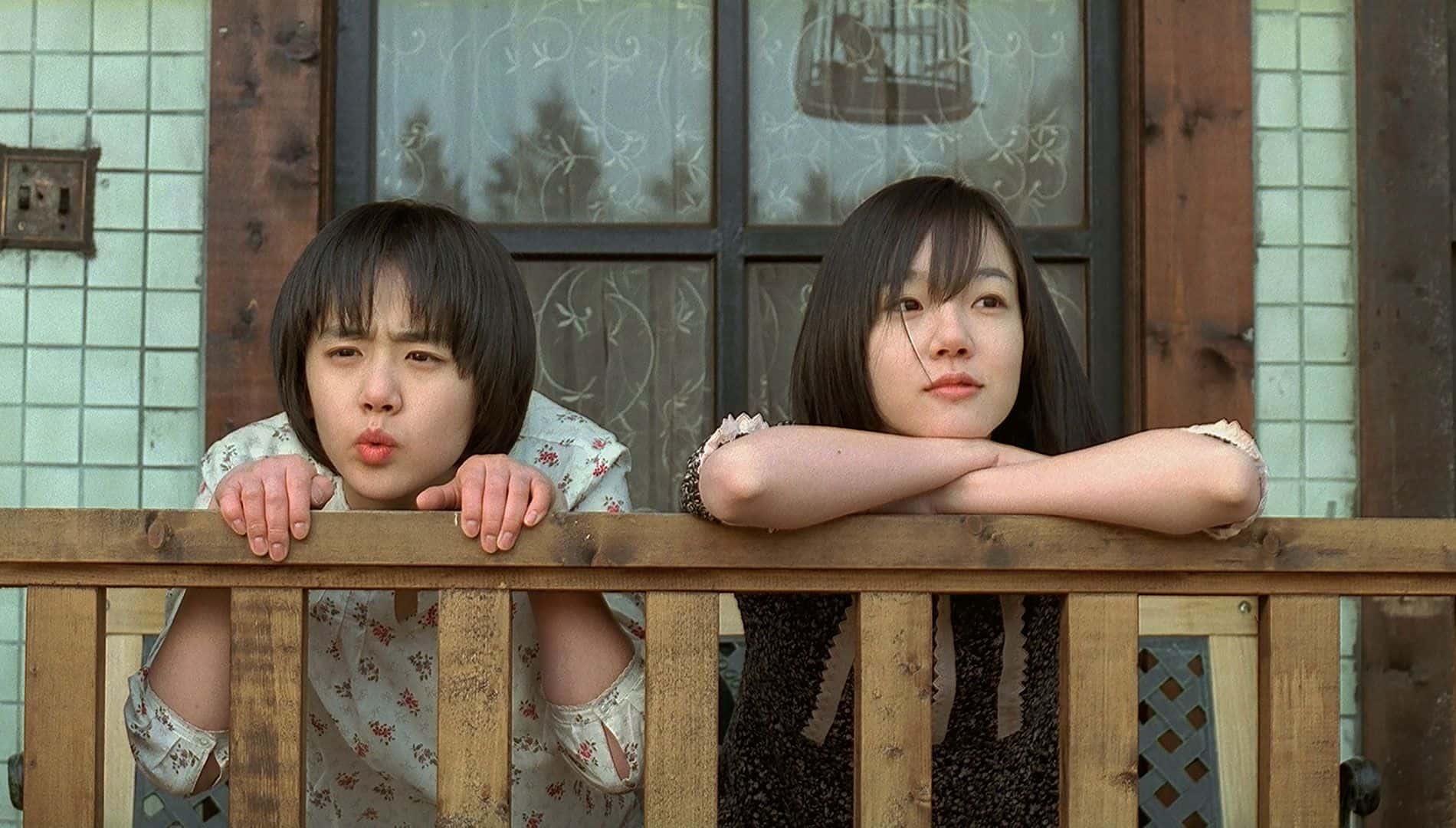
Kim Jee-woon’s A Tale of Two Sisters stands as a seminal modern example of Korean horror’s thematic depth. More than just a haunted house story, it is a deeply moving and disturbing family drama meticulously cloaked in psychological horror mechanics. The film’s premise appears deceptively simple: two sisters, Su-mi and Su-yeon, return to their secluded countryside home after Su-mi’s nervous breakdown, hoping to recover and adjust to their stepmother, Eun-joo. However, this domestic setting quickly devolves into a battlefield of emotional distance, unresolved grief, and simmering hostility. The spectral memory of their deceased mother permeates every corner, the stepmother embodies an archetypal evil fairy-tale figure, and the sisters’ fragile bond becomes their only sanctuary in an increasingly oppressive household.
The film’s genius lies in Kim Jee-woon’s profound understanding of psychological terror. He gradually escalates tension through masterful direction, nuanced performances, and evocative cinematography. Yum Jung-ah’s portrayal of Eun-joo, inspired by a multitude of malevolent stepmothers, generates much of the uncomfortable atmosphere. Critically, the film explores unprocessed trauma and a subtle power struggle between Su-mi and Eun-joo for the vacant maternal role. The house itself transforms into a character, its labyrinthine corridors and foreboding spaces mirroring the characters’ internal turmoil. Kim’s exceptional ability to use setting as a psychological landscape distinguished A Tale of Two Sisters from many contemporary Asian horror films of the early 2000s, solidifying its status as a benchmark for intelligent, emotionally resonant horror. The film grossed over $1 million domestically and was widely praised internationally, influencing a generation of filmmakers and proving that horror could be both terrifying and deeply artistic.
Case Study 2: The Wailing – Allegory, Ritual, and Collective Delusion (2016)
Na Hong-jin’s The Wailing marked a significant expansion of Korean horror, pushing the genre into broader, angrier, and more allegorical territory. Following the critical success of The Yellow Sea (2010), Na’s return was highly anticipated, and The Wailing exceeded expectations. It functions brilliantly as an agonizing thriller about a rural community consumed by madness, violence, and suspicion, while simultaneously serving as a sharp sociopolitical allegory. This duality is a primary reason for its enduring power.
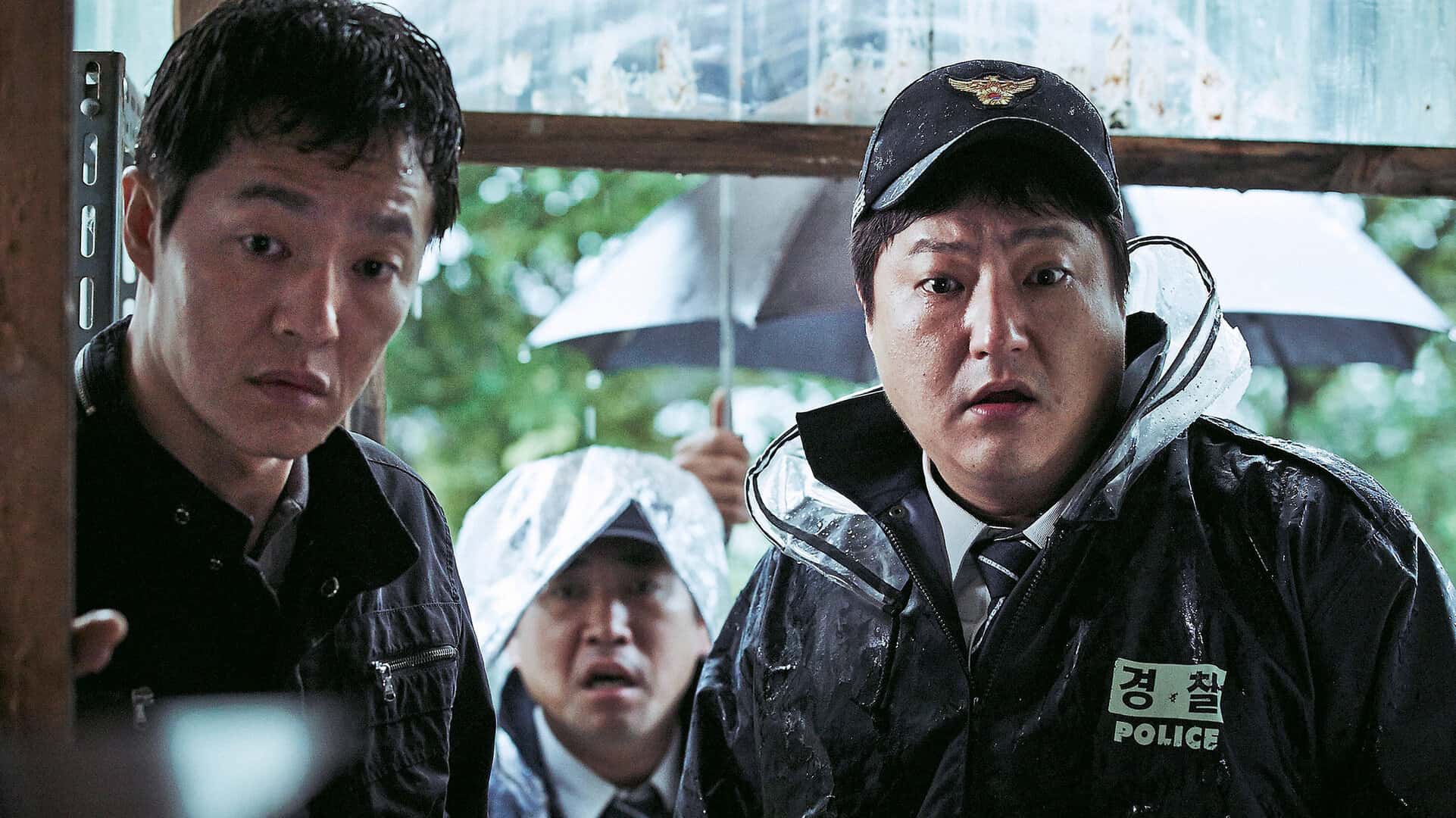
Set in a seemingly tranquil village, the narrative unfolds as a mysterious epidemic causes residents to lose their minds, violently attack relatives, and suffer from grotesque skin infections. The film initially adopts elements of folk horror, transitions into an investigative thriller, and ultimately spirals into something far more unstable and terrifying. Officer Jong-goo investigates rumors that a reclusive Japanese man on a nearby hill is responsible, suspicions that are seemingly confirmed by a strange young woman named Moo-myeong. Yet, the truth, and the identity of the true antagonists, remains fluid and elusive until the very end, maintaining relentless agony and delivering continuous, shocking twists.
What sets The Wailing apart is its masterful mobilization of ritual, religion, and xenophobia as interconnected forces. While incorporating fleeting imagery of zombies, vampires, and demons, it is the figure of the exorcist and the pervasive role of shamanic rituals that truly drive the supernatural elements. These supernatural manifestations are never mere spectacle; they are deeply intertwined with societal anxieties. Moo-myeong, the shaman Il-gwang, the Japanese outsider, and the earnest priest collectively point to a society where faith and prejudice have become dangerously inseparable. Racism transforms targeted individuals into perceived monsters, and ritual becomes both a desperate means of salvation and a tool of manipulation and deception.
The film’s exorcism sequence is widely regarded as one of the most impressive and meaningful scenes in contemporary Korean horror. The parallel rituals – one in light, one in darkness, with contrasting sacrificial elements, rhythmic hand drums, the possessed child’s agonizing reactions, and the adults’ mounting desperation – culminate in a breathtaking fusion of acting, editing, music, and cinematography. Here, ritual transcends cultural texture to become the very language through which the film explores fear, power, and collective delusion. The Wailing also demonstrates Korean horror’s ability to integrate grotesque imagery without succumbing to excess. Scenes of cannibalism, brutal killings, the skin infection, and ritual slaughter are present, but Na Hong-jin’s intricate script, profound allegory, meticulously developed characters, and elaborate cinematography ensure that the grotesqueness is contextualized, serving the narrative’s deeper meaning. The film garnered significant box office success, grossing over $50 million worldwide, and received widespread critical acclaim, cementing its place as a modern classic.
Case Study 3: Gonjiam: Haunted Asylum – Modernizing Found Footage with Korean Sensibility (2018)
While The Wailing expanded the genre’s allegorical reach, Jeong Beom-sik’s Gonjiam: Haunted Asylum demonstrated Korean horror’s capacity to appropriate and elevate a globally popular, yet often critically dismissed, format: found footage. The premise is contemporary and straightforward: a crew for a horror web show visits the infamous abandoned Gonjiam asylum to attract viewers, staging scares before realizing the location is genuinely haunted. While this setup might sound familiar, its execution is remarkably effective.
One of the film’s greatest strengths is the pervasive atmosphere of dread established by the asylum itself. The long, decaying corridors, blood-smeared walls, and palpable sense of abandonment create an ideal foreboding setting. Once the ghostly activity begins, the film unleashes its terror with abandon. Leveraging the reality-show conceit, the found-footage style allows for a frantic, immersive perspective, following characters through the asylum and delivering the expected flickering lights, slamming doors, and sudden disruptions. However, Gonjiam consistently finds innovative ways to surprise, whether through a floating wig in a pool of water, séances gone awry, or terrifying apparitions captured by thermal cameras, revealing presences invisible to the naked eye.
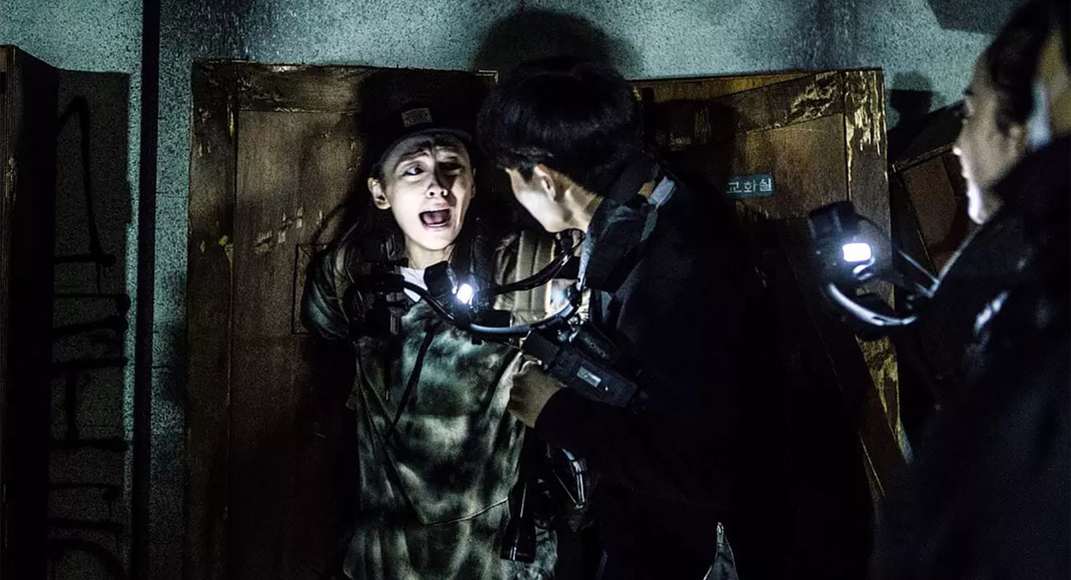
The film’s greatest triumph lies in the seamless synergy between its style and setting. The frantic action and terrifying encounters inside the asylum are enhanced by the found-footage immediacy, making the audience feel directly present in the unfolding nightmare. The finale, depicting the group’s desperate, cursed attempts to escape, provides a chilling conclusion. In a subgenre where found footage often serves as a narrative shortcut, Jeong uses it as an engine for unparalleled immersion, panic, and immediacy, delivering a genuinely frightening experience that proved Korean horror could adapt and excel even within heavily codified international formats. The film was a commercial success, grossing over $20 million worldwide, and was praised for revitalizing the found-footage subgenre.
The Blurring Lines: Horror in Adjacent Genres
Korean horror’s strength also lies in its fluidity, frequently bleeding into adjacent genres, most notably the thriller. This cross-pollination allows the genre’s core anxieties to persist even when traditional ghosts or overt rituals are absent.
Sub-Case 1: Midnight – Urban Terror and Social Vulnerability (2021)
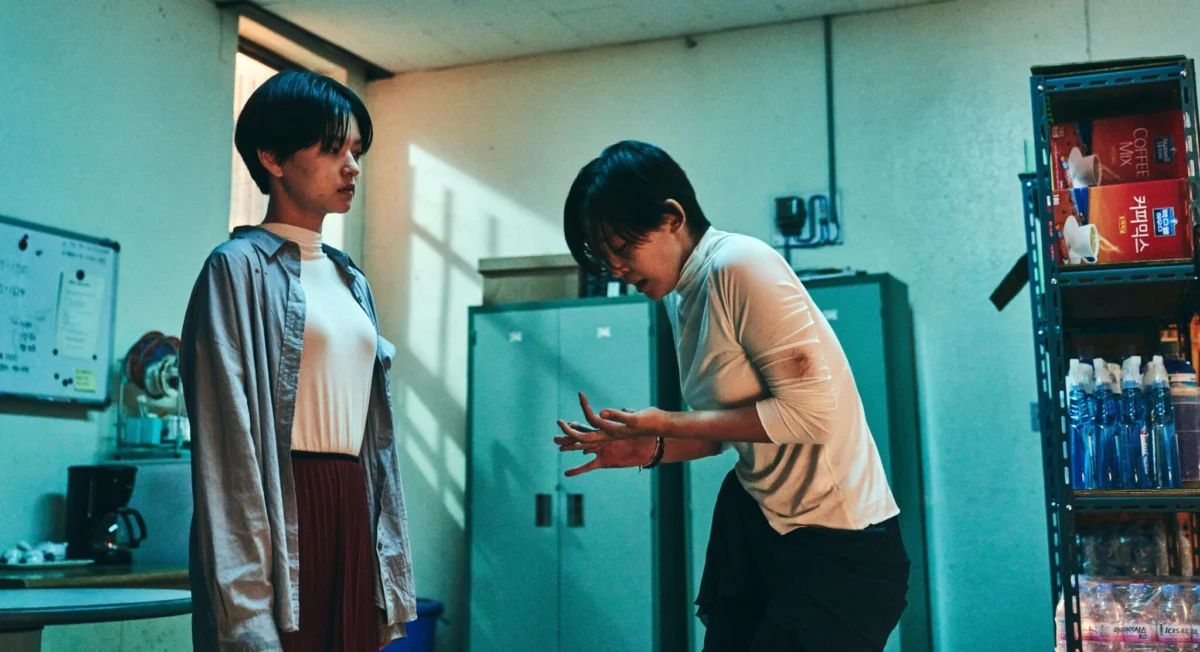
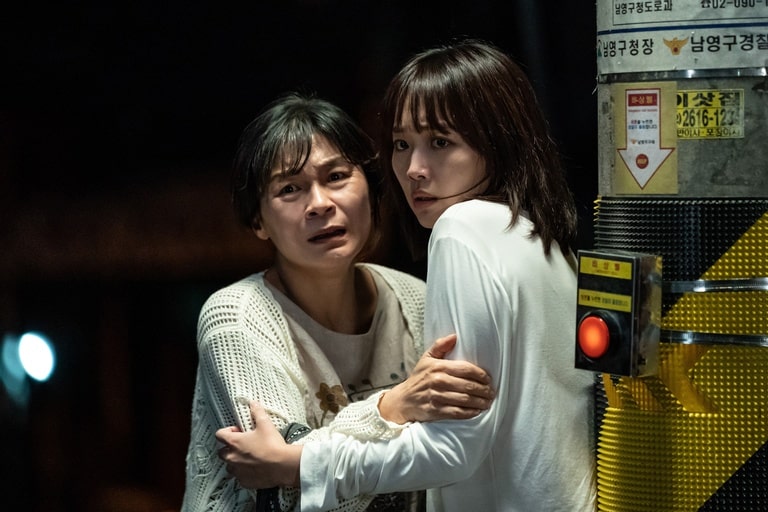
Kwon Oh-seung’s Midnight exemplifies how horror’s emotional core can thrive within a crime thriller framework. Structurally, it aligns with films like The Chaser (2008), yet its atmosphere of vulnerability and intense bodily tension firmly roots it in horror territory. The narrative follows Kyung-mi, a deaf woman pursued by a ruthless serial killer through the labyrinthine urban landscape, which transforms the city into a nightmare zone where communication breaks down, institutions fail, and danger lurks in the most mundane encounters.
Midnight derives its particular horror from three key elements: Kyung-mi and her mother are deaf, creating immense communication barriers with potential helpers; the killer, Do-sik, is characterized by chilling nerve and manipulative prowess, consistently evading capture; and the mother’s intuitive suspicion of Do-sik is dismissed until it’s too late. These elements collectively transform a straightforward thriller into an agonizingly tense experience akin to horror. The noir-infused cinematography of the narrow city streets eloquently communicates danger, while the action remains brutal and immediate. Furthermore, the film offers pointed social commentary, particularly on how society is often more willing to believe a polite killer than vulnerable women attempting to expose him, highlighting discrimination against both women and disabled individuals. Midnight underscores that Korean horror transcends the supernatural; sometimes, the ghost is replaced by the sociopath, ritual by routine urban movement, and possession by social blindness, yet the underlying emotional mechanism of helplessness, dread, and the terror of being unheard remains profoundly similar.
Sub-Case 2: Seire – Intimate Dread and Folk Superstition (2021)
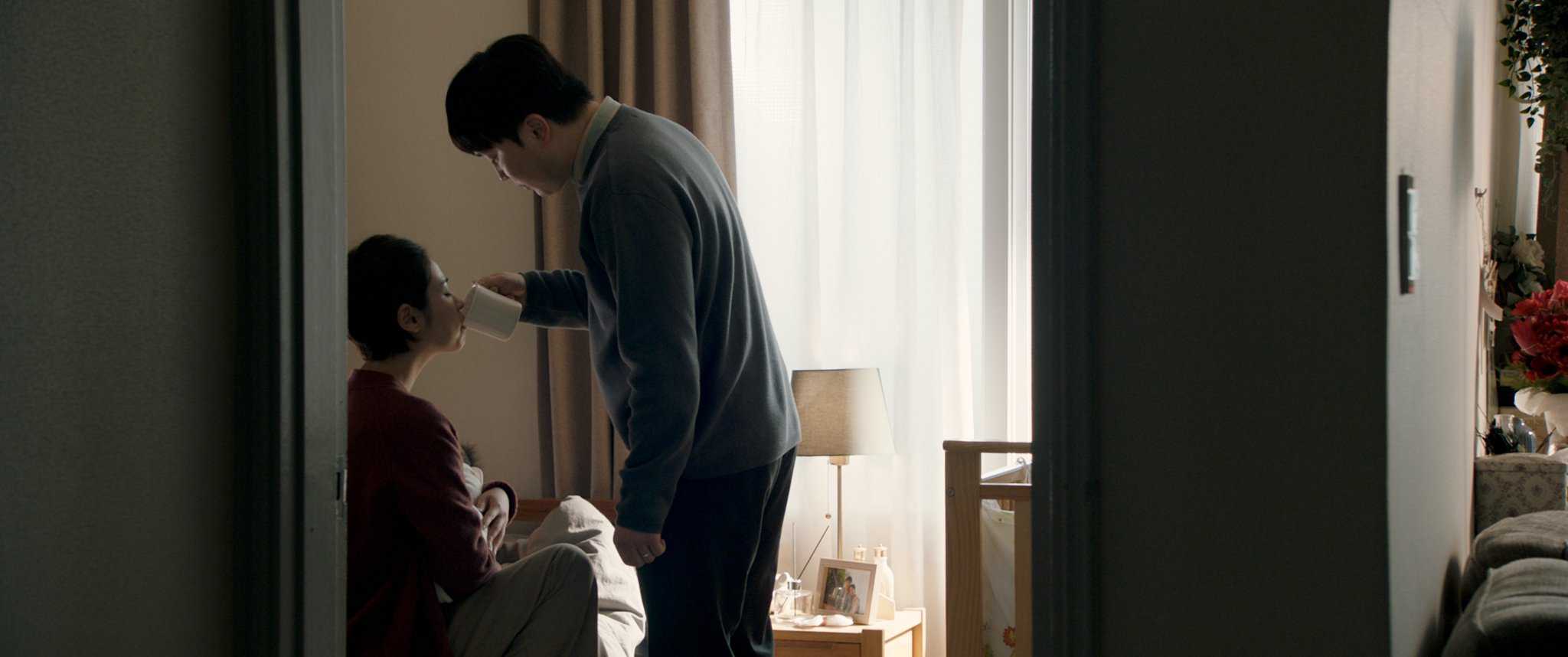
Park Kang’s Seire showcases the genre’s ability to renew itself while remaining deeply rooted in older anxieties. Though it may not have achieved the same broad visibility as The Wailing or Gonjiam, it offers a clear indication of contemporary Korean horror’s direction. The film is defined by superstition, suspicion, and paranoia, telling the story of a first-time father who becomes ensnared in a cycle of guilt and fear after violating traditional restrictions surrounding his newborn child. The concept of "seire" – the period during which certain acts are forbidden for the baby’s safety – immediately grounds the horror in cultural ritual and familial obligation rather than overt spectacle.
Seire is a slow-burn narrative where the protagonist’s initial skepticism gradually erodes, giving way to uncertainty and then terror. Park’s screenplay masterfully employs ambiguity, leaving much to the viewer’s imagination regarding whether the events are supernatural or purely psychological. While ambiguity is a familiar horror trope, Seire‘s emphasis on male guilt and responsibility provides a distinct texture. Hyun-woo Seo’s performance as the struggling father makes his internal conflict utterly believable, rendering his experienced horror palpable. The film eschews cheap jump scares, relying instead on powerful performances, atmospheric tension, evocative cinematography, and a haunting score to create a constant, insidious sense of dread. In doing so, Seire connects to a longstanding Korean horror tradition while pushing it toward a more intimate and meditative register, demonstrating the genre’s continuous evolution.
Sub-Case 3: The Sin – Arthouse Experimentation and Inherited Trauma (2023)
Han Dong-seok’s The Sin ventures in yet another direction, arguably capturing the current state of Korean horror most clearly: the fusion of genre fundamentals with arthouse aesthetics. This trend, particularly noticeable in recent Korean science fiction and horror, is fully embraced by The Sin. Beginning as a drama about an experimental art project, it gradually escalates into full-throttle horror, yet maintains its distinctive arthouse visual style even as zombies, stabbings, rituals, and supernatural twists proliferate.
What is particularly striking is the insidious way horror contaminates a narrative that initially resembles a thoughtful drama. This gradual contamination echoes older Korean horror’s interest in unstable realities, but Han injects a more overtly iconoclastic sensibility through hooded figures, projected images, and an emphasis on visual doubling. Themes of guilt, revenge, and the impossibility of truly letting go emerge as central concerns. The film’s intricate finale also subtly critiques how parental actions or inaction profoundly shape their children. Thus, even when the narrative becomes complex or convoluted, The Sin remains tethered to the fundamental anxieties that drive films like A Tale of Two Sisters and Seire: deep-seated family wounds, inherited damage, and the persistent, often malevolent, influence of the past.
The Enduring Legacy and Future Trajectories
Taken collectively, these diverse works illustrate that Korean horror has evolved not through radical rupture but through a process of accumulation and refinement. The genre has not abandoned its foundational concerns; rather, it has consistently found innovative forms through which to revisit and recontextualize them. A Tale of Two Sisters transforms grief into a spatial and psychological labyrinth of terror. The Wailing reframes ritual and xenophobia into an agonizing, allegorical rural nightmare. Gonjiam: Haunted Asylum channels digital-age anxieties and communal panic through the immersive immediacy of found footage. Midnight pushes horror into urban thriller territory, where bodily vulnerability and societal indifference become terrifying in their own right. Seire leverages folklore and familial anxiety to craft a quiet yet relentless dread. And The Sin seamlessly integrates arthouse imagery into a story of trauma, violence, and ritualized reckoning.
This consistent thematic thread explains why concepts like ghosts, guilt, and ritual remain such potent coordinates for understanding Korean horror across different eras, even when a particular work transcends the strictly supernatural. The "ghost" is rarely a mere apparition; it is often a powerful metaphor for memory, repression, historical trauma, or pervasive social anxiety given tangible form. "Guilt" is seldom a private burden; it belongs to families, communities, and, at times, nations, reflecting collective responsibility and unresolved historical injustices. "Ritual," meanwhile, is never merely decorative; it can be sacred, transactional, manipulative, a desperate last resort, or even empty performance, but it invariably reveals profound truths about the cultural and psychological landscape in which it appears. Even in a film like Midnight, where explicit ritual is largely absent, its place is implicitly taken by the ritualized patterns of urban life and the systemic failures of institutions, demonstrating that the genre can preserve its emotional logic even as its iconography adapts.
Ultimately, the enduring strength and global appeal of Korean horror cinema lie in its steadfast refusal to be reduced to mere fear delivery. Its most impactful works are unsettling precisely because they understand that terror is most effective and resonant when it emerges from recognizable pain, relatable anxieties, and profound cultural introspection. Whether set in a secluded country house, a remote village, an abandoned asylum, bustling city streets, a newborn’s room, or a derelict artistic space, Korean horror consistently serves as a powerful means to explore deep emotional truths. As long as Korean filmmakers continue to discover novel ways to stage this compelling collision between the intimate and the uncanny, the genre will undoubtedly remain not only relevant but an essential voice in the global cinematic landscape.