The Australian martial arts drama Beast, directed by Tyler Atkins, treads a well-worn path in its exploration of a fallen fighter seeking redemption. While the narrative arc of a once-promising athlete confronting past mistakes and a potential second chance at glory is a staple of sports cinema, Beast manages to imbue this familiar framework with enough emotional resonance to engage audiences, even as it adheres closely to genre conventions. The film, which features a supporting role from veteran actor Russell Crowe, delves into the complex interplay between ambition, regret, and the enduring human desire for atonement, using the visceral world of mixed martial arts as a potent backdrop for its dramatic core.
The Archetypal Comeback Narrative
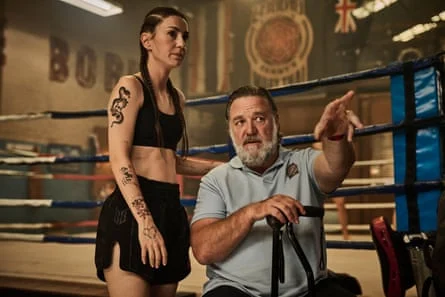
At its heart, Beast centers on Patton James, portrayed by Daniel MacPherson, a mixed martial arts (MMA) fighter whose career trajectory has been derailed by life’s adversities. The film opens with a pivotal moment: a pre-fight pep talk from his trainer, Sammy, played by Russell Crowe. This scene immediately establishes the stakes and the protagonist’s mindset, encapsulated by the mantra, "If I can breathe, I can think. If I can think, I can win." This declaration sets the stage for a journey that is as much about internal struggle as it is about physical combat.
The narrative quickly pivots, skipping forward a decade after a significant, though unseen, victory that cemented Patton’s initial success. The intervening years have evidently been challenging, with Patton now living a life far removed from the glitz and glory of the fight circuit. Residing in a modest dwelling south of Sydney, he faces financial hardship, working on a fishing boat to make ends meet. Despite these struggles, his personal life offers a semblance of stability, as he is happily married to Luciana (Kelly Gale) and raising a family, with another child on the way. This domestic tranquility, however, stands in stark contrast to the unresolved issues from his past.
Unraveling the Decade of Silence
The script, penned by David Frigerio and Russell Crowe, skillfully peels back the layers of the intervening decade, gradually revealing the events that led to Patton’s current circumstances. While specific plot points are withheld to preserve the viewing experience, the overarching theme is clear: Patton’s earlier triumph over the formidable Xavier Grau (Bren Foster), the then-reigning champion, did not usher in an era of sustained success. Instead, a series of missteps and unforeseen consequences appear to have led him away from the pinnacle of his sport and into a life of quiet desperation.
The film emphasizes Patton’s financial woes through poignant dialogue, such as the stark observation, "We haven’t caught a fish in weeks." This underscores the economic pressures that serve as a primary catalyst for his potential return to the ring. The narrative structure deliberately positions Patton at a crossroads, facing an "appealing offer" that he initially rejects – a classic trope in the hero’s journey, often referred to as the "Refusal of the Call."
A Cascade of Motivations
The screenplay by Frigerio and Crowe constructs a compelling web of motivations that compel Patton to reconsider his retirement. Beyond his personal financial needs, his estranged brother, Malon (Mojean Aria), is deeply indebted to dangerous individuals. This familial obligation becomes a significant factor, especially when Malon himself is severely beaten by Xavier Grau. This assault transforms the situation from a personal crisis to a matter of family honor and protection, raising the stakes considerably.
It is at this juncture that Xavier Grau’s manager, Gabriel (Luke Hemsworth), enters the picture. The offer presented to Patton – a substantial six-figure sum to face Grau once more – is precisely the kind of proposition that the narrative has been building towards. The film then explores not only the physical demands of preparing for such a high-stakes bout but also the profound emotional toll it takes on Patton. He finds himself navigating complex relationships with his brother, his wife, and his former trainer and mentor, all while grappling with the internal demons that resurfaced with the renewed spotlight.

Performance and Direction: A Balancing Act
Daniel MacPherson delivers a robust and stoic performance as Patton James, conveying a deep well of anguish and longing through his expressions and demeanor. His portrayal effectively captures the weight of past regrets and the internal conflict of a man seeking a chance to rectify his mistakes. Russell Crowe, in his supporting role as Sammy, imbues every scene with gravitas, though his limited screen time suggests potential scheduling constraints that may have impacted his overall presence in the film.
Director Tyler Atkins demonstrates a notable evolution in his filmmaking approach. Following his earlier, more lighthearted drama Bosch & Rockit, Beast marks a significant step forward in terms of thematic depth and visual execution. While acknowledging the film’s reliance on established genre conventions, Atkins manages to avoid heavy-handedness. The film’s visual aesthetic is polished, characterized by an intensely hued color palette that enhances the dramatic mood.
The Enduring Appeal of the Underdog
Despite the narrative’s predictability, Beast succeeds in reminding audiences why the "back from retirement" story archetype continues to resonate. The film’s strength lies not in surprising plot twists, but in its earnest exploration of the human condition. The "battered old myth structures," as the original review notes, can still pack a punch when executed with sincerity and emotional depth. The internal struggles of the protagonist, the sacrifices required for a comeback, and the potential for redemption are universal themes that continue to capture the public’s imagination.
The film’s narrative progression, while following a recognizable trajectory, effectively builds towards a climactic showdown. However, its more compelling aspects often lie in its introspective moments, delving into the psychological landscape of its protagonist. The way Beast points inward, examining Patton’s mental fortitude and emotional resilience, elevates it beyond a mere physical contest.
Broader Context and Industry Trends
The MMA landscape, while not explicitly detailed in the film’s synopsis, has seen a significant surge in popularity over the past two decades. Organizations like the Ultimate Fighting Championship (UFC) have transformed the sport from a niche combat discipline into a global entertainment phenomenon, attracting massive audiences and generating substantial revenue. This rise in popularity has, in turn, fueled a demand for authentic and compelling storytelling within the genre, making films like Beast a natural extension of this cultural trend.
The inclusion of Russell Crowe as both a co-screenwriter and a supporting actor adds a layer of prestige to the production. Crowe, himself a prominent figure in Hollywood, brings a wealth of experience to the storytelling process. His involvement suggests a commitment to crafting a narrative that transcends superficial action, focusing instead on the character-driven drama that underpins successful sports films.
The film’s thematic exploration of second chances and redemption is also a recurring motif in cinematic narratives across various genres. Whether it’s a sports movie, a crime drama, or a personal struggle, the idea of an individual overcoming adversity and finding a path to personal salvation remains a powerful and enduring narrative device. Beast leverages this inherent appeal, presenting a character who, despite his flaws and missteps, embodies the potential for growth and the possibility of setting things right.
In conclusion, Beast offers a competent and emotionally resonant rendition of a classic sports drama. While it may not break new ground in terms of narrative innovation, its strong performances, solid direction, and well-executed thematic elements ensure that it connects with audiences on a fundamental level. The film’s success lies in its ability to make the familiar feel fresh, reminding viewers of the enduring power of the underdog story and the human capacity for resilience and redemption.