The narrative begins with a poignant juxtaposition of past and present. The opening imagery features a photograph of a smiling figure with grey hair atop a piano, a symbol of the peace found at the end of a long journey. However, the film quickly transitions back several years to the immediate aftermath of a family tragedy. At this point, the protagonist—then identified as the filmmaker’s father—is struggling with the dual burden of profound grief and the suppression of a lifelong secret. The death of his wife of many years serves as the catalyst for the events that follow, prompting a "now or never" realization regarding his own identity.
A Chronological Examination of Transformation
The timeline of A Secret Heart is structured around four pivotal years of documentation. This period serves as a bridge between a traditional, albeit emotionally reticent, family structure and a new reality defined by Lilou’s transition.
Year One: The Catalyst of Grief
The initial phase of the film focuses on the immediate impact of the mother’s passing. The filmmaker, Tom Fontenille, captures his father’s struggle to express emotion, a trait that appears deeply ingrained in the family’s history. This period is characterized by a shared mourning process between the father, the son (the director), and the daughter. The narrative highlights how the loss of a spouse often triggers an existential reckoning, forcing survivors to confront their own mortality and the legacy they wish to leave behind.
Years Two and Three: The Process of Unmasking
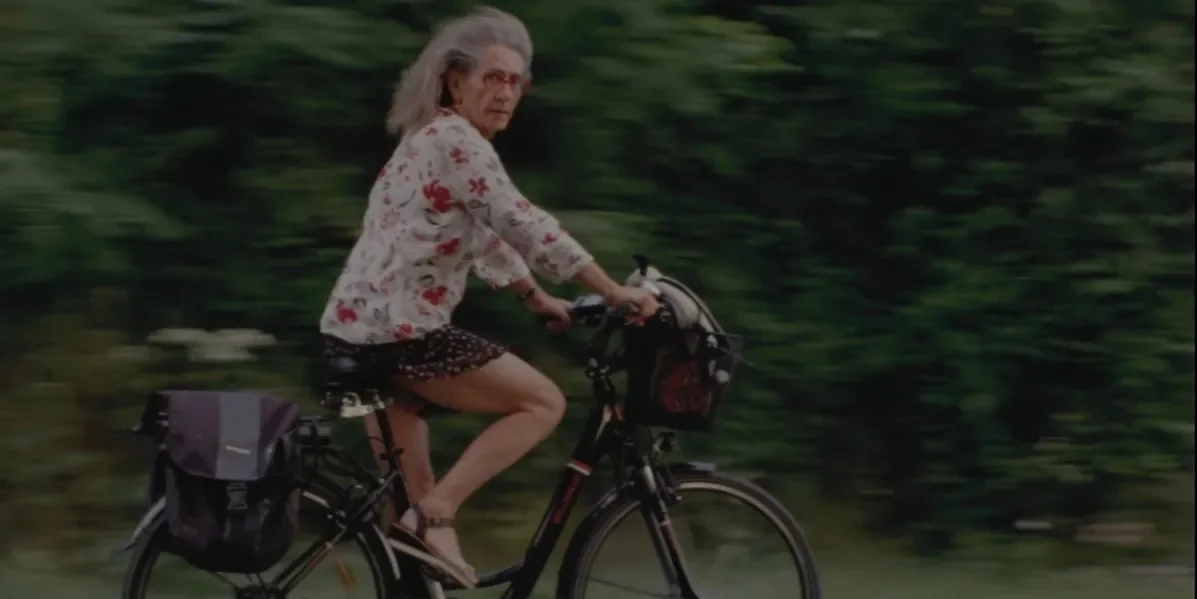
As the mourning period evolves, the film documents the gradual emergence of Lilou. This transition is not portrayed as a sudden rupture but as a deliberate and courageous "unmasking." During these middle years, the father begins the medical and social steps of gender transition. The film moves away from the internal domestic space and into the bucolic French countryside, where Lilou begins to engage in activities that define her new life: gardening, cycling, and DIY projects. The camera documents the physical changes alongside the emotional shifts, noting how the previous reticence begins to give way to a different, albeit still complex, form of openness.
Year Four: Integration and Reinvention
The final year of filming shows Lilou as a 64-year-old woman fully integrated into her community and family. She is seen caring for her grandchildren and maintaining a household that reflects her true self. The film concludes by illustrating that while the transition is a central event, it is also a gateway to a mundane, peaceful existence. The "reinvention" mentioned in the film’s synopsis refers not just to Lilou’s gender, but to the family’s ability to find a "place for everyone" within this new context.
Socio-Cultural Context and Supporting Data
A Secret Heart arrives at a time when the visibility of transgender seniors is increasing in both social science and popular media. According to data from the Williams Institute at UCLA School of Law, approximately 0.5% of adults in the United States identify as transgender, with a significant and growing portion of this population being over the age of 65. In the European context, particularly in France, the legal and social landscape for gender transition has undergone significant shifts in the last decade, allowing for more administrative ease, though social stigma often remains a barrier for older generations.
Research into late-life transitions often cites the "compression of morbidity" and an increased awareness of time as primary motivators for individuals coming out in their 60s or 70s. For many in Lilou’s demographic, the decision to transition is frequently preceded by a major life event—such as retirement or the death of a spouse—which removes previous social or familial obligations that may have acted as inhibitors. Fontenille’s film serves as a primary source document for this sociological phenomenon, illustrating the "if not now, then when" mentality that defines many senior transitions.
Directorial Approach and Narrative Style
Tom Fontenille’s approach to the subject matter is notable for its balance of intimacy and professional distance. One of the primary challenges of personal documentaries—often referred to as "first-person" or "autobiographical" cinema—is the risk of the filmmaker losing perspective. Critics and film theorists often note that when a director films their own family, the work can become overly insular or therapeutic.
However, Fontenille utilizes specific cinematic tools to ensure the film remains accessible to a broader audience. The use of a "wide-eyed" observational style allows the viewer to feel like a guest in the family home rather than an intruder. The cinematography emphasizes the natural beauty of the French setting, using sunlit bike rides and gardening sequences to create a dreamlike atmosphere. This aesthetic choice contrasts with the "unvarnished" and often difficult conversations that occur between the father and children, grounding the film’s more ethereal moments in a palpable reality.
The collaborative writing effort with Valentine Bonnaz ensures a structured narrative arc that prevents the film from feeling like a mere collection of home movies. The 88-minute runtime is tightly edited to highlight the thematic intersections of middle-age transitions, the evolution of the parent-child relationship, and the persistent nature of emotional secrets.
Family Dynamics and the "Secret Heart"
The title of the film, A Secret Heart, refers to the layered nature of human identity. While the most visible transformation in the film is Lilou’s gender transition, the narrative suggests that other secrets and emotional barriers remain. The film portrays a family dynamic where reticence was a survival mechanism.
In several key scenes, Fontenille’s camera probes into his parent’s past, seeking answers to questions about emotional withholding. The responses are often marked by a mix of stubbornness and a desire to keep certain aspects of the past unexplored. This tension provides a realistic look at family life, where total transparency is rarely achieved, even after a major revelation. The film argues that while Lilou has found the courage to live as her true self, the habit of emotional privacy is harder to shed than a former identity.
This dynamic is common in families dealing with significant change. Psychological studies on family systems suggest that when one member undergoes a major transition, the entire system must "re-calibrate." In A Secret Heart, this calibration involves the adult children learning to relate to their parent not just as a father figure, but as a woman with her own independent history and internal life.
Broader Impact and Implications
The release of A Secret Heart contributes to a growing sub-genre of documentary film that focuses on the "hidden lives" of parents. By documenting this transition from the perspective of a son, Fontenille adds a layer of empathy and accountability to the narrative. The film does not shy away from the disruptions caused by the transition, acknowledging the confusion and adjustments required from the younger generation.
The broader implications of the film lie in its universal themes. While the specific circumstances of Lilou’s transition are unique, the underlying questions of how we handle grief, how we express love, and how we negotiate our identities within a family unit are universal. The film serves as a testament to the possibility of grace in the face of radical change.
From a cinematic standpoint, the film’s success is found in its precision. It avoids the sensationalism often found in media portrayals of gender transition, opting instead for a quiet, deliberate pace. This "leisurely" movement, mirrored by the bicycle rides Lilou takes through the countryside, allows the audience to process the emotional weight of the story without feeling manipulated.
As an unvarnished testimony of transformation, A Secret Heart stands as a significant contribution to both transgender cinema and the documentary form. It provides a rare look at the intersection of aging and identity, suggesting that the process of becoming oneself is never truly finished, regardless of age. The film’s ultimate impact is its ability to find the "common humanity" in a story that is, on the surface, deeply specific, proving that the beating heart of any family is often found in the secrets they choose to share and the grace with which they receive them.